Image by Flux
If you feel like you are constantly “on,” you are not imagining it. Chronic stress is more than a busy season or a rough week. It is your body’s stress system stuck in the “go” position and it quietly reshapes your health, your brain, and your mood over time.
Understanding what chronic stress does under the hood helps you take it seriously and, more importantly, gives you clear starting points to change it.
What chronic stress actually is
Acute stress is the jolt you feel when your phone rings with bad news or a car swerves in front of you. Your heart races, your muscles tense, then once the moment passes your body settles.
Chronic stress is very different. It is what happens when that stress response stays switched on for weeks or months. The Mayo Clinic describes it as prolonged activation of your fight or flight response, which keeps hormones like cortisol and adrenaline elevated and can disrupt almost all major body systems over time (Mayo Clinic).
Yale Medicine defines chronic stress as a persistent feeling of pressure and overwhelm that does not really let up, unlike acute stress which is tied to a single event and then resolves when the event ends (Yale Medicine). Think more “grind that never ends” than “one off crisis.”
How your stress system works
To see why chronic stress is so damaging, it helps to know the basic wiring.
When you perceive a threat, your hypothalamus, a region deep in your brain, sends signals to your adrenal glands to release adrenaline and cortisol. This sharpens attention, raises heart rate, and diverts energy from “maintenance tasks” like digestion and long term repair to immediate survival (Mayo Clinic).
In a short burst that is helpful. You stay alert. You react faster. The problem starts when the stressor does not go away or you never get real recovery. According to the Cleveland Clinic, continued activation of this system causes wear and tear that shows up as physical, psychological, and behavioral symptoms over time (Cleveland Clinic).
Everyone’s response is a little different. Some people feel calm under pressure while others react strongly to even small stressors, which means chronic stress can hit you harder or sooner than someone else in the same situation (Mayo Clinic).
Why chronic stress is worse than you think
Chronic stress is not just “feeling stressed a lot.” It changes how multiple systems in your body work and those changes stack up.
Yale Medicine notes that long term stress is closely linked to conditions like hypertension, depression, addiction, and anxiety disorders, and that symptoms can cut across thinking, mood, body, and behavior at the same time (Yale Medicine). Marriott and colleagues describe chronic stress as a failure to return to balance, which keeps stress mediators high and, over time, increases illness risk (Future Science OA).
That ongoing strain is why you cannot treat chronic stress as background noise. It deserves the same attention you would give to a recurring pain or a new health diagnosis.
What chronic stress does to your brain
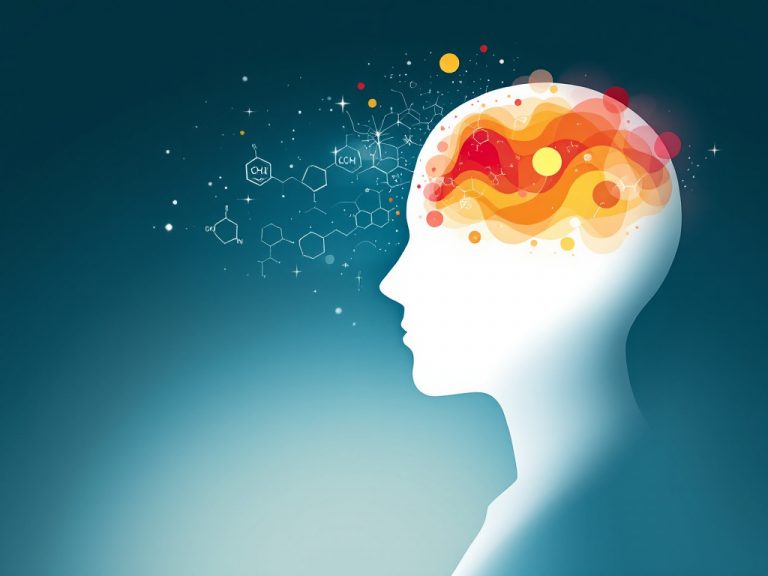
Your brain is one of the first places chronic stress shows up.
Researchers at the University of Alabama at Birmingham explain that chronic stress keeps the fight or flight response running continuously. This prompts the release of cortisol and adrenaline, which in turn promote inflammation and slow down recovery from it (UAB News). Over time this affects brain structure and function.
A review in Future Science OA notes several key changes linked to prolonged stress:
- Reduced volume and structural changes in the prefrontal cortex and limbic system
- Dendritic atrophy, which is a shrinking of branches on nerve cells that affects how they communicate
- Cognitive, emotional, and behavioral problems that resemble what is seen in many people with depression (Future Science OA)
The American Brain Foundation points out that when the stress system stays active too long it stops being protective and starts impairing your ability to focus, make decisions, and regulate emotions (American Brain Foundation). Over years, chronic stress is thought to accelerate the breakdown of brain function and may contribute to earlier onset of disorders like Alzheimer’s and Parkinson’s disease (UAB News).
In day to day life this can look like brain fog, forgetfulness, distractibility, mood swings, and a much shorter fuse than you used to have (UAB News).
How chronic stress affects sleep and recovery
Sleep is when your brain and body reset. Chronic stress gets in the way of that reset.
Ongoing stress makes it hard for your brain to calm down, so you may struggle to fall asleep, stay asleep, or wake feeling rested. That lack of sleep then feeds back into worse attention, lower resilience, and a greater tendency to feel overwhelmed (UAB News).
Stress disturbed sleep also interferes with the glymphatic system, which is your brain’s nightly cleaning process. The American Brain Foundation notes that when this system is impaired, it clears fewer neurotoxic proteins like amyloid, tau, and alpha synuclein. Even one night of sleep deprivation can raise amyloid levels in the brain, and chronic disruption may speed up neurodegenerative diseases such as Alzheimer’s (American Brain Foundation).
So if you notice both constant stress and chronic poor sleep, you are looking at a loop that is worth breaking as soon as you can.
Chronic stress often feels psychological first, but its most serious damage may be in the quiet changes to your brain and nervous system that you cannot feel right away.
Effects on your body and long term health
While the mental side is obvious, chronic stress is equally tough on your body.
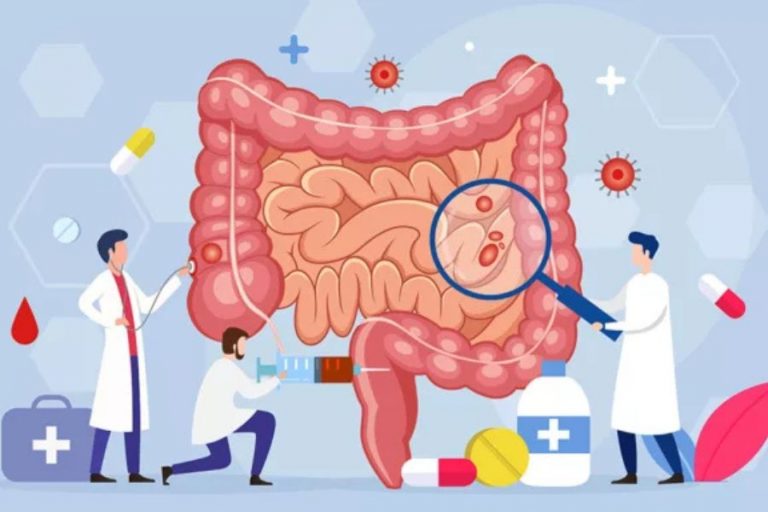
The Mayo Clinic notes that when cortisol and adrenaline stay high they can disturb your immune, digestive, and reproductive systems, and they keep your heart rate and blood pressure elevated longer than they should (Mayo Clinic). Pfizer highlights that chronic stress is associated with a higher risk of high blood pressure, which then raises your risk of heart attack or stroke (Pfizer).
The Cleveland Clinic reports that long term stress can affect various body systems and increase the likelihood of developing conditions such as depression or anxiety (Cleveland Clinic). Physical signs might include:
- Headaches and migraines, often tied to stress “let down,” when a sudden drop in stress after a high pressure period can actually trigger attacks (American Brain Foundation)
- Digestive issues, from appetite changes to stomach discomfort
- Skin reactions such as stress rashes that appear as pink or discolored hives which itch, burn, or hurt, which the Cleveland Clinic notes are more common in women in their 20s to 40s (Cleveland Clinic)
- Increased susceptibility to infections as your immune system becomes less responsive over time (Future Science OA)
Future Science OA also describes how prolonged stress can compromise immune regulation and cause damage to multiple organs through sustained high levels of stress mediators, and even influence processes like atherosclerosis by increasing certain inflammatory cells in the blood (Future Science OA).
Mood, behavior, and daily functioning
Chronic stress does not just exhaust you, it can subtly change how you act and relate to others.
Yale Medicine points out that symptoms can be cognitive, emotional, physical, and behavioral, and that having several of these for weeks at a time is a sign you may be dealing with chronic stress rather than “a tough day” (Yale Medicine). These symptoms then undercut productivity, relationships, and health.
The Cleveland Clinic lists psychological symptoms such as anxiety and depression, while Pfizer notes that chronic stress makes you more likely to feel nervous, anxious, or depressed, something that became even more evident during the isolation of the COVID 19 pandemic (Cleveland Clinic, Pfizer).
On the behavioral side you might notice:
- Irritability and snapping at people you care about
- Trouble concentrating or finishing tasks
- Using food, alcohol, tobacco, or other substances to cope
- Withdrawing from friends, hobbies, or responsibilities
Over time these coping patterns can turn into additional problems, from addiction to serious relationship strain.
Common life causes of chronic stress
You might feel stressed without being able to name exactly why. Looking at the typical long term sources can help you connect the dots.
Yale Medicine highlights several common drivers of chronic stress:
- Long term financial strain or poverty
- Ongoing conflict in your family or marriage
- A deeply dissatisfying or high pressure job with little control
- Health problems that drag on without resolution (Yale Medicine)
The Centers for Disease Control and Prevention note that chronic stress often comes from trying to cope over time with challenges at work, school, in health, or in relationships, and it worsens when you do not have effective ways to respond (CDC).
You and someone else can live through similar events and walk away with very different stress loads. That is not weakness on your part. It reflects a combination of biology, past experiences, and the support or tools you have access to.
Healthy ways to start managing chronic stress
You cannot remove all stress from your life and you do not need to. The goal is to bring your stress system back into balance so that “on” and “off” both exist.
The CDC recommends learning to identify your stress triggers and experimenting with techniques that fit you personally, instead of falling into default habits that actually increase harm (CDC). The Mayo Clinic stresses the importance of avoiding unhealthy coping strategies like alcohol, tobacco, drugs, or overeating and replacing them with habits that improve peace of mind, lower anxiety, reduce blood pressure, and strengthen relationships (Mayo Clinic).
That might look like:
- Building small, daily recovery windows where you intentionally step away from screens, work, or caretaking
- Adding consistent movement, since physical exercise has been shown to reduce some of the neurotoxic pathways linked to stress related depression (Future Science OA)
- Protecting a realistic sleep schedule and treating it as non negotiable
- Simple mind body practices you can actually stick with, like breathing exercises, short meditations, or gratitude rituals recommended by the CDC (CDC)
If you notice that stress is pushing you toward thoughts of self harm, suicidal ideas, or heavier substance use, that is an important line. Pfizer strongly advises seeking professional help in those situations and emphasizes that chronic stress is common and manageable, and you do not have to face it alone (Pfizer). In the United States, confidential help is available 24 hours a day by calling or texting 988 or using chat at 988lifeline.org (CDC).
When to seek professional support
You do not need to wait until you are in crisis to get help with chronic stress.
Yale Medicine describes an interdisciplinary approach where mental health professionals and other specialists work together to address both the psychological and physical aspects, with treatment tailored to your specific symptoms and a strong emphasis on early intervention and prevention (Yale Medicine).
The Cleveland Clinic notes that healthcare providers can help identify whether what you are experiencing is chronic stress, another condition, or both, and then guide you toward appropriate treatment or referrals (Cleveland Clinic). That might involve therapy, medical care, or structured stress management programs.
If you recognize yourself in several of the signs described above for more than a few weeks, that is a valid reason to book an appointment. You do not need to prove you are “stressed enough.”
Bringing it back to you
Chronic stress is worse than you think not because you are fragile, but because your body was never designed to live in emergency mode indefinitely. Left alone, it reshapes your brain, sleep, mood, and long term health in ways that can stay invisible until they are serious.
The upside is that chronic stress is not all or nothing. Every step you take to shorten stress exposures, increase recovery, and get support nudges your system back toward balance. You are not just “coping better,” you are actively protecting your brain and body for the long run.
About the Author