Image by Flux
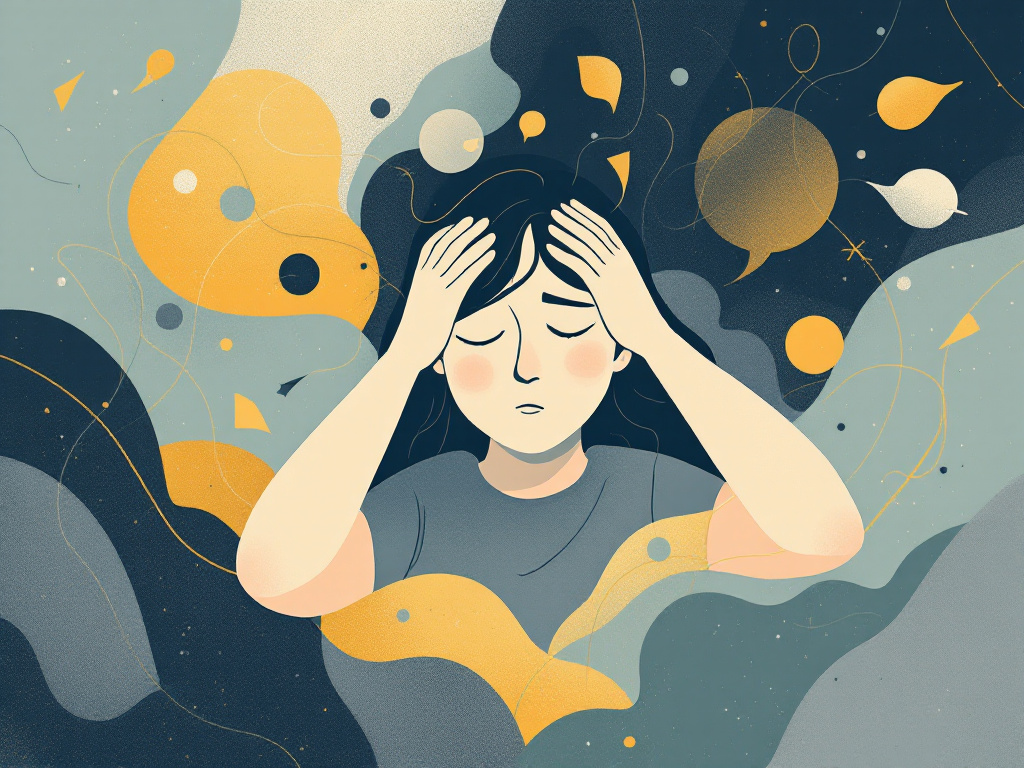
Acute stress disorder can make your world feel like it flipped overnight. One day you are functioning, the next you are jumpy, foggy, or reliving a horrible moment on repeat. If this started soon after a traumatic event and has been going on for at least a few days but less than a month, you may be dealing with acute stress disorder, or ASD.
You cannot stop a traumatic event after it has happened, but you can understand your reaction and take steps to regain control. This guide walks you through what acute stress disorder is, how to spot it, how it differs from PTSD, and what you can do next.
Understand what acute stress disorder is
Acute stress disorder is a short term mental health condition that can show up within the first month after a traumatic event such as an assault, serious accident, natural disaster, or sudden loss. Symptoms last at least three days and up to one month and they can disrupt your work, sleep, and relationships in a very real way (Compassion Behavioral Health, Cleveland Clinic).
You can develop ASD whether you directly experienced the trauma, witnessed it, or learned that it happened to someone close to you. It can affect you at any age, including childhood, adolescence, and adulthood (Cleveland Clinic). The diagnosis was first added to the DSM in 1994 to make sure people with intense early reactions could get care and to help identify who might later develop PTSD (NCBI Bookshelf).
Think of ASD as your brain and body going into emergency mode after something overwhelming. The reaction is not a personal failure or a lack of resilience. It is your nervous system trying to cope with something that felt life threatening or deeply unsafe.
Recognize the symptoms in daily life
You are not expected to memorize diagnostic criteria, but spotting patterns in how you feel and behave can help you decide when to reach out for support. With acute stress disorder, symptoms fall into a few common clusters.
Intrusive and replay symptoms
You may feel like the event is still happening, even when you know logically that it is over. This can show up as:
- Unwanted, distressing memories that intrude when you are trying to focus
- Flashbacks, where you briefly feel transported back into the event
- Nightmares about the trauma or themes of danger
- Sudden physical reactions, like a racing heart, when something reminds you of it
These intrusive experiences are a core part of ASD and often one of the first things you notice (Compassion Behavioral Health).
Avoidance and emotional numbing
Your brain may try to protect you by dodging anything that feels connected to the trauma. You might:
- Avoid places, people, or conversations that remind you of what happened
- Skip news, social media, or shows that touch on similar situations
- Feel emotionally numb, detached, or like you are watching your life from the outside
That sense of being cut off from yourself or the world is a dissociative symptom. Many people with ASD describe feeling unreal or like they are moving through a fog (Compassion Behavioral Health).
Heightened anxiety and physical tension
Your body can stay stuck in high alert mode. You may notice:
- Being easily startled by noises or sudden movement
- Constant worry or a sense of impending danger
- Trouble falling or staying asleep
- Irritability, anger bursts, or restlessness
- Difficulty concentrating on simple tasks
This is your fight or flight system running hot. Over time, that constant edge can be exhausting.
How these symptoms impact you
The key sign that this is more than a rough week is impact. If your symptoms make it hard to work, study, care for your family, or manage everyday tasks, it is time to treat the situation as serious. Rates of acute stress disorder after trauma range roughly from 6 percent to 33 percent depending on the type of event, with higher rates after violence such as assaults or mass shootings (Cleveland Clinic, PTSD VA). You are not alone in this response.
Know what causes acute stress disorder
Acute stress disorder is tied to the intensity and meaning of what happened to you, not to weakness or willpower.
Common triggers include:
- Serious road accidents or injuries
- Physical or sexual assault
- Robbery or violent crime
- Natural disasters such as earthquakes, floods, fires, or hurricanes
- Witnessing death or severe injury
- Sudden, traumatic loss of a loved one
Your risk can rise if the trauma was especially severe or prolonged, if you have had previous traumas, or if you live with other mental health conditions. However, ASD can affect anyone. Epidemiological studies show that, for example, about 15.81 percent of road traffic accident survivors meet criteria for ASD in the first weeks after injury (NCBI Bookshelf).
It also matters how supported you feel afterward. A lack of social support, ongoing danger, or stressful life circumstances can keep your nervous system from settling back down.
Tell ASD apart from PTSD and “normal” stress
After something frightening, you would expect to feel shaken. So how do you tell expected short term stress from acute stress disorder, and how is ASD different from post traumatic stress disorder?
Timing and duration
Clinicians use timing as one of the clearest dividing lines:
- Acute stress disorder symptoms start within the first month after the trauma and last from at least three days up to four weeks (Cleveland Clinic).
- PTSD involves similar types of symptoms that persist longer than one month (Compassion Behavioral Health, PTSD VA).
If your symptoms began quickly after the event and are still intense a few weeks in, that points toward ASD. If they continue beyond a month, your clinician may consider a diagnosis of PTSD.
Intensity and impairment
After a tough event, feeling anxious, jumpy, or emotional for a few days is common. With ASD, symptoms are more severe and interfere with basic functioning. You might:
- Call out of work or school because you cannot cope
- Avoid leaving your home or answering messages
- Struggle to follow conversations or finish simple tasks
- Feel like you are losing your sense of self or control
Research suggests that more than 80 percent of people who meet criteria for acute stress disorder will develop PTSD within six months if untreated (PTSD VA). That is why taking ASD seriously and getting help early matters.
Get a proper diagnosis
You cannot self diagnose ASD with total accuracy, but you can take concrete steps toward a professional evaluation.
Acute stress disorder is a clinical diagnosis. There are no blood tests or scans that confirm it. Instead, your provider will:
- Take a detailed history of what happened
- Ask about your symptoms and how long you have noticed them
- Explore how these symptoms affect your home, work, and relationships
- Use structured questionnaires or checklists where appropriate
For children and teens, clinicians may use tools like the Child Stress Reaction Checklist to understand their reaction to trauma (NCBI Bookshelf).
If you are not sure where to start, your options include:
- Talking with your primary care doctor
- Reaching out to a licensed therapist or counselor
- Calling a local mental health clinic or community health center
If at any point you have thoughts of harming yourself, treat that as an emergency. Research shows people with ASD have a much higher risk of suicide attempts and overall mortality, with one large review finding they were 24 times more likely to die from suicide than those without ASD (NCBI Bookshelf). If you feel at immediate risk, call emergency services or a crisis hotline in your area right away.
Explore treatment options that actually help
The good news is that you do not have to wait and see if this gets worse. Effective treatments are available, and early care can reduce your chances of developing long term PTSD.
Trauma focused cognitive behavioral therapy
Trauma focused cognitive behavioral therapy, often called CBT, is the primary recommended treatment for acute stress disorder (Cleveland Clinic, NCBI Bookshelf). It typically includes:
- Learning how trauma affects your brain and body
- Practicing skills to manage anxiety, such as breathing and grounding
- Gradually and safely talking through or revisiting aspects of the trauma, often called exposure therapy
- Challenging beliefs that keep you stuck, such as “I am never safe anywhere” or “It was all my fault”
Early CBT not only eases current distress, it also lowers the likelihood that PTSD symptoms will take hold later on (PTSD VA).
EMDR and other therapies
Eye Movement Desensitization and Reprocessing, or EMDR, is another trauma specific therapy sometimes used to treat ASD. It pairs brief exposure to aspects of the memory with guided eye movements or other bilateral stimulation to help your brain process what happened (Compassion Behavioral Health).
Other approaches can complement these core treatments, but one thing that is not recommended is routine psychological debriefing for everyone involved in a traumatic event. Large reviews have not found strong evidence that single session debriefing prevents PTSD, and for severe reactions it is not advised (PTSD VA).
Medication support
There is limited direct evidence for medications in ASD. When used, they are often based on PTSD research and focus on easing specific symptoms like anxiety, depression, or insomnia. Your clinician might discuss:
- Short term use of anti anxiety medications
- Antidepressants for mood symptoms
- Sleep aids for severe insomnia
Medication is usually combined with therapy instead of used alone (Compassion Behavioral Health, NCBI Bookshelf).
Use practical strategies to stay grounded
While professional care is central, small daily steps can give you a greater sense of control while you heal.
Anchor your body in the present
Grounding techniques help your nervous system remember that the danger is over. You can try:
- The 5 4 3 2 1 method, name 5 things you can see, 4 you can touch, 3 you can hear, 2 you can smell, and 1 you can taste
- Temperature shifts, hold an ice cube or splash cool water on your face when you feel overwhelmed
- Deep, counted breathing, inhale for four, hold for four, exhale for six, repeat for a few minutes
These are not cures, but they help you ride out spikes of panic.
Protect your basic routines
Trauma often scrambles sleep, eating, and movement. Gently protecting some structure can keep you from spiraling further.
Aim for simple, realistic steps:
- Keep wake and bed times roughly consistent
- Eat small, regular meals, even if your appetite is off
- Move your body in low intensity ways, such as walking, stretching, or light yoga
- Limit alcohol or substance use, they may blunt feelings short term but can worsen anxiety and sleep in the long run
Think of these as supports for your brain while it recovers.
Lean on safe people
You do not have to describe every detail of what happened. Even so, staying connected can lower your risk of getting stuck in isolation.
You might:
- Ask one or two trusted people to check in regularly
- Let colleagues know you are dealing with a health issue if you need short term adjustments
- Join a support group for trauma survivors if one is available and feels right
Choose people who listen without rushing you or minimizing your reaction.
Act early to protect your long term health
If acute stress disorder is left untreated, your risk of developing PTSD and other complications climbs. Untreated ASD can harden into longer term patterns of avoidance, intrusive memories, and hyperarousal that take more effort to unwind later on (Cleveland Clinic, NCBI Bookshelf).
At the same time, the window for effective intervention is wide. ASD symptoms are limited to the first month after trauma by definition. That is a built in signal for you and your care team to check in early, try evidence based treatments, and reduce the chance that this one event shapes your life for years.
You do not need to wait until things feel “bad enough.” If you recognize yourself in the symptoms described here, or if someone close to you seems stuck in emergency mode after a traumatic event, reaching out now is a strong and sensible move.
You went through something that would shake anyone. Acute stress disorder is your nervous system’s way of sounding an alarm, not a verdict on your strength. With the right support, you can dial that alarm down, process what happened, and regain your sense of control one step at a time.
About the Author