Creatine benefits for seniors are getting a lot of attention, and not just from bodybuilders. You might be hearing more about this supplement from friends, fitness trainers, or even health professionals who work with older adults. That is because a growing body of research suggests creatine can support strength, mobility, and even aspects of brain health as you age.
Below, you will find a clear, jargon-free guide to what creatine can do for you as a senior, how it works, and what to discuss with your doctor before you start.
What creatine is and how it works
Creatine is a compound your body makes naturally and stores mostly in your muscles, with smaller amounts in your brain. You also get some creatine from foods like meat and fish. Inside your cells, creatine helps recycle energy so you can perform short bursts of activity, like standing up from a chair or climbing stairs.
As you get older, muscle mass and strength tend to decline. This age-related loss of muscle is called sarcopenia and it can affect your balance, mobility, and independence. Studies show that supplementing with creatine can increase creatine and phosphocreatine levels in your muscles, which improves performance in high-intensity and functional movements that rely on quick energy production (PubMed).
Support for muscle strength and lean mass
If you are worried about getting weaker with age, creatine may help. Several studies in older adults have looked at how creatine affects muscle strength and size, especially when combined with resistance training.
In adults aged 57 to 70, creatine taken alongside resistance training for 7 to 52 weeks led to an average increase in lean tissue mass of about 1.37 kg and improved upper and lower body strength compared with resistance training alone (Journal of Clinical Medicine). This is important because lower body muscles are hit hardest by aging and are crucial for walking, getting out of a chair, and preventing falls (WebMD).
Even short-term, higher dose creatine has shown benefits. In older adults, about 20 grams per day for 5 days or 2 grams per day for 30 days increased skeletal muscle creatine and phosphocreatine, which improved performance in high-intensity activities (PubMed). Another trial found that short-term high-dose creatine, even without exercise training, increased body mass, improved fatigue resistance, and boosted muscle strength and daily activity performance (PubMed).
Taken together, these results suggest that creatine can help you:
- Build or maintain muscle mass
- Increase strength and power
- Perform daily tasks with less fatigue
The effect is strongest when you combine creatine with regular resistance or strength training.
Better mobility and reduced fall risk
Being able to move confidently is one of the most important parts of healthy aging. Creatine appears to support the kind of functional strength you rely on every day.
In aging adults with an average age between 57 and 69, creatine supplementation plus resistance training improved performance on sit to stand tests more than training alone. Sit to stand performance improved by 23 percent with creatine versus 16 percent with placebo, a change that points to a lower risk of falls (Journal of Clinical Medicine).
Creatine has also been shown to:
- Enhance fatigue resistance, so your muscles tire more slowly during repeated efforts
- Improve performance in activities of daily living, such as climbing stairs or carrying groceries (PubMed)
Because strength and balance are linked, gains in lower body strength can translate into steadier walking, easier transfers in and out of chairs, and more confidence during everyday movement.
Protection against age-related muscle and bone loss
Sarcopenia and osteoporosis, or loss of muscle and bone mass, become more common with age. These conditions increase your risk of fractures and can slowly erode your independence.
Research suggests creatine can help counteract these declines. According to WebMD, creatine supplementation in older adults can stop and even reverse age-related losses in muscle mass, bone mass, physical performance, and strength (WebMD).
When paired with resistance training, creatine has been linked to:
- Greater gains in lean mass compared with training without creatine
- Larger increases in lower body strength, an area that is especially vulnerable in older adults (WebMD)
- Improved bone mineral density compared with resistance training alone, which may help offset age-related bone loss (PubMed)
If you are aiming to maintain strong legs and hips, creatine can act as a supportive tool alongside strength exercises and adequate dietary protein.
Emerging benefits for brain and cognitive health
Creatine is not only stored in your muscles. Your brain also uses creatine to help move energy where it is needed. That is why researchers are increasingly interested in creatine as a potential tool for supporting cognitive function in older adults.
Increased brain creatine from supplementation has been linked to improved neuropsychological performance and better cognitive processing in situations where thinking is impaired by aging or sleep deprivation (PubMed). Early evidence also suggests creatine may help reduce fatigue and support mood and cognitive health in older people, especially under conditions of sleep loss (UCLA Health).
A small 2023 pilot study at the University of Kansas Medical Center looked at seniors aged 60 to 90 with Alzheimer’s disease who took 20 grams of creatine monohydrate daily for eight weeks. The study found:
- An 11 percent increase in brain creatine levels, showing that high-dose creatine can raise brain energy stores in this group
- Moderate improvements in working memory and executive function, two key cognitive abilities affected in Alzheimer’s disease
- Feasibility and safety of creatine use in this population over the study period (KU Medical Center)
Researchers also noted that creatine may reduce inflammation and oxidative stress in the aging brain, two processes tied to neurodegenerative diseases (KU Medical Center).
This area of research is still developing, so creatine is not a treatment for dementia. However, it may become part of a broader strategy to support brain energy and cognitive function as you age.
At this point, the strongest evidence for creatine is in muscle strength and performance, while brain benefits are promising but still emerging.
Help with energy, fatigue, and daily performance
Feeling wiped out by basic tasks is frustrating. Some of the research on creatine and seniors points to improvements in both physical and mental fatigue.
Short-term, high-dose creatine has been shown to reduce muscle tiredness and improve lower body energy in older adults (WebMD). In other trials, older adults taking creatine experienced greater fatigue resistance and improved performance in everyday activities, even without formal exercise programs (PubMed).
Experts at UCLA Health also note that creatine supplementation may help reduce overall fatigue and improve cognitive function in older adults, particularly when they are dealing with sleep loss (UCLA Health).
If you notice that tasks like carrying laundry, gardening, or walking short distances take more out of you than they used to, creatine, especially when paired with gentle strength training, might help you feel more capable.
Possible support for blood sugar control
If you have type 2 diabetes or are at risk, you might also wonder how creatine fits into the picture. Some research indicates that creatine combined with exercise can have a positive effect on glycemic control in middle-aged and older adults with type 2 diabetes, although the mechanism is not fully understood yet (WebMD).
Because diabetes and kidney health are closely linked, this is an area where talking directly with your physician is essential. Creatine may be helpful for some, but it is not appropriate for everyone with blood sugar issues.
Skin and appearance benefits
Beyond muscles and energy, creatine may offer cosmetic benefits that still matter at any age. A topical creatine cream used for about six weeks in older adults was found to reduce visible signs of skin aging by stimulating collagen growth, which helps maintain skin flexibility and reduce wrinkles (WebMD).
This is separate from oral creatine supplements, but it shows how creatine’s role in cellular energy and structure might affect tissues throughout your body, including your skin.
Typical dosage and how to take it
Most research on creatine benefits for seniors uses creatine monohydrate, the most studied and widely available form. UCLA’s dietitian Yasi Ansari notes that taking 3 to 5 grams of creatine monohydrate per day can raise muscle creatine stores by 20 to 40 percent, which supports short burst energy and recovery between bouts of activity (UCLA Health).
Two common approaches are:
- A steady daily dose of 3 to 5 grams, which gradually saturates your muscles over several weeks
- A higher loading dose, such as 20 grams per day divided into 4 servings, for 5 to 7 days, followed by a lower maintenance dose. Some older adults may prefer to skip loading to reduce the chance of stomach discomfort
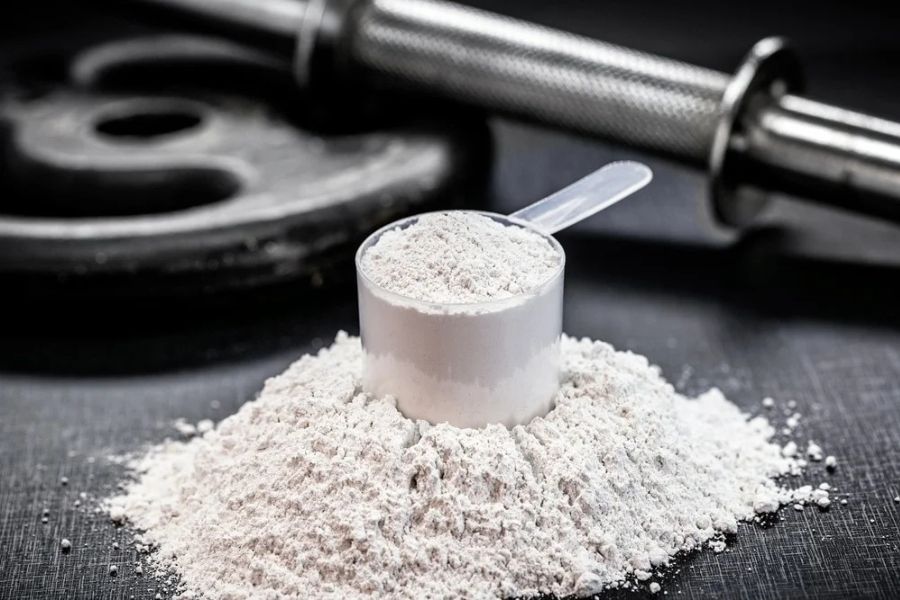
You can mix creatine powder into water, juice, or a smoothie. Taking it with a meal may help reduce mild side effects like gas or bloating.
Safety considerations and side effects
For most healthy adults, creatine is considered safe when used as directed. Multiple studies in aging adults, including postmenopausal women, found no negative impact on liver or kidney function markers with creatine use for up to one year (Journal of Clinical Medicine).
UCLA Health experts also report that creatine is safe for most adults when taken appropriately. Common, usually mild, side effects include:
- Gas
- Bloating
- Temporary water retention or slight weight gain
These can often be minimized by starting with a lower dose, avoiding a high loading phase, and taking creatine with food (UCLA Health).
There are a few important cautions:
- If you have kidney disease or reduced kidney function, you should talk with your healthcare provider before using creatine, since your kidneys are involved in clearing it from your body (UCLA Health)
- If you have chronic conditions such as diabetes, heart disease, or are on multiple medications, a medical review is wise before starting any new supplement
- Creatine without resistance training has shown mixed results for aging muscles, with some studies showing improved strength and others showing no benefit (Journal of Clinical Medicine). You will likely get more from creatine if you pair it with some form of strength exercise that fits your ability level
Putting it all together
If you are considering creatine as part of your healthy aging plan, here is a simple way to think about it:
- Creatine is best supported by research for increasing muscle strength, lean mass, and functional performance in older adults, especially when combined with resistance training
- It may help reduce fatigue, improve mobility, and lower fall risk
- Emerging evidence points to possible benefits for brain energy and cognitive function, but this research is still developing
- Safety data in seniors is generally reassuring, although anyone with kidney disease or complex medical conditions should have a conversation with their doctor first
If you want to explore creatine, a practical next step is to talk with your healthcare provider about a daily dose in the 3 to 5 gram range of creatine monohydrate, and pair it with a beginner-friendly strength routine. Start slowly, pay attention to how you feel, and remember that creatine is a tool to support your efforts, not a shortcut.
Used thoughtfully, creatine can be one more way to help you stay stronger, steadier, and more energetic as you get older.
About the Author