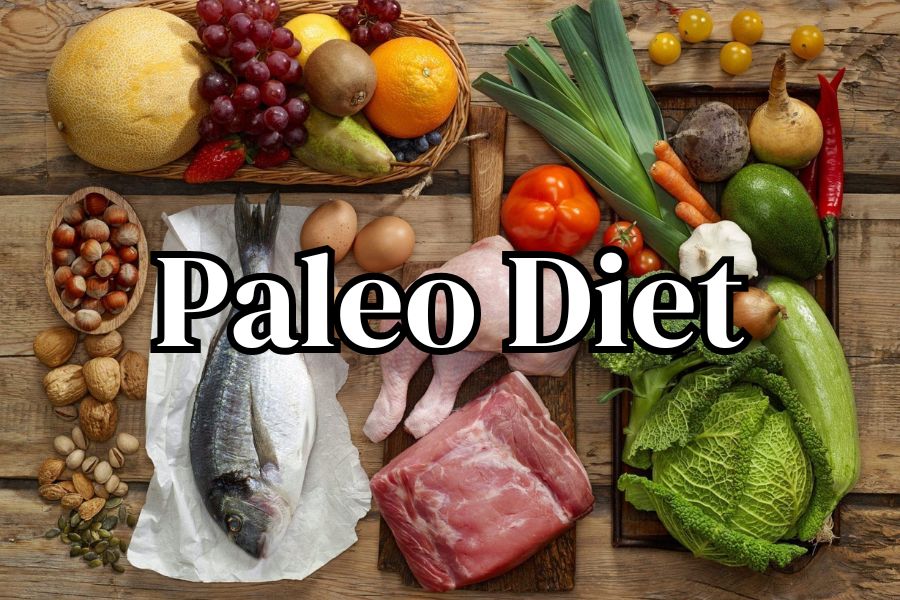
A paleo diet plan can feel confusing at first. What can you eat, what should you skip, and how do you turn the basic rules into everyday meals that help you lose weight and feel better, not stressed and hungry?
This guide walks you through friendly, flexible paleo diet plan ideas that fit real life. You will see what the paleo diet is, what to put on your plate, what to avoid, and how to turn the basics into simple weekly meals you can actually stick with.
Understand the paleo diet basics
At its core, a paleo diet plan focuses on whole, unprocessed foods that your hunter‑gatherer ancestors might have eaten. That means you build your meals around vegetables, fruit, meat, seafood, eggs, nuts, seeds, and healthy fats, and you skip highly processed foods, grains, most dairy, legumes, and added sugar (Healthline).
The idea behind paleo is that modern processed diets do not match what your body evolved to handle. This mismatch may contribute to obesity, diabetes, and heart disease (Mayo Clinic). By returning to more traditional foods, you reduce ultra processed ingredients and naturally improve food quality.
You do not have to follow paleo perfectly to benefit. Many people use it as a template that helps them crowd out junk food, lose weight without strict calorie counting, and improve energy levels (Healthline).
Know what to eat and what to skip
Getting clear on food groups makes planning much easier. You can think of paleo foods as your “everyday staples,” “sometimes foods,” and “better to avoid” foods.
Everyday staples on paleo
You can enjoy these regularly and build most of your meals around them:
- Vegetables of all kinds, especially non starchy options like leafy greens, broccoli, cauliflower, bell peppers, zucchini, and asparagus
- Moderate amounts of starchy vegetables such as sweet potatoes, winter squash, beets, and carrots
- Fresh or frozen fruits like berries, apples, oranges, and grapes
- Lean meats including poultry, pork, and game meats
- Fish and seafood, with an emphasis on wild caught and fatty fish like salmon and sardines that are rich in omega 3s (EatingWell)
- Eggs
- Nuts and seeds like almonds, walnuts, cashews, chia seeds, and pumpkin seeds
- Healthy fats such as olive oil, avocado oil, coconut oil, avocados, and olives
- Herbs, spices, and vinegar for flavor
Grass fed meats and sustainably caught seafood are encouraged because they are usually leaner and higher in omega 3 fats, which support heart health and lower inflammation (EatingWell).
Foods to limit or enjoy occasionally
Some paleo approaches allow these in small amounts, so you can decide what works for you:
- Starchy vegetables like white potatoes if you are watching weight or blood sugar
- Higher sugar fruits such as bananas or mangoes, especially if you snack on them often (EatingWell)
- Natural sweeteners like honey, maple syrup, or coconut sugar, even in paleo baked goods (Bon Appétit)
Paleo desserts and “treat” recipes can still deliver a lot of sugar. Keeping them as true treats, rather than everyday habits, supports weight loss and steady energy.
Foods to avoid on a paleo diet plan
Most versions of a paleo diet plan ask you to skip:
- All grains, including wheat, barley, rye, oats, corn, and rice
- Legumes like beans, lentils, peas, soy, and peanuts
- Most dairy products, especially milk, yogurt, and cheese, although some flexible plans allow grass fed butter or ghee (Healthline)
- Refined sugar and high fructose corn syrup
- Processed foods such as chips, packaged cookies, frozen meals, and fast food
- Most refined vegetable oils like soybean, corn, and canola oil
- Artificial sweeteners
It is easy to over rely on packaged foods cleverly labeled “paleo.” Many of these are still heavily processed and not very nutrient dense. Ideally, you want ingredients you could recognize and cook with at home instead of constant paleo cookies and bars (Aaptiv).
Balance your plate for weight loss and energy
Simply avoiding certain foods will move you in the right direction. To use a paleo diet plan for weight loss and better health, you will get more mileage by balancing your plate.
A helpful rule of thumb at most meals is:
- Half your plate non starchy vegetables
- One quarter lean protein
- One quarter starchy vegetables or fruit
- A thumb size or so of healthy fat
This ratio gives you fiber, protein, and healthy fats that keep you full for hours, so you are less likely to overeat later.
It can be tempting to turn paleo into “all the meat” because protein is filling. However, regularly eating very large portions of meat, especially fatty cuts, can increase strain on your kidneys and liver and may raise the risk of chronic disease (Bon Appétit). Think of meat as one part of the meal, not the entire meal.
A moderate target for many adults is around 8 to 9 ounces of meat or protein equivalents spread across your day, not per meal (Bon Appétit). Your exact needs depend on your body size and activity level.
Think of your plate as a colorful garden first, with protein and healthy fats layered in to keep you satisfied.
Watch out for common paleo pitfalls
Like any eating pattern, paleo has pros and cons. You can protect your health by planning around the most common challenges.
Get enough fiber without grains and beans
Whole grains and legumes are major fiber sources for many people. When you cut them out, your fiber intake can drop if you do not intentionally add more vegetables and fruits. Low fiber can slow digestion and undermine some of the benefits you are looking for.
To stay regular and support gut health, aim for at least five servings of non starchy vegetables per day, along with some fruit (Aaptiv). Nuts and seeds also contribute fiber, especially chia, flax, and pumpkin seeds.
If you suddenly start piling on vegetables, fruit, and nuts, you might notice more gas or bloating at first. This is often your body adjusting to more fiber and the natural laxative effect of these foods (Healthline). Increasing your portions gradually and drinking enough water usually helps.
Protect your calcium and vitamin D
Since you avoid dairy and also skip calcium rich plant foods like tofu and many legumes, it is easy to fall short on calcium and vitamin D with a strict paleo diet plan. Over time, that can affect bone health (Mayo Clinic).
You can support your bones with:
- Dark leafy greens such as kale, collards, mustard greens, and broccoli
- Canned salmon or sardines that include the bones, which are rich in calcium (Aaptiv)
- Safe sun exposure and vitamin D rich foods like fatty fish and eggs
Because eliminating grains, legumes, and dairy can create gaps in nutrients like calcium, vitamin D, and some B vitamins, it is wise to talk with a registered dietitian or your doctor about whether you need supplements or a slightly more flexible approach (Everyday Health).
Be careful with a meat heavy approach
Some meat heavy versions of paleo may increase saturated fat intake and a gut chemical that has been linked with heart disease, especially if red meat dominates your plate (Kevin’s Natural Foods). Focusing more on vegetables, seafood, poultry, and healthy fats can help balance this.
People with heart disease risk, kidney problems, or type 1 diabetes should check with a healthcare professional before starting a strict paleo diet, because a high protein, high fat pattern may not be appropriate in every case (Everyday Health).
Plan simple paleo meals for a week
Once you understand the basics, the most important step is planning. Unplanned hunger is one of the biggest reasons people abandon a paleo diet plan and fall back on non paleo foods (Bon Appétit).
You do not need complicated recipes. Start with a loose weekly structure and repeat easy meals that you like.
Here is an example of how a simple day might look, adapted from common paleo meal ideas (EatingWell):
| Meal | Simple paleo idea |
|---|---|
| Breakfast | Scrambled eggs with spinach and mushrooms, side of berries |
| Snack | Handful of pumpkin seeds with a few dried apricots |
| Lunch | Large salad with mixed greens, grilled chicken, avocado, tomatoes, olive oil |
| Snack | Banana or apple with almond butter |
| Dinner | Baked salmon, roasted sweet potatoes, and steamed broccoli with lemon |
If you like more structure, you can take inspiration from weekly paleo meal plans that feature recipes like shakshuka with squash, chicken and veggie bowls with cauliflower rice, and steak with chimichurri (Whole Foods Market). These plans often suggest cooking extra portions for lunch leftovers and using ready to eat items like rotisserie chicken to save time.
For snacks, think simple and portable. Options like dried mango, roasted seaweed snacks, jerky bars, or grain free granola can help you stay on track when you are busy (Whole Foods Market).
Make paleo realistic and flexible
Strict “all or nothing” rules can make any diet hard to live with long term. There are more flexible versions of paleo that include small amounts of modern foods like grass fed butter or even gluten free grains such as rice. These adaptations can make the diet easier to sustain without losing the core benefit of focusing on real, unprocessed foods (Healthline).
You might decide to:
- Eat paleo at home and be more relaxed when eating out
- Follow paleo during the week and allow a couple of non paleo items on weekends
- Keep grains like oats or rice at breakfast or post workout only, while staying mostly paleo the rest of the day
Some research suggests that other unprocessed, plant forward patterns such as the Mediterranean diet can deliver similar improvements in weight and heart health, possibly with fewer nutrient gaps, since they include whole grains and some dairy (Mayo Clinic). The common thread is less processed food and more vegetables.
The best paleo diet plan for you is one that improves your health markers, fits your budget, and feels manageable months from now, not just this week.
How to get started this week
You do not need a perfect plan to begin. Start with one or two small changes and build from there.
You might:
- Swap your usual breakfast for eggs with vegetables and a piece of fruit
- Replace your afternoon packaged snack with nuts, seeds, or cut raw veggies and guacamole
- Choose one paleo style dinner, like roasted chicken with a tray of mixed vegetables and sweet potatoes
- Plan two or three simple lunches for the week using salad greens, leftover protein, and a basic olive oil dressing
If you have medical conditions or take medication, talk with your doctor or a registered dietitian before making big changes, since a paleo diet plan may not be right for every health situation (Whole Foods Market).
With a little planning and a focus on whole foods, your paleo diet plan can support meaningful weight loss, steadier energy, and better overall health, without feeling like a rigid set of rules. Start with one meal, see how you feel, and keep adjusting the plan so it works for your life.
About the Author