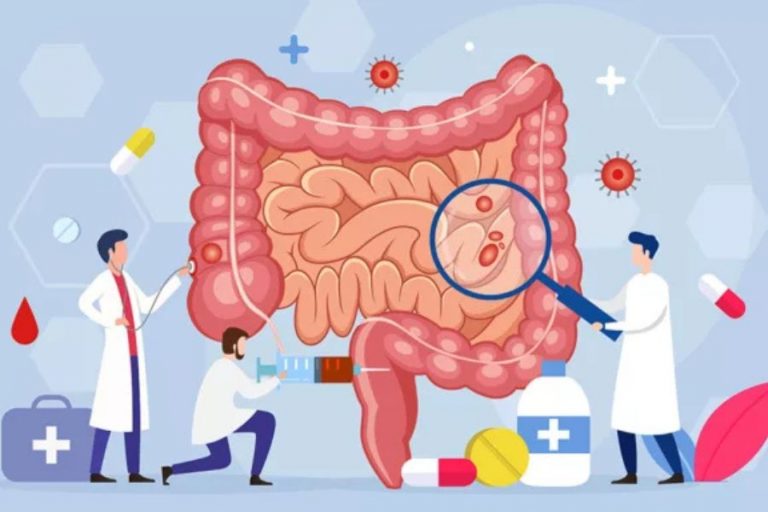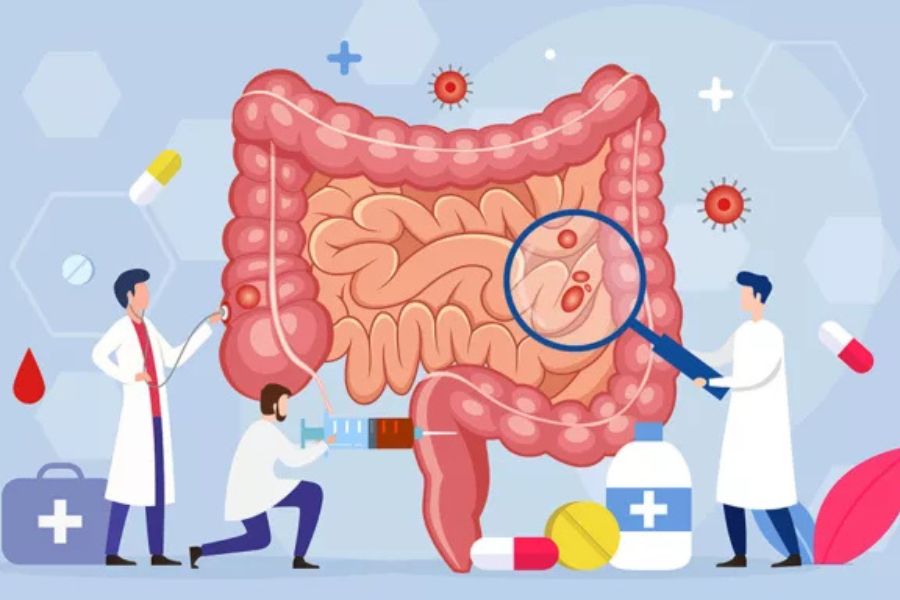
A probiotic supplement can sound like a simple shortcut to better gut health. Before you add one to your routine, it helps to understand common probiotic side effects, what is normal, and when you should stop and call your doctor.
This quick guide walks you through what you might feel in the first days or weeks, who should be more cautious, and how to use probiotics more safely.
What probiotics do in your body
Probiotics are live microorganisms that you take in food or supplement form to support the community of bacteria and yeast in your gut. When you start a probiotic, you introduce new microbes into that ecosystem.
As these microbes move through your digestive tract they can:
- Compete with existing bacteria
- Ferment fibers and produce gases
- Create short chain fatty acids and other byproducts
This activity is part of how probiotics may help your digestion over time, but it is also why you can notice short term side effects as your gut adjusts. According to the Cleveland Clinic, probiotics have a long history of use and generally appear to be safe for healthy people, although they are not risk free for everyone (Cleveland Clinic).
Common short term probiotic side effects
When you first start a probiotic, it is common to feel like your digestion gets worse before it gets better. Several sources, including the Cleveland Clinic and WebMD, note that these effects usually ease after a few days to a few weeks as your body adapts (Cleveland Clinic, WebMD).
Digestive changes
The most frequent probiotic side effects involve your gut:
- Bloating and gas
- Mild stomach discomfort or cramping
- Temporary diarrhea
- Less commonly, constipation
These changes happen because the new bacteria start fermenting food components and producing short chain fatty acids and gases. Healthline notes that this is especially likely if you take a high dose right away or have a sensitive digestive system (Healthline). SingleCare also points out that digestive discomfort is the most common complaint and is typically mild and temporary (SingleCare).
If your symptoms are mild, you can often manage them by:
- Taking the supplement with food instead of on an empty stomach
- Reducing your dose, for example one capsule every other day
- Drinking more water to help your gut move things along
If diarrhea is severe, lasts more than a few days, or you see blood in your stool, you should stop the probiotic and call your doctor.
Thirst, headaches, and other mild symptoms
Some side effects do not seem directly related to your gut, but they show up in the research and case reports.
-
Increased thirst
Yeast based probiotics, such as those containing Saccharomyces boulardii, can cause increased thirst in some people, mainly in the first week. SingleCare notes that this usually goes away on its own, and switching to a bacteria based probiotic might help if it does not (SingleCare). -
Headaches or migraines from foods
Fermented foods like yogurt, sauerkraut, and kimchi are natural sources of probiotics. They can also contain biogenic amines such as histamine and tyramine, which may trigger headaches in sensitive people, although research is still limited (Healthline). If you notice a pattern, keeping a food and symptom diary can help you pinpoint triggers. -
Skin or allergy like reactions
Some people notice rashes or itching after starting a probiotic. This may be related to ingredients in the capsule, such as dairy, egg, soy, yeast, or prebiotic fibers, rather than the probiotic strains themselves. Healthline and WebMD both emphasize reading labels carefully if you have allergies or intolerances (Healthline, WebMD).
If any non digestive symptom is intense, keeps getting worse, or feels unusual for you, you should stop the supplement and talk with a healthcare professional.
If a side effect feels severe, new, or scary, treat that as a reason to pause the probiotic and call your doctor instead of trying to push through it.
When probiotic side effects can be serious
For most healthy adults, side effects are temporary and mild. The story changes if your immune system or overall health is compromised.
Infection risk in high risk groups
Because probiotics are live microbes, they can, in rare cases, cause infections. The Cleveland Clinic and WebMD both note that people with weakened immune systems face a small but real risk of serious infections from probiotic products (Cleveland Clinic, WebMD).
Healthline lists higher risk groups, which include people who:
- Have compromised immune systems
- Recently had major surgery
- Have venous catheters
- Have prolonged hospital stays
- Have severe acute pancreatitis
For these groups, the estimated infection rate is low, but not zero. Healthline reports an infection rate of about one in a million for Lactobacilli containing probiotics, yet experts still recommend weighing risks and benefits carefully before use (Healthline).
Cancer centers are especially cautious. MD Anderson advises cancer patients not to take over the counter probiotic supplements during treatment, because they may interfere with the body’s bacteria and could worsen treatment outcomes. A 2021 study in melanoma patients on immune checkpoint inhibitors raised particular concern about self directed probiotic use during cancer therapy (MD Anderson Cancer Center).
If you belong to any of these higher risk groups, you should not start a probiotic supplement without direct guidance from your medical team.
Histamine and intolerance issues
Some probiotic strains can produce histamine in your digestive tract. Healthline notes strains such as Lactobacillus buchneri, Lactobacillus helveticus, Lactobacillus hilgardii, and Streptococcus thermophilus as examples (Healthline).
If you have histamine intolerance or low diamine oxidase (the enzyme that helps break down histamine), you might experience:
- Flushing or redness
- Congestion or runny nose
- Itchy skin or hives
- Headaches
In this case, it is important to speak with a knowledgeable clinician about which strains are safer for you, or whether you should avoid probiotic supplements entirely.
Quality concerns and why guidance matters
You might assume every bottle on the shelf matches its label and has been tested carefully. Unfortunately, that is not always the case.
Limited regulation and variable quality
Most probiotic supplements in the United States are sold as dietary supplements. That means manufacturers are not required to prove safety or effectiveness before selling them.
- The Cleveland Clinic points out that product quality, exact strains, and the presence of intended microbes can vary because probiotics are not regulated by the FDA in the same way as medications (Cleveland Clinic).
- WebMD notes that most probiotics sold in the U.S. are not required to be tested for safety or effectiveness, and more research is needed to confirm their benefits and risks (WebMD).
- MD Anderson experts add that over the counter probiotics may contain variable ingredients, and it can be hard to verify that the bacteria listed on the label are present in the bottle or supported by clinical trials (MD Anderson Cancer Center).
There is also a small possibility of contamination with harmful microbes, which is usually not a problem for healthy people whose immune systems can clear them, but could be dangerous if your immune system is weak (Cleveland Clinic).
Why professional advice matters
Experts from MD Anderson emphasize that taking probiotic supplements without professional guidance can be risky, because the effects on your microbiome are unpredictable. A supplement might help, do nothing, or cause side effects, and you will not know which outcome you are heading toward without medical oversight (MD Anderson Cancer Center).
If you:
- Take prescription medications
- Have ongoing digestive issues
- Have a chronic condition such as diabetes, autoimmune disease, or cancer
- Are pregnant or breastfeeding
- Are considering probiotics for your child
WebMD and other sources recommend talking to your doctor or pediatrician first (WebMD).
Food versus supplements
If you like the idea of supporting your gut but feel unsure about probiotic side effects from pills, you have another option: food.
MD Anderson experts suggest that probiotic foods are often a safer starting point than supplements. These foods not only provide beneficial microbes but also contain fatty acids, amino acids, and other nutrients that support your microbiome in a more balanced way (MD Anderson Cancer Center).
Examples include:
- Yogurt with live and active cultures
- Kefir
- Sauerkraut and kimchi
- Other naturally fermented vegetables
If you are sensitive to histamine or biogenic amines, you may need to monitor how you feel after fermented foods and adjust accordingly. In that case, working with a dietitian or doctor can help you find alternatives that suit your body.
How to use probiotics more safely
If you and your healthcare provider decide that a probiotic supplement is appropriate, a few simple habits can lower your risk of side effects.
-
Start low, go slow
Begin with a lower dose than the label suggests. Give your body several days to adjust before you increase. -
Track what you take and how you feel
Keep a brief symptom log. Note the brand, strain, and dose, plus any digestive or non digestive changes. This makes it easier to spot patterns and decide whether to continue. -
Read the full ingredient list
Look for potential allergens such as dairy, egg, soy, yeast, or prebiotic fibers that you know you do not tolerate well (Healthline). -
Pause if symptoms feel worrying
Mild gas or bloating that slowly improves can be normal. Intense pain, high fever, blood in stool, severe rash, or any sign of infection is a reason to stop and seek immediate medical attention. -
Re evaluate over time
Probiotics are not always meant to be taken forever. Check in with your provider about whether you still need them and how long to continue.
Key takeaways
- For healthy adults, the most common probiotic side effects are short term bloating, gas, mild stomach upset, diarrhea, or, less often, constipation, which typically ease as your microbiome adjusts (Cleveland Clinic, SingleCare).
- Some people notice headaches from probiotic rich foods, increased thirst from yeast based products, or allergy like reactions related to additives or histamine production (Healthline, SingleCare).
- If you have a weakened immune system, serious illness, recent surgery, cancer, or a child with medical issues, you should not take probiotics without a doctor’s approval due to a small but real infection risk (Healthline, MD Anderson Cancer Center, WebMD).
- Supplement quality can vary, and products are not tightly regulated, which makes professional guidance and careful label reading especially important (Cleveland Clinic, WebMD).
- Probiotic foods can be a gentler option for many people and come with extra nutrients that support your gut.
If you are curious about probiotics, think of this guide as a starting point. Your next best step is to bring your questions to a trusted healthcare provider who can help you decide whether probiotics fit your specific health picture and, if so, how to use them with fewer side effects.
About the Author