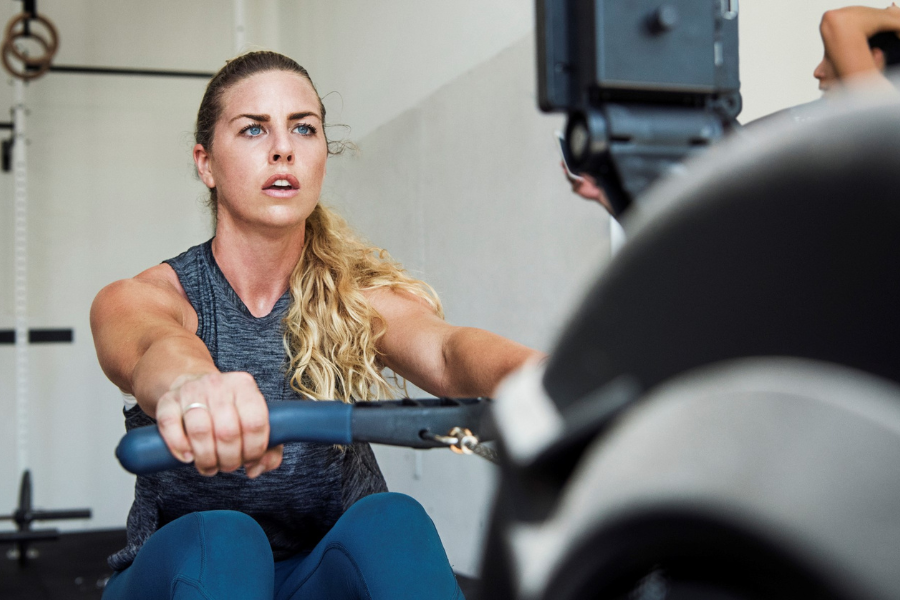
A rowing machine can turn short, focused sessions into big fitness wins. Rowing machine HIIT workouts combine high intensity with low impact so you can burn calories, build endurance, and strengthen your whole body in as little as 10 to 20 minutes (PureGym). If you want more from your cardio routine without spending longer at the gym, HIIT rowing is a smart place to start.
Below, you will learn how HIIT works on a rower, why it is effective for weight loss and health, and get simple, ready-to-use workouts for beginners and more advanced exercisers.
Understand what HIIT rowing is
High intensity interval training, or HIIT, means you alternate short bursts of hard effort with easier recovery periods. On a rowing machine, this might look like 30 seconds of powerful rowing followed by 90 seconds of gentle paddling.
Compared with steady rowing at one pace, rowing machine HIIT workouts push your heart rate higher for brief periods. Many protocols aim for 80 to 95 percent of your maximum heart rate during work intervals and 40 to 50 percent during recovery (Garage Gym Reviews). This spike in effort increases calorie burn during your session and for a short time after you finish.
HIIT on a rower also mimics the demands of competitive rowing, where you produce explosive power then partially recover. Over time this style of training can improve both your cardiovascular fitness and your anaerobic energy systems (NordicTrack).
Learn why rowing HIIT is so effective
If you are deciding between different cardio options, it helps to understand what sets rowing apart.
Rowing uses almost your entire body. You recruit your legs, glutes, core, back, and arms, in fact nearly 85 percent of major muscle groups are involved (NordicTrack). Because so much muscle is working at once, your heart rate rises quickly and you burn more energy in less time.
The movement is also low impact. You work against the resistance of the flywheel instead of pounding your joints like you might with running or plyometrics, which can make HIIT rowing more sustainable if you have sensitive knees or ankles (Garage Gym Reviews).
During HIIT, the high effort intervals burn a lot of calories immediately. Then, as your body recovers, you continue to use more energy, often referred to as an afterburn effect. That is why performing HIIT on a rowing machine can burn more calories in a shorter time compared with steady-state rowing and can be an efficient approach for fat loss and cardiovascular improvement (PureGym).
Rowing can burn up to 800 calories per hour, depending on your size and effort level, while targeting your quads, hamstrings, back, abdominals, arms, shoulders, and calves (Daily Burn). The combination of cardio, moderate strength work, and joint friendliness makes it an appealing choice if you want weight loss and better health without punishing impact.
Master the basics of rowing form
Good technique makes every interval safer and more effective. Before you add speed, you want your stroke pattern to feel natural.
The rowing stroke has two main phases: the drive and the recovery. During the drive, the ideal power distribution is about 60 percent from your legs, 20 percent from your core, and 20 percent from your arms (Daily Burn). This lower body focus protects your back and shoulders and lets you generate more force.
The order of movement is just as important. To execute a clean drive:
- Push with your legs first.
- When your legs are almost straight, lean back slightly at the hips.
- Finally, pull the handle toward your lower ribs with your arms.
This sequence, legs then body then arms, prevents you from yanking with your upper body and reduces strain on your shoulders and elbows (Daily Burn).
On the way back to the starting position, reverse that order. Extend your arms, hinge forward at the hips, then bend your knees to slide forward. Aim for a 1 to 2 ratio between the fast drive and the slower recovery. In practice, that means a quick, powerful push followed by a more relaxed glide back, which keeps your movement smooth and avoids jerky strokes (Daily Burn).
Throughout, keep your core active. Engaging your abdominal and lower back muscles links your upper and lower body so you can transfer force efficiently and maintain a strong posture, especially when intervals get intense (Daily Burn).
Warm up before every HIIT session
You should never jump straight into all-out intervals from a cold start. A short warm up prepares your muscles and joints and helps you settle into good form.
Give yourself 5 to 10 minutes before the first hard interval. Start with easy rowing at a comfortable pace, then gradually build your intensity toward a moderate effort. Add a few dynamic movements off the machine if you like, such as leg swings, hip circles, or arm circles.
A proper warm up raises your heart rate, lubricates your joints, and lets you rehearse the leg-body-arm pattern you will use at higher speeds. This step becomes more important as your HIIT intervals get shorter and more intense (PureGym).
Try beginner-friendly rowing HIIT workouts
If you are new to HIIT or rowing in general, start simple. Your focus should be on consistent technique and controlled effort, not on maxing out your speed from day one.
1. Intro 30/90 interval workout
This structure is a common starting point for beginners and follows scientific protocols referenced in 2024. You row hard for 30 seconds, then rest or row very lightly for 90 seconds. Over time, you gradually shorten the rest as your fitness improves (NordicTrack).
Try this version:
- Warm up for 5 to 8 minutes at easy to moderate pace
- 8 rounds of:
- 30 seconds strong effort (about 7 out of 10 intensity)
- 90 seconds easy rowing or complete rest
- Cool down for 5 minutes at light pace
Keep your stroke rate moderate at first. Think more about pushing hard through your legs and less about racing the handle back and forth.
2. Gentle ladder for building confidence
A ladder or pyramid workout lets you taste different interval lengths without overwhelming you.
Here is a sample 15 to 18 minute ladder after your warm up:
- 20 seconds hard, 40 seconds easy
- 30 seconds hard, 60 seconds easy
- 40 seconds hard, 80 seconds easy
- 50 seconds hard, 100 seconds easy
Then go back down:
- 40 seconds hard, 80 seconds easy
- 30 seconds hard, 60 seconds easy
- 20 seconds hard, 40 seconds easy
This pattern keeps things interesting while giving you more recovery than work. As the intervals get longer, you adjust your intensity so that you can still finish the session with good form.
If you are brand new to rowing, many coaches suggest spending a few weeks with slow, steady sessions to nail your technique, then adding one short HIIT workout per week. Starting at 15 minutes or less helps you avoid overtraining and gives your body time to adapt (Garage Gym Reviews).
Progress to intermediate and advanced HIIT workouts
Once you feel comfortable maintaining strong form during basic intervals, you can challenge yourself with more demanding patterns. These sessions are still relatively short, but they work you closer to your limits.
3. Tabata-style 20/10 blasts
Tabata intervals are famous for being tough and efficient. On the rower, you follow 20 seconds of very hard effort with 10 seconds of rest, repeated several times.
A typical Tabata block is 8 rounds, which lasts 4 minutes. One approach is:
- Warm up for 8 to 10 minutes
- Tabata block 1: 20 seconds all-out, 10 seconds rest x 8
- Rest 3 minutes with easy rowing
- Optional Tabata block 2: repeat the same pattern
- Cool down for 5 to 8 minutes
In total, this workout can take around 15 to 20 minutes. Because the work intervals are so intense and the recoveries so short, you should not expect to maintain a sprint for all 20 seconds. Aim for an effort that feels like 9 out of 10, while keeping your stroke powerful and controlled (PureGym).
4. 10-20-30 interval workout
The 10-20-30 style balances intensity and recovery in a single minute. You row at three different effort levels without needing to watch the clock constantly.
One round looks like this:
- 30 seconds at easy pace
- 20 seconds at moderate pace
- 10 seconds at near-maximal pace
You can repeat this 1 minute sequence 5 to 10 times, then take a longer break of 2 to 3 minutes before another set. Many people find this format mentally easier to handle because there is always a change coming soon. It also helps you practice pacing and smooth transitions between speeds (PureGym).
5. Pyramid endurance builder
If you want a slightly longer session that still counts as HIIT, try a pyramid workout where intervals grow longer, then shorter again.
For example:
- 1 minute hard, 1 minute easy
- 2 minutes hard, 2 minutes easy
- 3 minutes hard, 3 minutes easy
- 2 minutes hard, 2 minutes easy
- 1 minute hard, 1 minute easy
This style builds mental toughness and endurance while keeping a clear structure. Pace your longer intervals at around 7 to 8 out of 10 intensity rather than an all-out sprint. Pyramid HIIT sessions like this are commonly recommended for endurance on rowing machines (PureGym).
Plan how often to do HIIT rowing
You do not need to do HIIT every day to see results. In fact, too many intense sessions back to back can work against you.
A good general guideline for most people is:
- Beginners: 1 rowing machine HIIT workout per week
- Intermediate: 2 to 3 HIIT sessions per week
- Advanced: up to 4 HIIT sessions per week if recovery, sleep, and nutrition are solid
Rowing machine HIIT workouts performed 2 to 4 times per week can offer significant cardiovascular and muscular benefits while still allowing your body to recover (NordicTrack).
On non HIIT days, you can still use the rower at an easy or moderate pace, or combine it with strength training and other low impact activities like walking or cycling. Mixing interval durations and workout styles also helps prevent boredom and keeps your progress steady (PureGym).
Quick rule of thumb: if you are still very sore or unusually tired, swap your planned HIIT day for light movement and recovery instead.
Use practical tips to stay safe and consistent
A few small habits can make your rowing machine HIIT workouts more enjoyable and sustainable.
First, always check your form at the start of each session. Think legs first, then core, then arms on the drive, and reverse that order on the recovery. If you feel your lower back or shoulders working harder than your legs, slow down and reset.
Second, pace your progress. Increase only one variable at a time. You might add a few intervals, shorten your rest periods slightly, or turn up your effort level, but not all three in the same week. This measured approach reduces your risk of overuse injuries.
Third, pay attention to how you feel during and after sessions. Short HIIT rowing workouts can raise your heart rate quickly and maximize calorie burn, but you should still be able to speak a few words during recovery and feel your breathing return toward normal within several minutes of finishing (Garage Gym Reviews).
Finally, cool down properly. Finish each session with 5 to 10 minutes of easy rowing at low intensity, followed by gentle stretches for your hips, hamstrings, and upper back. Cooling down helps your heart rate come down gradually and can reduce stiffness the next day (PureGym).
Key takeaways
- Rowing machine HIIT workouts alternate short bursts of hard rowing with easier recovery to build fitness, strength, and endurance in as little as 10 to 20 minutes (PureGym).
- Rowing engages nearly 85 percent of major muscle groups while staying low impact, which supports calorie burn and joint health at the same time (NordicTrack).
- Solid form, especially driving with your legs and keeping a 1 to 2 drive to recovery ratio, protects you from injury and improves performance (Daily Burn).
- Start with beginner intervals, such as 30 seconds hard and 90 seconds easy, then progress toward formats like Tabata, 10-20-30, and pyramid workouts as your fitness grows.
- Limit HIIT rowing to 2 to 4 times per week, with proper warm ups, cool downs, and recovery days to keep your progress consistent.
You do not have to overhaul your entire routine to benefit from HIIT rowing. Try replacing one regular cardio session this week with a simple 30/90 interval workout and notice how your body responds. Over time, these short, focused sessions can become a reliable tool for weight loss, stronger cardio, and better overall health.
About the Author