A lot of people hear about “probiotics for weight loss” and hope they have finally found an easy fix. The reality is more nuanced. Probiotics can support weight management and metabolic health, but they are not a magic pill and they will not replace a balanced diet or movement.
What they can do is quietly shift conditions in your gut in a way that makes healthy weight loss a bit more achievable and a bit more sustainable.
What probiotics actually are
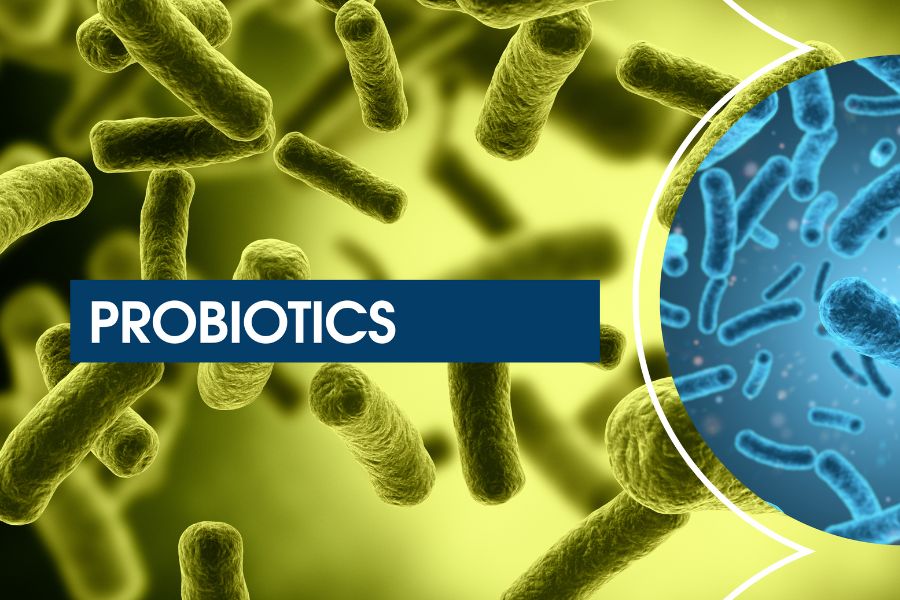
Probiotics are live microorganisms that provide a health benefit when you consume them in adequate amounts. You mostly meet them in fermented foods, such as yogurt, kefir, kimchi, sauerkraut, kombucha, and in dietary supplements.
Research has linked probiotics to benefits for digestion, immune function, and heart health, and some studies suggest they can also support weight loss and fat reduction in specific situations (Healthline).
When you take probiotics, you are adding specific strains of bacteria to your existing gut ecosystem. Those strains interact with your current microbes, the food you eat, and your immune system. From there, they can influence how your body handles calories, fat, and inflammation.
How your gut and weight are connected
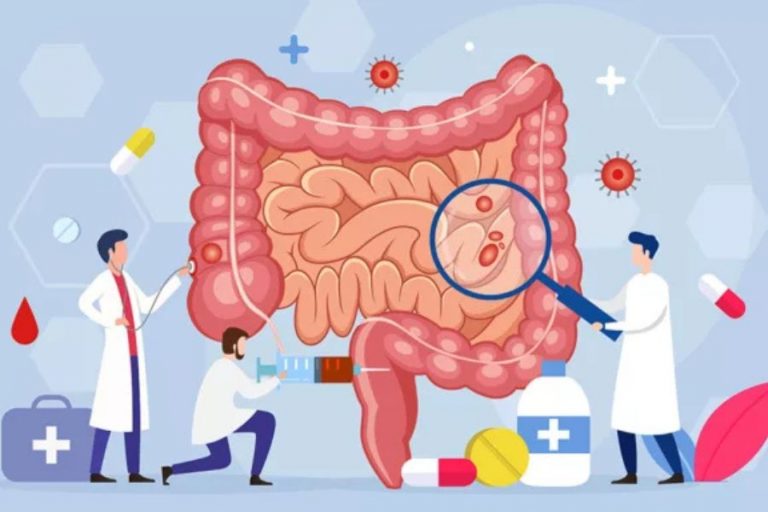
To understand why probiotics for weight loss are even a topic, it helps to look at your gut microbiome. This is the community of bacteria, fungi, and other microbes that live in your digestive tract.
Researchers have noticed some consistent patterns:
- People with obesity tend to have a different balance of gut bacteria compared to people with moderate weight. In particular, they often have more Firmicutes, fewer Bacteroidetes, and less overall diversity (Healthline).
- An imbalanced gut microbiome can increase inflammation and disrupt hormones like insulin, which can make weight gain more likely and weight loss more difficult (Cleveland Clinic).
- Studies on fecal microbiota transplants show that when gut bacteria from a person with obesity are transferred to someone without obesity, the recipient can gain weight, which strongly suggests that gut microbes influence body weight (Cleveland Clinic).
So the logic is simple: if your gut bacteria can contribute to weight gain, then adjusting them with probiotics might help support weight loss. The details, however, are very specific.
How probiotics may support weight loss
You can think of probiotics as small helpers that create a more weight friendly internal environment. They do not burn calories for you, but there are several ways they may make your efforts more effective.
1. Affecting how you absorb and store fat
Some probiotic strains appear to reduce how much dietary fat you absorb and increase how much you excrete in your stool. Others may nudge your body to use more fat for energy.
- Certain Lactobacillus strains have been shown to inhibit fat absorption, decrease inflammation, and increase fat excretion, which can help reduce body weight, visceral fat, and waist circumference (Healthline).
- Probiotics can also increase production of short-chain fatty acids, which may promote fat burning and reduce fat storage, linking your gut microbiome to metabolic regulation (Spark Mental Health).
2. Influencing appetite and fullness
Some strains seem to affect appetite-regulating hormones that tell you when you are hungry or full.
For example, Lactobacillus rhamnosus CGMCC1.3724 supported sustainable weight loss in women, in part by influencing appetite hormones and increasing fullness signals (Spark Mental Health). In practice, that might translate to fewer intense cravings and an easier time sticking to a calorie deficit.
3. Reducing inflammation and improving insulin sensitivity
Chronic low-grade inflammation can drive weight gain and make it harder to lose weight. It can also contribute to insulin resistance, which pushes your body to store more fat.
- Some Bifidobacterium lactis strains, especially B420, have been associated with better insulin sensitivity and less inflammation, which are both useful when you are trying to lose weight or prevent further gain (Spark Mental Health).
- A three month intervention in obese women that combined a calorie controlled high fiber diet, probiotic yogurt with Lactobacillus acidophilus and Bifidobacteria, and regular exercise led to significant drops in body weight, BMI, waist and hip circumference, fat percentage, and inflammation-related markers such as leptin and liver enzymes (Scientific Reports).
4. Supporting a healthier overall microbiome
Sometimes the most important effect is simply nudging your gut community toward a more balanced state.
In the Egyptian study mentioned above, probiotic and prebiotic intake plus exercise increased Lactobacillus, Bifidobacteria, and Bacteroidetes, and reduced the Firmicutes/Bacteroidetes ratio, with parallel improvements in BMI, fat mass, and metabolic markers (Scientific Reports).
You can think of this as shifting the overall balance of gut microbes in a direction that supports, rather than fights, your weight loss goals.
What the research actually shows
There is a lot of hype around probiotics for weight loss, so it is worth zooming in on the evidence.
Meta analyses and clinical trials
- A 2025 meta analysis found that people who took probiotics lost more weight than those who took a placebo, suggesting probiotics can support weight management efforts (Spark Mental Health).
- A systematic review of six randomized, double blind, placebo controlled trials in adults with excess weight or obesity reported that probiotic supplementation without dieting led to significant reductions in body weight and BMI in about two thirds of the studies, and significant reductions in waist circumference in 80 percent of them (Obesity Science & Practice).
- This review also noted that combinations of Bifidobacterium and Lactobacillus strains were often more effective for weight and body composition changes than individual strains in isolation (Obesity Science & Practice).
There are some standout strains:
- Lactobacillus gasseri consumption for 12 weeks led to an average 8.5 percent reduction in abdominal fat in one study, likely by reducing fat absorption and inflammation in fat tissue (Spark Mental Health).
- In other research, Lactobacillus gasseri significantly reduced body weight, BMI, waist circumference, body fat mass, and visceral fat, even without enforced calorie restriction, although more research is needed (Healthline).
- Bifidobacterium animalis subsp. lactis 420 and Lactobacillus sakei CJLS03 repeatedly showed positive effects on body fat, total fat, BMI, and waist circumference when used alone in overweight or obese adults (Obesity Science & Practice).
At the same time, not all studies are positive:
- A six month trial of the probiotic compound AB001 (Bacillus subtilis and Bacillus coagulans) in adults with overweight found no significant difference in weight loss compared with placebo in the first three months. Only in a later open label phase, at higher doses taken for six months total, did participants see modest weight loss of about 1.9 kg, along with small improvements in BMI, waist circumference, and blood pressure (Scientific Reports).
- The authors noted a possible dose response relationship, but the amount of weight lost was still below the typical threshold for meaningful cardiometabolic improvement (Scientific Reports).
Taken together, these results say that probiotics can help, especially when you choose well studied strains and combine them with good nutrition and movement. They do not say that probiotics alone will cause dramatic weight loss.
Important caveats
Several important points repeat across credible sources:
- The connection between probiotics and weight loss is strain specific. Some strains help with appetite, fat metabolism, or inflammation, while others do nothing or even promote weight gain (Seed).
- Certain Lactobacillus acidophilus strains, for example, have been linked to weight gain in some contexts, which shows that probiotics are not automatically “slimming” (Seed).
- Some probiotic effects may differ by gender. Lacticaseibacillus rhamnosus CGMCC1.3724, for instance, supported weight loss in women but not men in clinical trials (Seed).
- Most weight related benefits take at least 8 to 12 weeks to appear, and any weight change is usually modest and strongly influenced by your diet and activity level (Seed).
The Cleveland Clinic points out that there is still little strong evidence that probiotic supplements directly cause weight loss on their own. Instead, a healthier microbiome may indirectly support weight loss by reducing inflammation and hormone disruptions, such as insulin resistance (Cleveland Clinic).
How to choose probiotics for weight loss
If you want to try probiotics with weight management in mind, it helps to be selective. The label “contains probiotics” is not enough.
Look for these details:
- Specific strains, not just species. “Lactobacillus gasseri” is helpful, but “Lactobacillus gasseri SBT2055” is even better because that is the level used in several abdominal fat studies (Seed).
- Evidence backed strains for weight outcomes. Examples from current research include Lactobacillus gasseri, Lactobacillus sakei CJLS03, Bifidobacterium animalis subsp. lactis 420, and Bifidobacterium lactis B420 (Spark Mental Health, Obesity Science & Practice).
- Combination formulas. Blends that include several Lactobacillus and Bifidobacterium strains often show better results for body weight, BMI, waist circumference, and fat mass than single strain products (Obesity Science & Practice).
- Realistic doses and time frames. Most studies last at least 8 to 12 weeks, and some up to 6 months. Expect to commit for at least three months before you judge your results (Seed).
It is also wise to talk with your healthcare provider, especially if you have underlying conditions, take medications, or are pregnant or breastfeeding. Although probiotics are generally considered safe, they still actively interact with your biology.
How to get the most from probiotics
The same probiotic can behave differently in two people depending on what else is happening in their lives. You give probiotics the best chance to help when your daily habits support a healthy gut.
Pair probiotics with prebiotic fiber
Prebiotics are the types of fiber that feed beneficial gut bacteria. When you consume both, you make it easier for helpful strains to survive and thrive.
Try to include plenty of:
- Vegetables and fruits
- Whole grains
- Legumes like beans and lentils
In the Egyptian weight loss study, a hypocaloric, adequate fiber diet plus probiotics and exercise produced significant improvements in weight, body fat, and metabolic markers over three months (Scientific Reports). The diet and movement clearly mattered.
Keep diet quality in focus
The Cleveland Clinic emphasizes that a balanced diet rich in fiber from fruits, vegetables, whole grains, and legumes, along with regular exercise, is likely more effective for weight management than probiotics alone (Cleveland Clinic).
You can think of probiotics as a supporting tool. Your daily food choices and movement pattern are still the foundation.
Give it time and monitor your response
Since many probiotic studies run for three months or more, it makes sense to:
- Choose a probiotic formula that uses well studied strains.
- Take it consistently, ideally with food, for at least 8 to 12 weeks.
- Track not only weight, but also waist circumference, digestion, energy, and cravings.
If you notice no change at all after several months, consider a different strain, a combination formula, or shifting your primary focus back to diet and lifestyle.
When probiotics might not be the right focus
There are situations where you might want to pause before investing heavily in probiotics for weight loss:
- You are hoping for fast, dramatic results without changing anything else. Current evidence does not support this.
- You have complex medical conditions, a compromised immune system, or you are recovering from serious illness. In these cases, always work with a clinician before adding live microbe supplements.
- Your basic nutrition pattern is highly processed and low in fiber. In this context, improving your day to day meals will almost certainly have a bigger impact than any supplement.
There is also the reality that probiotics do not work the same for everyone. Some people will feel digestive and energy benefits with little change to weight, others will see subtle shifts in appetite and body composition, and some will feel nothing at all.
Key takeaways
Using probiotics for weight loss is less about a single capsule and more about nudging your inner ecosystem in your favor.
To recap:
- Your gut microbiome appears to influence body weight, inflammation, and hormone balance, so it is a logical target for weight support.
- Specific probiotic strains, particularly certain Lactobacillus and Bifidobacterium, have been shown to modestly reduce body weight, BMI, waist circumference, and abdominal fat in some studies (Healthline, Obesity Science & Practice).
- Effects are modest, strain specific, and often take at least 8 to 12 weeks. Some strains may even promote weight gain (Seed).
- The best results appear when probiotics are combined with a calorie appropriate, high fiber diet and regular physical activity, not used as a standalone solution (Cleveland Clinic, Scientific Reports).
If you are curious, you might start by improving your intake of fermented foods and fiber rich plants, then, if it makes sense, add a targeted supplement that lists well studied strains. Use it as one helpful tool in a broader, sustainable approach to your health, rather than as the entire plan.
About the Author