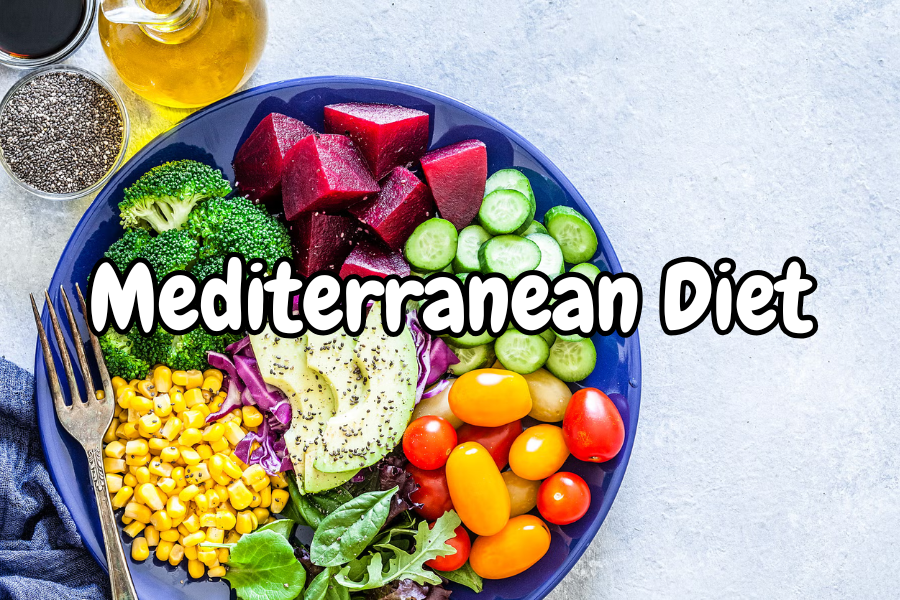
A Mediterranean diet for beginners is less about strict rules and more about learning a new, enjoyable way to eat. Instead of counting every calorie, you focus on whole, flavorful foods that support your heart, brain, and a healthy weight (Healthline). If you are ready to improve your health without giving up satisfying meals, this approach can be a realistic place to start.
What the Mediterranean diet really is
The Mediterranean diet is based on the traditional foods of countries that border the Mediterranean Sea, such as Greece, Italy, Spain, and France. You center your meals around vegetables, fruits, whole grains, beans, lentils, nuts, seeds, and healthy fats, especially extra virgin olive oil. Fish and seafood show up often, while red meat, sweets, and heavily processed foods play a smaller role (Cleveland Clinic).
Instead of a short term diet, you follow a flexible pattern. You can adapt it to your cultural preferences, choose vegetarian or gluten free options, and still stay within the Mediterranean framework (Cleveland Clinic).
Key health benefits you can expect
One reason the Mediterranean diet for beginners is so popular is that the benefits are backed by decades of research. By focusing on whole, minimally processed foods and healthy fats, you may see improvements in several areas of your health.
Researchers and clinicians highlight that this style of eating can:
- Lower your risk of cardiovascular disease and support overall heart health (Cleveland Clinic, UC Davis Health)
- Help stabilize blood sugar and support diabetes prevention or management (Healthline)
- Reduce the risk of metabolic syndrome, certain cancers, and depression (Harvard Health Publishing)
- Support brain health and may be linked to fewer signs of Alzheimer’s pathology in older adults (EatingWell)
- Help with weight loss and long term weight maintenance when you practice portion control and stay active (UC Davis Health)
You also benefit from the lifestyle pieces that go with the diet, such as moving your body regularly and enjoying meals with others, which support mental and emotional well being (Harvard Health Publishing).
Core foods to focus on
When you are new to this way of eating, it helps to think in food groups rather than rigid meal plans. Your plate becomes mostly plant based, with animal foods used more selectively.
Everyday basics
You will lean on these foods most days:
- Vegetables such as chard, broccoli, tomatoes, leafy greens, peppers, and onions
- Fruits like grapes, berries, citrus, apples, and stone fruits
- Whole grains including oats, brown rice, farro, whole wheat bread, and buckwheat
- Legumes such as lentils, chickpeas, black beans, and white beans
- Nuts and seeds like almonds, walnuts, sunflower seeds, and pistachios
- Healthy fats, especially olives and extra virgin olive oil (Healthline, Cleveland Clinic)
Extra virgin olive oil is a standout ingredient. It has a favorable fat profile and is rich in antioxidants that protect your heart, brain, and help lower inflammation (Cleveland Clinic).
Protein choices
You still eat protein, but the sources and frequency shift:
- Fish and seafood appear a few times per week
- Poultry and eggs show up in moderate amounts, such as 2 to 4 egg servings weekly (Healthline)
- Fermented dairy like yogurt and cheese is used in small to moderate portions
- Red meat and processed meats are limited to occasional meals, not daily fare (EatingWell)
If you are vegetarian or need to avoid gluten, you can lean more on beans, lentils, nuts, and seeds for protein, and swap gluten containing grains for gluten free options, ideally with a dietitian’s support if you have specific medical needs (Cleveland Clinic).
Foods to limit
You do not have to cut any food completely unless your doctor tells you to, but you keep certain items in the “less often” category:
- Sugary drinks and sweets
- Refined grains, such as white bread and pastries
- Highly processed snacks
- Foods very high in unhealthy fats, sugar, and sodium, which are tied to heart disease and type 2 diabetes (UC Davis Health)
Some people also include low to moderate amounts of red wine with meals, but only in small servings and only if it is safe for you to drink at all (Healthline). If you do not drink alcohol, you do not need to start.
How to start the Mediterranean diet slowly
If your current eating habits look very different from a Mediterranean pattern, starting small will make it easier to stick with. Healthcare providers and nutrition experts often suggest one change at a time so your new habits actually last (Harvard Health Publishing, UC Davis Health).
You might try a weekly sequence like this:
- Week 1: Swap butter or margarine for extra virgin olive oil when you cook or dress salads.
- Week 2: Add at least one serving of vegetables to both lunch and dinner.
- Week 3: Replace red meat in two meals with fish, beans, or lentils.
- Week 4: Choose whole grain bread, rice, or pasta instead of refined versions most days.
- Week 5: Plan one fully Mediterranean style dinner with family or friends and make it a recurring habit.
By layering these steps, you reduce the pressure to “eat perfectly” and simply move closer to the pattern that supports your health.
Simple Mediterranean style meal ideas
You do not have to follow a rigid 7 day plan to get started. Instead, aim for simple, repeatable meals that fit your routine and budget. Dietitians who design beginner plans often target about 1,200 to 1,400 calories per day, with easy ways to scale up to 1,500 or 2,000 calories by adding nutrient dense foods like whole wheat English muffins, nut butters, almonds, and extra fruit (EatingWell).
You can adapt ideas like:
- Breakfast: Greek yogurt topped with berries, a drizzle of honey, and a sprinkle of walnuts, or whole grain toast with avocado and a boiled egg
- Lunch: A big salad with mixed greens, chickpeas, chopped vegetables, olives, and olive oil vinaigrette, plus a slice of whole grain bread
- Dinner: Baked salmon or cod with lemon and herbs, served with roasted vegetables and a side of brown rice or farro
- Snacks: Fresh fruit, a small handful of nuts, sliced veggies with hummus, or a piece of cheese with whole grain crackers
Start by updating one meal each day. As you find combinations you enjoy, you can rotate them so that planning and shopping feel easier.
Lifestyle habits that boost your results
A Mediterranean diet for beginners is not only about what you put on your plate. The traditional pattern also emphasizes movement, social connections, and enjoyment.
People who follow this way of eating tend to:
- Cook more at home using simple, fresh ingredients
- Take time to sit and enjoy meals, often with family or friends
- Incorporate regular physical activity, such as walking or other forms of movement built into daily life (EatingWell, Harvard Health Publishing)
These habits make it easier to stay consistent and may explain some of the broad health benefits associated with the diet.
Think of the Mediterranean diet as a long term lifestyle shift, not a quick challenge to complete and then abandon.
When to talk with your doctor or dietitian
If you have a chronic condition like diabetes, heart disease, digestive issues, or food allergies, you should check in with your primary care provider or a registered dietitian before making big changes. Experts recommend tailoring the Mediterranean Diet to your personal medical history, preferences, and nutritional needs so it fits your life and does not feel repetitive or overly restrictive (Cleveland Clinic).
A professional can help you:
- Decide how many calories you need for healthy weight loss or maintenance
- Adjust carbohydrate intake if you manage blood sugar
- Plan vegetarian or gluten free variations without missing key nutrients
Bringing a few sample meal ideas or a food journal to your appointment can make that conversation more practical.
Putting it all together
If you are starting your healthy journey with a Mediterranean diet for beginners, you do not need to overhaul your kitchen overnight. Begin with one or two realistic changes, such as switching to extra virgin olive oil and adding vegetables to your usual dinners. As those steps become routine, add more whole grains, legumes, and seafood, while shrinking portions of red meat and sweets.
Over time, those small choices add up. You will be eating more colorful, nutrient dense foods, supporting your heart and brain, and moving closer to a way of eating that is both sustainable and enjoyable for the long run.
About the Author