A keto diet for beginners can feel like a big shift, but it does not have to be confusing or extreme. With a simple plan, realistic expectations, and a focus on real food, you can use keto to support weight loss and better health without feeling deprived.
Below, you will learn exactly what the ketogenic diet is, how it works, what you can eat, common side effects, and how to decide whether it fits your life.
Understand what the keto diet is
At its core, a ketogenic diet is very low in carbohydrates, higher in fat, and moderate in protein. When you keep carbs low enough, your body switches from burning sugar for fuel to burning fat. This fat-burning state is called ketosis.
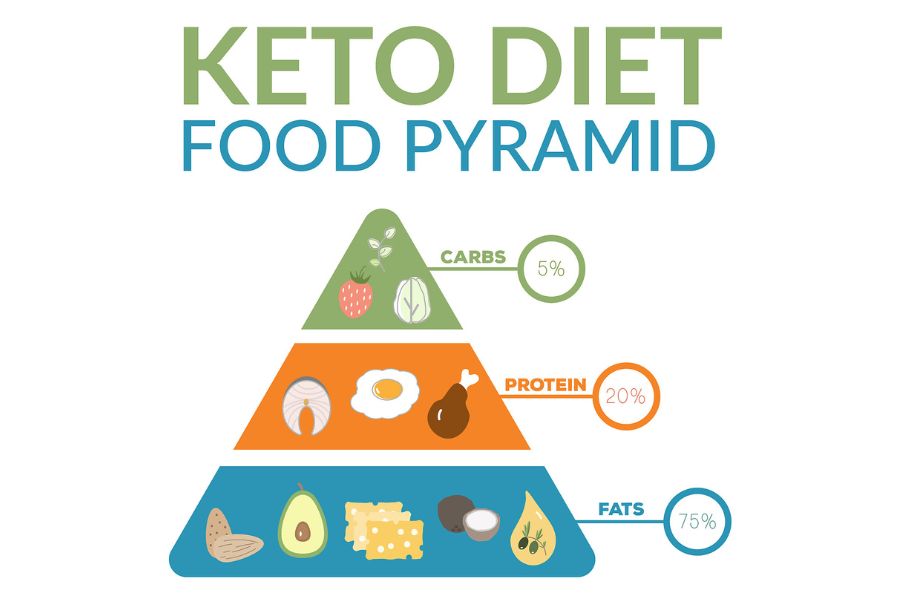
Many beginner keto plans limit you to about 20 grams of net carbs per day, which is usually less than 5 to 10 percent of your daily calories, with fat around 60 to 75 percent and protein around 20 to 35 percent (Diet Doctor). Keeping carbs this low encourages your liver to produce ketones, which your cells can use for energy instead of glucose.
You will often see a broader range of 20 to 50 grams of carbs per day for a keto diet for beginners. The exact number that works best for you depends on your body size, activity level, and health history (Healthline).
How ketosis supports weight loss
When you eat fewer carbs, your blood sugar and insulin levels drop. Lower insulin makes it easier for your body to tap into stored fat and use it for fuel. Studies suggest that keto diets can lead to greater weight loss compared to low fat diets, partly because of this hormonal shift and partly because you naturally feel less hungry (Diet Doctor, Healthline).
The first few pounds often come from water loss as your body uses stored glycogen, which is the carbohydrate stored in your muscles and liver. After that, fat loss becomes the main driver of weight change (Northwestern Medicine).
Know the potential benefits
You might be drawn to a keto diet for beginners for fast weight loss, but the benefits can reach beyond the scale. Research has explored keto for several health conditions.
Weight loss and appetite control
If you have struggled with hunger on other diets, keto may feel different. Very low carb, high fat eating tends to reduce appetite, which can make it easier to eat fewer calories without white-knuckling your way through cravings. This effect is supported by multiple systematic reviews and meta analyses (Diet Doctor).
In one analysis, people on keto lost slightly more weight over the long term than those on low fat diets, and they also saw improvements in triglycerides and diastolic blood pressure (Healthline).
Blood sugar and insulin sensitivity
If you live with type 2 diabetes, prediabetes, or insulin resistance, you probably know that carbohydrates have the biggest impact on blood sugar. By reducing carbs sharply, keto can help lower blood sugar and improve insulin sensitivity.
Studies have shown that very low carb ketogenic diets with under 20 grams of carbs per day can reduce HbA1c and even allow some people with type 2 diabetes to reduce or discontinue blood sugar medications under medical supervision (Diet Doctor, Cureus, Healthline).
Other possible health effects
Research is ongoing, but early work suggests keto may provide benefits for:
- Metabolic syndrome and high triglycerides
- PCOS, including improved insulin levels and lower free testosterone (Cureus)
- Epilepsy, which was the original medical use of the ketogenic diet in the 1920s (Mercy, Northwestern Medicine)
For general weight loss and health, you still want to think about long term sustainability. Some studies note that the strongest benefits often appear within 6 to 12 months and may fade if you return to old habits (Cureus).
Learn what you can eat
A keto diet for beginners works best when you focus on whole, minimally processed foods. Instead of counting every bite, you can structure your plate around three main ideas: very low carb, moderate protein, and plenty of healthy fat.
Keto friendly foods
Most of your meals will come from:
- Meat and poultry, such as beef, chicken, pork, turkey
- Fatty fish, including salmon, sardines, and mackerel
- Eggs, which are filling and do not seem to harm cholesterol levels in healthy people on keto (Diet Doctor)
- Non starchy vegetables like leafy greens, broccoli, cauliflower, zucchini, bell peppers, and asparagus
- Healthy fats, such as olive oil, avocado oil, butter, ghee, olives, and avocados
- Nuts and seeds, especially macadamias, pecans, walnuts, chia, and flaxseeds
- Full fat dairy, such as cheese, heavy cream, and plain Greek yogurt, as tolerated
Experts recommend prioritizing unsaturated fats like olive oil and omega 3 rich foods such as salmon and sardines because these fats may be more supportive of heart health and lower inflammation than relying mainly on bacon and cheese (Everyday Health, Northwestern Medicine).
Foods to limit or avoid
To stay in ketosis, you will need to keep most high carb foods off your regular menu. These include:
- Sugar in all forms such as table sugar, honey, maple syrup, agave, and most desserts
- Grains like bread, pasta, rice, oats, and tortillas
- Starchy vegetables, including potatoes, sweet potatoes, corn, and peas
- Most fruits, especially bananas, grapes, and mango
- Sweetened drinks, including soda, sweet tea, juice, and many flavored coffee beverages
- Many packaged snacks, such as crackers, chips, and granola bars
You do not have to avoid vegetables or fruit completely, but you will be selective. Non starchy vegetables and small portions of lower sugar fruits like berries tend to fit better with keto targets.
A simple keto day for beginners
Here is an example of what a very low carb day might look like:
- Breakfast: Scrambled eggs cooked in butter with spinach and a side of avocado
- Lunch: Grilled salmon over a big salad with leafy greens, cucumber, olives, feta, and olive oil dressing
- Snack: A small handful of macadamia nuts
- Dinner: Roasted chicken thighs with cauliflower mash and sautéed green beans in garlic and olive oil
Plans like a 14 day keto meal plan can also guide you through your first two weeks with recipes designed to keep net carbs under 20 grams per day without forcing you to track every gram (Diet Doctor).
Prepare for common side effects
When you switch from a high carb pattern to a keto diet for beginners, your body needs time to adapt. In the first days or weeks, you might feel off. This adjustment period is often called the keto flu.
What the “keto flu” feels like
Keto flu is not an infection. It is a bundle of symptoms some people notice as they move into ketosis, such as:
- Headache
- Fatigue or low energy
- Nausea
- Dizziness or lightheadedness
- Brain fog
- Irritability
- Constipation or, less often, diarrhea
These symptoms often begin a few days after cutting carbs, can peak around the first week, and usually resolve within about four weeks as your body adjusts (Everyday Health, Healthline, Mercy).
Hydration and electrolytes
Part of the reason you might feel rough at first is that your body sheds water and sodium when you lower carbs. Glycogen stores bind water, and as you use that glycogen, you urinate more and lose electrolytes.
To offset this, you can:
- Drink water throughout the day and aim for roughly half your body weight in ounces, unless your doctor has given you different guidance (Everyday Health)
- Season your food with salt and consider a daily cup of salted broth or bouillon, especially in the first week (Diet Doctor)
- Include magnesium and potassium rich keto foods, like leafy greens, nuts, and seeds
If you feel dizzy, have heart palpitations, or experience severe symptoms, reach out to a healthcare professional promptly.
Many early keto side effects are temporary and respond well to increased fluids, electrolytes, and a gradual reduction of carbs.
Easing into keto
Although some beginner programs recommend dropping to under 20 grams of net carbs right away, some nutrition experts suggest tapering your carb intake over a week or two. For example, you might start under 100 grams, then move to 50 grams, then to 20 to 30 grams per day. This slower shift can be more comfortable and may reduce keto flu symptoms (Everyday Health).
Be aware of risks and limitations
A keto diet is not a magic solution, and it is not right for everyone. Understanding the potential downsides helps you make a more informed choice.
Nutrient gaps and digestive issues
Because keto restricts or removes many fruits, legumes, whole grains, and some vegetables, it can be harder to meet all your vitamin, mineral, and fiber needs. This can lead to constipation, muscle cramps, fatigue, and a weaker immune response if you do not plan meals carefully (Northwestern Medicine).
Long term, some studies have raised concerns about possible risks such as:
- Kidney stones
- Fatty liver (hepatic steatosis)
- Vitamin and mineral deficiencies
- Changes in cholesterol, including higher LDL in some people (Diet Doctor, Cureus)
You can lower these risks by emphasizing nutrient dense foods, including a variety of low carb vegetables, and having regular check ins with your healthcare provider.
Adherence and mental health
Keto is, by design, strict. For many people, it is difficult to maintain long term because the list of “no” foods is long. Some people find that constant tracking and restriction leads to stress around food or even disordered eating patterns, such as binge episodes when they step off the plan (Northwestern Medicine).
You do not have to commit to keto forever. Some people use a ketogenic phase for several months, then transition to a more moderate low carb or Mediterranean style pattern that still limits sugar but allows more whole grains and fruit.
Who should be cautious or avoid keto
You should speak with a doctor before starting a keto diet for beginners if you:
- Take medications for diabetes or high blood pressure
- Have a history of kidney disease, liver disease, or pancreatitis
- Are pregnant, breastfeeding, or trying to conceive
- Have a history of eating disorders
- Are planning to use keto for seizure control
For epilepsy or other neurological conditions, medical experts stress that keto must be carefully supervised and followed precisely to be safe and effective (Mercy).
Decide if keto fits your lifestyle
Before you jump in, it can help to step back and look at your bigger goals and routines.
Ask yourself:
- What is my main goal: weight loss, blood sugar control, fewer cravings, or something else?
- Am I willing to give up most bread, pasta, and sweets for at least 8 to 12 weeks?
- Do I have support from family or friends, or at least understanding, around eating differently?
- Can I commit to meal planning, grocery shopping, and preparing simple low carb meals at home?
- Do I have medical conditions that require professional guidance before I change my diet?
If your answers point toward keto being a good fit, you can start with a clear timeframe, like, “I will follow a guided keto plan for 8 weeks, then re evaluate.” This gives you a defined experiment rather than an open ended commitment.
If the full ketogenic approach feels too strict, you can still benefit from reducing ultra processed foods, cutting sugary drinks, and building meals around protein, vegetables, and healthy fats. Even a moderate carb reduction can improve blood sugar and appetite control for many people.
Key takeaways
- A keto diet for beginners is a very low carb, high fat, moderate protein way of eating that helps your body shift into ketosis and burn more fat for fuel.
- Most beginner plans aim for 20 to 50 grams of carbs per day, with many targeting 20 grams of net carbs to reliably reach ketosis (Diet Doctor, Healthline).
- Potential benefits include weight loss, reduced hunger, improved blood sugar control, and better insulin sensitivity, especially for people with type 2 diabetes or prediabetes.
- Your meals will center on meat, fish, eggs, non starchy vegetables, nuts, seeds, and healthy fats, while avoiding sugar, grains, starchy vegetables, and most fruits.
- Early side effects like “keto flu” are common but usually temporary and can be eased with hydration, extra salt, and a gradual carb reduction (Everyday Health, Mercy).
- Long term keto can be hard to sustain and may pose risks if it is poorly planned or not medically supervised for people with certain conditions.
If you are curious about unlocking the power of the keto diet for beginners, consider talking with your doctor or a registered dietitian, then try a short, well structured trial. Pay attention to how you feel, track your progress, and adjust as needed so your plan supports both your health and your day to day life.
About the Author