A new eating pattern like intermittent fasting can feel exciting, but also a little mysterious. You might wonder when you will see your first intermittent fasting results, what kind of changes to look for, and how to tell if it is actually working for your body.
Below, you will walk through what typically happens in your first days, weeks, and months of intermittent fasting, based on current research. You will also see signs that your plan is not a good fit and when to talk with your doctor.
Understand how intermittent fasting works
Intermittent fasting (IF) is less about what you eat and more about when you eat. You rotate between periods of eating and fasting, often with a schedule like:
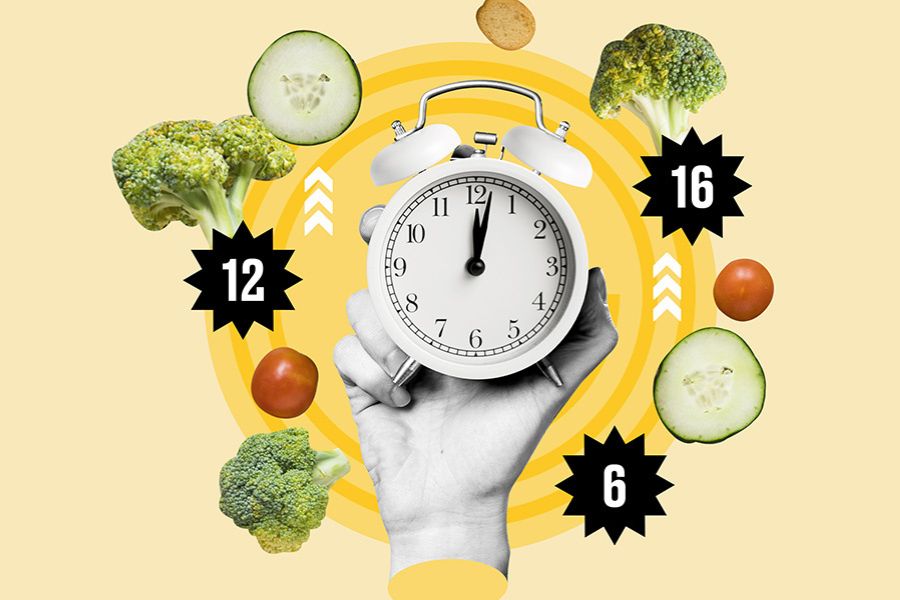
- 16:8, where you fast for 16 hours and eat within an 8 hour window
- 5:2, where you eat normally 5 days a week and eat about 500 to 600 calories on 2 nonconsecutive days
- Alternate day fasting, where you eat very little one day and normally the next
When you go at least 10 to 12 hours without food, your body begins to switch from using glucose as its main fuel to using stored fat and ketones instead. This shift is sometimes called metabolic switching or the metabolic switch. Research from Johns Hopkins and Mass General Brigham notes that this switch is a key reason intermittent fasting may support weight loss and metabolic health (Johns Hopkins Medicine, Mass General Brigham).
Over time, that change in fuel source can affect your weight, blood sugar, hormones related to appetite, and even cell repair processes like autophagy, although most of the autophagy data so far comes from animal and cellular studies (Mass General Brigham).
Your first week: what you feel before you see results
In the first 7 to 10 days, your intermittent fasting results are mostly about how you feel, not the scale.
You are asking your body to adjust to longer stretches without food. That change takes effort, and it is normal if the beginning feels a bit uncomfortable.
Common experiences in week one include:
- Hunger that peaks at your usual meal times and eases if you ride it out
- Irritability, low energy, or “brain fog” at certain points in the day
- Mild headaches, especially if you are not drinking enough water
- Trouble focusing when you are close to the end of a fast
Familydoctor.org notes that it often takes 2 to 4 weeks for your body to adapt to a new fasting pattern, and side effects such as headaches, hunger, irritability, or tiredness are common in that adjustment period (familydoctor.org).
You might notice a couple of subtle positives even this early:
- A lighter feeling in your digestion if you usually snack late at night
- Less bloating, especially if you stop grazing in the evening, something some people report within the first week of a 16:8 approach (DrRuscio.com)
If your first week feels rough, that does not automatically mean intermittent fasting is wrong for you. It often means you are in the adaptation window.
Weeks 2 to 4: early intermittent fasting results
Between weeks 2 and 4, your body usually starts to get the hang of your new rhythm. This is when you are more likely to see the first clear intermittent fasting results.
What you may notice on the scale
Many people see modest weight changes in this period, especially if fasting naturally reduces overall calories. A Canadian Medical Association Journal review found that intermittent energy restriction can be about as effective as continuous calorie restriction for weight loss in some groups, such as young overweight women (Canadian Medical Association Journal).
Clinical trials on 16:8 patterns suggest that within a few weeks, you may see small shifts in body weight as well as early improvements in insulin sensitivity and inflammation markers (DrRuscio.com).
However, not everyone loses weight quickly. If you are eating large portions or calorie dense foods during your eating window, or if stress and poor sleep are high, the scale might barely budge. That does not mean IF cannot work for you, but it does mean you may need to adjust food quality or portions.
Energy, cravings, and focus
As the metabolic switch becomes more routine, your energy may feel more stable. Some people notice:
- Fewer midafternoon crashes
- Less intense sugar cravings
- Slightly clearer focus during fasting hours
Johns Hopkins notes that as your body adapts to alternating between fed and fasted states, it may use energy more efficiently and protect brain function, though many detailed brain benefits still come from longer term and animal studies (Johns Hopkins Medicine).
If your energy feels worse at week 3 than week 1, that is a signal to check your sleep, hydration, and food choices. A fasting plan that leaves you constantly exhausted is not doing you any favors.
One to three months: measurable health changes
Between one and three months, you are more likely to see deeper intermittent fasting results, especially if you pair your schedule with mostly whole foods and regular movement.
Changes in body composition
Research suggests that intermittent fasting often leads to reductions in body fat, including the visceral and truncal fat that surrounds your organs and is strongly linked with metabolic risk. A review in Nutrients found that IF can reduce this central fat and improve hormones like leptin and adiponectin, which help regulate appetite and insulin sensitivity (Nutrients).
You may notice:
- Clothes fitting looser around your waist
- A slight shift in where your body tends to store fat
- A decrease in overall scale weight, even if it is gradual
An alternate day fasting trial found about 7 percent weight loss at 6 months, similar to traditional daily calorie restriction. At 12 months, weight loss was still around 4.5 percent in both groups, suggesting that intermittent fasting can work about as well as steady calorie cuts over time when total calories are similar (Nutrients).
Blood sugar and insulin sensitivity
If you are dealing with prediabetes or insulin resistance, this is often where some of the most meaningful health results appear.
- Time restricted feeding in prediabetic individuals has been shown to improve insulin sensitivity and reduce fasting insulin, even when blood glucose levels do not change much in the short term (Nutrients).
- Reviews highlighted by Mass General Brigham suggest IF can reduce insulin resistance and fasting insulin levels, especially when you do lose weight (Mass General Brigham).
You will not feel those shifts directly, so you may want to work with your healthcare provider to check fasting glucose, insulin, or HbA1c after a few months.
Inflammation and other health markers
Several sources point to broader metabolic benefits:
- A review in Nutrients reported improvements in dyslipidemia, blood pressure, and markers of inflammation with intermittent fasting, often linked to loss of visceral fat and better hormone balance (Nutrients).
- The Canadian Medical Association Journal notes that intermittent fasting in animal models can reduce oxidative stress and preserve learning and memory, and in one 8 week study in adults with asthma, a form of intermittent severe calorie reduction led to weight loss, reduced oxidative stress and less inflammation, plus improved asthma symptoms (Canadian Medical Association Journal).
These benefits are not guaranteed for you, but they show the range of potential changes beyond the mirror or the scale.
Six months and beyond: long term intermittent fasting results
If you stick with intermittent fasting for six months or more, your results are shaped less by the specific schedule and more by whether you have created a sustainable lifestyle around it.
Weight and maintenance
Longer trials suggest that, over a year, intermittent fasting and standard calorie restriction can lead to similar average weight loss, as seen in the Trepanowski alternate day fasting trial (Nutrients). This tells you that IF is not magic, but it can be a structure that makes it easier for you to eat less overall.
The real win at six months or a year is often that you are:
- Maintaining a lower weight without feeling like you are constantly dieting
- Comfortable skipping late night snacks or extra meals
- Able to flex your schedule a bit for social events without losing control
Systematic reviews indicate that with several months of consistent intermittent fasting, metabolic and cellular benefits can build and persist, although researchers still want more data for long term disease prevention claims (DrRuscio.com).
Possible brain and longevity benefits
Animal and early human work suggests that intermittent fasting might:
- Support healthier brain aging
- Protect against age related neurodegenerative conditions
- Promote cellular cleanup through autophagy that may reduce inflammation
Mark Mattson, a neuroscientist who studied IF for decades, connects these processes with a leaner body, a sharper mind, and potential protection against chronic conditions like type 2 diabetes, heart disease, inflammatory bowel disease, and some cancers (Johns Hopkins Medicine). Mass General Brigham also highlights the role of autophagy in cell cleanup and inflammation reduction, though they note that much of this evidence is not yet from large human trials (Mass General Brigham).
These are potential long term benefits, not guaranteed outcomes. They are one more reason some people choose to keep intermittent fasting as a lifestyle instead of a short term diet.
Quick reminder: Intermittent fasting works best as part of a healthy routine that includes nutrient dense foods, regular movement, good sleep, and stress support. Fasting alone will not fix an unhealthy lifestyle.
What affects how fast you see results
Not everyone sees the same intermittent fasting results on the same timeline. Several factors influence your experience.
Your eating window and timing
Even within the popular 16:8 schedule, timing matters. A 2024 meta analysis summarized on DrRuscio.com found that earlier eating windows, for example finishing most of your food by late afternoon, were associated with:
- Slightly more weight loss
- Better blood sugar control
- Healthier gut microbiota diversity
compared with late night eating windows (DrRuscio.com).
So if you are not seeing the results you want, experimenting with an earlier eating window might help, especially if you usually eat a large dinner or late snacks.
What and how much you eat
Research from the Canadian Medical Association Journal and others suggests that many of the benefits of intermittent fasting come down to overall calorie reduction, not just the exact timing pattern (Canadian Medical Association Journal).
If you fast, then consistently overeat during your eating window, you may not lose weight and could even gain. Likewise, if most of your intake comes from ultra processed foods, you may blunt some of the potential benefits to inflammation, blood sugar, and cholesterol.
You do not have to eat perfectly, but you will likely get better results if most of your meals include:
- Lean protein
- Healthy fats
- High fiber carbohydrates such as vegetables, beans, and whole grains
Your health status and hormones
Existing conditions and medications influence your response to fasting:
- People with prediabetes may see more noticeable improvements in insulin and fasting glucose than people whose blood sugar is already normal (Nutrients).
- Stress, thyroid issues, and reproductive hormone fluctuations can also affect weight loss, regardless of your eating pattern.
This is one reason it is important to work with your health care provider, especially if you have chronic conditions.
Who should not use intermittent fasting
Intermittent fasting is not appropriate or safe for everyone. Multiple sources, including Nutrients, Johns Hopkins, familydoctor.org, and Mass General Brigham, caution that you should avoid or be very cautious with IF if you:
- Are pregnant or breastfeeding
- Are under 18 years old
- Are elderly or frail
- Have a history of disordered eating
- Have certain chronic conditions like diabetes, kidney disease, or heart problems
- Take medications that can cause low blood sugar, such as some diabetes drugs
IF can increase the risk of hypoglycemia in people on blood sugar lowering medications, and side effects like dizziness, weakness, or anxiety can become serious if you push through them (Nutrients, Johns Hopkins Medicine, familydoctor.org, Mass General Brigham).
Always talk with your doctor before you start fasting, and stop and seek help if you notice worrisome symptoms like intense weakness, confusion, severe headaches, or mood changes.
How to track your own intermittent fasting results
To understand how intermittent fasting is working for you, it helps to look beyond the scale. You can track:
- Body measurements, such as waist and hip circumference
- Energy levels at different times of day
- Hunger and cravings, especially for sugar and late night snacks
- Sleep quality and mood
- Lab markers such as fasting glucose, insulin, cholesterol, and blood pressure, with your provider’s help
Intermittent fasting is a tool, not a test of willpower. If your results include better energy, less evening snacking, and improved labs after a few months, that may matter more than a specific number on the scale.
When you focus on how you feel, plus what your health markers show, you can decide whether intermittent fasting is a sustainable, helpful pattern for you or whether another approach would serve your body better.
About the Author