Creatine supplements for vegans can feel confusing. You might hear that creatine is only in meat, that vegans are always deficient, or that supplements are only for bodybuilders. The reality is more nuanced and, for many plant‑based eaters, more encouraging than you might think.
Below, you will learn what creatine does, how it affects vegans in particular, and how to decide if creatine fits your goals without overcomplicating your routine.
Understand what creatine actually is
Creatine is a compound your body uses to produce quick energy in your muscles and brain. It helps regenerate ATP, your cells’ main energy currency, during short, intense efforts like sprinting, heavy lifting, or explosive movements. This rapid energy support is why creatine is so popular in strength and performance circles (Alyssa Fontaine).
You naturally make creatine from amino acids, mainly glycine, arginine, and methionine. These are abundant in plant foods such as beans, lentils, soy, nuts, and seeds (Alyssa Fontaine). So even if you do not eat animal products, your body still produces creatine every day.
The difference is that omnivores get an extra boost directly from meat and fish, while your vegan diet provides little to no dietary creatine.
Why vegans often benefit from creatine
Because creatine is concentrated in animal tissues, vegans and vegetarians usually start with lower creatine stores than meat eaters. Several studies have confirmed this pattern and found that plant‑based participants respond especially well to supplementation.
A systematic review up to 2020 found that creatine supplementation in vegetarians, including vegans with almost no dietary creatine intake, significantly increased muscle creatine and phosphocreatine levels, often to levels that match or even exceed omnivores (International Journal of Environmental Research and Public Health).
Research also shows:
- Vegans and vegetarians generally have reduced creatine stores, which can influence both physical and cognitive performance (PubMed).
- Studies report greater increases in plasma and muscle creatine in vegetarians and vegans compared to omnivores when everyone takes the same supplement dose (International Journal of Environmental Research and Public Health).
In simple terms, if you are vegan, you start lower, so the “before and after” from creatine can be more noticeable.
Key benefits of creatine for vegans
You do not need to chase every possible benefit to justify using creatine. Focus on the ones that align with how you eat, move, and think.
Support for strength and muscle gains
If you lift weights or do intense resistance training, creatine can help you perform more work in each session. Over time, that extra work often translates into more muscle and strength.
Research on vegetarian and vegan athletes shows that creatine can:
- Increase lean tissue mass and muscle fiber size
- Improve muscular strength, endurance, and anaerobic power (International Journal of Environmental Research and Public Health)
A review focused on vegans noted that creatine monohydrate supplementation can restore intramuscular creatine levels and support performance while you stay committed to a plant‑based diet (PubMed).
If your goal is to build or maintain muscle on a vegan diet, creatine is one of the most researched tools you can use.
Better performance in high‑intensity activities
Creatine shines during short bursts of effort, not easy jogs or long walks. By donating a phosphate group to ADP, creatine helps regenerate ATP quickly, so you can sustain high output for a bit longer (Alyssa Fontaine).
That can matter if you:
- Do heavy barbell lifts
- Run sprints or perform HIIT intervals
- Play sports with quick accelerations and jumps
Vegans and vegetarians, who tend to have lower baseline stores, often see particularly strong performance benefits from supplementation in these anaerobic, high‑intensity efforts (International Journal of Environmental Research and Public Health).
If your routine is mostly low‑intensity or steady‑state cardio, the impact may be smaller, and you may decide creatine is optional for you (Alyssa Fontaine).
Potential cognitive and brain health support
Creatine is not only stored in muscle. Your brain uses it too. For vegans, this is an interesting area, because your lower baseline levels may make you more responsive to supplementation.
Several findings stand out:
- A 2011 trial showed that vegetarian and vegan women who took 20 g of creatine per day for 4 to 5 days improved memory more than meat eaters did (Vegan Health).
- A 2023 crossover, double‑blind trial with 123 participants found only a small cognitive benefit from daily 5 g creatine supplementation, and no difference between diet groups, which suggests the effects on thinking and memory are present but not dramatic (Vegan Health).
- A review of creatine and vegans noted that supplementation can support brain energy metabolism and cognition, especially in those with low dietary intake (PubMed).
Emerging research also suggests that higher short‑term doses, such as 20 g over five days, can improve brain function, with vegans and vegetarians often seeing more pronounced benefits than omnivores (Garage Gym Reviews).
You should not treat creatine as a magic “brain supplement,” but it may give you a small edge in tasks that demand mental endurance, especially if you are under stress, sleep deprived, or training hard.
Think of creatine as an energy buffer for moments when your muscles or brain ask for more than your usual reserves can supply.
Is creatine vegan friendly?
Yes, creatine supplements are typically vegan friendly, even though natural creatine in foods comes from animal muscles.
Most manufacturers use a synthetic process that combines sarcosine and cyanamide, so no animal products are involved in the creatine itself (Alyssa Fontaine). Several reviews and research summaries describe these products as vegan or vegan‑friendly (International Journal of Environmental Research and Public Health, Vegan Health).
There are two details you should still check:
-
Capsules vs powder
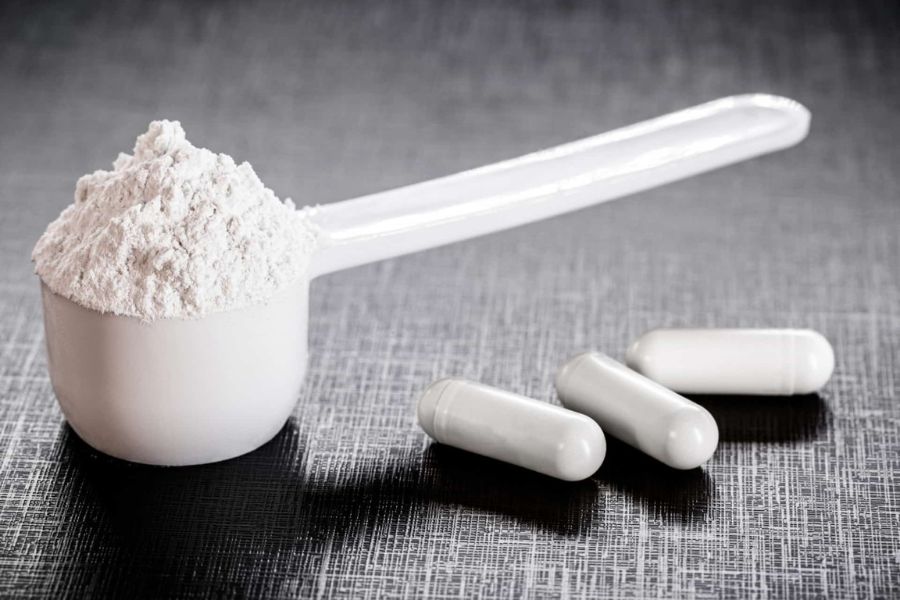
The creatine powder is almost always vegan, but capsules sometimes use gelatin, which is animal derived. Vegan capsules use plant‑based materials like pectin (Alyssa Fontaine). If you want to be sure, choose powder or products clearly labeled vegan. -
Third‑party testing and certifications
For peace of mind, look for creatine monohydrate products that are third‑party tested or carry certifications such as NSF Certified for Sport or Informed Choice Certified. This helps confirm quality and vegan standards (Alyssa Fontaine).
Some popular vegan options highlighted by advocacy and review sites include single‑ingredient powders as well as blends with added ingredients:
- Pure, additive‑free creatine monohydrate powders designed to mix easily into drinks (PETA)
- Formulas that combine creatine with electrolytes or mushroom blends for training and recovery support (PETA)
- Products that include absorption enhancers such as black pepper extract, or ingredients like HMB to support muscle growth, often with strong third‑party testing credentials (PETA, Garage Gym Reviews)
You do not need a fancy blend to see benefits. A simple, well‑tested creatine monohydrate powder is usually enough.
How creatine works in your body
It can help to visualize what is happening when you take creatine supplements as a vegan.
Your muscles and brain store creatine and phosphocreatine. During intense activity, phosphocreatine donates its phosphate group to ADP to quickly regenerate ATP, which is what provides immediate energy. When you supplement, you gradually increase these creatine and phosphocreatine stores.
Research on vegetarians and vegans shows:
- Muscle creatine and phosphocreatine levels rise significantly with supplementation, sometimes exceeding levels seen in omnivores who do not supplement (International Journal of Environmental Research and Public Health).
- Doses as low as 1 g per day can prevent declines in muscle creatine over several months in vegetarians (International Journal of Environmental Research and Public Health).
Interestingly, some studies found that brain creatine levels in vegetarians and omnivores are similar even before supplementation, and short‑term supplementation did not always raise brain creatine further (Vegan Health). That suggests your brain controls its own creatine tightly, and benefits may show up more in how it functions under stress than in baseline levels.
How to take creatine as a vegan
You have some flexibility in how you use creatine. You can keep things very simple and still get results.
Choose the right form
For most vegans, creatine monohydrate is the best starting point. It is:
- The most researched form
- Effective for both physical and cognitive outcomes
- Generally safe when used at recommended doses
- Widely available in vegan formulations (PubMed, PETA)
If you are buying capsules, confirm that the capsule shell is plant‑based. If you prefer powder, look for a short ingredient list with just creatine monohydrate and no unnecessary fillers.
Decide on your dosing plan
Most research and practical guidelines for vegans use one of two approaches:
-
Daily low dose
Take 3 to 5 g per day, any time of day, with water or a carb‑containing meal. This is often enough to gradually saturate your muscles over several weeks. It is simple, easy to remember, and works well for long‑term use. -
Short loading, then maintenance
Some protocols use around 20 g per day divided into 4 doses for 5 to 7 days, then drop to 3 to 5 g per day. This can raise your creatine stores faster and is sometimes used in research on brain function or short‑term performance (Garage Gym Reviews, Vegan Health).
Proper dosing matters, because extremely high chronic intakes are unnecessary and may raise the risk of side effects (PubMed). If you have kidney issues or take medications that affect kidney function, talk to a healthcare professional before you start.
What to expect when you start
You might notice:
- A small increase in body weight, usually from water being pulled into your muscles
- Slightly fuller‑looking muscles after a few weeks
- The ability to do an extra rep or maintain intensity a bit longer during hard sets
Not everyone feels a dramatic change. The benefits can show up quietly as better training quality and improved recovery over time.
When creatine may not be necessary
Creatine supplements for vegans are helpful, but they are not mandatory. You may decide to skip or delay creatine if you:
- Mostly do low‑intensity activities such as walking, yoga, or light cycling
- Have no goals related to strength, muscle gain, or explosive performance
- Prefer to keep your supplement routine very minimal
- Have medical conditions that make you cautious about any new supplement
Some analyses suggest that vegans with primarily aerobic or low‑activity lifestyles may not need creatine supplementation, since the main advantages show up during high‑intensity, anaerobic efforts (Alyssa Fontaine).
If you are curious but not ready to commit long term, you can try a low dose for 8 to 12 weeks while tracking your workouts and how you feel, then reassess.
Putting it all together
Creatine supplements for vegans offer a practical way to:
- Replenish naturally lower creatine stores
- Support strength, muscle, and high‑intensity performance
- Potentially boost certain aspects of brain function, especially under stress
Creatine monohydrate, in a vegan‑verified powder or capsule, is usually your best bet. Combining this with a varied, plant‑rich diet that supplies plenty of protein and amino acids gives your body what it needs to perform and recover.
If you decide to experiment, start with a consistent daily dose, pay attention to how your training and energy feel over a few weeks, and let that real‑world feedback guide whether creatine earns a long‑term spot in your routine.
About the Author