Image by Flux
You probably think of stress as a normal part of life. Deadlines, bills, family needs, a never ending to do list. But when that stress tips into distress, it can quietly start holding you back from the life you want.
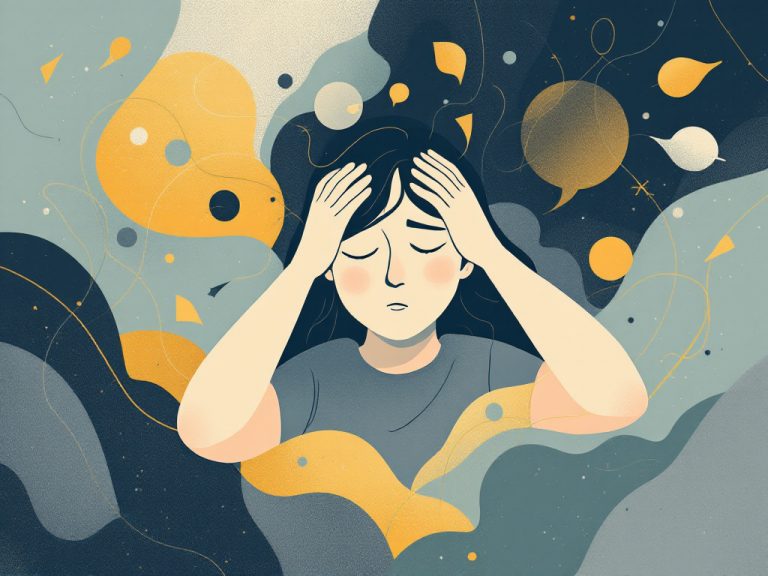
You feel overwhelmed instead of challenged. Drained instead of motivated. Stuck instead of moving forward.
This article walks you through what distress actually is, how it shows up in your day to day decisions, and practical ways to loosen its grip so you can think clearly and act on what matters.
Understand what distress really is
You deal with stress every day. Not all of it is bad. There is a type of stress that feels energizing, like the buzz before a big presentation or exam. Researchers often call that eustress. It pushes you to prepare and perform.
Distress is different. It is the kind of stress that comes with negative feelings and a sense that you cannot cope with what is in front of you. You might feel unprepared, trapped, or completely overwhelmed, like when you walk into an exam you did not study for or when a relationship suddenly ends (Medical News Today).
The U.S. National Institute of Mental Health defines stress as your physical or mental response to an external cause, called a stressor. That might be a one time event or something that repeats over a long period, such as constant homework or a lingering illness (NIMH). Distress is what happens when that response stays intense, negative, and hard to shake.
You might notice distress as a mix of:
- Racing or looping thoughts
- A tight chest or clenched jaw
- Trouble focusing on anything useful
- Urges to escape, numb out, or blow up
In short, distress is not just having a lot on your plate. It is feeling like you cannot handle what is on it.
Spot the subtle signs in your life
One reason distress holds you back is that it can creep in slowly. You adapt. You tell yourself this is just how life is now. Over time, that new normal can become a serious drag on your energy and decisions.
Nearly one in five American adults has a diagnosable mental health condition (Northeast Ohio Medical University). Distress does not always mean you have a disorder, but it is a key part of that picture. The earlier you notice it, the easier it is to change course.
Common warning signs include:
- Personality shifts. You catch yourself acting in ways that feel unlike you or that contradict your usual values. Maybe you are suddenly cutting corners, snapping at people, or saying yes to things you do not believe in (Northeast Ohio Medical University).
- Withdrawal. You pull back from family, friends, or hobbies that used to matter. You might skip calls, cancel plans, or stay in bed instead of going to work or class. Over time, your performance at school or work can slip (Northeast Ohio Medical University).
- Hopeless thoughts. You feel overwhelmed by your situation and start to think nothing will help. Thoughts like “what is the point” or “everyone would be better off without me” are serious red flags for extreme distress and need immediate attention (Northeast Ohio Medical University).
Distress does not always follow a single crisis. It might show up after a disaster or major loss, like a wildfire, flood, or job layoff. Emotional distress is very common in those situations and can bring real changes in mood and behavior (SAMHSA). For most people those symptoms fade with time. For others, especially those already at risk, they can linger for weeks or months and strain close relationships (SAMHSA).
However it arrives, your first job is to recognize that something in your internal system is overloaded, not weak or broken. Distress is a signal that you need different support or different strategies.
See how distress limits your potential
Distress does not only make you feel bad. It changes the way you think and act. Over time it can quietly cap your performance, your relationships, and your health.
It hijacks your decision making
When you are in distress, your body flips into a high alert state. Your sympathetic nervous system ramps up. Heart rate climbs, muscles tense, and your brain shifts into threat mode.
In short bursts this response is helpful. If a car swerves in front of you, you want your reflexes to kick in. But when distress stays high for days or weeks, that constant activation can start harming your body. It contributes to oxidative stress, where free radicals damage cell DNA and may speed up tissue degeneration, disease risk, and even aging (Medical News Today).
On the mental side, you pay a price too. Threat mode narrows your focus. You are more likely to:
- Fixate on worst case scenarios
- Avoid risks, even smart ones
- Say yes to things just to end the discomfort
- Snap at people or shut down instead of solving the problem
That is a rough place to make career, money, or relationship decisions from.
It drains motivation instead of fueling it
You might assume that more pressure means more drive. In reality, chronic distress often does the opposite.
A 2021 study during COVID 19 lockdowns in Spain found that psychological distress was closely linked to lack of resources, such as shaky employment, low job satisfaction, or cramped housing. People who did not have enough space at home were more likely to feel distressed (Medical News Today). When you feel resourceless like that, you are less likely to take proactive steps. You feel stuck.
Over time, distress can push you into patterns like:
- Procrastinating on important tasks
- Numbing out with food, alcohol, or screens
- Jumping between quick fixes instead of addressing root causes
You might label this as laziness. In reality, your system is overloaded and trying to avoid more pain.
It pushes you toward unhealthy coping
When you cannot tolerate your feelings, you are more likely to reach for fast relief.
People with conditions like Borderline Personality Disorder often feel daily frustrations as unbearable emotional pain. That can lead to self destructive coping such as isolating, picking fights, binge eating, using substances, or self harm like cutting or burning (CBT Psychology).
You may not relate to that level of intensity. Still, the pattern is similar on a smaller scale. If you cannot sit with discomfort, you may:
- Scroll for hours instead of sleeping
- Overwork to avoid feelings
- Say things you regret just to offload anger
- Stay in a job or relationship that is clearly wrong because change feels impossible
Distress intolerance, the belief that you cannot handle unpleasant emotions, actually makes those emotions louder and more disruptive over time (Centre for Clinical Interventions).
Learn to tell distress from normal stress
Not every hard moment is a sign of distress. You are looking for patterns in two directions: duration and impact.
Stress is your response to a stressor. Once that stressor passes or you adapt, your system usually settles. Anxiety is your body reacting to stress, sometimes even when there is no current threat, and if that anxiety hangs around and interferes with everyday life, your health risk rises (NIMH).
Ask yourself:
- Does this feeling fade after the situation changes, or does it linger no matter what you do
- Are you still able to work, study, and connect with people, or is distress regularly getting in the way
- Do coping strategies like a walk, a talk with a friend, or a night of sleep help, or do you feel unchanged
If your symptoms feel unmanageable and keep going, you may be facing something like an anxiety disorder or another mental health condition, and that is a cue to involve a professional (NIMH).
Use distress as information, not a verdict
Here is an important reframe. Distress is uncomfortable, but it is not automatically harmful. In some cases it can even push you toward positive change.
The same 2023 review that explains distress also notes that people who feel distressed about an exam sometimes respond by preparing better for the next one (Medical News Today). The difference is in how you interpret the signal.
Instead of hearing, “You are failing,” try hearing, “Something about this situation, or your resources, is out of balance.”
That gives you a practical question to work with: Do you need more resources, or do you need to make the challenge smaller or different
According to that review, managing distress effectively often comes down to exactly that, either increasing your resources, physical or psychological, or reshaping the challenge to be more manageable. Both paths can improve individual and even public health outcomes (Medical News Today).
Build real distress tolerance
If you have a low tolerance for discomfort, you are not alone. Many people learn early on that negative emotions are dangerous or unacceptable. Later in life, that belief shows up as constant avoidance.
The Centre for Clinical Interventions lays out a helpful way to think about this. They describe distress intolerance as a pattern where you see distress as unbearable, use short term escape strategies, and in the process keep distress going in the long term (Centre for Clinical Interventions).
You can start shifting that pattern with three skills.
1. Understand your distress story
First, notice what you tell yourself when you feel bad. Common beliefs sound like:
- “I cannot handle this.”
- “This feeling will never end.”
- “If I let myself feel this, I will fall apart.”
The “Understanding Distress Intolerance” module from CCI explains how these beliefs, plus the urge to immediately escape discomfort, actually lock distress in place (Centre for Clinical Interventions).
You do not need to argue with every thought. Simply labeling it as “my distress story” creates a small but powerful gap between you and the feeling.
2. Practice acceptance and mindfulness
Next, practice letting distress exist without fighting it. That does not mean you approve of what is happening or that you stop caring about change.
The “Accepting Distress” module emphasizes that negative emotions are part of survival and that they shift over time. Acceptance and mindfulness help you notice feelings as they rise and fall instead of getting swept away by them (Centre for Clinical Interventions).
You might try:
- Quietly naming what you feel, “I notice fear and tension in my chest.”
- Focusing on your breath for a few minutes, counting inhales and exhales.
- Bringing your attention to three things you can see, hear, and feel right now.
You are training your nervous system to realize, “I can feel this and still function.”
3. Use targeted coping tools in the moment
Sometimes acceptance alone is not enough. When your distress spikes, you may need short term tools that keep you safe and grounded.
Dialectical Behavioural Therapy uses Distress Tolerance Techniques to help people ride out intense feelings without sliding into harmful behavior (CBT Psychology). A few examples:
- Radical acceptance. You acknowledge the reality of a situation without judgment. “This is happening. I do not like it, and I do not approve, but it is the reality right now.” That shift can give you enough space to choose your next move instead of reacting on autopilot (CBT Psychology).
- Safe physical sensations. You create a new, intense but safe sensation to pull focus away from the urge to self harm or act out. That might mean holding ice cubes until they melt or snapping a rubber band lightly on your wrist (CBT Psychology).
- Self soothing. You build a small menu of calming actions that work for you, such as a hot shower, calming music, gentle stretching, or a favorite scent. Relaxation helps your brain think clearly again (CBT Psychology).
From there, you can use the “Improving Distress” strategies like acting opposite to the urge to avoid, doing one small activating or soothing activity, or solving part of the problem that is driving your distress (Centre for Clinical Interventions).
Over time, you can even create your own Distress Tolerance Action Plan, a brief written list of steps you will take when distress spikes and commit to practicing it regularly. CCI suggests this as a path to a more stable sense of emotional wellbeing (Centre for Clinical Interventions).
You do not need to eliminate distress to move forward. You only need to be able to feel it and still choose your next right step.
Know when to get more help
You can do a lot on your own, but you do not have to do everything alone.
If your distress feels constant, if you cannot function at work or school, or if you notice signs of serious withdrawal, personality shift, or hopelessness, reach out to a professional. Persisting stress and anxiety can be a sign of an underlying anxiety disorder or other mental health condition that responds well to treatment (NIMH).
If you ever move into a suicidal crisis or feel at immediate risk of harming yourself, contact emergency services or a crisis line where you live right away. In the United States, you can call or text 988 or use the 988 Suicide and Crisis Lifeline online chat for immediate support (NIMH).
You deserve that level of care, no matter how long you have been trying to handle everything on your own.
Your next small step
Distress may have been shaping your choices quietly for years. The good news is that you can start changing that pattern today.
Pick one of these to try in the next 24 hours:
- Name one situation where you feel constantly overwhelmed. Write down what resources you are missing and one way to increase them or make the challenge smaller.
- Notice your next wave of uncomfortable emotion and practice saying, “This is distress, and it will pass. I can feel this and still choose my response.”
- Draft a simple three step distress plan, for example, breathe for two minutes, text a friend, walk around the block, and keep it somewhere you can see it.
You are not trying to erase distress. You are learning to listen to it, work with it, and move forward anyway. That is what frees you up to pursue the work, relationships, and life you actually want.
About the Author