A low carb diet meal prep routine can do more than save you time in the kitchen. When you plan and prep your low carb meals in advance, you make it much easier to stick to your goals, control portions, and see steady weight loss without feeling deprived.
Below, you will learn how low carb diet meal prep works, why it can support weight loss, and how to set up a simple, realistic routine that fits your life.
Understand what “low carb” really means
Before you start chopping vegetables, it helps to know what a low carb plate should look like. A low carb diet typically means you are limiting your daily carbohydrate intake, not cutting carbs to zero.
Health experts often define low carb meals as those with roughly 15 grams of carbohydrates or less per serving, with total daily carbs anywhere between 20 and 130 grams depending on your goals and preferences (Healthline). Popular approaches like keto, Atkins, paleo, and Whole30 all fall somewhere on this spectrum.
On your plate, that usually looks like:
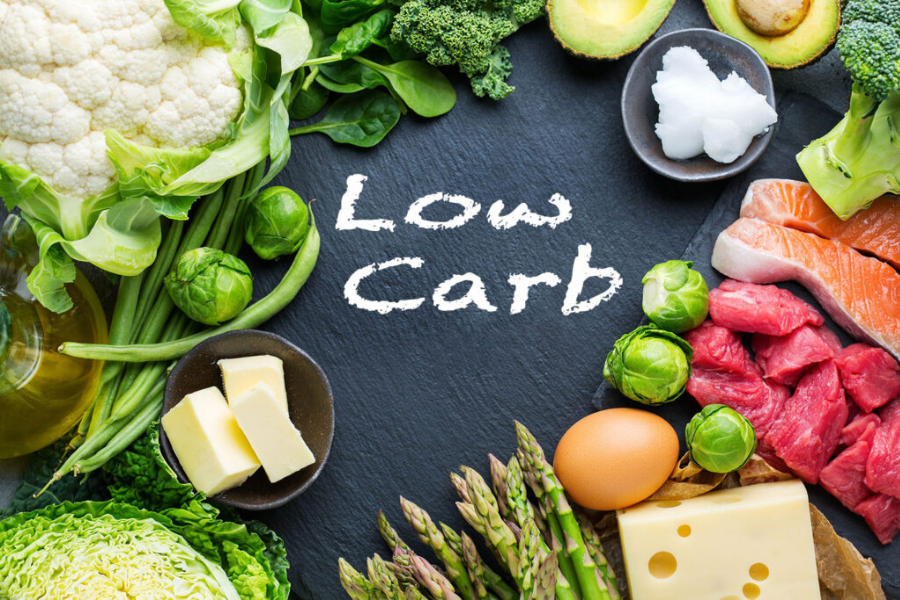
- A generous serving of non starchy vegetables, such as leafy greens, broccoli, cauliflower, zucchini, or peppers
- A palm sized portion of lean or fatty protein, such as chicken, turkey, fish, eggs, or tofu
- A serving of healthy fats, for example avocado, nuts, seeds, olive oil, or full fat dairy
You are mainly avoiding or limiting:
- Bread and grains such as rice, pasta, tortillas, and cereal
- Starchy vegetables like potatoes, sweet potatoes, carrots, and beets
- Sugary foods and drinks including soda, juice, pastries, and sweets
Sticking to this structure while you meal prep keeps your choices simple and your carbs in check (Food Network, LowCarb Avenue).
See how meal prep speeds up weight loss
Low carb eating can support fat loss by reducing blood sugar swings and helping you feel fuller for longer, especially when you pair it with enough protein and fat. Low carb diet meal prep takes those benefits and makes them easier to access in everyday life.
When your fridge is stocked with ready to eat or reheat meals, you are less likely to grab a high carb takeout option or snack out of frustration. That alone can dramatically cut the extra calories and refined carbs that stall weight loss (2 Guys With Knives).
Meal prep also helps you:
- Keep portions consistent, since you divide food into single serving containers in advance
- Track net carbs more accurately, because you control ingredients and know what goes into each meal
- Avoid decision fatigue, that evening moment when you are tired and the easiest option wins
If your goal is weight loss, those small advantages add up. You are essentially removing dozens of tiny daily decisions that often lead you away from your plan.
Plan your low carb week in 10 minutes
You do not need complicated recipes or a color coded spreadsheet. A simple written plan for the week is enough to guide your low carb diet meal prep and keep you organized.
Start by answering three quick questions:
- How many meals do you want to prep, for example all lunches, or lunches and dinners for Monday through Thursday?
- Which proteins do you enjoy and want to repeat this week, such as chicken, ground turkey, shrimp, eggs, or tofu?
- Which low carb vegetables and fats will you pair with them, like broccoli, zucchini, cauliflower rice, avocado, nuts, or olive oil?
Many people find it easiest to pick two or three main proteins and rotate how they serve them. For example, you might choose:
- Chicken thighs for bowls and salads
- Ground turkey for lettuce wraps or “egg roll in a bowl” style dishes
- Eggs for breakfast casseroles or muffins
Having a rough menu makes your grocery list straightforward and helps you avoid impulse buys that do not fit your low carb goals (2 Guys With Knives).
Stock smart low carb staples
Your pantry and fridge make or break your low carb diet meal prep. With the right staples on hand, you can always pull together something satisfying that supports weight loss.
Aim to keep these basics around:
- Proteins: eggs, chicken breast or thighs, ground turkey or beef, canned tuna, salmon, shrimp, firm tofu
- Low carb vegetables: leafy greens, broccoli, cauliflower, zucchini, bell peppers, mushrooms, cabbage
- Healthy fats: avocados, nuts, seeds, natural nut butters, extra virgin olive oil, coconut oil
- Flavor boosters: garlic, onions, herbs, spices, sugar free mustard, vinegar, low sodium soy sauce or tamari
This mix gives you the building blocks for quick breakfasts, packed lunches, and simple dinners without relying on bread, pasta, rice, or sugary sauces. Batch cooking proteins and vegetables from this list is one of the most efficient ways to keep your week on track (2 Guys With Knives).
Use a simple “power hour” prep routine
If you assume low carb meal prep will take your entire Sunday, you may avoid starting. A more realistic goal is one focused session of 60 to 90 minutes that sets you up for several days.
A helpful approach is to cook the items that take the longest first, then layer faster tasks on top while they are in the oven or on the stove. For example, The Kitchn walks through a “Power Hour” that lets two adults prepare low carb breakfasts, lunches, and dinners for the week in under two hours (The Kitchn).
Your own version could look like this:
- Start your protein
- Roast a tray of chicken thighs or a loaf pan chicken, a marinated slab you can slice all week for wraps or bowls (Food Network).
- Brown ground turkey or beef in a skillet for taco style bowls or lettuce wraps.
- Roast or sauté vegetables
- While the meat cooks, chop and roast a big sheet pan of broccoli, cauliflower, and zucchini.
- Or sauté a mix of cabbage, mushrooms, and peppers for quick stir fry bases.
- Prepare a breakfast option
- Whisk eggs with chopped vegetables and bake into a veggie egg casserole that pairs well with sliced avocado and lasts through Friday for two people (The Kitchn).
- Alternatively, make egg and veggie muffins that you can grab and go and that also freeze well for future weeks (Berry Street).
- Assemble and portion
- Divide everything into single serving containers to prevent overeating.
- Add dressings or sauces to small side cups so vegetables stay crisp (2 Guys With Knives).
By front loading the more time consuming steps and multitasking during oven time, you end up with almost no cooking on busy weeknights, just reheating and quick assembly.
A short, focused prep session once or twice a week can do more for your progress than trying to “eat perfectly” with no plan at all.
Build satisfying low carb meals that last
To support weight loss, your low carb diet meal prep needs to be satisfying. If you are constantly hungry, you are more likely to reach for high carb snacks. Aim for meals that combine protein, fiber, and fat so you stay full and your energy stays steady (Berry Street).
Some ideas that work especially well for meal prep include:
- Cauliflower rice bowls with grilled chicken, shrimp, or salmon and roasted vegetables. These bowls provide protein and fiber and reheat well during the week (Berry Street).
- Turkey taco lettuce wraps using seasoned ground turkey, shredded cheese, salsa, and avocado. Prep the filling in bulk and store lettuce separately so it stays crisp.
- “Egg roll in a bowl” made with ground pork or turkey, shredded cabbage, carrots in moderation, and a light soy or tamari based sauce. This is high in protein and low in carbs when you keep the amount of carrots small (Berry Street).
- Greek chicken salad bowls with marinated chicken, cucumbers, tomatoes, olives, and a simple olive oil and vinegar dressing. These bowls keep for up to four days when stored properly.
Casseroles and baked dishes can also be convenient. Chicken and broccoli casseroles, shrimp with zucchini noodles, egg and veggie muffins, and turkey spinach meatballs freeze well, which makes them ideal if you prefer to batch cook once and eat over several weeks (Berry Street).
Most high protein low carb meal prep dishes last three to four days in the refrigerator and some baked meats and casseroles last up to five days. When reheating, adding a spoonful of broth, olive oil, or sauce can help keep everything moist and flavorful (Berry Street).
Watch hidden carbs and choose better swaps
Even when you are careful, hidden carbs can sneak into your meal prep and slow your progress. Paying attention to a few common sources will keep your carb count where you want it.
First, look closely at dressings and sauces. Fat free or low fat commercial dressings often replace fat with sugar or starch, which increases carbohydrates. A simple homemade vinaigrette made with extra virgin olive oil and vinegar is usually a better low carb choice (Healthline).
Next, think about your starches and sides:
- Swap regular rice for cauliflower rice, which has roughly a quarter of the carbs and works well as a base for bowls (Food Network).
- Use lettuce leaves, low carb tortillas, or low carb bread products instead of standard sandwich bread, bagels, or crackers, which are high in refined grains and can spike blood sugar (LowCarb Avenue).
Fruits also deserve a second look. Most tropical fruits, such as bananas, mangoes, grapes, and pineapples, are high in sugar and can stall weight loss on a low carb diet. If you enjoy fruit with your prepped meals, berries like strawberries, blackberries, and raspberries are usually better choices because their sugar content is lower and they come with fiber (LowCarb Avenue).
Finally, stay aware of drinks. Sugary beverages such as soda, sweetened teas, energy drinks, and juices can add a surprising amount of carbs and undermine your careful meal prep. Water, herbal tea, black coffee, or flavored sparkling water with no added sugar are more supportive of your goals (LowCarb Avenue).
Keep your prep realistic and flexible
The most effective low carb diet meal prep routine is the one you can stick with. You do not need perfect meals or elaborate recipes to lose weight. You just need mostly consistent low carb options that you actually like.
You might start with just three prepped lunches for the week, or a single breakfast casserole to replace a high carb morning habit. As that becomes normal, you can expand to more meals, experiment with new recipes, or try a full “Power Hour” style session like the one outlined by The Kitchn (The Kitchn).
Over time, you will get faster at chopping, better at choosing ingredients, and more confident about balancing protein, vegetables, and fats. The result is a routine that quietly supports your weight loss goals in the background so you spend less energy resisting temptation and more time feeling good in your body.
If you are unsure where to begin, choose one protein, one vegetable, and one healthy fat today, prep them in bulk, and see how much easier it feels to eat low carb for the next few days.
About the Author