A carnivore diet for beginners can sound both simple and extreme. You eat only animal foods like meat and eggs and you avoid all carbohydrates and plant foods. Supporters say this way of eating can boost weight loss and energy. Health experts, however, warn about long term risks and missing nutrients. Understanding both sides helps you decide if it fits your goals and when it might be unsafe.
In this guide, you will learn what the carnivore diet includes, how it works, potential benefits, serious drawbacks, and what to consider before starting. You will also see safer alternatives if you like low carb eating but do not want to cut out plants entirely.
Understand what the carnivore diet is
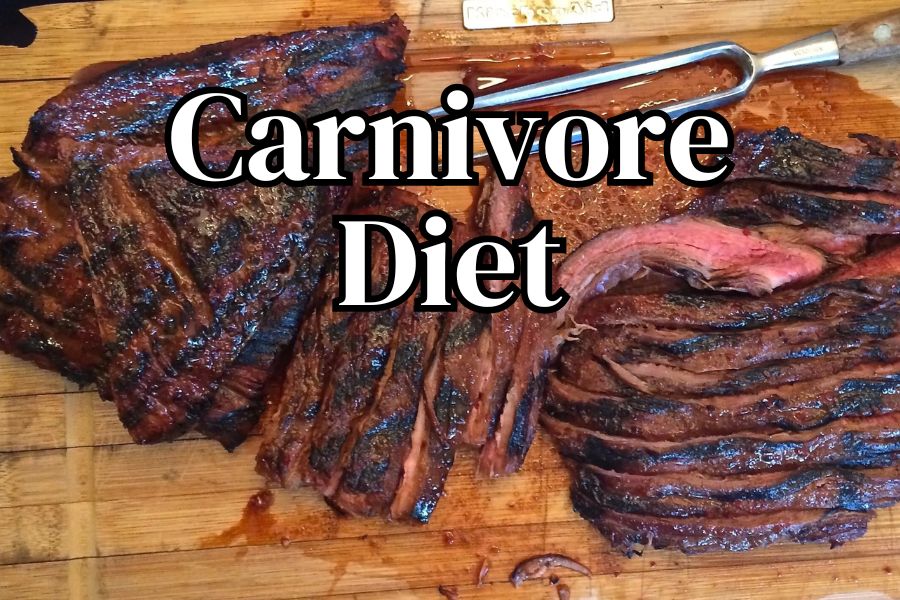
On a true carnivore diet, you eat only animal based foods. That means beef, pork, lamb, chicken, turkey, fish, shellfish, eggs, and sometimes small amounts of low lactose dairy like cheese or butter. You avoid fruits, vegetables, grains, beans, lentils, nuts, seeds, sugar, and all other carbohydrates. WebMD describes it as a diet that relies solely on meat and other animal products and removes all carb containing foods from your plate (WebMD).
You might also hear the term Lion Diet. This is a stricter version that usually focuses on just meat and eggs and cuts out even more variety in seasonings or dairy (Gene Food). No matter which version you look at, both are very different from balanced eating patterns that include a mix of plant and animal foods.
The Cleveland Clinic points out that the carnivore diet goes even further than keto or Atkins. Those plans reduce carbs but still allow at least some vegetables, fruit, and plant fats. Carnivore aims for zero carbs, which is not aligned with the Dietary Guidelines for Americans that promote a mix of nutrients from different food groups (Cleveland Clinic).
See how the carnivore diet works
If you follow a carnivore diet as a beginner, your meals revolve around protein and fat. A typical day could look like steak and eggs for breakfast, burgers without buns at lunch, and salmon or pork chops at dinner. You might cook with butter, ghee, or tallow and drink only water, and, on stricter versions, no coffee or tea since those come from plants (Primal Kitchen).
Many people who follow carnivore practice nose to tail eating. That means including organ meats such as liver, heart, and kidney along with muscle meats. Some even eat less common parts like bone marrow or fish eyes. The idea is that organs supply nutrients that you lose when you give up fruits and vegetables (Primal Kitchen).
If you decide to start, WebMD recommends cleaning out carb heavy foods from your pantry. That means removing bread, pasta, rice, cereals, sweets, canned beans, and most snacks, then shopping primarily for red meat, poultry, fish, eggs, organ meats, and animal fats like butter or tallow (WebMD). Before you do that, it is wise to understand how this way of eating may affect your body.
Explore potential benefits people report
You will find many stories online from people who feel better on carnivore. Some common claims include easier weight loss, steadier energy, reduced joint pain, and improved blood sugar control. WebMD highlights a survey of more than 2,000 people who followed a carnivore diet for 9 to 20 months. Many reported losing weight, better blood sugar control, and higher satisfaction with their health, and some people with diabetes even said they could lower or stop medication (WebMD).
At the same time, this evidence has important limits. The survey relied on self reports and did not involve medical exams or lab tests. There were no control groups and no way to verify weight changes or blood markers. Healthline also notes that while the carnivore diet is often promoted for weight loss, mood changes, and better blood sugar, there are no controlled scientific studies that clearly support these benefits yet (Healthline).
You might still wonder why some people lose weight quickly when they start. The answer usually comes down to calorie intake and fullness. Very high protein and fat diets can help you feel full for longer. Healthline explains that this may raise your metabolic rate slightly and make it easier to eat fewer calories, at least in the short term (Healthline). Removing processed foods and sweets can also be a big change, even without counting calories.
Weigh the serious risks and downsides
For beginners, the biggest concern with a carnivore diet is what you leave out. When you stop eating fruits, vegetables, legumes, grains, nuts, and seeds, you lose key sources of vitamins, minerals, fiber, and plant compounds that support your long term health.
WebMD warns that this can lead to low intake of fiber, potassium, and vitamins A, C, and folate. People on the diet may experience diarrhea, constipation, headaches, nausea, and higher LDL cholesterol, especially if they rely on processed meats high in salt and saturated fat (WebMD). Over time, these changes can affect your digestion, blood vessels, and heart.
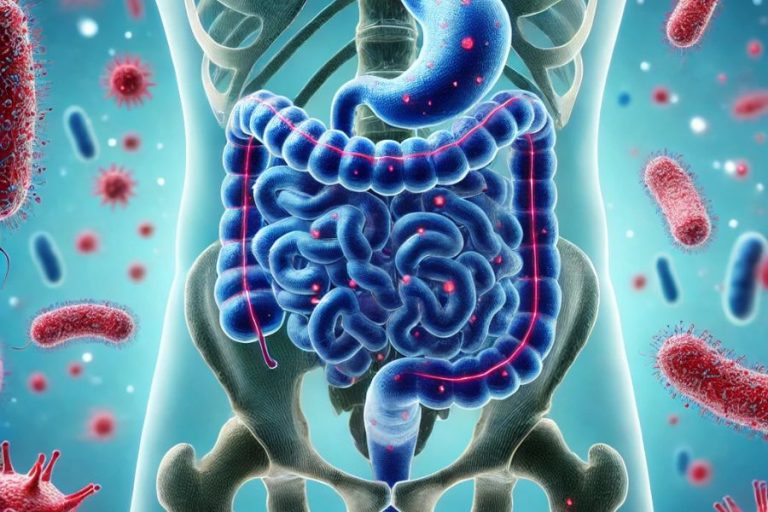
Healthline also emphasizes that the carnivore diet lacks fiber and helpful plant compounds such as antioxidants, which are important for gut health and disease prevention. Without fiber you may face constipation and a higher risk of gut inflammation and some cancers (Healthline). Your gut bacteria depend on plant fibers as fuel. When you remove plants, your microbiome can shift in ways that are not fully understood and may not be helpful for you.
How high animal protein affects your body
The Gene Food review raises additional concerns about very high intakes of animal protein on this type of diet. It points to research showing that high animal protein can significantly raise LDL cholesterol, the type strongly linked with increased cardiovascular and overall mortality risk in a large JAMA review of 34 trials and more than 270,000 people (Gene Food).
Gene Food also explains that eating so much protein often triggers gluconeogenesis. This is when your body converts excess protein into glucose. That process can keep your blood sugar from dropping into the range needed for deep ketosis, even though you are eating very low carb (Gene Food). As a result, you might not get the same metabolic effects you expect from a ketogenic diet.
Breaking down large amounts of protein also creates ammonia, which your liver and kidneys must process. Variants in genes that control the urea cycle are common, affecting around one third of people. Gene Food notes that these variants can make ammonia buildup more likely, which can put extra stress on your body on a carnivore diet (Gene Food).
Finally, cutting out all plant fiber may encourage growth of certain bacteria like Bilophila that are associated with gut inflammation. Undigested meat that reaches the colon can ferment in ways that may increase intestinal permeability and colon cancer risk over time (Gene Food).
In short, the restrictive nature of a carnivore diet can set you up for nutrient gaps, digestive problems, and potential heart and gut issues, especially if you stay on it for longer periods.
Know who should avoid this diet
For some people, the risks are more serious. Health experts at WebMD and the Cleveland Clinic are clear that a carnivore diet is not safe for everyone. It is especially risky if you:
- Are pregnant or breastfeeding
- Have kidney disease
- Have heart disease or very high cholesterol
- Have high blood pressure
- Have diabetes or take blood sugar medications
- Have a history of eating disorders
WebMD notes that the diet is highly restrictive, not sustainable for most people, and lacks strong scientific evidence for popular claims such as reduced inflammation or improved energy (WebMD). The Cleveland Clinic adds that it may raise your risk for heart disease, cancer, and nutrient deficiencies and that its supposed benefits are mostly anecdotal and promoted heavily on social media rather than backed by high quality studies (Cleveland Clinic).
Registered dietitian Kate Patton from the Cleveland Clinic recommends against trying a carnivore diet in general. Instead, she suggests a balanced pattern that includes fruits, vegetables, grains, and lean meats, so you get a range of nutrients without cutting out entire food groups (Cleveland Clinic).
Healthline also highlights that the diet may be unsafe for children, people with chronic kidney disease, pregnant or lactating women, and anyone with a history of disordered eating (Healthline). If you are in any of these groups, it is important to avoid such a restrictive plan.
Plan safely if you still want to experiment
If you have read the risks and still feel curious about trying a carnivore diet for weight loss, it becomes even more important to move slowly and involve a healthcare professional. Both WebMD and Primal Kitchen recommend talking with your doctor or a registered dietitian before you begin, especially if you have any existing medical conditions or take medication (WebMD, Primal Kitchen).
You can reduce the shock to your system by transitioning gradually. For example, you might start by cutting out sugary foods and refined carbs first, then reducing grains, then slowly lowering fruit and starchy vegetables instead of removing everything at once. Keeping some non starchy vegetables and plant fats at the beginning may help your digestion and energy levels, even if your goal is to go stricter later.
Primal Kitchen suggests building a simple shopping list built around meat, fish, seafood, and animal fats if you do proceed. Focusing on grass fed, pasture raised meats and wild caught seafood can support better fat quality, although that does not remove the core concerns about missing fiber and plant nutrients (Primal Kitchen). Try to avoid processed meats like bacon and sausage as your main staples because of their high salt and additive content.
You should also pay attention to warning signs such as persistent constipation, intense fatigue, headaches that do not go away, or any unusual symptoms. These may be signals that the plan is not working for your body. Keeping regular checkups, including cholesterol, kidney function, and blood pressure, can help you and your provider track how your body responds.
Consider gentler, evidence based alternatives
If your main goals are weight loss and better blood sugar balance, you have other options that are much less restrictive. For many people, a moderate low carb pattern that keeps plenty of vegetables, some fruit, whole grains, and healthy fats is more realistic and sustainable than a strict carnivore diet.
Both the Cleveland Clinic and Healthline suggest focusing on whole foods and variety rather than cutting out everything at once (Cleveland Clinic, Healthline). That could mean:
- Limiting added sugars and refined carbs
- Eating lean proteins like poultry, fish, eggs, beans, and yogurt
- Including a mix of colorful vegetables and some fruits
- Using healthy fats like olive oil, nuts, and seeds
- Watching portion sizes instead of counting every calorie
These changes can help you lose weight and stabilize blood sugar without the extreme restrictions and nutrient gaps that come with a carnivore plan.
If you still like the structure of a meat heavy diet, a balanced Mediterranean or lower carb Mediterranean style approach may meet you halfway. These patterns include fish, poultry, eggs, and dairy but also highlight vegetables, beans, whole grains, and nuts for cardiovascular and digestive health.
Key takeaways
- A carnivore diet for beginners involves eating only animal based foods and removing all plant foods and carbohydrates (WebMD, Cleveland Clinic).
- Some people report short term weight loss and better blood sugar control, but current evidence is mostly self reported and not based on controlled studies (WebMD, Healthline).
- Cutting out plant foods raises the risk of nutrient deficiencies, digestive issues, higher LDL cholesterol, and possible heart and gut problems, especially with very high animal protein intake (WebMD, Healthline, Gene Food).
- Experts from major health organizations recommend against following a strict carnivore diet, particularly if you are pregnant, have kidney or heart disease, high blood pressure, diabetes, or a history of disordered eating (Cleveland Clinic, Healthline, WebMD).
- If you are drawn to the idea, work closely with a doctor, move slowly, and stay open to more balanced, evidence based approaches that support both weight loss and your long term health.
You do not have to follow an all or nothing plan to make progress. Start with one small, sustainable change today, such as swapping sugary drinks for water or adding a serving of vegetables to your main meal, and build from there.
About the Author