A well planned paleo diet grocery list makes eating healthier much easier. Instead of wondering what to cook at 6 p.m., you stock your kitchen with foods that fit paleo guidelines and support weight loss, better energy, and more stable blood sugar.
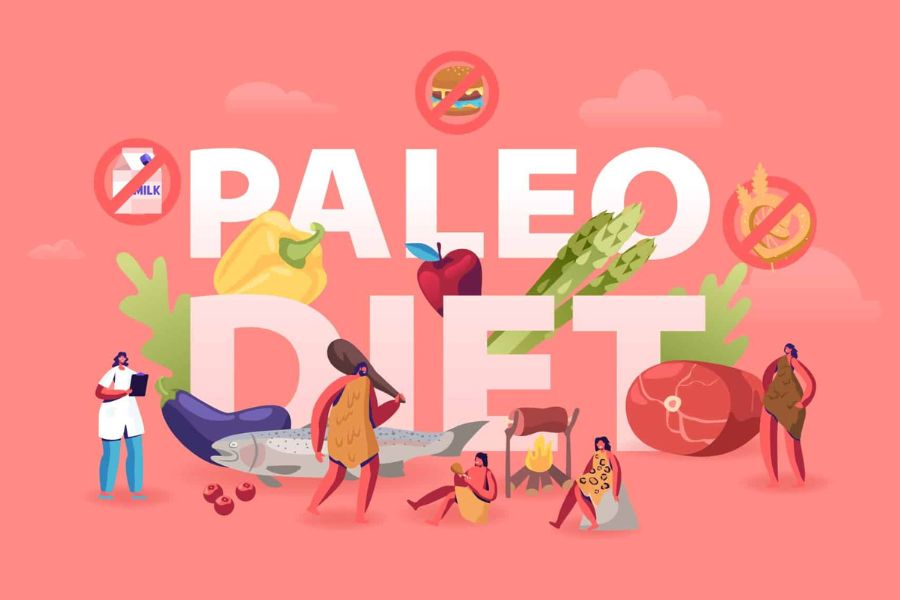
The paleo diet focuses on foods your hunter gatherer ancestors could have hunted or gathered: high quality proteins, fruits, vegetables, nuts, seeds, and natural fats, while avoiding grains, dairy, legumes, refined sugar, and highly processed foods (EatingWell). Below, you will find a practical, walk through the store style paleo diet grocery list you can use every week.
Understand the basics of the paleo diet
At its core, the paleo approach is about simple, whole foods. You focus on ingredients that are as close to their natural form as possible, prepared with straightforward methods like grilling, roasting, sautéing, or steaming.
According to Kevin’s Natural Foods, the paleo lifestyle prioritizes fruits, vegetables, high quality proteins, and healthy fats, while minimizing salt, sugar, and processed foods (Kevin’s Natural Foods). You are essentially building meals around three pillars: protein, plants, and healthy fats.
On the flip side, you skip foods that came with agriculture and heavy processing. That typically means no grains, no legumes, no dairy, and no ultra processed snack foods or desserts (EatingWell, Healthline).
Stock up on paleo friendly proteins
Protein is the foundation of almost every paleo meal. It keeps you full longer, supports muscle, and helps stabilize blood sugar, which is especially useful if you are trying to lose weight.
Meat and poultry
On your paleo diet grocery list, you will want to prioritize high quality, minimally processed meat. Grass fed and pasture raised options are recommended whenever your budget allows, since they tend to be leaner and contain more omega 3 fatty acids that help reduce inflammation and support heart health (EatingWell).
Look for:
- Grass fed beef, such as ground beef, steaks, and roasts
- Grass fed lamb
- Pasture raised pork, like pork shoulder roast or chops
- Pasture raised or organic chicken, turkey, duck, goose, or hen
Whole Foods Market highlights grass fed beef and lamb, pasture raised pork and poultry, and organic Animal Welfare Certified choices as excellent paleo friendly options (Whole Foods Market). Nerd Fitness also points you toward pasture raised chicken, turkey, duck, hen, and goose to keep your protein choices aligned with paleo principles (Nerd Fitness).
Seafood and eggs
Wild seafood gives you more omega 3 fats and variety in your meals. A mix of fresh and canned options will keep things flexible and budget friendly.
Good choices include:
- Wild caught salmon, cod, shrimp, sardines, tuna, swordfish, and scallops
- Canned wild salmon, sardines, and tuna for quick meals and snacks
Both Whole Foods Market and Nerd Fitness recommend wild caught salmon, shrimp, cod, and other responsibly sourced options for your paleo cart (Whole Foods Market, Nerd Fitness).
Eggs are another paleo staple, since they are inexpensive, versatile, and protein rich. If possible, choose pasture raised or organic eggs for better nutritional quality. Hard boiled eggs also make an easy grab and go snack, which Healthline notes as a convenient, protein rich paleo snack option (Healthline).
Fill your cart with vegetables
On a well balanced paleo diet, vegetables make up a large portion of your plate. They add volume, fiber, vitamins, and minerals with relatively few calories, which helps with weight loss and satiety.
Everyday non starchy vegetables
Most of your vegetables can come from non starchy varieties. These give you plenty of nutrients without spiking blood sugar.
You might choose:
- Leafy greens like spinach, kale, and romaine
- Cruciferous veggies like broccoli, cauliflower, and Brussels sprouts
- Asparagus, green beans, zucchini, bell peppers, and cucumbers
- Mushrooms, onions, and tomatoes
Nerd Fitness suggests a wide range, including asparagus, broccoli, spinach, kale, carrots, and more, to encourage diverse nutrient intake (Nerd Fitness). Whole Foods Market also emphasizes stocking up on broccoli and riced cauliflower so you can swap them in for grains in many dishes (Whole Foods Market).
Starchy vegetables in moderation
Starchy vegetables can fit well within a paleo plan, especially if you are active, but if weight loss or blood sugar control is a priority, you may want to watch portions.
Consider:
- Sweet potatoes and yams
- Winter squash like butternut or acorn
- Carrots and beets
EatingWell notes that starchy vegetables like potatoes are generally allowed, but some strict paleo versions avoid white potatoes, and those watching weight or blood sugar may want to limit portions (EatingWell).
Choose fruits that support your goals
Fruit is absolutely part of a paleo diet, but it is helpful to be thoughtful about type and quantity, especially for weight loss.
Lower sugar everyday fruits
Nerd Fitness suggests focusing on lower sugar fruits if you are trying to lean out, such as lime, lemon, and cranberry, which are naturally lower in sugar per serving (Nerd Fitness). Berries generally fit nicely in this category too.
Great everyday picks are:
- Berries like strawberries, blueberries, raspberries, and blackberries
- Citrus fruits, including lemons, limes, oranges, and grapefruits
- Apples and pears in moderate portions
Kevin’s Natural Foods also recommends fruits that are closer to what would have been available historically, and highlights that many modern cultivated fruits like some bananas are much higher in sugar than wild varieties, so a little portion awareness can be helpful (Kevin’s Natural Foods).
Higher sugar fruits as treats
Higher sugar fruits are still technically allowed on many paleo plans, but if you are focused on fat loss, you might treat them more like dessert than a daily staple.
This includes:
- Bananas
- Mangos and pineapple
- Grapes
EatingWell points out that high sugar fruits like bananas are allowed, but should be eaten in moderation by anyone watching weight or blood sugar (EatingWell). Dried fruits and fruit juices are best limited or avoided entirely if weight loss is your goal, which Nerd Fitness also notes in their guidance (Nerd Fitness).
Add healthy fats, nuts, and seeds
Healthy fats are what keep your paleo meals satisfying. They help control hunger between meals and can support hormone and brain health when used wisely.
Cooking oils and pantry fats
For cooking, you will focus on minimally processed oils that come directly from plants or animals. EatingWell lists olive oil, walnut oil, flaxseed oil, macadamia oil, avocado oil, and coconut oil as paleo friendly choices, while processed vegetable oils and artificial sweeteners are excluded due to their processing and potential health effects (EatingWell).
On your grocery list, consider:
- Extra virgin olive oil for low to medium heat cooking and dressings
- Avocado oil or coconut oil for higher heat cooking
- Ghee and animal fats like tallow in small amounts, if they fit your preference
Whole Foods Market and Nerd Fitness both highlight coconut oil, extra virgin olive oil, animal fats, ghee, and avocado oil as staple fats in a paleo kitchen (Whole Foods Market, Nerd Fitness).
Nuts, seeds, and nut butters
Nuts and seeds are dense in calories, but they are also packed with healthy fats, fiber, and protein. They help keep you full between meals and provide an easy portable snack.
You might include:
- Almonds, walnuts, pecans, macadamia nuts, pistachios, and cashews
- Sunflower, chia, and flaxseeds
- Almond butter, cashew butter, or sunflower seed butter
Kevin’s Natural Foods notes that nuts played an important role for your ancestors, providing protein, fat, vitamins, and minerals, and that they make excellent paleo friendly snacks today as well (Kevin’s Natural Foods). EatingWell reminds you that peanuts are not considered paleo, since they are technically legumes and contain lectins and phytic acid, which are part of the reason legumes are avoided on paleo plans (EatingWell).
Healthline echoes similar guidance and includes raw almonds, chia seeds, and cashew butter as excellent paleo grocery list items for snacks or meal add ons (Healthline).
Quick tip: Pre portion nuts into small containers or bags so you can enjoy the benefits without accidentally eating half the bag in one sitting.
Plan paleo friendly snacks and quick meals
A realistic paleo diet grocery list makes room for snacks, not just full meals. If you do not plan for these moments, it becomes very easy to grab something processed and off plan.
Whole Foods Market highlights several paleo friendly snack ideas, including in house made guacamole, precut fruits and vegetables, nuts and seeds, dried fruits with no added sugar, unsweetened beef or salmon jerky, grain free chips, salsa, protein bars, almond flour crackers, smoothies, and even pork rinds (Whole Foods Market).
Healthline offers additional paleo snack friendly grocery items, such as:
- Pasture raised turkey sticks
- Wild caught canned salmon
- Non dairy milk like almond or coconut milk
- Coconut yogurt
- Grain free crackers made from flax or nut flour
- Coconut yogurt parfaits and plantain chips cooked in paleo approved oils
These options help you stay satisfied without reaching for processed snacks that are high in refined grains and sugar (Healthline). They also make busy weekdays more manageable, because you know you have something quick and compliant to reach for.
Do a quick sweep for non paleo items
Before you check out, it is helpful to quickly scan your cart for items that do not align with your goals. Paleo guidelines usually exclude:
- Grains such as wheat, rice, oats, and corn
- Legumes, including beans, lentils, and peanuts
- Dairy products, unless you follow a more flexible version
- Refined sugar and artificial sweeteners
- Highly processed snack foods and ready meals
Both EatingWell and Healthline emphasize that processed foods, refined sugar, grains, artificial sweeteners, dairy products, and legumes are outside standard paleo guidelines (EatingWell, Healthline). Some people include small amounts of white rice or dairy once in a while, but if you are just getting started or focusing on weight loss, keeping your list clean and simple will usually bring better results.
If you see cereal, bread, regular crackers, sweetened yogurt, cheese, or typical candy and dessert items, you can gently put them back and replace them with one of the paleo alternatives listed earlier.
Turn your grocery list into easy meals
Once your pantry and fridge are stocked, it becomes much easier to build meals that fit the paleo framework without complicated recipes.
Think in simple formulas:
- Breakfast could be eggs cooked in olive oil with sautéed spinach and a side of berries
- Lunch might be leftover roasted chicken on a big salad with mixed greens, avocado, and olive oil dressing
- Dinner could be wild salmon with roasted broccoli and sweet potato
Pantry staples like bone broth, coconut aminos, apple cider vinegar, almond flour, and arrowroot starch, which Whole Foods Market lists as common paleo essentials, help you add flavor and thicken sauces without turning to processed ingredients (Whole Foods Market).
If you like something warm and comforting in the afternoon, Kettle & Fire bone broth is a paleo friendly option that offers protein and collagen, and it can keep you full until your next meal (Whole Foods Market).
Putting it all together
With a clear paleo diet grocery list in hand, you take a lot of the guesswork out of eating healthier. You focus your cart on:
- High quality proteins from grass fed meat, pasture raised poultry, wild caught seafood, and eggs
- A wide variety of vegetables, especially non starchy ones
- Thoughtfully chosen fruits that match your weight and energy goals
- Healthy fats from oils, nuts, seeds, and avocado
- Planned snacks that keep you full and on track
You do not have to overhaul everything at once. Start by updating one section of your cart this week, such as swapping processed snacks for nuts, fresh veggies with a paleo friendly dressing, or a simple turkey stick and fruit. As your kitchen slowly shifts toward paleo staples, your everyday food choices will follow, and better energy, easier weight loss, and more stable cravings tend to come along for the ride.
About the Author