A busy schedule does not have to push you toward vending machines and drive-thrus. With a little planning, Mediterranean diet snacks can keep you energized, support weight loss, and help protect your long-term health. The Mediterranean way of eating centers vegetables, fruits, whole grains, lean proteins, and healthy fats, which work together to fight inflammation and fatigue (EatingWell, Cleveland Clinic).
Below you will find simple, portable snack ideas plus practical tips so you can stick with your goals even on your busiest days.
Understand what makes a snack “Mediterranean”
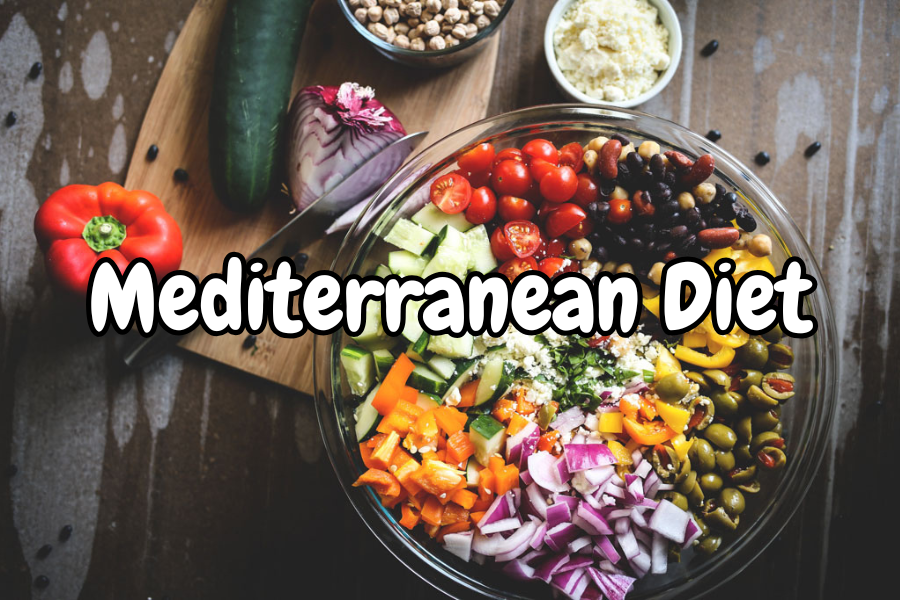
Mediterranean diet snacks are less about complicated recipes and more about the ingredients you use. The pattern focuses on whole, minimally processed foods such as olives, nuts, seeds, vegetables, fruit, legumes, whole grains, and a small amount of dairy, mainly in the form of yogurt or cheese (Whole Lotta Yum, The Mediterranean Dish).
For a snack to fit this style of eating, it usually:
- Leans on plant foods like veggies, fruit, beans, or nuts
- Uses extra virgin olive oil or nuts as the main source of fat
- Limits added sugars and refined grains
- Provides fiber and some protein so you stay full
Most Mediterranean snacks are naturally nutrient dense, rich in protein, fiber, and healthy fats, and relatively low in added sugar, which helps you manage weight and stay satisfied between meals (Whole Lotta Yum).
Focus on protein, fiber, and healthy fats
If you want your snacks to carry you through a nonstop afternoon, think in terms of three things: protein, fiber, and healthy fats.
- Protein helps keep your appetite steady and supports muscle. Legumes like chickpeas and beans, Greek yogurt, cottage cheese, and nuts are all Mediterranean friendly protein sources (The Mediterranean Dish).
- Fiber slows digestion and prevents blood sugar spikes. Vegetables, fruit, whole grains, chickpeas, and beans are key sources. Many Mediterranean diet snacks are designed to provide at least 3 grams of fiber per serving, which is helpful for weight loss and stable energy (EatingWell).
- Healthy fats, especially from extra virgin olive oil, nuts, and seeds, keep you satisfied and support heart and brain health (Cleveland Clinic).
When you combine all three in one snack, you are much less likely to end up raiding the pantry later.
Quick no-recipe Mediterranean snack ideas
You do not always need a full recipe. Some of the best Mediterranean diet snacks come together by pairing a few basic ingredients.
Try combinations like:
- Fresh fruit with a small handful of unsalted nuts, for example an apple with 2 tablespoons of almonds, for fiber, antioxidants, and healthy fats (The Mediterranean Dish)
- Whole grain toast topped with smashed avocado, lemon, and a sprinkle of herbs
- Bell pepper and cherry tomato slices with a simple fresh herb salsa and chopped olives, scooped up with whole grain crackers (Valley Fig)
- A small bowl of marinated olives with carrot sticks
- Cottage cheese with fresh herbs and cucumber slices for dipping
These “assemble, do not cook” options are ideal when you only have a few minutes before your next meeting.
Chickpea and legume snacks for crunch
If you crave something crunchy and salty, chickpeas and other legumes are your friend. They are high in plant protein and fiber, yet low in fat, which makes them excellent Mediterranean diet snacks for weight management (The Mediterranean Dish).
Baked or roasted chickpeas are especially versatile:
- Ranch Roasted Chickpeas, seasoned with garlic powder, onion powder, and dried herbs, deliver a fiber rich, savory crunch that you can eat by the handful or sprinkle over salads and soups (EatingWell).
- Everything Bagel or other spice blends turn chickpeas into crispy, salty bites that travel well in a small container. Removing the skins before roasting helps them get extra crisp (EatingWell).
- Hummus paired with raw vegetables or whole grain toast is a classic snack that combines protein, fiber, and healthy fats in every bite (The Mediterranean Dish).
Cook a batch of chickpeas at the start of the week and season portions differently so you do not get bored.
Smart dairy choices: yogurt and cottage cheese
Dairy is not the star of the Mediterranean diet, but small amounts of yogurt and cheese fit comfortably into this way of eating. For snacks, Greek yogurt is one of the most useful options.
Plain Greek yogurt is:
- Lower in sugar than many flavored yogurts
- High in protein and rich in calcium, vitamin B-12, and probiotics
- Filling enough that a 5 ounce serving with fruit can hold you for hours (The Mediterranean Dish)
You can top it with fresh berries, a drizzle of honey, and a sprinkle of nuts or seeds, or you can blend it with herbs and lemon to make a creamy dip for vegetables.
Cottage cheese can also work for Mediterranean inspired snacks. One idea combines cottage cheese with raspberries, honey, and sunflower seeds for a light snack that delivers protein plus natural sweetness and crunch (EatingWell).
Nuts, seeds, and energy bites
Nuts and seeds are a staple at the base of the Mediterranean diet pyramid. A small handful goes a long way because they are rich in healthy fats, fiber, and antioxidants (The Mediterranean Dish).
You might keep it simple:
- One small palmful of unsalted walnuts, almonds, or pistachios
- A mix of nuts with a few dried figs or dates for a sweet and crunchy mini meal
Or you can turn those same ingredients into portable energy bites and bars:
- Cranberry Almond Energy Balls made with oats, almonds, cranberries, dates, maple syrup, and tahini are easy to make ahead and store. They give you sweetness with a bit of tahini bitterness for balance (EatingWell).
- High Protein Energy Bars built from tahini, oats, apricots, figs, and maple syrup pack in protein, fiber, and slow burning carbs, which makes them ideal grab and go Mediterranean diet snacks when you are running between appointments (EatingWell).
- Energy balls that combine dried figs, chia seeds, dark chocolate, and almond butter are easy to transport for workouts, travel, or lunchboxes (Valley Fig).
Dried figs themselves are a simple, no prep Mediterranean snack. They offer natural sweetness without added sugar and provide fiber, potassium, and calcium. Adding just four California dried figs a day can support measurable health benefits over time (Valley Fig).
Savory, veggie-forward Mediterranean bites
If you prefer savory over sweet, Mediterranean flavors give you plenty of options that fit easily into a busy day.
You can lean into dips and spreads:
- Classic hummus with cucumber rounds, carrot sticks, and cherry tomatoes
- Tzatziki made from yogurt, cucumber, garlic, and herbs, paired with whole wheat pita
- Avocado mashed with herbs and lemon, scooped up with sliced vegetables or grain crackers
- Simple cottage cheese dip or fresh salsa served with whole wheat pita or crackers (Valley Fig)
Or you can build snacks around roasted vegetables:
- Kale chips, baked until crisp, give you a salty crunch that can convert even people who usually dislike kale. The key is to avoid crowding the baking pan so the leaves crisp instead of steam (EatingWell).
- Salt and Vinegar Pumpkin Seeds, soaked in vinegar before roasting, deliver a strong tangy flavor and extra crunch while contributing fiber, healthy fats, and minerals (EatingWell).
- Spiced Roasted Walnuts with cinnamon and ginger provide omega 3 rich crunch and work both as a snack and as a topping for salads or yogurt bowls (EatingWell).
These options store well in airtight containers, which makes them easy to keep at your desk or in your bag.
If you build most of your snacks from nuts, seeds, legumes, vegetables, fruit, and whole grains, you automatically line up with key Mediterranean diet principles without measuring or overthinking.
Make Mediterranean snacks work for weight loss
Mediterranean diet snacks can absolutely support weight loss as long as you pay attention to portions and frequency. Many of these foods are calorie dense, especially nuts and energy bites, so a little goes a long way.
A few guidelines help you use snacks strategically:
- Aim for snacks that contain at least 3 grams of fiber per serving, which supports satiety and healthy digestion (EatingWell).
- Pre portion nuts, seeds, and energy balls into small containers instead of eating straight from the bag.
- Choose one or two planned snacks per day rather than grazing nonstop. The Mediterranean diet encourages portioning and preparing snacks ahead so they are ready when you need them, not when you are already overly hungry (Cleveland Clinic).
- Pair carbohydrates with protein or healthy fats. For example, whole grain crackers with hummus or fruit with Greek yogurt. This combination keeps your blood sugar steadier than carbs alone.
If you have medical conditions or specific weight loss goals, talking with a dietitian can help you tailor Mediterranean style snacks to your needs and preferences (Cleveland Clinic).
Plan and prep for busy days
The biggest reason you reach for less healthy snacks is usually convenience, not lack of willpower. The Mediterranean diet solves this by encouraging you to keep nutritious options prepped and ready to eat (Cleveland Clinic).
Set yourself up once or twice a week:
- Chop vegetables and store them with a bit of water so they stay crisp.
- Portion hummus, yogurt, nuts, and roasted chickpeas into grab and go containers.
- Bake a tray of kale chips or roast a batch of pumpkin seeds or walnuts for the week.
- Mix a jar of trail mix with unsalted nuts, seeds, and a few dried figs or apricots.
- Prepare a batch of energy balls or bars and freeze half for later.
On a hectic day, you can simply open the fridge or pantry, grab a container, and go. You will spend no more time than you would digging for a packaged snack, but you will feel better and stay fuller longer.
Start with just one change, maybe swapping your usual afternoon cookie for Greek yogurt with fresh fruit or a hand portion of nuts and dried figs. Once that feels normal, add another Mediterranean diet snack to your routine. Over time, those small choices can have a big impact on your energy, weight, and overall health.
About the Author