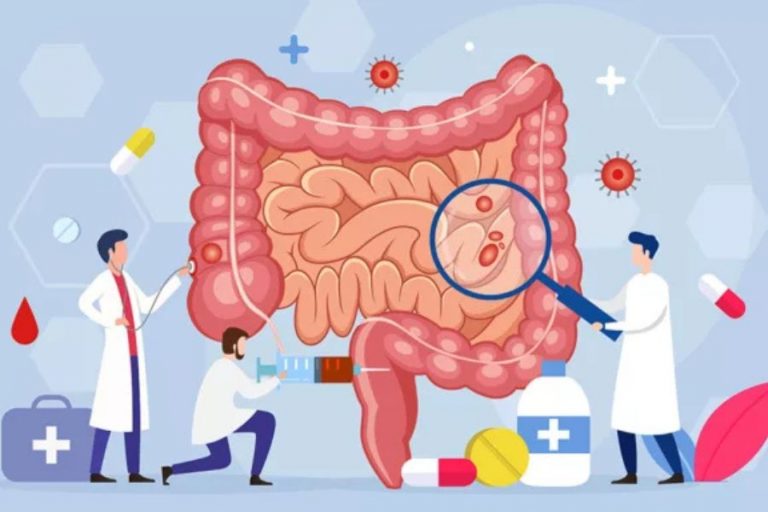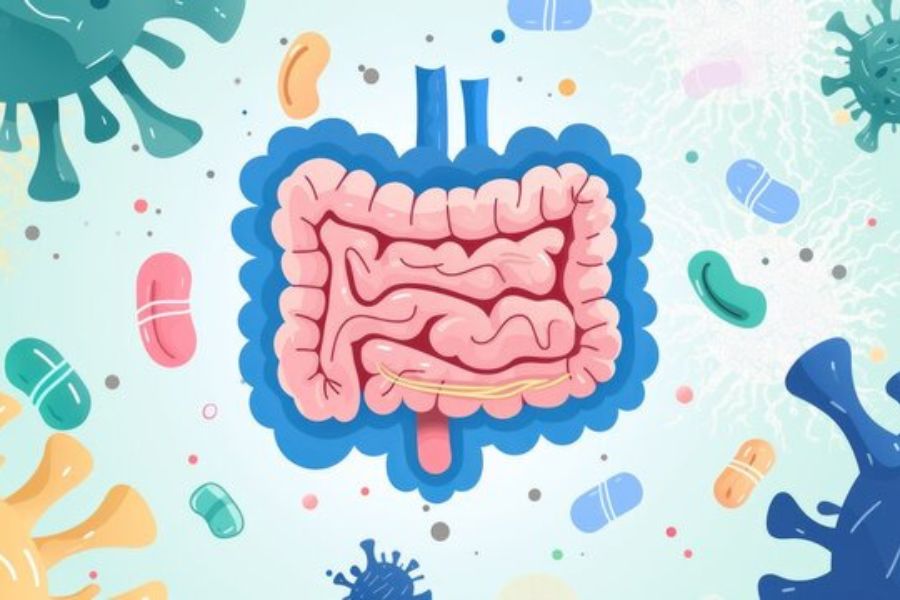
A lot of gut health advice throws around the terms probiotics and prebiotics as if they are the same thing. They are closely related, but understanding the probiotics and prebiotics difference helps you choose what your body actually needs instead of guessing at the supplement aisle.
Below, you will learn what each one is, how they work together, where to find them in food, and what to know before you reach for supplements.
Understand what probiotics are
Probiotics are live microorganisms, usually bacteria or yeast, that can support your health when you consume them in adequate amounts. They help digest food and may ease certain digestive symptoms. You naturally find many of them in fermented foods such as yogurt and sauerkraut, according to Mayo Clinic in 2024 (Mayo Clinic).
You already have trillions of microbes living in your gut. Probiotics add to the mix of helpful microbes and help keep the community in balance. Cleveland Clinic notes that they support the population of friendly microbes and help prevent or correct dysbiosis, which is an imbalance between good and bad microbes in your body (Cleveland Clinic).
You can get probiotics from both foods and supplements. Fermented foods like yogurt, kefir, kimchi, sauerkraut, miso, kombucha, and some cheeses often provide live bacteria. Supplements deliver a more concentrated dose, although more is not always better for every person or condition.
Understand what prebiotics are
Prebiotics are not bacteria. They are parts of food that you do not digest but that your gut microbes can use as fuel. Mayo Clinic explains that prebiotics are components in high fiber foods that microorganisms can break down and use, which helps beneficial gut bacteria grow (Mayo Clinic).
You can think of prebiotics as the dinner plate for your good bacteria. Harvard Health describes them as ingredients in food that your intestines cannot fully digest, such as certain starches, inulin, and pectin. These are especially plentiful in high fiber fruits, vegetables, whole grains, and legumes (Harvard Health Publishing).
Not every fiber is a prebiotic. Nebraska Medicine points out that all prebiotics are fibers but not all dietary fibers have prebiotic effects. The International Scientific Association of Probiotics and Prebiotics defines a prebiotic as a substrate that is selectively used by host microorganisms and that provides a health benefit (Nebraska Medicine).
See the key probiotics and prebiotics difference
You can summarize the probiotics and prebiotics difference with a simple phrase. Probiotics are the live helpful microbes. Prebiotics are the specific fibers that feed those microbes.
Harvard Health puts the distinction clearly. Probiotics are live bacteria and yeasts that help maintain or improve the balance of gut bacteria. Prebiotics act as nutrition for those bacteria, helping them flourish and support gut health overall (Harvard Health Publishing).
So when you drink kefir, for example, you are adding more live bacteria into your gut. Healthline notes that kefir contains multiple strains of friendly bacteria and yeast and can be a more diverse and potent probiotic source than yogurt (Healthline). When you eat oats with berries and a sprinkle of ground flax, you are not adding bacteria, you are feeding the ones already there.
Both are helpful, but they play very different roles in your digestive system.
You can think of your gut like a garden.
Probiotics are the seeds and plants. Prebiotics are the water and fertilizer that help them grow.
Learn how they work together as synbiotics
When you combine probiotics and prebiotics in the same food or supplement, you get something called a synbiotic. Mayo Clinic explains that synbiotics are mixtures of probiotics and prebiotics that may influence gut health by delivering both the live microbes and their preferred fuel source (Mayo Clinic).
Nebraska Medicine also notes that you can take prebiotics and probiotics together and that synbiotic products are designed to support gut health through that synergy (Nebraska Medicine).
In practice, you can create your own synbiotic meals without buying a special product. For instance, if you pair yogurt that contains live and active cultures with a high fiber topping such as sliced banana and oats, you are eating both probiotics and prebiotics in one bowl. The bacteria from the yogurt get immediate fuel from the fibers in the fruit and grains.
Find probiotics in everyday foods
You may already be eating probiotic foods without realizing it. The key is that they must contain live cultures at the time you eat them.
Common probiotic rich foods include:
- Yogurt with live and active cultures on the label
- Kefir, a fermented milk drink with diverse strains of bacteria and yeast (Healthline)
- Sauerkraut and pickles that are refrigerated and unpasteurized so the live bacteria are still present (Healthline)
- Kimchi, miso, and tempeh
- Certain cheeses that are made with live cultures
Cleveland Clinic notes that probiotic supplements usually provide a higher dose of beneficial microbes than foods. Fermented foods still contribute, but they tend to be less concentrated, and some also contain prebiotics that support the growth of the bacteria they deliver (Cleveland Clinic).
If you prefer to start with food rather than pills, adding one or two of these items to your daily routine is a simple way to test how your body responds.
Find prebiotics in fiber rich foods
Prebiotics are easiest to get from plants. You do not need a special label to find them, although labels that mention inulin or certain oligosaccharides can give you a clue.
Research from MD Anderson Cancer Center emphasizes that prebiotics are typically found in fiber rich plant foods. Examples include fruits, vegetables, whole grains, nuts, and seeds (MD Anderson Cancer Center). Nebraska Medicine adds that these foods contain complex carbohydrates such as fiber and resistant starch that bacteria can break down and use for energy (Nebraska Medicine).
Some everyday sources to focus on are:
- Oats, barley, and whole wheat products
- Beans, lentils, and chickpeas
- Onions, garlic, leeks, and asparagus
- Bananas, apples, and berries
- Ground flaxseed, chia seeds, and nuts
MD Anderson notes that some studies suggest 3 to 5 grams of prebiotics per day might benefit gut health, but there are no official serving recommendations yet. Instead, they suggest prioritizing a varied diet with fruits, vegetables, whole grains, nuts, seeds, and probiotic rich dairy to support a healthy microbiome overall (MD Anderson Cancer Center).
Explore potential benefits and current evidence
You will often hear big claims about probiotics and prebiotics improving digestion, immunity, skin, and even mood. Some of these claims are promising, but most are still being studied.
Mayo Clinic states that research as of 2024 shows probiotics and prebiotics may help with various health conditions, but it has not definitively proven that they improve health or are safe for everyone (Mayo Clinic). That means you should see them as potentially helpful tools, not as cures.
Healthline notes that probiotics may particularly support digestive health and may even have some impact on brain function and skin appearance (Healthline). MD Anderson points out that both prebiotics and probiotics can increase helpful bacteria and reduce harmful bacteria in the gut and that early research suggests possible benefits for mental health issues such as anxiety, depression, and behavior (MD Anderson Cancer Center).
Your most reliable, daily benefit is likely more regular digestion and better tolerance of meals, especially if you are improving an overall low fiber, low plant food pattern. If you have specific health goals or conditions, it is worth asking a healthcare professional which types and strains to look for.
Weigh food sources against supplements
To decide whether you should focus on food, supplements, or both, it helps to weigh what each offers.
Harvard Health lists a range of probiotic foods such as yogurt, kimchi, many cheeses, pickles, kombucha, and sauerkraut. They also note that prebiotic foods are typically high fiber grains, vegetables, and fruits that promote healthy gut bacteria (Harvard Health Publishing). For many people, these everyday foods can provide a solid foundation.
Supplements can be useful if you have specific digestive issues or if you have trouble getting enough variety from food. Cleveland Clinic explains that probiotic supplements often deliver a higher dose of microbes than foods and that some fermented foods also offer prebiotics along with probiotics, which can be a gentle way to support your microbiome (Cleveland Clinic).
At the same time, both Mayo Clinic and MD Anderson warn that probiotic and prebiotic supplements are not regulated by the U.S. Food and Drug Administration in the same way as medications. Their safety has not been studied extensively, and there have been serious infections reported in premature infants given probiotics (Mayo Clinic). MD Anderson also cautions that probiotic supplements may not be safe for some cancer patients who are undergoing chemotherapy or radiation. They recommend talking with your care team before using them (MD Anderson Cancer Center).
If you decide to try a supplement, consider:
- Starting with food first to see how your body reacts
- Choosing products that list specific strains and amounts
- Discussing options with your doctor or a dietitian if you have health conditions or take medications
Turn the difference into a daily routine
Once you understand the probiotics and prebiotics difference, you can build simple habits that support your gut without overcomplicating your day.
You might decide to:
- Add one probiotic food, such as yogurt with live cultures, to your breakfast
- Increase prebiotic fiber by swapping in whole grains, beans, and extra vegetables at lunch and dinner
- Create easy synbiotic snacks, such as kefir blended with fruit and oats or miso soup with extra vegetables
Start with one change and pay attention to how you feel over a couple of weeks. If you notice less bloating, more regular bowel movements, or better comfort after meals, that is useful feedback from your body.
As research continues to evolve, keeping your focus on a diverse, plant rich diet plus a few thoughtfully chosen probiotic foods will help you get many of the potential benefits without relying solely on supplements.
About the Author