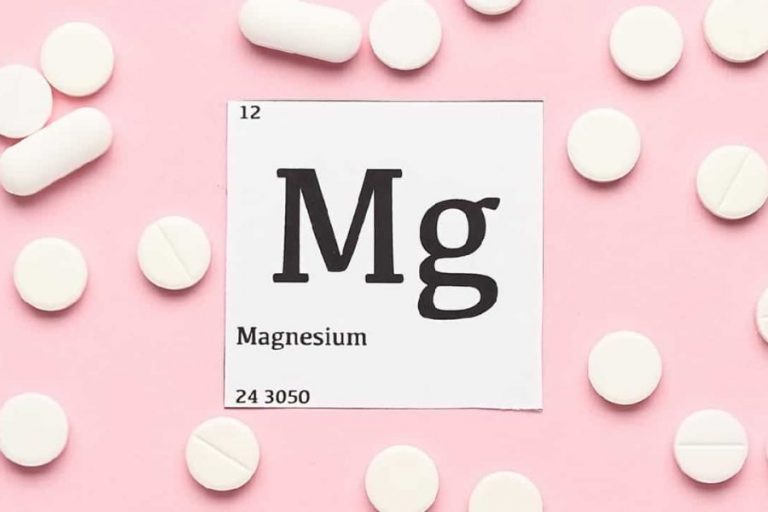
Magnesium affects far more than your muscles and bones. It quietly supports over 300 chemical reactions in your body, including many that shape how you feel mentally and emotionally (Harvard Health Publishing). If you have been dealing with anxiety, low mood, brain fog, or poor sleep, magnesium supplements might be one tool that helps you feel more steady and clear.
Below, you will see how magnesium works in your body, what the research says about magnesium and mental health, the different types of magnesium supplements, and how to use them safely.
Why magnesium matters for your brain
Magnesium is not just a “relaxation mineral” by reputation. It plays specific roles that directly affect your brain and nervous system.
Magnesium helps regulate neurotransmitters, the chemical messengers that carry signals between brain cells. It influences GABA, which has a calming effect, and supports the balance of glutamate, which is stimulating. When magnesium is low, this balance can shift, possibly making you feel wired, anxious, or on edge.
It is also involved in the stress response. Magnesium helps your body manage cortisol, your main stress hormone, and supports healthy nerve and muscle function (WebMD). This is part of why people often notice fewer muscle twitches, cramps, or a sense of “internal tension” when their levels are adequate.
On a bigger scale, magnesium supports cardiovascular health, nerves, muscles, and bones, and participates in hundreds of reactions that keep you functioning day to day (Harvard Health Publishing). When one mineral touches that many systems, it can have ripple effects on how you feel mentally.
Signs you might be low in magnesium
You cannot diagnose a deficiency on your own, but you can notice patterns that suggest it might be worth a conversation with your doctor.
Magnesium deficiency can show up as:
- Nausea or loss of appetite
- Headaches
- Constipation
- Muscle cramps or twitches
- Numbness or tingling
- Irregular heartbeat
- Fatigue and general weakness
Low magnesium over time may also be linked with conditions like type 2 diabetes, heart disease, and osteoporosis (Nebraska Medicine).
Many of these symptoms overlap with stress and mental health concerns. For example, frequent headaches, poor sleep, and feeling worn down can gradually drain your mood. While magnesium is not a cure on its own, correcting a deficiency can remove one layer of strain on your system.
How magnesium supplements may support mental health
Magnesium supplements are sometimes recommended for people at risk of deficiency, including those who take medications like proton pump inhibitors (used for acid reflux) that can lower magnesium levels (WebMD). If your levels are low, bringing them back into a healthy range may help with several mental health related concerns.
Anxiety and stress
Magnesium appears to support your body’s stress response. It may help:
- Manage cortisol levels
- Calm brain chemical messengers
- Ease muscle tension and cramps
This combination can translate into feeling less keyed up, physically and mentally, which is why magnesium is often discussed as a tool for reducing anxiety (WebMD). Magnesium glycinate, for instance, is sometimes chosen for its potential calming effects, although more research is still needed to confirm benefits for anxiety and depression (Healthline).
Sleep and relaxation
Magnesium’s soothing effect on muscles and the nervous system can make it easier for some people to unwind at night. If worries feel louder when you get into bed, or your body stays tense, getting enough magnesium may help you shift toward a more restful state.
Forms like magnesium glycinate and citrate are well absorbed and often preferred when sleep and relaxation are the goals (Nebraska Medicine).
Migraines and brain fog
If you deal with migraines, magnesium might already be on your radar. Research suggests magnesium supplements may help prevent or reduce the frequency of migraine attacks, especially in people whose magnesium levels are low (WebMD). Better migraine control can, in turn, improve your ability to think clearly and maintain a stable mood.
Magnesium L-threonate is another form that has attracted interest because it may increase magnesium concentrations in brain cells and is being studied for potential benefits in depression, Alzheimer’s disease, and age-related memory loss, although more research is needed before firm conclusions can be drawn (Healthline).
Mood, PMS, and metabolic health
Early research points to magnesium’s possible role in:
- Easing premenstrual symptoms such as mood changes and fluid retention (WebMD)
- Improving insulin sensitivity and metabolic control in people with type 2 diabetes, which may indirectly support mood and energy (WebMD)
- Helping reduce body mass index (BMI) and body fat in individuals with deficiency and obesity (WebMD)
Mood is strongly tied to energy, blood sugar stability, and monthly hormonal shifts. If magnesium brings those systems into better balance, you may feel more emotionally steady as a result.
Understanding different types of magnesium supplements
Not all magnesium supplements act the same way in your body. The form of magnesium affects how well it is absorbed and what it is most useful for.
Here is a quick comparison to help you understand the main types mentioned in current research:
| Magnesium type | How your body uses it | Common reasons people choose it |
|---|---|---|
| Magnesium citrate | One of the most bioavailable forms, easy for your digestive tract to absorb (Healthline) | Raising magnesium levels, gentle relief of constipation, support for relaxation and sleep |
| Magnesium glycinate | Magnesium bound to glycine, easily absorbed, may have calming effects (Healthline) | Support for anxiety, sleep, and muscle tension, especially when digestive side effects are a concern |
| Magnesium oxide | Poorly absorbed, more stays in the gut (Healthline) | Short term relief of digestive symptoms like heartburn, indigestion, and constipation rather than raising magnesium levels |
| Magnesium L-threonate | May increase magnesium in brain cells (Healthline) | Potential brain health and memory benefits, currently still under investigation |
| Magnesium orotate | Associated with heart and blood vessel tissue energy production (Healthline) | Heart health support, sometimes used in heart failure care, usually more expensive |
Citrate, glycinate, and malate tend to be better absorbed than oxide or sulfate, while the form, such as capsule, powder, or gummy, matters less than the type, dose, and how often you take it (Nebraska Medicine).
How much magnesium you actually need
For most adults, your recommended daily intake from all sources is:
- About 320 milligrams per day for women
- About 420 milligrams per day for men
Most people can reach these amounts through food alone if their diet is varied and nutrient dense (Harvard Health Publishing). Yet nearly half of US adults still do not meet the recommended dietary allowance for magnesium (UCLA Health).
Health experts strongly recommend a food first approach. Magnesium rich foods, such as pumpkin and chia seeds, dry roasted almonds, spinach, black beans, and edamame, are absorbed well and offer other nutrients your body needs (UCLA Health).
If you and your healthcare provider decide a supplement makes sense, it is important to remember that:
- Most guidelines advise keeping supplemental magnesium under 350 milligrams per day to avoid gastrointestinal side effects like diarrhea and cramping (Nebraska Medicine, UCLA Health)
- Doses under 350 milligrams daily are generally considered safe for healthy adults when taken orally (Harvard Health Publishing, Vinmec Healthcare)
People with kidney disease, pregnancy complications, or diagnosed magnesium deficiency need more careful monitoring and should only adjust intake under medical supervision (Harvard Health Publishing).
Using magnesium supplements safely
Because magnesium is available over the counter, it can feel harmless. It is still a powerful mineral, and too much or the wrong type can cause problems.
Magnesium supplements can cause side effects such as:
- Nausea
- Cramping
- Diarrhea
- Stomach pain
Very high intakes can lead to overdose symptoms like low blood pressure, muscle weakness, fatigue, trouble breathing, heart rhythm problems, and in severe cases can be life threatening if not treated right away (WebMD, Vinmec Healthcare).
Magnesium also has a moderate potential for drug interactions. It can:
- Decrease absorption of certain antibiotics like ciprofloxacin and tetracycline, which is why these should be taken at least 2 hours before or 4 to 6 hours after magnesium (Verywell Health, WebMD)
- Reduce absorption of bisphosphonate medications used for osteoporosis, so timing them at least 2 hours apart is recommended (Verywell Health)
- Act like a natural calcium channel blocker, which may lower blood pressure, and might combine with blood pressure medications to drop it too low (Verywell Health)
- Change how some diabetes medications work, increasing the risk of low blood sugar in certain cases (Verywell Health)
- Interact with anticoagulant or antiplatelet drugs by potentially increasing bleeding risk (WebMD)
Since magnesium supplements are not FDA approved before they reach store shelves, choosing third party tested brands with USP, NSF, or ConsumerLab certifications can help you feel more confident about what you are taking (Nebraska Medicine).
If you are pregnant, taking prescription medications, or living with a chronic condition, check in with your healthcare provider before starting or changing any magnesium supplement. Long term, unsupervised use, especially beyond a few days at higher doses, can lead to magnesium build up and serious side effects, particularly in pregnancy (Vinmec Healthcare).
When magnesium supplements make sense for you
Magnesium is not a stand alone cure for anxiety, depression, or any mental health condition. It can, however, be an important part of your foundation.
You might especially benefit from a thoughtful look at magnesium if:
- Your diet is low in nuts, seeds, whole grains, and leafy greens
- You take medications that can lower magnesium, such as certain diuretics or acid reflux drugs (Verywell Health, WebMD)
- You notice frequent cramps, headaches, fatigue, or poor sleep along with feeling mentally burned out
The most effective plan usually pairs magnesium rich foods with a carefully chosen supplement, rather than relying on pills alone. Together, these steps help your body and brain get what they need so you have a better base for therapy, lifestyle changes, and any medications your provider recommends.
If you are curious about whether magnesium could support your mental health, a practical next step is to log what you eat for a few days, then bring that information to your next appointment. From there, you and your provider can decide whether testing, dietary changes, or a trial of magnesium supplements belongs in your plan.
About the Author