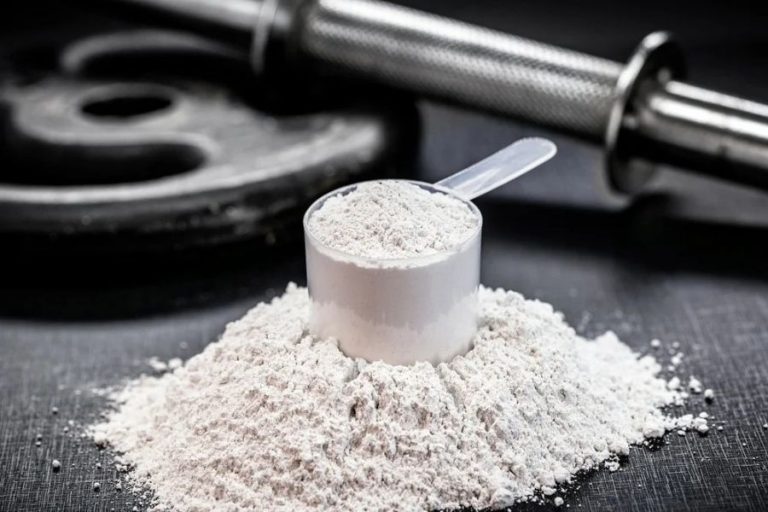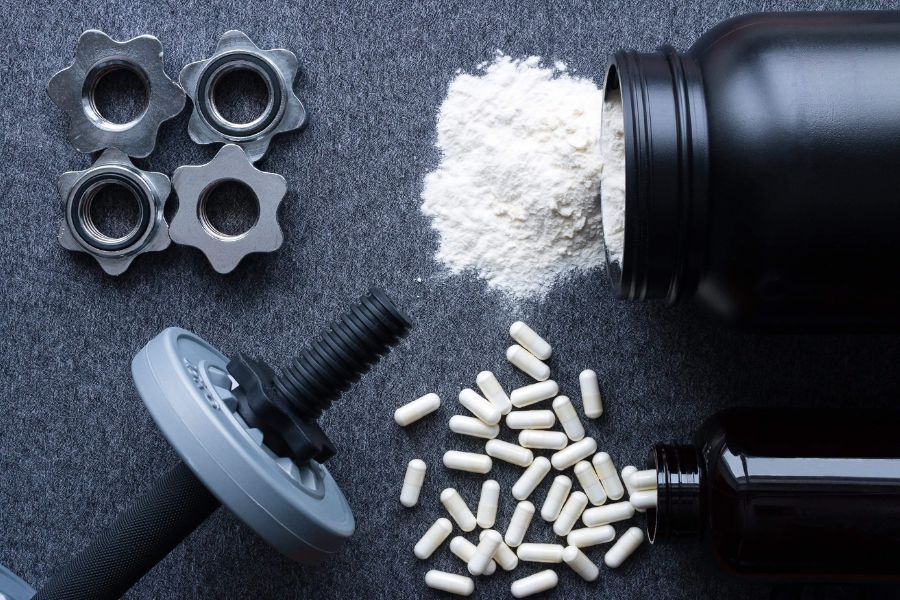
Creatine monohydrate reviews can feel overwhelming to sort through. Some people rave about fast strength gains, others worry about side effects or long‑term safety. When you strip away the hype, most of what matters comes down to three questions: does it work, is it safe, and which product should you choose?
In this guide, you look at what the research actually says about creatine monohydrate, how real users describe their experiences, and how to read creatine monohydrate reviews so you can make a confident choice that fits your goals.
Understand what creatine monohydrate actually does
Before you compare supplements, you need a clear picture of what creatine monohydrate is and what it can realistically do for your body.
Creatine is a compound your body makes from three amino acids. You store most of it in your muscles as phosphocreatine, where it helps quickly regenerate ATP, your cells’ main energy source, during short, intense efforts like heavy lifts or sprints (Mayo Clinic). Creatine monohydrate is the most common supplemental form and is the one that has been studied the most.
According to the Cleveland Clinic, creatine monohydrate supplements increase muscle performance in short duration, high intensity activities such as weightlifting, sprinting, and cycling. Other creatine forms have not shown the same consistent benefits in studies (Cleveland Clinic).
You are not adding a hormone or a stimulant. Creatine is not an anabolic steroid and it is not a controlled substance. It has a different chemical structure and mechanism of action and is regulated as a dietary supplement (PMC).
What research‑backed reviews say about results
When you read creatine monohydrate reviews, it helps to know what typical results look like in controlled studies. That way you can spot claims that sound realistic versus ones that are probably marketing fluff.
A scoping review of 16 randomized controlled trials from 2012 to 2021 found that creatine monohydrate is effective for increasing muscle strength, muscle mass, and athletic performance in healthy young adults who train consistently, using a variety of dosage strategies and sports (Nutrients via PMC). In some cases, benefits started to appear within two weeks even without a high loading dose.
The Cleveland Clinic reports that when you combine creatine with regular exercise you may gain about 2 to 4 additional pounds of muscle over 4 to 12 weeks. Your exact results depend on how you train and eat (Cleveland Clinic).
Certain groups appear to benefit more. If you are vegetarian or vegan, you likely have lower baseline muscle creatine because you do not eat animal products. Research suggests you may see greater gains from supplementation, although it can take longer for your muscle creatine levels to build up (Cleveland Clinic, Mayo Clinic).
On the other hand, creatine does not help everyone equally. For example, one review found no significant improvements in strength or hypertrophy for healthy untrained older adults, although there were modest gains in lower leg muscle density after long‑term training (Nutrients via PMC). If you are older and new to exercise, you may notice smaller or slower changes than a younger, well‑trained lifter.
How fast you may notice a difference
In both research and user reviews, a few patterns repeat:
- Some people feel stronger or more explosive in the gym within 1 to 2 weeks.
- Muscle size changes usually show up after several weeks of steady training.
- Gains tend to be incremental and build over months, not overnight.
One WebMD reviewer who took 5 grams per day without a loading phase described noticeable strength gains after two months and no side effects at that dose. They only reported issues after they doubled their intake (WebMD).
That kind of story lines up with the research: moderate daily doses are usually enough, and more is not necessarily better.
Safety, side effects, and what to watch for
Many creatine monohydrate reviews center on a simple concern: is it safe for you to take long term?
According to the Mayo Clinic, creatine is generally considered safe for healthy individuals when you take it orally at appropriate doses for up to five years, and it does not appear to harm kidney function in people without preexisting kidney issues (Mayo Clinic). Large reviews have found that recommended doses of 3 to 5 grams per day are well tolerated and supported by more than 500 peer‑reviewed papers (PMC).
Still, side effects can happen and it is important to know what to look for.
The Cleveland Clinic lists these potential issues (Cleveland Clinic):
- Temporary weight gain from water retention
- Stomach pain or cramping
- Nausea or diarrhea
- Muscle cramping
- Dizziness
- Heat intolerance
Some people find that splitting their daily dose into smaller servings and taking it with food reduces digestive discomfort. Reviews often mention mild bloating or water weight during loading phases of 20 grams per day. Recent supplement roundups echo this, noting that most healthy adults tolerate 3 to 5 grams a day well, with water retention as the main short‑term complaint (Fortune).
Rare but serious events like interstitial nephritis, rhabdomyolysis, or atrial fibrillation have appeared in case reports. Because of that, and because creatine is processed through your kidneys, you should be cautious if you have preexisting kidney problems and talk to your healthcare provider first (WebMD, Mayo Clinic).
User reviews can also highlight individual differences. One WebMD reviewer reported that creatine benefits did not outweigh mood swings and sudden aggression they experienced (WebMD). That is not a typical side effect in clinical trials, but it is a reminder that your response may not be identical to the average.
Myths you often see in creatine monohydrate reviews
Creatine is one of the most studied supplements in sports nutrition, yet many reviews still repeat the same myths. Knowing what the science says can help you evaluate those claims.
Myth 1: Creatine ruins your kidneys
This concern mostly comes from confusion between creatine and creatinine, a breakdown product doctors measure to assess kidney function. Long term research has not found that creatine monohydrate at recommended doses causes kidney damage in healthy people. A frequently cited case report from 1998 is an outlier and does not reflect the broader data (PMC, WebMD).
If you already have kidney disease or other serious health conditions, the advice is different. In that case, you should be under the care of a clinician who can evaluate the risks for you personally.
Myth 2: Creatine makes you fat
Creatine does often make the scale go up, but not because you are gaining fat. Short term studies show an increase in intracellular water and lean mass when you supplement. Over the long term, systematic reviews report that creatine does not increase fat mass and may slightly reduce body fat percentage in some groups (PMC).
If weight gain concerns you, focus more on how your clothes fit, your strength levels, and your body measurements rather than the number alone.
Myth 3: Creatine causes hair loss
You will see some creatine monohydrate reviews warn about shedding or baldness. Current evidence does not show a direct link between creatine and hair loss. An early, small study that raised this question still found hormone levels within normal clinical ranges, and follow‑up work has not confirmed a clear connection. Experts like Dr. Jose Antonio note that concerns about creatine and hair loss are not backed by strong data (Men’s Health).
If you already have androgenetic hair loss or a strong family history, you may want to discuss any supplement that could potentially affect hormones with your doctor. For most healthy adults, the current research is reassuring.
How to read creatine monohydrate reviews like a pro
Once you know what creatine can do and what typical side effects look like, you can read product reviews more critically. Here are key things to focus on when you compare supplements.
Focus on the form and dose
Most evidence supports plain creatine monohydrate at a daily maintenance dose of 3 to 5 grams (PMC, Men’s Health). Reviews that mention huge benefits from very unusual forms or mega doses should make you pause.
Look for:
- 3 to 5 grams of creatine monohydrate per serving
- Clear labeling with no proprietary blends hiding the creatine amount
- Optional loading instructions that match standard protocols if you want faster saturation
If a reviewer improved simply by switching from a fancy blend to basic monohydrate, that aligns with the research.
Check for third‑party testing and purity
You cannot see purity directly, so external testing matters. Recent supplement roundups highlight products that are third‑party tested and free of unnecessary fillers. For example:
- Transparent Labs Creatine HMB is praised for combining pure creatine monohydrate with HMB, being third‑party tested, naturally sweetened, and free of fillers. It scored 5 out of 5 for first impressions, mixability, and taste in Fortune’s testing (Fortune).
- Onnit Creatine Monohydrate, rated highly by Men’s Health, provides 5 grams of micronized creatine, is Informed Sport certified, tasteless, and mixes easily (Men’s Health).
Reviews that mention certification logos like NSF Certified for Sport or Informed Sport, and independent lab testing, are usually a good sign.
Pay attention to mixability and taste
Creatine monohydrate itself is almost tasteless, but some powders are gritty or clump in water. Testers in recent reviews noticed clear differences between brands. For example, Swolverine Creatine is described as dissolving fully in about 60 seconds with no taste at all, although it scored low for sweetness because it is unflavored (Fortune).
If you know you hate chalky drinks, reviews that mention smooth mixability will matter more to you. If you prefer something flavored or portable, gummies like the Legion Naturally Sweetened & Flavored Creatine Monohydrate Gummies might appeal more. Testers rated them 5 out of 5 for ease of use and swallowability, with some mixed opinions on the Raspberry Lemonade flavor (Fortune).
Look for patterns, not one‑off stories
Some individual reviews will describe dramatic transformations. Others will say “nothing happened.” You get a clearer picture when you look for patterns:
- Do many people around your age and activity level mention similar strength or endurance changes over similar time frames?
- Are side effects like bloating mostly tied to loading phases or very high doses?
- Do reviewers who train consistently seem to benefit more than casual exercisers?
These trends usually mirror what clinical trials find. For instance, Men’s Health notes users who saw a 10 to 20 percent increase in reps on movements like burpees and squat jumps within two weeks of taking creatine twice daily, which matches the performance improvements seen in lab settings (Men’s Health).
Compare popular creatine monohydrate options
To make all this easier to scan, here is a simple comparison of several widely reviewed creatine monohydrate products highlighted in recent expert roundups:
| Product | Form & dose | Key pros from reviews | Potential cons |
|---|---|---|---|
| Transparent Labs Creatine HMB | Powder, 5 g creatine + HMB | Third‑party tested, no fillers, excellent mixability and taste, strong performance focus (Fortune) | More expensive than basic powders, flavored only |
| Nutricost Micronized Creatine Monohydrate | Powder, 5 g creatine | Very budget‑friendly, solid mixability and flavor, simple ingredient list (Fortune) | Some users may experience bloating during loading |
| Legion Creatine Gummies | Gummies, 5 g creatine | Very convenient, easy to remember, no digestive complaints in testing (Fortune) | Taste is somewhat chalky to some reviewers, more sugar and cost per dose |
| Swolverine Creatine | Powder, 5 g creatine | 100% pure monohydrate, perfect mixability, no taste, travel‑friendly packets (Fortune) | No flavor, which you might not like if you prefer sweet drinks |
| Onnit Creatine Monohydrate | Powder, 5 g creatine | Informed Sport certified, micronized for easy mixing, tasteless, mid‑range price (Men’s Health) | Limited flavor options, sold mainly online |
You do not have to pick the “best overall” product. You just need the one that fits your budget, routine, and preferences so you will actually take it consistently.
How to decide if creatine is right for you
As you read creatine monohydrate reviews and compare products, keep bringing the question back to your specific situation.
Creatine supplementation might make the most sense for you if:
- You regularly do high intensity resistance training or sprint‑style workouts
- You want to increase strength, power, or muscle mass over time
- You eat little or no red meat or fish
- You are generally healthy and do not have known kidney disease
If this is you, a daily dose of 3 to 5 grams of pure creatine monohydrate, taken with water or a carb‑containing meal, is a research‑supported place to start (Fortune, Men’s Health).
If you are older, untrained, or managing chronic health issues, creatine can still be helpful in some cases, but your response may be milder. Clinical trials in older adults show improvements in strength and body composition when creatine is combined with resistance training, yet the benefits are not universal (WebMD, Nutrients via PMC). In that case, it is worth talking with your doctor or a dietitian who understands your full medical picture.
Finally, if you decide to try creatine, give it enough time. Track how you feel and perform over 8 to 12 weeks instead of just a few workouts. Then your own experience can join all the other creatine monohydrate reviews and help guide someone else who is just getting started.
About the Author