A lot of what you hear about creatine focuses on male bodybuilders and powerlifters. In reality, creatine supplements for women can support your energy, strength, and even cognitive health at every life stage, from your 20s through post-menopause.
You naturally start with less creatine than men. Research suggests females have about 70–80% lower endogenous creatine stores, which means you may benefit even more from topping up through food and supplementation across pre-menopause, pregnancy, and post-menopause (PMC – NCBI). Below, you will learn how creatine works, what to look for in a supplement, and some top options that are especially well suited to women.
Why creatine matters for women
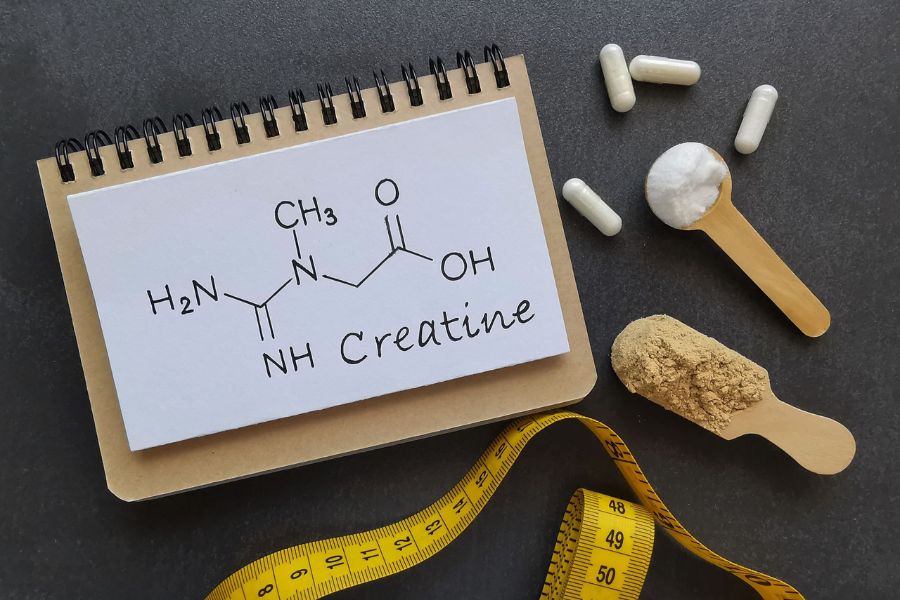
Creatine is a compound your body stores in muscles and the brain. It plays a key role in quick energy production, which is why it is so popular in sports.
Studies in women show that creatine supplementation can:
- Increase muscular strength and power
- Support lean mass and functional capacity
- Potentially benefit cognition and mood
In pre-menopausal women, creatine combined with resistance training has been linked to strength gains of about 18% in the bench press and 24% in the squat (PMC – NCBI). For post-menopausal women, higher dose protocols used in research have improved fat-free mass, strength, and functional test performance, especially when paired with strength training, although effects on bone density are still unclear (PMC – NCBI).
Creatine is not only for athletes. Early evidence suggests it may support brain health, cognition, and mood in women, especially under stress or sleep deprivation (UCLA Health). Some clinical trials have even found that creatine, when combined with antidepressants, can reduce depressive symptoms in female adolescents and adults (PMC – NCBI).
Key benefits of creatine supplements for women
You might think of creatine as a muscle-only supplement, but the benefits for women are broader than that.
Support for strength and lean muscle
If you lift weights, do interval training, or enjoy power-based sports, creatine can help you:
- Lift heavier weights and complete more reps
- Sprint or push harder during short bursts
- Build lean muscle more efficiently
In women who train regularly, creatine has been associated with an extra 2 to 4 pounds of muscle mass over 4 to 12 weeks of consistent exercise, although individual results vary (Cleveland Clinic). This is lean tissue, not fat, which supports long term metabolic health.
Creatine also helps counteract the muscle loss that tends to accelerate around menopause. When you combine creatine with a sensible strength training program, you support muscle mass, metabolic health, and protection against osteoporosis and frailty as you age (TārāMD).
Brain energy, cognition, and mood
Your brain uses a lot of energy. Creatine helps maintain brain energy homeostasis, which is one reason researchers are exploring it for mental health.
Evidence in females suggests that creatine may:
- Improve attention, memory, and overall cognitive function
- Help with mood regulation
- Reduce depressive symptoms when used alongside standard treatment (PMC – NCBI)
Older adults and vegetarians, who often have lower baseline creatine levels, may experience particularly noticeable benefits in cognition and mood (TārāMD).
Hormonal transitions, fertility, and pregnancy
Because women naturally produce less creatine and often eat less dietary creatine than men, supplementation becomes especially helpful during times of fluctuating estrogen, including menstruation, postpartum, perimenopause, and post-menopause (TārāMD).
There is also emerging research that creatine may:
- Support reproductive health and fertility
- Improve pregnancy outcomes by meeting the increased energy demands of the placenta and fetus (TārāMD)
If you are pregnant, trying to conceive, or breastfeeding, you should always discuss creatine with your healthcare provider before starting or continuing use.
Is creatine safe for women?
For healthy women, creatine is one of the most studied and generally safe supplements available.
Systematic reviews show no negative effects on gastrointestinal, renal, hepatic, or cardiovascular health when used at recommended doses across different female age groups (PMC – NCBI). Large health systems also consider it safe for most people, as long as you do not have specific medical conditions that require caution (Cleveland Clinic).
The most common side effects are mild and can include:
- Temporary gas or bloating
- Stomach upset, especially with higher doses
You can often minimize these by starting with a smaller daily dose and skipping a high-dose loading phase, which some women find uncomfortable (UCLA Health).
Creatine can cause short term water retention inside muscles. This is not fat gain. Any small increase in weight typically stabilizes once your body adjusts, usually within a week or two (Midi Health, TārāMD).
If you have kidney disease, take medications that affect kidney function, or have been told to monitor kidney health, speak with your doctor before taking creatine. It can raise creatinine levels on lab tests, which may complicate interpretation, especially if there is already an underlying concern (UCLA Health, Forbes).
How to dose creatine as a woman
The simplest and best supported protocol for women is steady, daily use without loading.
Research and expert guidance suggest:
- A typical daily dose of 3 to 5 grams of creatine monohydrate for women, taken consistently every day (UCLA Health, Forbes)
- For women over 40, 3 grams per day is often ideal, with the option to increase to 4 or 5 grams based on your goals and tolerance (Midi Health)
A high loading phase of 20 to 25 grams per day for 5 to 7 days will saturate muscles faster, but it is not necessary. For many women, loading simply increases the chances of bloating and digestive discomfort without adding long term benefits (Midi Health).
Some clinicians recommend starting at 5 grams per day right away, without any loading, which is effective and usually well tolerated. If you are prone to digestive issues, you can begin with 2 to 3 grams and slowly increase to your target dose (TārāMD).
You can take creatine at any time of day. What matters most is consistency. Many women find it easy to mix into a morning smoothie or water bottle so it becomes part of an existing routine.
What to look for in creatine supplements for women
You do not need an elaborate formula to get results. Creatine monohydrate remains the gold standard.
According to experts in nutritional physiology, creatine monohydrate is the most studied and effective form available, and no alternative form has convincingly outperformed it in terms of absorption or outcomes (Forbes).
As you compare brands, focus on:
- Form: Choose creatine monohydrate, preferably micronized, which dissolves more easily.
- Dose: Look for 3 to 5 grams of creatine per serving.
- Purity and testing: Select products with third party certifications like NSF Certified for Sport or Informed Choice to ensure quality and avoid contaminants (UCLA Health).
- Additives: Decide whether you want pure creatine only or a women-focused formula with extra ingredients for gut comfort or urinary tract health.
- Flavor: If you like flavored drinks, you can choose a sweetened option. If you prefer to add creatine to coffee or smoothies, unflavored is usually best.
Below is a quick comparison of the main choices you will see:
| Feature | Pure creatine monohydrate | Women-focused creatine blends |
|---|---|---|
| Main benefit | Simple, proven, flexible dose | Adds female-specific nutrients or gut support |
| Typical dose | 3–5 g creatine only | 3 g creatine plus extras |
| Best for | Minimalists and those stacking multiple supplements | Women wanting an all-in-one daily scoop |
Notable creatine supplements designed for women
Many good creatine powders are unisex, but a few formulas are created with women in mind.
Wellah Creatine Monohydrate
Wellah Creatine Monohydrate is one example of a women-focused creatine supplement highlighted by independent reviewers. Each serving provides 3 grams of creatine monohydrate, which fits within research based guidelines for women, and also includes:
- Folate, to support cell growth
- Dandelion extract, for vitamins and general immune support
- D-mannose and cranberry extract, to help manage and prevent urinary tract infections, which are a common concern for many women
The creators use natural sweeteners like stevia, Reb M, and monk fruit in flavored versions, and they offer an unflavored option if you prefer a simpler ingredient list (Forbes).
Creatine plus gut comfort blends
Some women find that creatine can cause mild digestive discomfort at first. To address this, a few brands, such as Midi with its Creatine+, combine 3 grams of creatine monohydrate with ingredients like fennel seed extract that are intended to be gentle on your gut. This type of formula can be a good fit if you are sensitive to supplements or worried about bloating (Midi Health).
Straightforward micronized creatine monohydrate
If you prefer a basic option, look for a micronized creatine monohydrate powder, ideally with third party testing. It will typically deliver 3 to 5 grams per scoop with no additional ingredients. This is convenient if you already take a multivitamin or other targeted supplements and you simply want creatine’s benefits without overlap.
Whichever product you choose, check the label for serving size, total creatine content per scoop, and any allergens or added sugars that might not align with your preferences.
How to get the most from creatine
Creatine works best as part of a bigger picture. To feel and see the full benefits, pair it with habits that support your muscles and brain.
You will get more from your supplement if you:
- Lift weights or do resistance training at least two times per week
- Include protein at each meal to support muscle repair
- Stay hydrated, since creatine pulls water into your muscles
- Aim for seven or more hours of sleep per night, which supports recovery and brain health (Midi Health)
Creatine is not a magic shortcut, but it is a reliable way to make your existing efforts go further.
Remember that creatine is not a fat burner. Any early bump in scale weight is almost always from water moving into muscle cells, not fat gain. As your body adapts, your weight tends to stabilize, and many women notice better strength, energy, and workout performance instead of unwanted changes in body composition (Midi Health).
When to talk with your healthcare provider
Most healthy women can start creatine safely on their own, but it is wise to check in with a clinician if you:
- Have kidney disease or a history of kidney issues
- Take medications that affect kidney function or fluid balance
- Are pregnant, trying to conceive, or breastfeeding
- Have chronic digestive conditions and are worried about tolerability
A healthcare provider can help you decide on a starting dose, review your medications, and interpret lab results correctly if you are supplementing with creatine (Cleveland Clinic, UCLA Health).
If you are curious but still unsure, you might begin with 3 grams of creatine monohydrate per day for at least 8 to 12 weeks. Pay attention to your energy, strength, mood, and recovery. From there, you can decide whether creatine deserves a long term place in your routine.
About the Author