Image by Flux
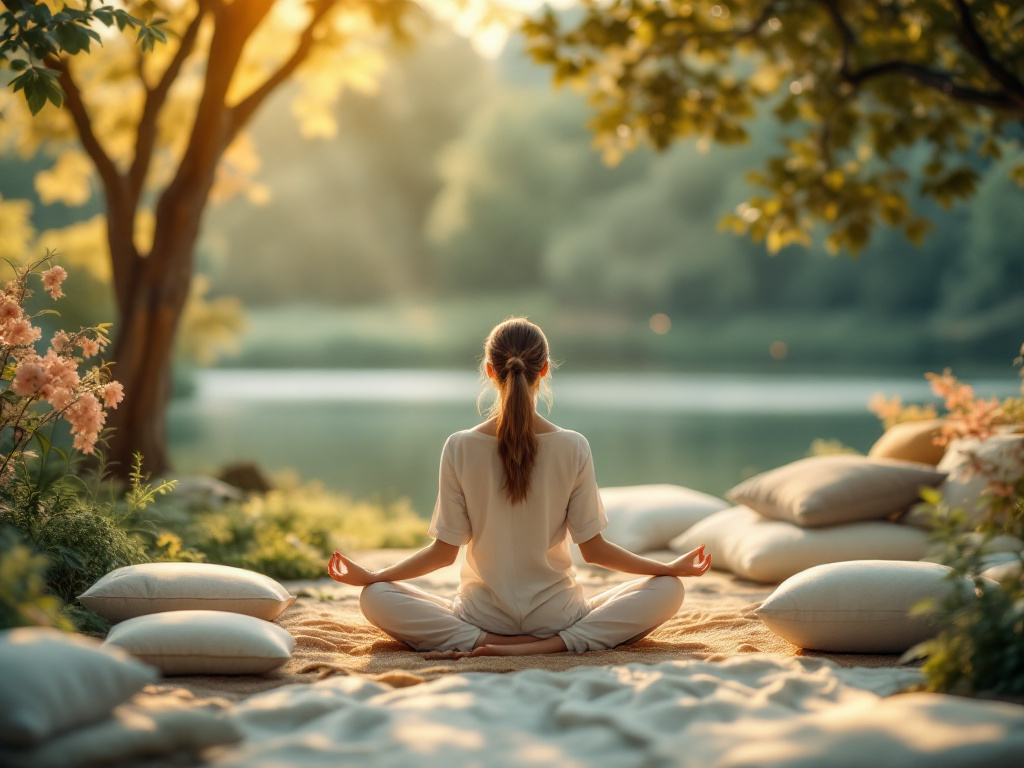
Nearly everything about your life gets harder when your body never gets to relax. Sleep feels shallow. Focus slips. Small hassles hit like big problems. The right relaxation activities will not erase stress, but they can train your body to switch off the constant alert signal and return to a calmer baseline.
Relaxation techniques are proven therapeutic tools that lower physical and psychological tension, and they are widely used to help with stress, anxiety, depression, and even pain in medical settings (NCBI Bookshelf). The good news is you do not need a retreat or spare hours to benefit from them. You can start with a few simple practices that fit into an ordinary day.
Below you will find practical, science-backed relaxation activities you can use today, plus ways to make them stick.
Understand what relaxation really does
Stress is not only a feeling, it is a full-body response. Your heart rate climbs. Your breathing gets shallow. Stress hormones like cortisol rise and stay high when pressure is constant. Over time that chronic activation can affect blood pressure, digestion, mood, and brain function (NCBI Bookshelf, AdventHealth).
Relaxation activities trigger the opposite pattern, often called the “relaxation response,” a state of profound rest first described by Dr. Herbert Benson at Harvard Medical School (Harvard Health Publishing). When you practice these techniques, you help your body:
- Lower cortisol and other stress hormones (NCBI Bookshelf)
- Reduce heart rate and blood pressure, which supports cardiovascular health (AdventHealth)
- Shift digestion out of “fight or flight” back into normal function, which can ease irritable gut symptoms (AdventHealth)
- Improve focus and concentration, because your attention is no longer hijacked by stress signals (AdventHealth)
- Support emotional balance by reducing the chronic stress that can deplete serotonin and dopamine (AdventHealth)
You are not just “chilling out.” You are engaging specific levers in your nervous system that help your body reset.
Use your breath as a built-in reset
Your breath is the fastest, most portable way to turn down your stress response. You carry it everywhere and you can use it without anyone noticing.
Several breathing-based relaxation activities have strong support:
Box breathing for stressful moments
Box breathing is a simple pattern: inhale, hold, exhale, hold, with each step the same length. It has been found effective for managing stress and you can use it before, during, or after a stressful event. You do not even need a quiet environment (NCBI Bookshelf).
Try it like this:
- Breathe in through your nose for 4 counts.
- Hold your breath for 4 counts.
- Exhale gently through your mouth for 4 counts.
- Hold your breath again for 4 counts.
Repeat for 4 to 8 rounds. If 4 counts feels too long, drop to 3. The goal is smooth, controlled breathing, not perfection.
Belly breathing for all-day calm
Breath focus and abdominal (belly) breathing combine slow, deep breaths with gently shifting your attention away from distracting thoughts. This practice has been shown to help people connect to the body in a more positive way (Harvard Health Publishing, American Psychiatric Association).
You can practice belly breathing like this:
- Sit or lie down and place one hand on your chest and one on your belly.
- Inhale slowly through your nose so the hand on your belly rises more than the one on your chest.
- Exhale gently through pursed lips and feel your belly fall.
- Keep your attention on the movement of your hands and the airflow.
Just 5 minutes of this, one or two times a day, can improve mood, sleep, blood pressure, and digestion over time (American Psychiatric Association).
If you have a heart or lung condition, talk with your healthcare provider before you start more intensive breath practices (Harvard Health Publishing).
Relax your body to calm your mind
Stress lives in your muscles as much as in your thoughts. Tight shoulders, clenched jaw, stiff back, all are physical “tells” of constant tension. When you deliberately relax the body, the mind usually follows.
Progressive muscle relaxation to release tension
Progressive Muscle Relaxation (PMR) is a structured exercise where you tense and then relax muscle groups in sequence. It reduces anxiety-related muscle tension and helps you learn the difference between “tight” and “relaxed” so you can release tension earlier (NCBI Bookshelf, Mayo Clinic, American Psychiatric Association).
A simple version:
- Start with your feet. Gently tense the muscles for 5 to 7 seconds.
- Release for 15 to 20 seconds, noticing the contrast.
- Move up: calves, thighs, hips, stomach, hands, arms, shoulders, neck, face.
- Keep your breathing slow and steady throughout.
You should never push into pain. If you have a history of muscle or joint injuries, modify or skip areas that do not feel safe (NCBI Bookshelf).
Body scan to build mind-body awareness
The body scan combines breath focus with a mental sweep through the body. As you move your attention from one area to the next, you notice sensations and imagine releasing tension there. It can deepen your awareness of how stress shows up physically (Harvard Health Publishing).
You can do a body scan in bed at night or in a chair. Start at your toes and slowly move up to your head. If you come across tightness, imagine the breath flowing into that area on your inhale and softening it on your exhale.
If you have had recent surgery or struggle with certain body image issues, a body-focused practice may feel uncomfortable. In that case, start with breath or imagery instead (Harvard Health Publishing).
Use your imagination as a calming tool
Your brain reacts strongly to mental images, even when they are not happening in real time. You can use that to your advantage with guided imagery and visualization.
Guided imagery involves picturing calming environments and engaging all five senses to distract from intrusive or stressful thoughts. It can be done with an audio guide or simply in your own mind (NCBI Bookshelf, American Psychiatric Association).
Here is how to try it without any app:
- Pick a scene that feels peaceful to you, not what you think “should” be calming. It might be a beach, a forest, or your grandmother’s kitchen.
- Close your eyes and imagine it in detail. What can you see, hear, smell, feel, and maybe taste there?
- If your mind wanders back to worries, gently return it to one sense, like the sound of waves or the texture of the chair under you.
Visualization is similar but can also be future oriented. You might imagine yourself handling a difficult meeting calmly or falling asleep easily. The key is to keep the images soothing and to stay with them long enough for your body to respond (Mayo Clinic).
Try movement-based relaxation activities
Relaxation is not only stillness. Certain slow, rhythmic movements combine physical exercise with mental focus and controlled breathing. These practices offer both stress relief and physical benefits like better balance and flexibility.
Yoga, tai chi, and qigong are three well-researched options. Each integrates breathing with postures or flowing sequences to build strength, mobility, and calm attention (Harvard Health Publishing).
You might:
- Add a 10-minute gentle yoga routine before bed
- Join a beginner tai chi class in your community
- Follow a short qigong video in the morning to start your day
These practices can be very safe but if you have joint, heart, or balance issues, you should check in with your doctor before starting something new (Harvard Health Publishing).
Make time for play and hobbies
Not every effective relaxation activity looks like a “technique.” Play and personally meaningful hobbies are powerful, often overlooked ways to reduce stress.
Therapeutic recreation specialists emphasize that play is essential for adults as a source of both relaxation and healthy stimulation. It can expand your leisure interests, boost happiness, and relieve stress (Henry Ford).
Activities like drawing, crafting, or even a simple card game can:
- Trigger endorphin release and a sense of well-being
- Create feelings of pride and accomplishment
- Help prevent memory loss, expand creativity, and reduce depression
- Strengthen your relationships when you do them with others (Henry Ford)
Flow Theory describes what happens when you are so engaged in a challenging but manageable activity that you lose track of time. That state is deeply rewarding and naturally stress reducing (Henry Ford).
The practical takeaway: schedule small pockets for hobbies that feel meaningful to you, not just mindless scrolling. That is a valid form of self-care, not a luxury.
If you remember one thing: relaxation activities are not selfish time. They are maintenance for your brain and body so you can show up better in the rest of your life.
Build a simple relaxation routine that sticks
Relaxation techniques work best when you practice them regularly, not only during a crisis. Medical guidance is clear that you improve the “skill” of relaxation over time, and you should test different methods until you find what fits you best (Mayo Clinic).
You can start small:
- Choose one “micro” practice for the day
- For example, 3 rounds of box breathing before you open your inbox.
- Add one slightly longer practice 3 to 4 times per week
- For example, 10 minutes of PMR in the evening or a gentle yoga video.
- Pick one playful activity each week
- For example, an art project, a board game with a friend, or tending to a plant.
If a technique makes you feel more anxious or brings up difficult emotions, pause and talk with a healthcare or mental health professional. Mayo Clinic specifically recommends reaching out if your attempts at relaxation cause emotional discomfort or do not seem to help over time (Mayo Clinic).
Your next step today
You do not need to overhaul your entire routine to benefit from relaxation activities. You only need one clear next action.
Pick one of these and schedule it in the next 24 hours:
- 5 minutes of belly breathing after lunch
- A single run-through of progressive muscle relaxation before bed
- A 10-minute guided imagery break during your afternoon slump
- A short, fun hobby session tonight, even if it is just doodling or a quick game
Set a timer, try it once, and notice how your body feels before and after. You can refine your mix of relaxation activities later. What matters is that you start giving your nervous system regular chances to reset. Your focus, mood, and long-term health are likely to follow.
About the Author