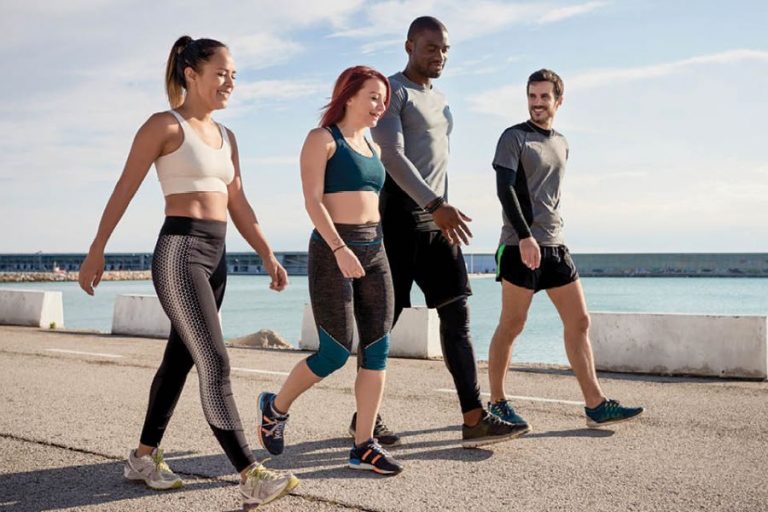
A walking workout is one of the simplest ways to improve your health as you age. Walking workouts for seniors do not require a gym membership or fancy equipment, and you can adapt them to almost any fitness level. With a few smart habits, you can walk your way to better heart health, stronger muscles, sharper thinking, and easier weight management.
Below, you will find practical walking ideas you can do almost anywhere, plus tips to stay safe, comfortable, and consistent.
Why walking is so powerful for seniors
Walking may feel ordinary, but for older adults it is a proven, powerful form of exercise.
Regular walking can help you:
- Lower your risk of cardiovascular disease, type 2 diabetes, and dementia
- Improve blood pressure, fitness, body weight, and body fat levels (NCBI PMC)
- Boost mood, sleep, and overall wellbeing (NCBI PMC)
Studies show that consistent walking can reduce resting blood pressure by a few points on both the top and bottom numbers, which adds up to a meaningful drop in heart disease and stroke risk over time (NCBI PMC).
Walking is also strongly linked with independent living. Your ability to walk comfortably, and without assistance, is one of the biggest factors in whether you can keep doing the things you love into your 70s, 80s, and beyond (Better Health Victoria).
How much walking you actually need
You do not need to spend hours walking every day to see benefits.
Public health guidelines give you a clear target:
- Adults over 65 are encouraged to do at least 150 minutes per week of moderate intensity aerobic activity, such as brisk walking (NHS, CDC)
- This works out to about 30 minutes a day, 5 days a week
Moderate intensity means your heart rate is higher, you breathe faster, and you feel warmer. You should be able to talk, but not sing, during your walk (NHS, CDC).
If you are currently inactive or have not exercised in a long time, start smaller:
- Begin with 5 to 10 minutes of slow walking
- Gradually increase your time by a few minutes every few days
- Work toward 30 minutes total most days of the week
Experts recommend increasing your walking time and distance by up to 20 percent every two weeks until you reach 150 minutes per week, and potentially up to 250 minutes weekly if weight loss is your goal (AARP).
Safety first before you start
If you have not exercised recently, or if you have ongoing health concerns, talk with your doctor before beginning a new walking program. They can help you understand what level of activity is safe for your current fitness and medical needs (Better Health Victoria).
You can also protect yourself by:
- Wearing comfortable sneakers that fit well and support your feet. If you have foot problems, ask your doctor or a podiatrist about the best shoes for you (Better Health Victoria, Health In Aging)
- Using a cane or walker if you need one. These devices help with balance, reduce joint stress, and make it easier to keep walking safely (Health In Aging)
- Listening to your body. If you feel pain, dizziness, chest discomfort, or unusual shortness of breath, stop and rest, and contact your doctor
Starting slowly, and giving your body time to adapt, helps you avoid common overuse issues like plantar fasciitis, tendinitis, shin splints, and blisters (The Healthy).
Simple walking workouts you can do anywhere
You do not need a track or treadmill to get a good workout. These walking workouts for seniors can be done in your neighborhood, at a park, inside a mall, or even around your home.
1. The 10 minute anytime walk
This is ideal if you are just getting back into exercise or have a busy schedule.
- Warm up for 2 minutes at an easy pace.
- Walk 6 minutes at a pace where you can talk but would not choose to sing.
- Cool down for 2 minutes with slower walking.
You can repeat this short walk two or three times a day. Breaking your activity into small sessions still counts toward your weekly total and may feel more achievable than one longer session (CDC).
2. The 30 minute brisk walk
This is a great goal once you feel more comfortable.
- 5 minutes easy walking to warm up.
- 20 minutes at a brisk, moderate intensity pace. Use the talk test to find your effort level.
- 5 minutes of slower walking to cool down.
This structure aligns closely with the 30 minutes a day, 5 days a week recommendation from the CDC and the NHS (CDC, NHS).
3. Indoor hallway or living room walk
If the weather is poor or you prefer to stay close to home, you can still get your steps in.
- Walk back and forth along a hallway or between two rooms
- Use a staircase for a few extra minutes of gentle uphill work if it feels safe
- Put on a favorite playlist or TV show and walk in place during each commercial break
You can time yourself with a watch or phone. Aim for 10 to 15 minutes at first, then slowly increase as it becomes easier.
4. Neighborhood intervals
Intervals are short bursts of slightly faster walking, followed by easier walking. They help you burn more calories in less time and improve your fitness.
Try this structure:
- Warm up for 5 minutes at an easy pace.
- Walk fast for 1 minute, then slow down for 2 minutes.
- Repeat the 1 minute fast, 2 minutes easy pattern 5 times.
- Cool down for 5 minutes.
You can do intervals on a sidewalk, in a park, or even inside a shopping mall.
Turning walking into a weight loss tool
Walking is very helpful for weight control and fat loss as you age. It burns calories, protects muscle, and is easy to stick with long term.
For general health, 150 minutes of moderate walking per week is enough. For weight loss, experts suggest working up to at least 250 minutes of walking weekly, or about 50 minutes, 5 days a week (AARP).
To make your walking workouts more effective for weight loss:
- Focus on brisk walking where you can talk, but not carry on a full conversation. This level helps you burn more calories while staying safe (AARP)
- Consider two shorter walks per day instead of one long walk. For many older adults who are overweight, this pattern is easier to manage and can be more effective for fat loss (AARP)
- Pair your walking with a balanced eating plan that emphasizes whole, nutrient dense foods, along with good sleep and stress management. Walking helps most when it is part of a healthy lifestyle, not the only change you make (AARP)
You do not have to aim for perfection. Consistency matters far more than a single perfect workout.
Add strength and balance to protect yourself
Walking is an excellent aerobic workout, but it does not cover all your needs on its own.
Health authorities recommend that older adults:
- Do muscle strengthening exercises at least two days per week, working major muscle groups with 8 to 12 repetitions per set (CDC, NHS)
- Include activities that improve balance and flexibility, especially if you have fallen before or worry about falling (NHS)
You can combine these with your walks. For example:
- After a walk, do a few minutes of gentle strength work like wall push ups, seated leg lifts, or light resistance band exercises
- Practice standing on one leg while holding the back of a chair
- Try walking a few steps backward or sideways in a safe, clear area to challenge your balance. The CDC notes that combining walking with balance activities helps prevent falls (CDC)
These small additions make your walking workouts more complete and support your independence.
You do not have to choose between heart health, strength, and balance. Short, simple add ons to your walk can support all three.
Staying motivated and making it social
The best walking workout is the one you will keep doing. Walking with others is one of the easiest ways to stay consistent.
Research shows that walking with friends or in a group improves not only physical health, but also social connection and mental wellbeing (Better Health Victoria, The Healthy). Programs like Heart Foundation Walking and other community groups give you ready made walking partners and routes (Better Health Victoria).
You can also:
- Join a local mall walking group
- Ask a neighbor, friend, or family member to meet you for a regular walk
- Use walking time as a chance to make phone calls if you are walking in a safe environment
Even a brief 12 minute walk has been shown to lift mood, which makes it easier to come back for your next session (The Healthy).
A gentle four week walking progression
If you like having a plan, here is a simple four week progression inspired by programs designed for older adults (The Healthy).
You can adjust it to your needs, and remember to talk with your doctor before you begin if you have any concerns.
Week 1
- Walk 20 minutes per session, 3 days this week
Week 2
- Walk 25 to 30 minutes per session, 4 days this week
Week 3
- Walk 30 to 35 minutes per session, 5 days this week
Week 4
- Walk 35 to 40 minutes per session, 5 to 6 days this week
Always begin with a gentle warm up and end with a cool down. If any week feels too hard, repeat it before moving to the next one.
Bringing it all together
Walking workouts for seniors are simple, flexible, and backed by strong research. With regular walking, you can:
- Meet or exceed the 150 minutes per week of recommended activity
- Support heart, brain, and metabolic health
- Maintain independence and confidence on your feet
- Manage your weight when combined with healthy eating
You can start with something as small as 5 or 10 minutes around your home and build from there. Choose one walking idea from this guide, put on comfortable shoes, and take your first steps today. Every minute you walk is an investment in the years ahead.
About the Author