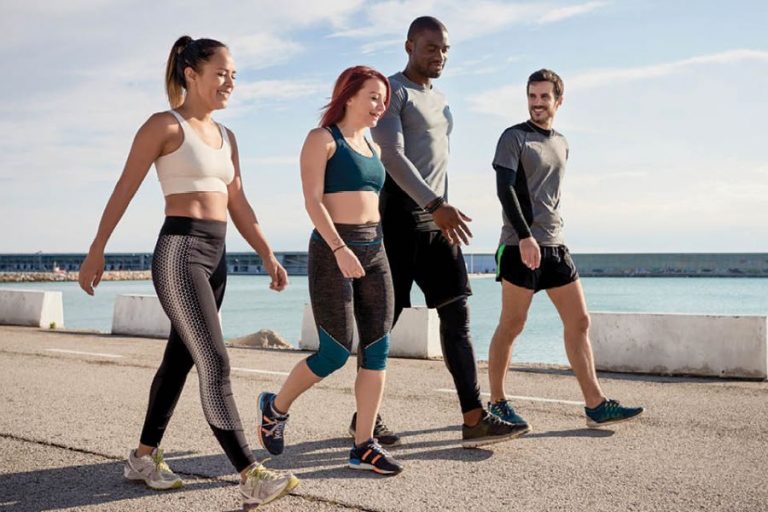
Walking workouts with weights can turn an everyday stroll into a strength and cardio session in one. By adding a bit of resistance, you increase intensity, burn more calories, and challenge your muscles without needing a gym membership or complicated equipment.
Below, you will learn how to safely layer weights into your walking routine, which tools are worth using, and when it makes more sense to focus on traditional strength training instead.
What walking with weights actually does for you
Walking is already a powerful tool for better health. It boosts cardiovascular fitness, supports weight loss, and is easy on your joints. When you add weight, you simply ask your body to work a little harder with every step.
Research shows that walking with weights can slightly increase your energy expenditure and oxygen consumption compared to walking without them, which means you burn more calories and challenge your heart and lungs more intensely (NPR). One study found that walking on a treadmill with a weighted vest equal to 15 percent of body weight increased calorie burn from 5.7 to 6.3 calories per minute (Healthline).
The change is modest, but over time those small increases add up, especially if walking is your main form of exercise.
What walking workouts with weights will not do is replace a solid strength program. Experts point out that even with a vest, walking does not stress muscles enough to create major strength or size gains, and full range of motion resistance exercises with dumbbells or bodyweight are still more effective for building muscle (NPR).
Think of weighted walking as a smart add‑on for calorie burn, endurance, and light strength, not your only resistance training.
Know your options: Types of walking weights
Not all weights are created equal, and some are much kinder to your joints than others. You have a few main choices when you design walking workouts with weights.
Weighted vests
A weighted vest sits close to your torso, which keeps the load near your center of gravity. That allows your stride to stay relatively natural and reduces the extra strain on knees, hips, and ankles compared with hand or ankle weights (Healthline).
Vests can:
- Increase heart rate and energy use, which can help you burn more calories
- Put gentle pressure on your bones, which may help stimulate new bone cell growth and slow bone loss, especially when combined with other strength work (Harvard Health Publishing)
- Improve lower body muscle power and functional ability when used in a structured walking program (Men’s Health UK)
Because the weight is distributed around your torso, vests tend to be safer for posture and stability than weighted backpacks and they let you walk longer before fatigue compared with holding weights in your hands (UCLA Health, Peloton).
Hand weights
Light dumbbells or walking hand weights add resistance to your natural arm swing. Used thoughtfully, they can help you engage the upper body and slightly increase calorie burn (Healthline).
They are also easy to swap for common household items like water bottles or soup cans if you are just starting and do not own dumbbells (TODAY).
The key is to keep them light. Experts generally suggest starting with about 1 to 3 pounds per hand, and beginners in strength work are often advised to use 3 pound dumbbells before working up to 5 or 7 pounds for more focused upper body training (TODAY, MasterClass).
Ankle and wrist weights
Ankle weights and wrist weights are wearable cuffs that fasten around your joints. They might look convenient, but they come with more risk.
Physical therapists caution that ankle weights during walking or aerobics can cause muscle imbalances by overworking the quadriceps relative to the hamstrings, and they raise the risk of tendon or ligament injuries to the knees, hips, and back (Harvard Health Publishing). Wrist weights can create similar problems for the wrists, elbows, shoulders, and neck, especially when you swing your arms vigorously during cardio (Harvard Health Publishing).
Ankle weights can be helpful for slow, controlled leg lifts and specific strength exercises where you are not pounding the pavement, but they are not your best choice for a daily walk.
In short, if your goal is safer, more sustainable walking workouts with weights, prioritize vests and light hand weights and save ankle and wrist weights for targeted, non‑impact strength moves.
How to choose and size your walking weights
The safest approach is to start lighter than you think and progress gradually.
With a weighted vest, many experts suggest beginning around 5 percent of your body weight. For instance, if you weigh 150 pounds, that would be a 7.5 pound vest. Over time, you can build up to 10 percent of body weight if you feel strong and pain‑free, but going heavier can increase injury risk and may not provide much extra benefit (Harvard Health Publishing, UCLA Health, Healthline).
For hand weights, aim for:
- 1 to 3 pounds per hand when you first add them to your walk
- A focus on controlled movement, not swinging or gripping so hard that your hands cramp
When you want a true upper body challenge, you will get more from a short, focused dumbbell workout after your walk than simply carrying heavier weights for longer. A beginner friendly strength routine might use 3 pound dumbbells at first, then build to 5 or 7 pounds as your form and stamina improve (TODAY).
If you are new to exercise, have back or neck issues, arthritis in your lower body, or other medical conditions, talk with your doctor before you use a weighted vest or any walking weights. People with spinal stenosis or disc problems are usually advised to avoid heavy vests because the extra pressure can worsen symptoms (Harvard Health Publishing, UCLA Health).
Build a safe walking workout with weights
Once you have chosen your equipment, you can plug it into a simple weekly plan.
Start with your base: Unweighted walking
Aim to build a consistent walking routine before you add resistance. Many plans recommend at least 7,000 to 8,000 steps per day for general health and longevity, and you can split your walking into shorter chunks if that is easier to fit into your schedule (Men’s Health UK).
If you are just getting started or coming back from a break, try:
- 15 to 20 minutes of walking
- 2 to 3 days per week
- At a pace that lets you talk but not sing
This matches general guidance for beginners using walking workouts with weights, except you will keep those early sessions weight free until they feel comfortable (MasterClass).
Layer in light weights
After a couple of weeks of consistent walking with no pain or unusual fatigue, you can start to add resistance.
One simple progression:
- Add a 5 to 10 minute block with a light vest or hand weights in the middle of your regular walk.
- Keep the rest of the walk unweighted.
- Over a few weeks, gradually extend the weighted portion until you are comfortable using resistance for most of the session.
You might walk three days per week with a pattern like:
- Day 1: 20 minutes, last 5 minutes with a vest
- Day 2: 25 minutes, middle 10 minutes with light hand weights
- Day 3: 30 minutes, alternating 5 minutes with a vest and 5 minutes without
Sports medicine experts emphasize that the key is slow progression. Starting with about 5 percent of your body weight in the vest and building intensity gradually helps you avoid joint strain and overuse injuries (UCLA Health).
Combine walking and strength for better results
For fat loss and overall fitness, pairing walking with simple strength exercises is very effective. One beginner plan includes five upper body dumbbell moves, such as bicep curls and overhead presses, plus five lower body bodyweight exercises like squats and lunges, performed in three rounds of 10 repetitions (TODAY).
You can adapt that idea like this:
- Walk 15 to 20 minutes
- Do 2 to 3 rounds of:
- 10 bodyweight squats
- 10 lunges per leg
- 10 bicep curls with light dumbbells
- 10 overhead presses
This approach uses walking to raise your heart rate and burn calories, then uses strength work to build and maintain muscle. Studies and expert reviews consistently point out that structured resistance training is more effective than weighted walking alone for protecting bone density and muscle mass, especially as you age (NPR).
Important safety tips you should follow
A few small habits will keep your walking workouts with weights productive instead of painful.
- Warm up with a few minutes of easy, unweighted walking and gentle leg and arm swings.
- Wear walking shoes that provide flexibility, durability, stability, and support (MasterClass).
- Keep your posture tall, with your ribs stacked over your hips. Avoid leaning forward if you are wearing a vest or backpack, which can strain your lower back (Healthline).
- Skip ankle and wrist weights on your walks to reduce joint and tendon stress. Save them for slow, controlled strength moves instead (Harvard Health Publishing).
- Avoid using hand weights on a treadmill, since the combination of moving belt and added load can increase fall and injury risk (Peloton).
- Rest at least 24 to 48 hours before you train the same muscles hard again and pay attention to how your joints feel during and after a session (MasterClass).
If you feel sharp pain, tingling, or joint discomfort that does not ease up quickly when you slow down or remove the weights, stop your workout and, if needed, check in with a medical or fitness professional.
What to expect from your routine over time
With a consistent plan, you can expect:
- Slightly higher calorie burn than walking alone
- Improved cardiovascular fitness and endurance
- Stronger feeling legs and core, especially if you pair walking with focused strength exercises
- A routine that is still low impact and joint friendly, as long as you keep loads moderate and your form solid
You will likely not see dramatic muscle growth from walking with weights alone, and current evidence does not show large improvements in bone health or muscle strength from weighted vests compared with regular walking, particularly in menopausal women (NPR). That is why adding a short, simple strength session two or three times per week is such a smart complement.
If you already have a regular walking habit, you do not need to overhaul your routine. Start by adding five weighted minutes, notice how your body responds, and build from there. With patience and consistency, walking workouts with weights can make your everyday steps work a little harder for your health.
About the Author