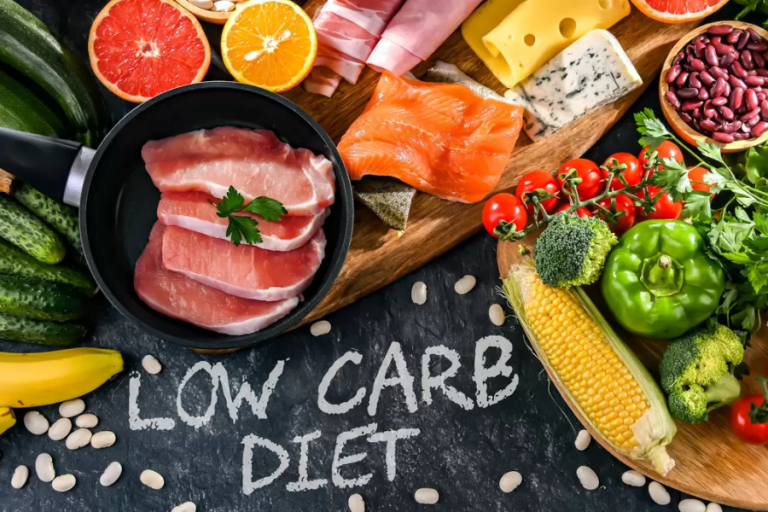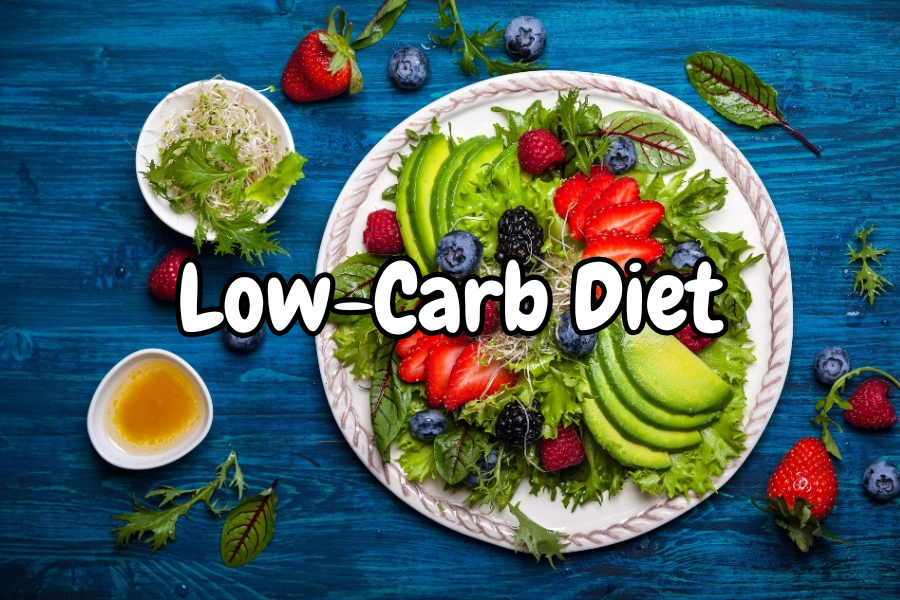
A low carb diet can do more than help you lose weight. When you focus your dinners on lean protein, healthy fats, and plenty of vegetables, you support steadier energy, better blood sugar control, and fewer late night cravings. The good news is that low carb diet dinner recipes can be comforting, colorful, and full of flavor, not just plain chicken and salad.
Below, you will find simple ideas, smart ingredient swaps, and specific recipe suggestions so you can build a weekly dinner routine that feels satisfying and realistic to follow.
Understand what “low carb” really means
Before you plan dinners, it helps to know what counts as low carb. Many low carb diet dinner recipes are built around the idea of keeping carbohydrates to roughly 15 grams or less per serving. This general guideline shows up across popular eating styles like Atkins, paleo, Whole30, and keto, which focus on limiting, not fully eliminating, carbs from your meals (Food Network).
You still eat vegetables, some fruits, and smaller amounts of starches. The difference is that you shift the balance on your plate. Instead of a large portion of pasta or rice, you bring in more protein and non starchy vegetables and then add a modest amount of complex carbohydrates if they fit your goals.
If you are managing a health condition, such as diabetes, check with your healthcare provider or dietitian to confirm the right carb range for you. Your needs may be different from a general low carb guideline.
Stock your kitchen with low carb staples
If you want low carb dinners to feel effortless, set yourself up with ingredients that can turn into quick meals. When these basics are on hand, you can mix and match, rather than starting from zero every night.
Think in three categories: protein, vegetables, and smart carb replacements.
- Protein: chicken breasts and thighs, ground turkey or beef, salmon, white fish, shrimp, eggs, tofu, and lentils
- Vegetables: leafy greens, broccoli, cauliflower, zucchini, spaghetti squash, bell peppers, mushrooms, tomatoes, asparagus, and Brussels sprouts
- Healthy fats and extras: olive oil, avocado oil, butter, nuts, seeds, olives, cheese, Greek yogurt, and full fat coconut milk
- Carb replacements: cauliflower rice, zucchini ribbons, spaghetti squash strands, low carb tortillas or egg wraps, and lettuce leaves for wraps
Many low carb diet dinner recipes in popular collections lean on this pattern. For example, you see salmon paired with cauliflower rice, or chicken baked over a bed of vegetables, which keeps the carb count down while still offering volume and flavor in each bite (EatingWell).
Use smart swaps to lower carbs without losing comfort
You do not have to give up your favorite comfort foods. Instead, you can trade some ingredients for lower carb versions that feel familiar but fit your plan better.
One helpful approach is to keep the flavors you love and change the “base” of the dish. For example, use zucchini, cauliflower, or spaghetti squash in place of pasta or rice. These swaps soak up sauces and seasonings and allow you to enjoy dishes that would otherwise be heavy on carbohydrates.
Here are a few examples pulled from trusted recipe collections:
- Chicken enchiladas made with zucchini ribbons instead of tortillas keep the cheesy, saucy feel of the original, while dropping the carb count to about 10 grams per serving (Food Network).
- Cauliflower fried rice uses grated cauliflower in place of rice so you still get the familiar flavors of soy sauce, eggs, and vegetables, but with far fewer carbs (Delish).
- Zucchini lasagna roll ups take thin slices of zucchini, roll them around seasoned ricotta, and bake everything in marinara sauce, giving you the comfort of lasagna in a lighter form (Delish).
When you approach dinner this way, you keep the joy of a hearty meal while staying aligned with your low carb goals.
Build quick low carb meals on busy nights
On weeknights, you probably want dinners that come together quickly and use just a few pans. Low carb diet dinner recipes are well suited to this because many rely on sheet pans, skillets, and one pot dishes.
Sheet pan dinners
Sheet pan meals let you roast protein and vegetables together. You toss everything with oil and seasoning, spread it on a pan, and let the oven do the work.
For example, a sheet pan Caprese chicken dinner layers chicken breasts with tomatoes, basil, and a balsamic drizzle which keeps prep and cleanup minimal while staying low in carbohydrates (Food Network). Other recipes combine chicken thighs with vegetables such as green beans and bell peppers, often using garlic and soy or ginger based sauces for extra flavor without extra sugar (EatingWell).
You can repeat the same method with salmon, shrimp, or sliced sausages. Adjust cooking times based on protein, and you have an easy template you can use all week.
One pan and skillet meals
Skillet dinners are ideal when you want the stovetop to handle dinner in under 30 minutes. You can sauté chicken or ground meat with spices, add low carb vegetables, then finish with a simple sauce.
Some ideas you might try:
- Chicken enchilada skillet casseroles that skip traditional tortillas and instead bake meat, vegetables, and cheese in a single pan (EatingWell)
- Skillet chicken with olives or mushrooms for a Mediterranean inspired meal, often found in low carb chicken roundups that emphasize flavor as much as nutrition (Taste of Home)
If you prefer plant forward meals, lentil bowls with greens and eggs can give you plenty of protein and fiber while fitting easily into a lower carb pattern, especially if you keep any starchy sides small (EatingWell).
Try low carb twists on familiar favorites
If you are unsure where to start, it helps to look at categories you already enjoy and then search for low carb versions. Many major cooking sites organize their low carb recipes so you can quickly find an alternative to the dishes you already know.
You might explore:
- High protein creamy chicken dishes that are still low in carbs, like “Marry Me Chicken”, which uses a rich sauce to make lean cuts more satisfying (Delish)
- Cheesy vegetable based casseroles, such as broccoli cheddar spaghetti squash, that feel like classic comfort food but use squash instead of pasta (Delish)
- Mushroom stuffed pork tenderloin for an impressive main dish with only about 3 grams of carbohydrates per serving (Food Network)
New York Times Cooking also offers a large low carb collection that includes salmon, steak, chicken meatballs, and vegetarian recipes, many of which are ready in under 30 minutes. This kind of variety helps you avoid getting stuck with the same two or three dinners every week (New York Times Cooking).
When you feel bored with your current meals, pick one favorite recipe and search for a low carb version that keeps the same flavors. This small tweak makes your new way of eating easier to sustain.
Include salads and bowls that actually fill you up
Salads and grain bowls can easily be tailored to a low carb diet. The key is to build them around protein and healthy fats, then add plenty of non starchy vegetables for volume. If you only use lettuce and a light dressing, you may feel hungry again in an hour.
Low carb salad based dinners often follow this pattern:
- Start with greens such as romaine, spinach, or mixed lettuce.
- Add a hearty protein like grilled chicken, salmon, shrimp, steak, or boiled eggs.
- Layer in extras for texture and nutrients, such as avocado, nuts, seeds, olives, or a small amount of cheese.
- Finish with colorful vegetables like cherry tomatoes, cucumbers, bell peppers, and shredded carrots.
Collections of low carb meals under 400 calories highlight salads such as classic Cobb, chicken Nicoise, or beef based salads, all of which combine protein, vegetables, and healthy fats while keeping carbohydrates lower than a typical pasta or rice based dinner (Taste of Home).
If you prefer bowls, you can swap rice for cauliflower rice or shredded cabbage. Salmon rice bowls, for example, become lower carb when you use riced cauliflower instead of grains, yet still feel filling because of the protein, crunchy vegetables, and flavorful sauces (EatingWell).
Plan a simple weekly low carb dinner rotation
To make your low carb dinner routine sustainable, aim for a loose plan rather than perfection. A simple rotation keeps decision fatigue low and gives you a framework to shop and prep around.
Here is one way to structure a week using ideas from the recipes above:
- Monday: Sheet pan Caprese chicken with a side of roasted broccoli
- Tuesday: Zucchini lasagna roll ups with a simple green salad
- Wednesday: Salmon cauliflower rice bowls with crunchy vegetables
- Thursday: Chicken enchilada skillet casserole made with extra vegetables
- Friday: Mushroom stuffed pork tenderloin with sautéed green beans
- Saturday: Big Cobb style salad with grilled chicken and avocado
- Sunday: Lentil and greens bowl topped with fried eggs
You can repeat favorite meals weekly or swap in other options from low carb collections as your confidence grows. Sites like Food Network, Delish, New York Times Cooking, Taste of Home, Skinnytaste, and That Low Carb Life offer dozens of family friendly chicken, seafood, and vegetarian ideas that match this pattern and give you even more combinations to try (Food Network, Delish, New York Times Cooking, Taste of Home, Skinnytaste, That Low Carb Life).
Adjust low carb dinners to your needs
As you experiment with low carb diet dinner recipes, remember that your needs are personal. You can treat the ideas above as a starting point and then adjust portion sizes and ingredients to fit your body and your health goals.
If weight loss is your focus, you might pair low carb dinners with mindful portions of healthy fats and occasional higher carb sides like sweet potatoes or beans. If you are managing blood sugar, you may prefer to keep starches even lower and emphasize protein rich, vegetable heavy meals such as chicken with spinach and mushrooms or shrimp with zucchini noodles (Taste of Home, Skinnytaste).
Start with one or two low carb dinners this week, notice how you feel, and then build from there. Over time, you will discover the recipes that you genuinely look forward to, which is the most important part of making this way of eating last.
About the Author