Mediterranean diet basics in plain language
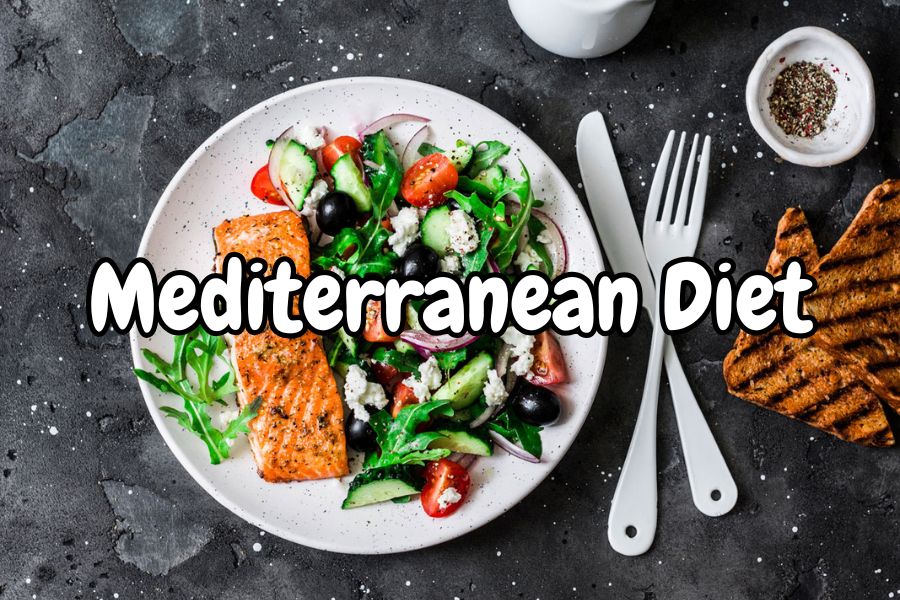
If you are curious about the Mediterranean diet because you want to lose weight, protect your heart, or simply eat in a way that feels more natural and enjoyable, you are in a good place to start. The Mediterranean diet is not a strict set of rules. It is an eating pattern built around vegetables, fruits, whole grains, beans, lentils, nuts, seafood, and healthy fats like extra virgin olive oil, with smaller amounts of animal products and sweets.
Healthcare providers consider it a smart choice for long term health. In mid twentieth century Mediterranean countries, this way of eating was linked with lower rates of coronary artery disease and other chronic conditions, largely thanks to its focus on plant based foods and healthy fats (Cleveland Clinic). You can borrow the same pattern today without moving to Greece or Italy.
Understand what the Mediterranean diet includes
At its core, the Mediterranean diet is about what you eat most of the time, not the occasional treat. You center your plate on plants, you cook with olive oil, and you treat red meat and sweets as once in a while foods instead of everyday habits.
According to major reviews, the traditional Mediterranean diet is rich in minimally processed plant foods and monounsaturated fat from olive oil, and lower in saturated fat, meats, and full fat dairy (PubMed). That balance is a big part of why it supports a healthy heart.
Here is how that looks in everyday foods:
- Plenty of vegetables and fruits
- Whole grains like oats, brown rice, barley, farro, and whole wheat bread
- Beans and lentils
- Nuts and seeds
- Extra virgin olive oil as your primary fat
- Fish and seafood regularly
- Modest amounts of poultry, eggs, and fermented dairy like yogurt or kefir
- Small amounts of red meat, processed meat, sweets, and highly processed snacks
This pattern has been named one of the best eating plans for overall health for years because it combines healthy fats, fiber rich produce, and whole grains while limiting harmful saturated fats and added sugars (EatingWell).
Why the Mediterranean diet helps your health
If you are thinking about making a change, it helps to know why it is worth the effort. A large body of research connects better adherence to a Mediterranean style diet with lower risk of major cardiovascular problems. A systematic review of 45 prospective studies, including randomized trials and observational cohorts, found meaningful reductions in coronary heart disease, ischemic stroke, and total cardiovascular disease among people who followed this pattern more closely (PubMed).
The landmark PREDIMED trial in Spain reached a similar conclusion. Participants who ate a traditional Mediterranean diet, often supplemented with extra olive oil or nuts, had fewer cardiovascular events. Later reviews concluded that the evidence for heart benefits meets criteria for causality, which means the diet pattern itself is likely responsible for much of the protection seen (PubMed).
The benefits are not limited to your heart. Research highlighted in a 2024 Mediterranean diet plan found that people who follow this way of eating show fewer signs of Alzheimer type changes in the brain, based on a 2023 study of a Mediterranean DASH style intervention (EatingWell). The same pattern has also been linked to potential support for weight loss and overall metabolic health, especially when it helps you move away from sugary, highly processed foods (UC Davis Health).
Focus on the key building blocks
To start the Mediterranean diet in a way that feels realistic, you can think in terms of building blocks instead of strict rules. You aim to eat more of certain foods and less of others.
Make plants the center of your plate
Vegetables and fruits supply fiber, vitamins, minerals, and antioxidants that protect your cells. The Mediterranean diet pyramid encourages frequent consumption of vegetables, fruits, whole grains, and extra virgin olive oil, while pointing you to limit red meat and sweets (Cleveland Clinic).
At most meals, you can:
- Fill half your plate with vegetables or a mix of vegetables and fruit
- Choose a whole grain, like brown rice or whole wheat pasta, instead of refined versions
- Add beans or lentils several times a week for extra plant based protein
Choose healthy fats, especially extra virgin olive oil
One of the most recognizable pieces of the Mediterranean diet is extra virgin olive oil. It is used for cooking, salad dressings, and drizzling over finished dishes. Extra virgin olive oil is higher in unsaturated fats and antioxidants than regular olive oil, which may offer better protection against heart disease, brain damage, and inflammation (Cleveland Clinic).
You do not need to drown your food in oil, but you can:
- Cook vegetables in a small amount of extra virgin olive oil instead of butter
- Use olive oil plus lemon juice or vinegar as a simple salad dressing
- Drizzle a teaspoon over cooked fish, beans, or whole grain bowls for flavor and healthy fat
Prioritize seafood and plant proteins
In this eating pattern, seafood is a regular guest, not a rare special occasion. Fish bring heart friendly omega 3 fats and lean protein. Beans, lentils, nuts, and seeds add more plant based protein and fiber.
You can aim to:
- Eat fish or seafood a couple of times per week
- Swap one or two meat based meals each week for bean based dishes, such as lentil soup or chickpea salad
- Snack on a small handful of unsalted nuts instead of chips
Poultry, eggs, and fermented dairy like yogurt or kefir appear in moderate amounts, while red meat and processed meats play a smaller role (EatingWell).
Foods to enjoy less often
A helpful way to look at the Mediterranean diet is that nothing is completely forbidden, but some things move to the background. Foods that you limit are those that are high in unhealthy fats, sugars, and sodium, because they are often linked to heart disease and type 2 diabetes (UC Davis Health).
This includes:
- Sugary drinks and sweets
- Refined grains like white bread and pastries
- Processed meats such as bacon, sausage, and deli meats
- Red meat, which you can keep for occasional use
- Highly processed snack foods
You do not need to remove these overnight. You can gradually shrink their portion sizes or move them from daily habits to once or twice per week treats.
Adapt the Mediterranean diet to your needs
One of the reasons many people stay with the Mediterranean diet is its flexibility. You can adjust it to vegetarian or gluten free preferences by shifting where your protein and grains come from.
If you do not eat meat or fish, you can rely more on nuts, seeds, beans, lentils, and soy based foods for protein, which still fits within the Mediterranean pattern (Cleveland Clinic). If you are gluten free, you can pick gluten free whole grains like brown rice, quinoa, and certified gluten free oats.
Healthcare providers often recommend this diet for people with heart disease risk factors, and dietitians can help personalize it to your health conditions, allergies, and food preferences so that it is easier to follow and more effective for you (Cleveland Clinic). If you have a chronic condition or take medications that affect appetite or digestion, it is wise to talk with a professional before making big changes.
Take simple first steps today
You do not need to adopt a perfect Mediterranean meal plan overnight. In fact, starting with small, steady changes can be more sustainable. UC Davis Health notes that even gradual shifts, like swapping in olive oil and adding more whole foods, can lead to significant long term benefits (UC Davis Health).
Here are a few easy moves you can make this week:
- Replace your usual cooking fat with extra virgin olive oil in at least one meal per day.
- Add one extra serving of vegetables at lunch or dinner, even if it is just a side salad or sliced cucumber and tomatoes.
- Choose whole grain bread or brown rice instead of white versions once per day.
- Plan one fish based dinner and one bean based dinner for the week.
- Swap a sugary snack for a piece of fruit and a small handful of nuts.
If you like structure, you can look at a simple 7 day Mediterranean style plan such as the beginner friendly version that offers roughly 1,164 to 1,382 calories per day, with clear guidance on how to scale up to 1,500 or 2,000 calories by adding items like whole wheat English muffins, almond butter, Greek yogurt, and unsalted dry roasted almonds (EatingWell). Plans like this often repeat simple breakfasts and lunches and rely on leftovers for dinner, which lowers the pressure of constant cooking and supports new habits.
If a full overhaul feels overwhelming, pick one meal to make more Mediterranean this week and build from there.
Make lifestyle habits part of the change
The Mediterranean diet is about more than ingredients. It also reflects a lifestyle that includes regular movement and shared meals. People in Mediterranean regions often walk, garden, or do other physical activity as part of daily life. They cook at home, enjoy meals with others, and approach eating as a social, pleasant experience instead of a rushed task (EatingWell).
You can bring some of that spirit into your routine by:
- Cooking at home a bit more often, even if you start with very simple recipes
- Sitting down at a table, without screens, for at least one meal per day
- Taking short walks after meals to support digestion and blood sugar control
- Paying attention to how full you feel, and stopping when you are satisfied instead of stuffed
These small practices support weight management, because they slow you down and help you listen to your body. Combined with nutrient dense Mediterranean foods, they can help you lose weight in a way that feels less like a strict diet and more like a livable pattern.
Putting it all together
The Mediterranean diet gives you a flexible framework that supports heart health, brain health, and healthy weight. It is built on accessible ideas: more plants, better fats, regular seafood and plant proteins, and fewer processed foods, sweets, and red meats. Strong research backs its benefits, including large reviews and clinical trials that connect this way of eating with lower rates of cardiovascular disease (PubMed).
You do not have to change everything at once. Start with one or two simple swaps today, like using extra virgin olive oil in place of butter and adding an extra serving of vegetables. As those changes become normal, layer in more, such as weekly fish dinners or bean based lunches. Over time, your plate will begin to look more Mediterranean, and your body will feel the difference.
About the Author