Image by Flux
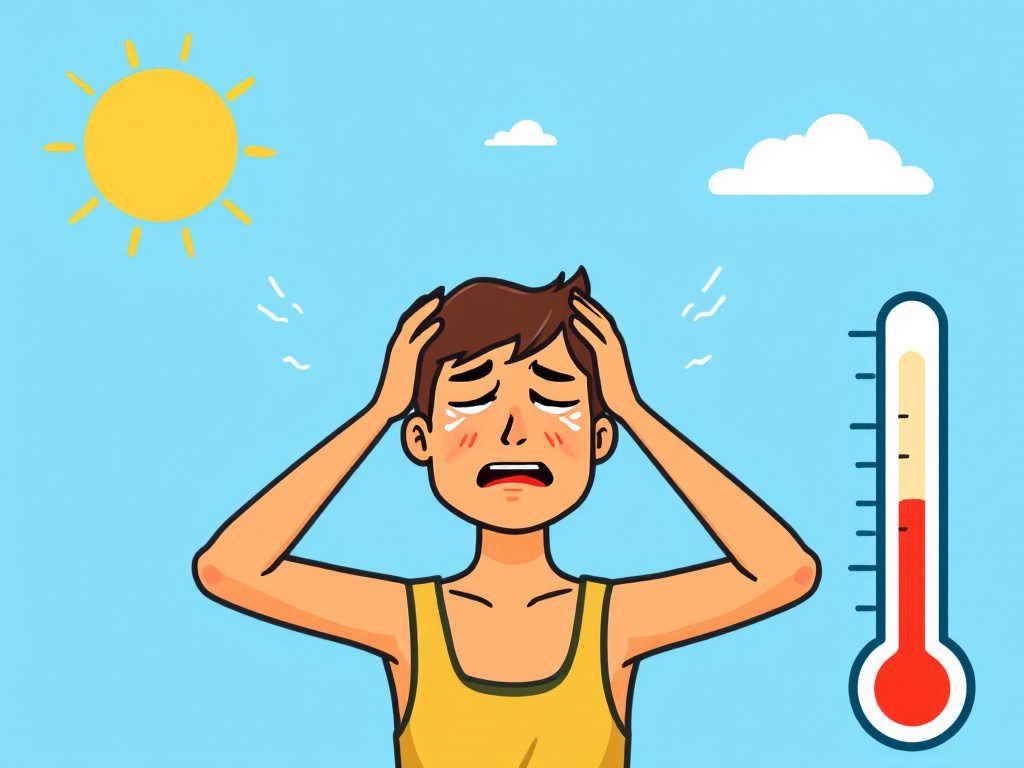
Nearly every heat wave brings the same story. Someone feels “a bit off” in the heat, pushes through, and ends up in the ER with a heat illness that could have been stopped an hour earlier. Learning to recognize heat exhaustion symptoms is how you avoid that cliff edge.
You do not need a medical degree to catch the early warning signs. You do need to know what to look for, what to do in the first 10 minutes, and when it is time to stop treating at home and call for help.
Understand what heat exhaustion actually is
Heat exhaustion happens when your body overheats and loses too much water and salt through sweating. It often shows up during sports, yard work, or any strenuous activity in hot, humid weather when your usual cooling system cannot keep up. (Mayo Clinic)
It sits in the middle of the heat illness spectrum:
- Heat cramps: mild, mostly painful muscle cramps with heavy sweating and thirst.
- Heat exhaustion: heavier sweating, rising body temperature, and whole‑body symptoms like dizziness and nausea.
- Heat stroke: a medical emergency with very high body temperature and brain symptoms like confusion or unconsciousness.
In heat exhaustion, your core temperature is typically below 104°F and you are still mentally alert, even if you feel awful. (Cleveland Clinic, UNC Health Southeastern) That detail matters, because a change in mental status is one of the clearest signs you have moved into heat stroke territory.
Spot the early warning signs
Heat exhaustion symptoms can begin slowly or hit you suddenly, especially if you have been active in the heat for a long stretch. (Mayo Clinic) The earlier you notice them, the easier they are to reverse.
Key early clues include:
- Heavy sweating that does not let up
- Muscle cramps or spasms in your legs, arms, or abs
- Feeling unusually tired, weak, or “wiped out”
- Thirst that seems hard to quench
Those cramps matter. They are often the first step on the path from heat cramps into full heat exhaustion and they are your cue to slow down and cool off. (Cleveland Clinic)
If you treat these early signs seriously, you often prevent the more intense symptoms from ever showing up.
Recognize full heat exhaustion symptoms
Once heat exhaustion is underway, your whole body starts sending stronger distress signals. You might notice several of these at once:
- Dizziness or lightheadedness
- Headache that builds in the heat
- Nausea or vomiting
- Weakness, fatigue, or feeling like your legs are rubber
- Fainting, near fainting, or unsteady walking
- Heavy sweating paired with cool, pale, or clammy skin
- A fast but weak pulse
These symptoms reflect what is happening inside your body. You have lost a lot of fluid and salt through sweat. Your circulation is under strain. Your temperature is rising, but your skin may still feel cool or slightly wet as your body tries to keep cooling itself. (Emory Healthcare, UNC Health Southeastern)
One key detail: with heat exhaustion you are usually still able to talk clearly and answer questions. Your thinking is intact, even if you feel miserable. That clear mental status is one way to distinguish heat exhaustion from heat stroke, which involves confused or strange behavior. (UNC Health Southeastern)
Tell heat exhaustion from simple dehydration
Dehydration and heat exhaustion share a lot of overlap. In both, you may feel thirsty, tired, and a bit dizzy. The difference is that heat exhaustion includes a rise in core temperature and a broader cluster of symptoms related to overheating, not just low fluids. (Emory Healthcare)
With simple dehydration, you might notice:
- Thirst and dry mouth
- Dark yellow urine
- Mild fatigue or headache
With heat exhaustion, you are more likely to notice:
- Heavy or prolonged sweating
- Cool or clammy skin instead of dry skin
- Faster, weaker pulse and shallow breathing
- Nausea, cramping, dizziness, or near fainting
You treat both by resting and hydrating, but heat exhaustion is more urgent. It can progress to heat stroke quickly if you ignore it, especially in high humidity where sweat does not evaporate well and cooling is less effective. (Mayo Clinic)
Know when it is turning into heat stroke
Your goal is to act while you are still in the heat exhaustion zone. That said, you also need a hard line where you stop treating at home and call emergency services.
You should seek immediate medical help if you or someone else in the heat develops any of the following:
- Confusion, distress, slurred speech, or unusual behavior
- Loss of consciousness, even briefly
- Inability to drink or keep fluids down
- Hot, red, dry skin or very high temperature
- A core body temperature of 104°F (40°C) or higher if you can measure it
These are classic red flags for heat stroke, which can raise core temperature above 106°F in 10 to 15 minutes and can be fatal without urgent care. (Mayo Clinic, Emory Healthcare, Cleveland Clinic)
If you see these signs, you are no longer managing “heat exhaustion symptoms.” You are managing an emergency while waiting for help.
Take immediate first aid steps
Once you suspect heat exhaustion, your next 10 to 30 minutes matter. The aim is simple: stop the overheating and replace fluids and salt.
Here is what to do, step by step:
-
Stop the activity
Pause work or exercise immediately. Even a short break can prevent things from spiraling. -
Move to a cooler place
Get into air conditioning if you can. If not, find shade, a breezy spot, or at least ground that is not reflecting direct sun. (UC Davis Health) -
Loosen or remove excess clothing
Take off any unnecessary layers, hats, or gear so heat can escape. This is particularly important if you are in thick uniforms or synthetic fabrics that trap heat. (Emory Healthcare) -
Cool the skin
Use what you have: cool, wet towels on the neck, armpits, and groin, a fan or AC vent, a cool shower, or a spray bottle with water. Emergency services may use misting and fanning for the same reason, because it speeds up skin cooling. (UC Davis Health, Cleveland Clinic) -
Rehydrate carefully
Take frequent small sips of cool water or a sports drink rather than chugging a huge amount at once, which can trigger vomiting and worsen dehydration. (Emory Healthcare) If you cannot keep fluids down, that is a reason to seek medical care. -
Lie down and rest
If you feel faint, lie down with your legs slightly elevated to support blood flow. Most people start to improve within about 30 minutes if they treat heat exhaustion quickly. (UNC Health Southeastern)
Stay out of the heat for the rest of the day if possible. Going back to strenuous activity too soon is an easy way to relapse.
If your symptoms do not improve within an hour, or if they worsen at any point, get medical help. Heat exhaustion can slide into heat stroke faster than you think. (UC Davis Health, Cleveland Clinic)
Build simple habits to prevent heat exhaustion
You cannot control the weather, but you can stack the odds in your favor before you ever feel heat exhaustion symptoms.
Focus on a few practical habits:
-
Hydrate ahead of time
Do not wait until you are very thirsty. Drink water regularly before, during, and after time in the heat. People at higher risk, such as older adults or those with certain medical conditions, often need more deliberate hydration. (UC Davis Health, UNC Health Southeastern) -
Time your activity wisely
When possible, schedule outdoor work or workouts for the cooler parts of the day, typically before 11 a.m. or after 4 p.m. This one change can cut your heat load dramatically. (UNC Health Southeastern) -
Choose the right clothing
Wear light colored, loose, and breathable fabrics. Avoid heavy synthetics that trap heat and sweat. This is especially important for kids, older adults, and anyone who does not tolerate heat well. (UC Davis Health) -
Take regular shade breaks
Do not treat “toughing it out” as a badge of honor. Plan short breaks in the shade or indoors on a set schedule rather than waiting until you feel bad. (UNC Health Southeastern) -
Watch vulnerable people closely
Children, older adults, and people with chronic conditions or lower fitness levels develop heat exhaustion faster and sometimes show fewer complaints early. Check in often, especially during long outdoor events. (UC Davis Health)
The payoff is simple. These habits keep your core temperature in a safer range and make it much less likely that you will ever need to use the first aid steps above.
Turn awareness into action this season
You now know what heat exhaustion symptoms look like, how they differ from basic dehydration, and where the line into heat stroke begins. You also know the first aid steps that matter in those early minutes and the daily habits that quietly lower your risk.
To make this real, pick one situation you face often, like weekend yard work, summer practices, or long walks in the sun. Decide, in advance, how you will handle three things:
- When you will hydrate and rest.
- What you will watch for in your own body.
- The exact point where you will stop and cool down, even if others keep going.
You cannot control the temperature outside, but you can control how prepared you are. In the next heat wave, that preparation might be what keeps a simple sweaty day from turning into a dangerous one.
About the Author