Paleo diet vs keto at a glance
If you are trying to lose weight or improve your health, you have probably run into the debate of paleo diet vs keto. Both promise results, both cut out processed foods, and both can feel a little intense when you first read the rules.
The key difference is why and how you limit carbs. Paleo focuses on eating like your distant ancestors, with whole, unprocessed foods. Keto focuses on changing how your body burns fuel by sharply cutting carbs so you enter ketosis, a state where you burn fat for energy instead of carbohydrates (Healthline).
Understanding how each works will help you choose a style of eating you can realistically stick with, instead of a short-lived experiment that leaves you frustrated.
What the paleo diet really is
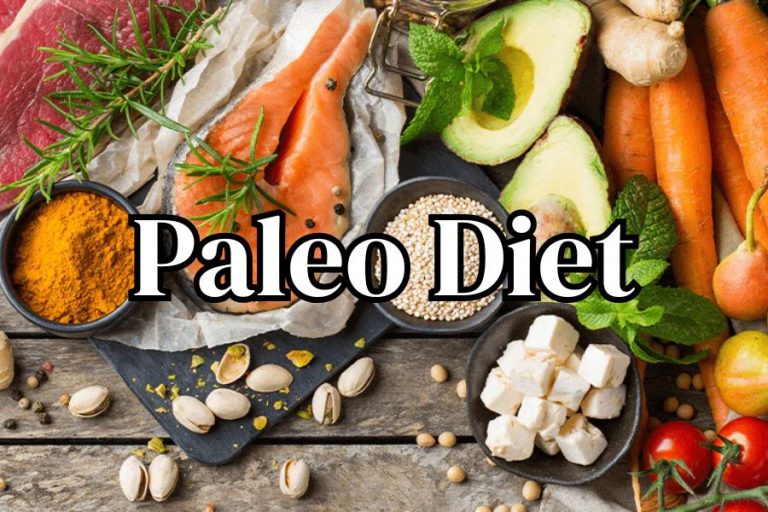
The paleo diet, sometimes called the caveman diet, is built around the idea of eating foods that would have been available to humans in the Paleolithic era, roughly 2.5 million to 10,000 years ago (WebMD). In practice, that means you focus on:
- Meat and seafood
- Eggs
- Vegetables and fruits
- Nuts and seeds
- Healthy fats like olive oil and avocado
You avoid grains, legumes, most dairy, refined sugar, and highly processed foods (Healthline). Many versions also encourage you to choose higher quality options like grass-fed beef, wild-caught fish, and organic produce when possible (MorningStar Family Health Center).
You do not count calories or track macros on paleo. Instead, you pay attention to food quality and fullness. Because you eat more protein, fiber, and minimally processed foods, you naturally tend to eat fewer calories and feel satisfied longer.
Research suggests that a paleo eating pattern can lead to weight loss, lower BMI, smaller waist size, and reduced blood pressure and cholesterol, all of which support better cardiovascular health (WebMD).
What the keto diet really is
The ketogenic diet is less about which whole foods you eat and more about your macronutrient ratio. Your goal is to eat so few carbohydrates that your body switches from using glucose for fuel to using ketones produced from fat. This metabolic state is called ketosis.
A typical keto breakdown is around 60 percent of your calories from fat, 30 percent from protein, and only 10 percent from carbohydrates (WebMD). For most people, that means staying under about 50 grams of carbs per day, sometimes less (MorningStar Family Health Center).
On keto, you usually eat:
- High fat foods like oils, butter, avocado, nuts, and seeds
- Moderate protein like meat, eggs, and fish
- Very low carb vegetables, mainly leafy greens and cruciferous veggies
You avoid grains, legumes, sugar, and most fruits, along with starchy vegetables like potatoes and sweet potatoes (Healthline). Unlike paleo, dairy is typically allowed and often encouraged, since it is high in fat and low in carbs.
Keto was originally developed as a therapeutic diet for epilepsy, and it can still be useful medically. Today, it is most popular for rapid weight loss, blood sugar control, and reducing sugar cravings (WebMD, MorningStar Family Health Center).
You may notice a quick drop in weight at first as you use up stored carbs and water, then slower fat loss over time. You might also notice side effects like increased thirst, frequent urination, a metallic taste in your mouth, nausea, decreased appetite, and sleep trouble, especially early on (Scripps Health).
Paleo diet vs keto key similarities
Even though paleo and keto have different goals, they share a few big ideas that can benefit your health.
Both diets:
- Emphasize whole, unprocessed foods
- Cut added sugars and refined carbohydrates
- Avoid grains and legumes
- Encourage healthy fats such as olive oil, nuts, seeds, and avocado (Healthline)
Both can help you lose weight, mainly because you naturally end up eating fewer calories, more protein, and more nutrient dense foods. They also help you pay closer attention to what you are eating instead of grabbing whatever is most convenient (Scripps Health).
Most importantly, both work only as long as you can maintain them. Your best choice is the approach you can see yourself following long term, not just for a short challenge.
Paleo diet vs keto key differences
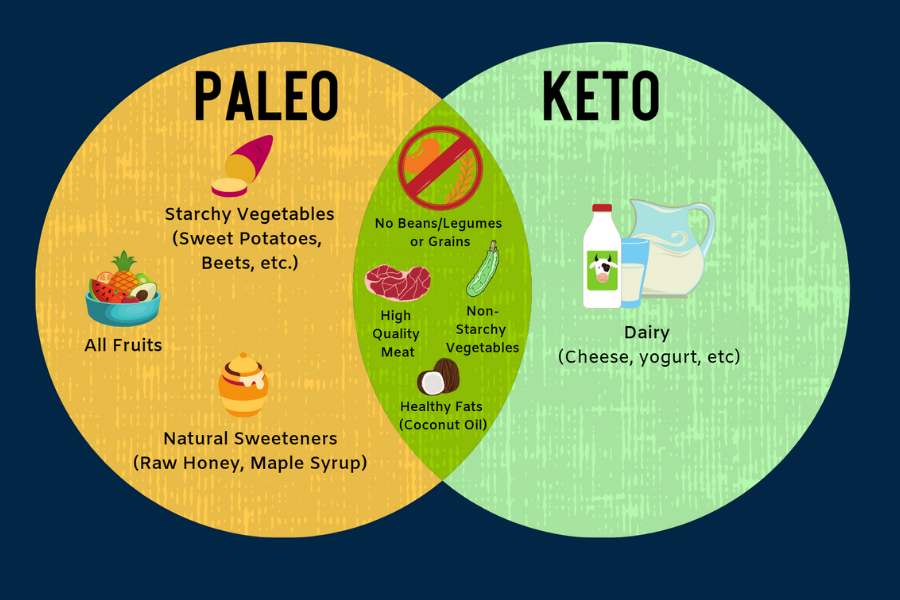
Where these two really split is in how strict you must be with carbs and how flexible your day to day life feels. Here is a quick comparison to put the main differences side by side.
| Aspect | Paleo diet | Keto diet |
|---|---|---|
| Main goal | Eat like early humans, focus on food quality and whole foods | Reach and maintain ketosis, change your fuel source to fat |
| Carbs | Flexible, allows fruits, starchy vegetables, and unrefined sweeteners | Very low, typically under 50 g per day, most fruits and starches excluded (Healthline) |
| Grains & legumes | Not allowed | Not allowed |
| Dairy | Mostly avoided | Usually allowed and often encouraged |
| Sweeteners | Natural options like honey or coconut sugar allowed | Only non caloric options like stevia or monk fruit are allowed (MorningStar Family Health Center) |
| Tracking | No need to count macros | Requires consistent carb and sometimes ketone tracking |
| Flexibility | Easier to adapt to social events and travel | More restrictive, especially in social situations (Healthline) |
Paleo gives you more room to enjoy naturally sweet foods like fruit and starchy vegetables. Keto asks you to be very precise with carbs in order to stay in ketosis, which can feel challenging if you like variety or often eat away from home.
Health benefits and potential risks
When you compare paleo diet vs keto for health, it is helpful to look at both the potential upsides and what you need to watch out for.
Potential benefits of paleo
By cutting highly processed foods, refined grains, and added sugars and focusing on fruits, vegetables, nuts, seeds, meat, eggs, and seafood, you naturally improve the overall quality of your diet. This pattern is linked to:
- Weight loss and lower BMI
- Reduced waist circumference
- Lower blood pressure and improved cholesterol levels
- Better blood sugar control and possibly reduced risk of type 2 diabetes and cardiovascular disease (WebMD, MorningStar Family Health Center)
Because paleo does not require strict macro tracking, it can also be more helpful if you are trying to heal your relationship with food or move away from obsessive calorie counting (MorningStar Family Health Center).
The potential downside is that if you rely heavily on meat and do not pay attention to fat types, you might increase your intake of saturated fat, which can raise concerns for heart health and diabetes over time (WebMD).
Potential benefits of keto
Keto shines in a few specific areas. Many people experience:
- Rapid initial weight loss
- Reduced hunger and fewer sugar cravings
- Better blood sugar stability, which can be useful if you have insulin resistance or type 2 diabetes
- Possible improvements in brain function, since ketones can be an efficient fuel for some people (MorningStar Family Health Center)
Keto can also have therapeutic benefits, such as reducing epilepsy symptoms, under medical supervision (MorningStar Family Health Center).
However, because keto restricts grains and most fruits, you might miss out on key nutrients like selenium, magnesium, phosphorus, and vitamins B and C if you are not careful (WebMD). There can also be liver and kidney concerns, especially if you already have related conditions.
Some people notice mental side effects such as confusion or irritability when carbs are very low (WebMD). Keto is also not recommended if you are pregnant or nursing, have advanced kidney problems, or have a history of eating disorders (Scripps Health).
What heart health experts say
If heart health is a priority for you, it is worth knowing how major organizations view these diets. A 2023 American Heart Association scientific statement scored 10 popular diets for heart health and put both paleo and keto in the lowest tier.
Paleo scored 53 out of 100 and keto scored 31 out of 100 for alignment with heart healthy guidelines (American Heart Association News). Both were considered too high in fat, without enough emphasis on limiting saturated fats, and too restrictive, since they often reduce fruits, whole grains, and legumes that the association strongly recommends (American Heart Association News).
The American Heart Association also notes that neither diet has been shown to outperform less restrictive approaches like Mediterranean or DASH for long term weight maintenance (American Heart Association News).
Which is better for weight loss and everyday life
When you compare paleo diet vs keto specifically for weight loss, both can work. They help you cut out processed foods and focus on nutrient dense options, and both tend to limit total calories without strict counting (Scripps Health).
The real question is what fits your life.
Paleo might suit you better if you:
- Want flexibility with carbs, including fruit and some starchy vegetables
- Prefer not to track every gram of food you eat
- Have a busy schedule and need an eating pattern that works in many settings
- Want to focus on becoming a generally healthier eater with more variety (MorningStar Family Health Center)
Keto might be a closer fit if you:
- Want faster, more dramatic initial weight loss
- Need strong structure to help break sugar or refined carb habits
- Are working with a healthcare provider to manage blood sugar or neurological conditions
- Do not mind careful macro tracking and a more limited food list (MorningStar Family Health Center)
You can also blend the two and follow a “paleo keto” style, where you stay low carb enough for ketosis, but still prioritize paleo style whole foods and food quality. Some people even try a Pegan style diet, which is mostly plant based, roughly 75 percent fruits and vegetables, with limited beans, starches, sugar, dairy, and grains, and potential cardiovascular benefits (Scripps Health).
Whatever you choose, your long term success depends on whether you can imagine eating this way years from now, not just for a one month challenge.
How to decide your next step
Before you jump fully into paleo or keto, take a moment to look at your current habits and health.
Ask yourself:
- How much energy do you have each day right now
- What foods do you honestly enjoy and want to keep in your life
- How comfortable are you with tracking your intake
- Do you have medical conditions or medications that make a very low carb diet risky
Because both diets can significantly change your nutrient intake, it is wise to talk with your doctor or a registered dietitian first, especially if you have diabetes, heart disease, kidney problems, are pregnant or nursing, or have a history of disordered eating.
From there, you might start small. For example, you could:
- Try one paleo style dinner each night this week, focusing on protein, vegetables, and healthy fats
- Do a light “keto trial” at breakfast, such as eggs with avocado and leafy greens, to see how you feel with fewer carbs early in the day
- Cut added sugars and refined grains for two weeks and notice how your cravings and energy respond
If you feel better, you can gradually move closer to a full paleo or keto pattern that fits your goals.
Key takeaways
- Both paleo and keto cut processed foods and added sugars, which supports weight loss and better health
- Paleo focuses on food quality and whole foods, with flexible carbs, while keto focuses on strict low carbs and ketosis (Healthline)
- Paleo is usually easier to maintain and supports a wider range of nutrients, while keto can provide faster weight loss and stronger effects on blood sugar and cravings but is more restrictive (WebMD, MorningStar Family Health Center)
- Heart health experts are cautious about both plans because of high fat and food group restrictions, so you need to plan carefully and emphasize unsaturated fats and vegetables (American Heart Association News)
- The best choice is the one you can see yourself living with long term, ideally with guidance from a healthcare professional
You do not have to decide everything today. Start with one simple, whole food change that moves you closer to the style of eating that feels right for your body and your life.
About the Author