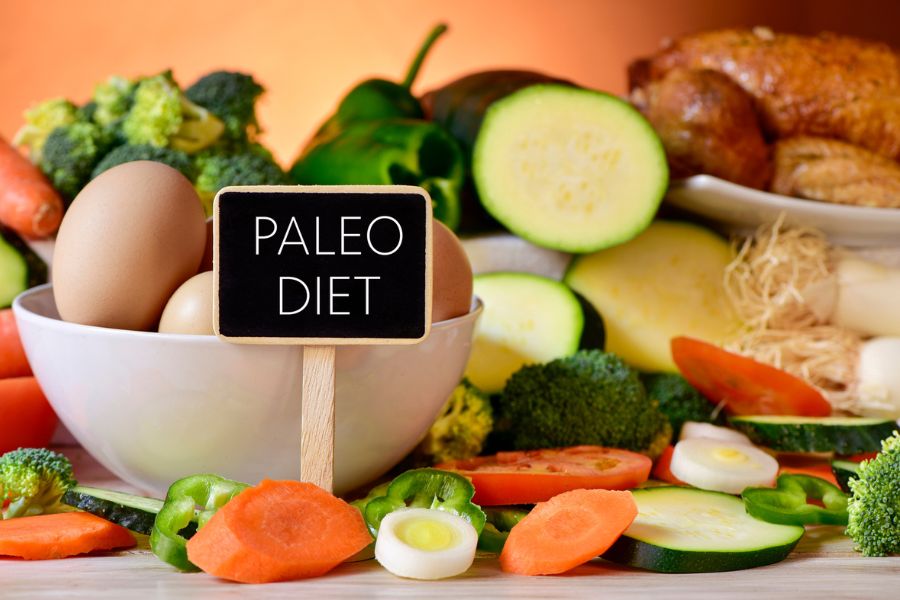
A well planned paleo diet meal plan does more than cut out bread and sugar. The real power comes from the foods you choose to include. When you build your plate around nutrient dense, minimally processed ingredients, you give your body steady energy, support a healthy weight, and make the plan much easier to stick with long term.
Below, you will see which foods deserve a regular place in your rotation, why they matter, and how to use them in simple, realistic meals.
Understand what “paleo” really means
Paleo is based on the idea of eating closer to what hunter gatherers might have eaten. In practice, that means focusing on whole foods like vegetables, fruits, nuts, seeds, meat, seafood, and eggs, and skipping products that look like they came from a factory. That includes most processed foods, refined sugar, bread, many vegetable oils, and artificial sweeteners (Healthline).
Typical paleo friendly foods include:
- Meat and poultry
- Fish and seafood
- Eggs
- Vegetables and fruits
- Nuts and seeds
- Potatoes and other root vegetables
- Healthy fats and herbs or spices (Healthline)
On the flip side, grains, legumes, and dairy are usually off the list because they entered the human diet relatively recently with agriculture and may not match what your body is best adapted to handle (Mayo Clinic).
Some people follow a stricter version, while others allow modern additions like grass fed butter or gluten free grains such as rice for flexibility (Healthline).
Prioritize high quality proteins
Protein is the backbone of any effective paleo diet meal plan. It helps keep you full, protects muscle while you lose weight, and supports your immune system and hormones.
Meat and poultry
Lean cuts of beef, pork, chicken, and turkey are all popular in paleo style eating. When possible, you might choose grass fed or pasture raised meat and eggs, but that is a preference, not a strict requirement (Healthline).
Try working these into your week:
- Breakfast scrambles with chicken sausage and greens
- Slow cooked beef stews with root vegetables
- Roasted chicken thighs with a pan of mixed vegetables
If your plan becomes very meat heavy, pay attention to saturated fat intake. A heavily meat centered paleo diet can push saturated fat too high, which may negatively affect heart health over time (Kevin’s Natural Foods).
Fish and seafood
Seafood brings lean protein plus valuable omega 3 fats. Grass fed meats and wild seafood are especially valued in paleo circles because of their higher omega 3 content, which can help reduce inflammation and support heart health (EatingWell).
Aim to include fish or shellfish a couple of times per week. Simple ideas include:
- Baked salmon with roasted sweet potatoes and broccoli
- Shrimp sautéed with zucchini noodles and tomatoes
- Halibut fillet with citrus salsa and asparagus (Whole Foods Market)
Eggs for versatility
Eggs are a budget friendly, nutrient dense option that fit easily into any meal. You can use them in:
- Veggie loaded omelets
- Frittatas baked on the weekend and sliced for quick breakfasts
- Shakshuka style dishes with tomatoes and squash (Whole Foods Market)
Hard boiled eggs also make convenient snacks when you need something substantial between meals (Healthline).
Load up on vegetables and fruits
Vegetables and fruits are the foundation that keeps a paleo diet meal plan from turning into “just meat.” They provide fiber, vitamins, minerals, and antioxidants that support digestion, blood sugar control, and overall health.
Non starchy vegetables
Fill at least half your plate with colorful vegetables at most meals. Good choices include leafy greens, broccoli, cauliflower, peppers, tomatoes, asparagus, zucchini, and more (EatingWell).
These foods are low in calories yet high in volume, which helps you feel full while you lose weight. They also give you fiber, which you need even more of when you are not eating grains and legumes.
Starchy vegetables and roots
Paleo does not automatically mean low carb. Starchy vegetables like potatoes and sweet potatoes are generally allowed, although many people suggest enjoying them in moderation to avoid blood sugar spikes (EatingWell).
Use roots and tubers when you need more energy, for example:
- Roasted sweet potatoes with chicken or fish
- Mashed potatoes with a pot roast
- Breakfast hash with eggs, bell peppers, and diced potatoes
Increasing your vegetable intake quickly can cause temporary bloating or digestive changes, especially if your previous diet was low in fiber (Healthline). You may want to increase portions gradually and drink plenty of water.
Whole fruits
Fruit brings natural sweetness, water, and helpful nutrients. Berries, apples, pears, citrus fruits, and stone fruits are all paleo friendly choices. Bananas and other higher sugar fruits are fine as well, although some very strict plans limit them for tighter blood sugar control (EatingWell).
Pairing fruit with protein or healthy fat, such as nuts or nut butter, can make snacks more satisfying.
Use nuts, seeds, and healthy fats wisely
Fat is not the enemy here. In a paleo diet meal plan, the type of fat matters more than the total amount.
Nuts and seeds
Nuts and seeds are calorie dense, so small servings go a long way. They offer healthy fats, some protein, and trace minerals. Simple paleo friendly snacks include:
- A small handful of almonds or walnuts
- Pumpkin seeds with dried unsweetened fruit
- Trail mixes made at home so you can control the ingredients (Healthline)
If weight loss is your goal, you will want to portion nuts and nut butters thoughtfully since they are easy to overeat.
Oils and other fats
Common paleo friendly fats include olive oil, avocado oil, coconut oil, and the natural fats that come with meat and fish. Traditional refined seed oils and trans fats are generally avoided because they are highly processed and can negatively affect health (Ideal Nutrition Now).
Healthy oils are useful for:
- Roasting vegetables
- Tossing salads
- Light sautéing of meats and seafood
If you add modern foods like grass fed butter, treat them as flavor accents rather than main ingredients.
Build simple, balanced paleo meals
Once you know which foods to emphasize, the next step is learning how to put them together in a way that feels realistic on a busy day.
A balanced paleo plate usually includes:
- A palm sized portion of protein
- A generous amount of non starchy vegetables
- A modest portion of starchy vegetables or fruit, depending on your activity level
- A thumb sized portion of healthy fat, such as oil, nuts, or avocado
Here is how that looks in real life, using ideas drawn from sample paleo menus (Healthline, EatingWell, Whole Foods Market):
Breakfast: Eggs cooked with spinach and vegetables, plus a side of berries.
Lunch: A bowl built with cauliflower “rice,” grilled chicken, mixed vegetables, and avocado.
Snack: Fruit with a handful of nuts or a hard boiled egg.
Dinner: Grilled fish or chicken with roasted sweet potatoes and a large serving of greens.
Dessert or treat: A small portion of dark chocolate or a paleo style dessert like sweet potato chocolate mousse on special days.
Smart snacks can make your plan much easier to follow. Portable options such as fruit, nuts, baby carrots, seaweed snacks, or compliant bars give you something to reach for when you are away from home (Healthline, Whole Foods Market).
Watch for common paleo pitfalls
Focusing on powerful foods does not mean the paleo diet is perfect for every person. Understanding the trade offs will help you use it more wisely.
Because paleo eliminates whole grains, legumes, and dairy, you might miss out on some fiber, calcium, vitamin D, and certain plant based proteins if you do not plan carefully (Mayo Clinic, Kevin’s Natural Foods). When these food groups are removed, nutrient deficiencies become more likely unless you rely heavily on vegetables, fruits, nuts, seeds, and possibly supplements.
To minimize risks:
- Emphasize high fiber vegetables every day
- Include canned fish with bones, such as salmon or sardines, for calcium
- Consider speaking with a healthcare provider about vitamin D and calcium if you are dairy free
- Avoid turning every meal into a large meat portion with only a small pile of vegetables
Costs can also increase if you rely only on premium items such as grass fed meats and organic produce. You can still follow paleo principles with more basic cuts of meat, frozen vegetables, and seasonal produce.
Finally, most studies on paleo so far have been small and short term. Some show improvements in weight, blood pressure, and certain heart disease risk factors, but long term effects are less clear (Mayo Clinic). Other eating patterns, such as the Mediterranean diet, appear to offer similar cardiovascular benefits with fewer exclusions and more well established long term data (Mayo Clinic).
Make paleo work for your life
The most powerful foods in your paleo diet meal plan are the ones you will actually eat regularly. It helps to start small instead of trying to overhaul every meal at once.
You might begin by:
- Swapping one processed snack for fruit and nuts
- Adding an extra serving of vegetables to dinner
- Planning two or three simple paleo dinners each week
- Prepping a batch of hard boiled eggs or a vegetable frittata on Sundays
As you find your rhythm, you can expand your recipe collection and adjust your portions to support fat loss, stable energy, or other goals.
Paleo works best when it feels like a sustainable way of eating instead of a temporary cleanse. If you pay attention to how different foods make you feel and stay open to small adjustments, you can build a nutrient rich approach that fits both your health goals and your everyday routine.
About the Author