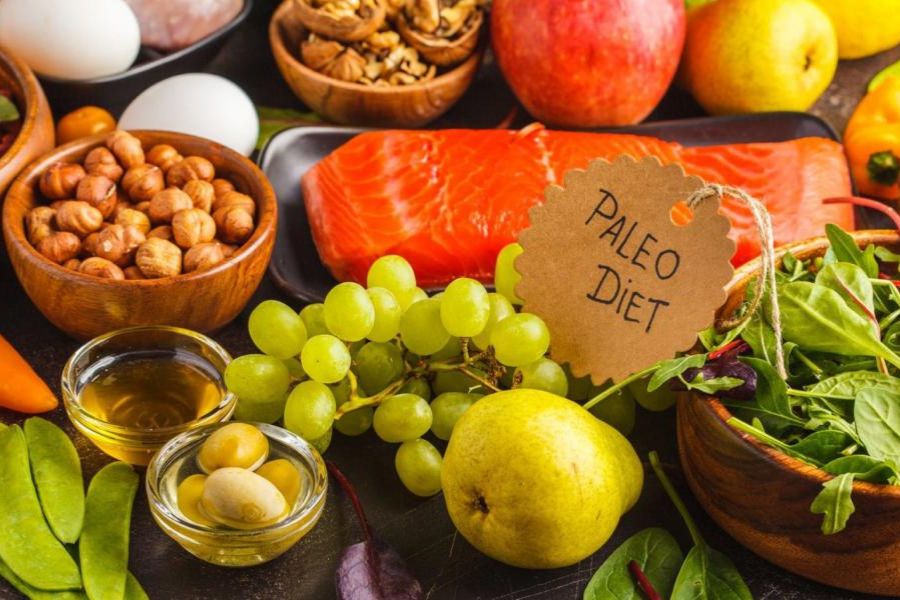
A paleo diet can sound intense at first glance, but at its core, it is a simple way of eating that centers on whole, unprocessed foods. By focusing on fruits, vegetables, lean meats, fish, eggs, nuts, and seeds and cutting back on modern processed foods, you give your body the kinds of nutrients it is wired to use efficiently (Mayo Clinic). If you want to lose weight, steady your energy, and improve your long‑term health, the paleo diet is worth a closer look.
Below, you will see how paleo works, what you can eat, the potential benefits and drawbacks, and how to try it in a realistic way that fits your everyday life.
Understand what the paleo diet really is
The paleo diet is often called the “caveman diet,” but that nickname can be misleading. You are not trying to live like a hunter gatherer in every way. Instead, you are using a simple guideline: eat foods that would have been available before farming and heavy food processing took over.
In practice, that means building your meals around vegetables, fruits, lean meats, fish, eggs, nuts, and seeds, while avoiding grains, legumes, most dairy, and highly processed products that are the result of modern agriculture and manufacturing (Mayo Clinic, Healthline). The idea is that your genes are better adapted to this older style of eating and that the mismatch between your biology and modern food might play a role in obesity, diabetes, and heart disease.
Importantly, paleo today is not one rigid set of rules. You will find a range of approaches, from very strict plans to flexible versions that allow a small amount of dairy or even some carefully chosen grains. That gives you room to personalize without losing the core benefits of a whole food, minimally processed pattern.
Learn the main health benefits
You are probably most interested in what a paleo diet can do for your weight, blood sugar, and long‑term health. Research so far, while still limited in duration, is encouraging.
Weight loss and body composition
If weight loss is your primary goal, paleo can be a strong starting point. By cutting refined carbs and processed foods and replacing them with satisfying proteins, healthy fats, and fiber rich plants, you often reduce your calorie intake without counting or tracking.
A meta analysis of 21 randomized controlled trials found that people following a Paleolithic diet lost about 5.8 kilograms in the short term, compared with 3.9 kilograms on control diets (PMC, MDPI). In another study of postmenopausal women with obesity, participants lost about 9 percent of their body weight after six months on paleo and about 10.6 percent after 12 months (Healthline). Those are meaningful changes, especially when you also improve blood markers at the same time.
Blood sugar and insulin control
If you struggle with sugar crashes or have been warned about prediabetes, paleo might improve how your body handles carbohydrates. In short term studies, people on a Paleolithic diet saw reductions in fasting blood glucose, insulin levels, and measures of insulin resistance such as HOMA‑IR, along with lower HbA1c, a marker of long term blood sugar control (PMC, MDPI). Some of these improvements persisted in longer trials as well.
That improvement likely comes from several changes that happen at once. You eat fewer refined grains and added sugars, you fill up on fiber rich vegetables and fruits, and you get more lean protein that helps steady your appetite and blood sugar.
Heart and metabolic health
Early evidence also suggests that paleo can support your heart and blood vessel health. Clinical studies have reported reductions in waist circumference, triglycerides, blood pressure, fasting glucose, and improvements in insulin sensitivity and lipid profiles in people following a paleo pattern, though the evidence is not as robust as for the Mediterranean or DASH diets (NCBI Bookshelf).
In long term comparisons, the Paleolithic diet lowered total cholesterol and LDL, often called “bad” cholesterol, while control diets did not show the same effect (PMC, MDPI). Short term interventions also found larger drops in both systolic and diastolic blood pressure on paleo compared with control plans (PMC, MDPI).
These benefits come mainly from emphasizing unprocessed foods, plenty of vegetables and fruits, and healthier fats, and from avoiding ultra processed items that can raise inflammation and disrupt metabolic health (Mayo Clinic).
Know what you can and cannot eat
Before you start tweaking your grocery list, it helps to see clearly what fits within a paleo diet and what does not.
Foods to emphasize
A well planned paleo diet is more plant centered than many people expect. Your plate should be loaded with non starchy vegetables such as leafy greens, broccoli, peppers, carrots, and other colorful produce (NUNM). You then add high quality sources of protein and fat.
Most of your meals can include:
- Non starchy vegetables of all colors
- Fruits in moderation, especially lower sugar options like berries and apples
- Lean meats, ideally grass fed when possible
- Wild or sustainably caught fish and seafood, which offer more omega 3s and a healthier fat profile than many farmed products (EatingWell)
- Eggs
- Nuts and seeds, including almonds, walnuts, chia, and flax
- Natural fats like olive oil and avocado oil in moderate amounts
- Herbs, spices, and small amounts of natural sweeteners like honey on occasion (The Paleo Diet)
Within those broad categories, there is room to adjust your macronutrients. Paleo diets typically range from about 19 to 35 percent of calories from protein, 28 to 58 percent from fat, and 22 to 40 percent from carbohydrates (NCBI Bookshelf). You do not have to track those numbers, but you can see that paleo is usually higher in protein and fat and moderate in carbs.
Foods to limit or avoid
On the other side, a strict paleo diet excludes several major modern food groups. This is where most of the confusion and pushback tends to happen.
Typical foods to avoid include:
- All grains, such as wheat, rice, oats, barley, and corn
- Legumes, including beans, lentils, peas, peanuts, and soy products (EatingWell)
- Most dairy products, since these entered the human diet with farming about 10,000 years ago (Mayo Clinic)
- Processed meats and highly processed foods like chips, packaged snacks, and frozen dinners
- Refined sugars and artificial sweeteners
- Industrial seed oils such as corn oil and canola oil, which are considered modern additions that may promote inflammation (EatingWell)
Some versions of paleo also limit white potatoes and other high glycemic starchy vegetables, since they are closely tied to agricultural food systems and can spike blood sugar when eaten in large amounts (NCBI Bookshelf).
A number of modern paleo followers choose to include certain fermented, grass fed dairy products such as kefir, or occasionally add grains and legumes based on personal tolerance and health goals (EatingWell). If total exclusion feels overwhelming, this flexible approach can give you a manageable way into the diet.
Compare paleo to other popular diets
If you have looked at keto, Mediterranean, or other plans, you might wonder where paleo fits and whether it is really different.
Compared to keto, which is very low in carbohydrates and high in fat, paleo allows a wider range of whole food carbs from fruits, vegetables, and natural sweeteners. You remove grains and legumes, but you do not have to push carbs down to extremely low levels or measure ketones. This flexibility and variety makes paleo easier to follow long term for many people and provides a broader mix of nutrients (Healthline).
When you compare paleo to the Mediterranean diet, the overlap is surprisingly large. Both emphasize vegetables, fruits, fish, nuts, and olive oil, and both limit processed foods. The key differences are that Mediterranean patterns include whole grains, legumes, and low fat dairy, while paleo typically excludes these. Major health organizations like the American Heart Association currently favor Mediterranean type diets because they have stronger long term evidence and fewer concerns about nutrient gaps (NCBI Bookshelf).
For you, this comparison is useful in two ways. It shows that paleo is not a fad built on extreme rules, it shares many core elements with other respected diets. It also reminds you that you can blend ideas. You might use a mostly paleo template, then selectively add certain legumes or whole grains if you and your healthcare provider decide they support your health.
Weigh the potential downsides
No diet is perfect for everyone, and paleo has some legitimate concerns you should understand before committing.
Possible nutrient gaps
Because you remove grains, legumes, and most dairy, you cut out familiar sources of fiber, calcium, vitamin D, and some B vitamins. Research notes potential deficiencies, especially for calcium and vitamin D, along with possible increases in cardiovascular disease markers such as TMAO when prebiotic fiber from grains and legumes is low (NCBI Bookshelf).
You can reduce these risks by focusing on:
- A wide variety of non starchy vegetables and some fruits for fiber
- Bone in fish like sardines and leafy greens for calcium
- Sensible sun exposure or supplements for vitamin D when needed, with medical guidance
- Nuts, seeds, and some root vegetables to help support a healthy gut microbiome
If you have existing bone health or cardiovascular concerns, talk with your doctor or a dietitian before making major changes.
Cost and practicality
Fresh produce, grass fed meats, and wild seafood can be more expensive, especially if you try to overhaul your entire pantry at once. The paleo diet can also require more time and access to fresh, local ingredients, which is not realistic for everyone (NUNM).
You can manage costs by choosing:
- Frozen vegetables and fruits, which are just as nutritious and often cheaper
- Less expensive cuts of meat like chicken thighs instead of always buying steak
- Canned wild fish such as salmon, tuna, and sardines
- Buying in bulk when possible and cooking larger batches for leftovers
The key is progress, not perfection. Even moving 50 to 85 percent of your intake toward paleo style choices can provide benefits like better blood lipids, less inflammation, and improved blood sugar, without needing a flawless diet (The Paleo Diet).
Not ideal for every lifestyle
If you are vegetarian or vegan, a strict paleo pattern is very hard to follow because it excludes legumes, which are a major protein and nutrient source when you do not eat meat. NUNM notes that it is nearly impossible for vegetarians or vegans to follow a classic paleo diet well (NUNM).
You also want to be careful not to turn paleo into an excuse to eat large amounts of bacon and red meat. The original concept is plant centered and built on varied vegetables, with animal products complementing that base instead of overwhelming it (NUNM).
Try paleo in a realistic, flexible way
You do not have to flip a switch overnight. In fact, you are more likely to succeed if you build new habits gradually and stay flexible.
Start with one or two simple changes
Pick one change you can make this week that feels manageable, such as:
- Replacing your usual breakfast cereal with scrambled eggs and vegetables
- Swapping a fast food lunch for a large salad topped with grilled chicken and avocado
- Cooking one paleo style dinner with meat or fish, a big serving of vegetables, and a side of fruit
As that choice becomes routine, add another. Over time, your overall pattern shifts toward paleo without feeling like a crash diet.
Build satisfying meals
To stay full and avoid cravings, center each meal on three pieces:
- A generous serving of non starchy vegetables
- A palm sized portion of protein, such as chicken, fish, eggs, or lean beef
- A small to moderate amount of healthy fat from olive oil, avocado, nuts, or seeds
Round out your plate with a serving of fruit if you like something sweet. This structure aligns with the idea that you do not need to count calories or obsess over macros, because nutrient dense, whole foods naturally help regulate your intake (The Paleo Diet).
Keep treats and flexibility in view
A sustainable paleo diet allows room for enjoyment. You can:
- Use natural sweeteners like honey occasionally in place of refined sugar
- Bake with almond flour instead of wheat flour for special treats
- Include moderate coffee if it suits your health, and limited alcohol such as small amounts of red wine or spirits, instead of beer, which is grain based (The Paleo Diet)
Some people follow a “PaleoFLEX” approach, where most meals are paleo but occasional non paleo foods fit in without guilt. This mindset can help you avoid the on or off cycle that derails so many diets.
Bring it all together for your health
When you look at the big picture, the paleo diet asks you to do something simple, even if not always easy. You eat more real food, mostly plants and natural proteins, and you step away from heavily processed products that crowd out nutrients and strain your metabolism.
Evidence so far shows that this shift can support weight loss, reduce blood sugar and insulin levels, improve cholesterol and blood pressure, and help lower markers of metabolic risk (Mayo Clinic, NCBI Bookshelf, PMC, MDPI). At the same time, you need to be mindful of potential nutrient gaps, cost, and personal fit.
You might start by choosing one meal today to bring closer to a paleo template, such as a plate filled with vegetables, a serving of grilled fish, a handful of nuts, and some fresh fruit. Notice how your energy, appetite, and mood respond. From there, you can decide how far you want to take the paleo diet and how to adapt it so that it supports your weight loss and long term health in a way you can live with.
About the Author