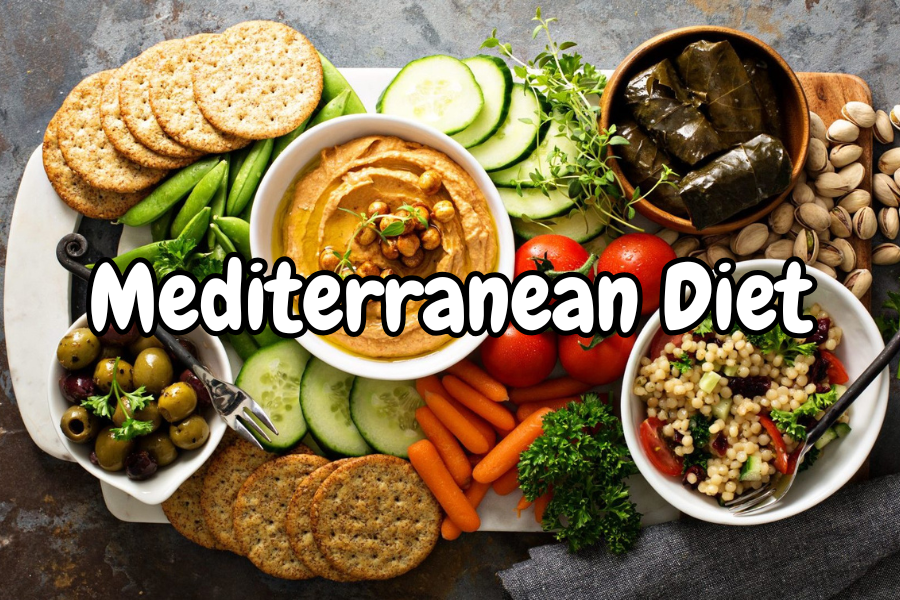
A Mediterranean Diet is one of the most researched and recommended eating patterns for better health, and it happens to be full of flavor too. When you build your meals around Mediterranean diet recipes, you focus on vegetables, fruits, whole grains, beans, nuts, lean proteins, and plenty of extra virgin olive oil, which can support heart and overall health (Cleveland Clinic). That makes it a practical way to stay fit, support weight management, and still enjoy what is on your plate.
Below, you will find simple ideas and recipe inspiration to help you turn this eating style into everyday meals you actually want to cook.
Understand the basics of Mediterranean diet recipes
Before you start cooking, it helps to know what makes a recipe “Mediterranean” in spirit. The Mediterranean diet is based on the traditional foods and eating patterns of countries around the Mediterranean Sea. It emphasizes fruits, vegetables, whole grains, beans, legumes, nuts, lean proteins like fish and poultry, olive oil as a main source of fat, and some dairy, with a focus on flavor, sharing, and enjoyment at the table (The Mediterranean Dish).
In practice, Mediterranean diet recipes usually have a few things in common. They are built on plants, they use extra virgin olive oil instead of butter or other solid fats, they keep red meat limited, and they favor herbs, spices, citrus, and garlic over heavy sauces.
Think of Mediterranean recipes as “plants first,” with healthy fats and lean proteins filling in the rest of the plate.
You can also adapt this way of eating to match your needs. If you are vegetarian, you can skip meat and fish and rely on beans, nuts, and other plant proteins instead. If you are gluten free, you can swap wheat-based products with gluten free options, ideally with guidance from a dietitian so you still meet your nutrition needs (Cleveland Clinic).
Why Mediterranean recipes support fitness and weight
If you are looking to lose weight or simply feel fitter, Mediterranean diet recipes can help you do that in a sustainable way. This style of eating tends to be rich in fiber from vegetables, fruits, and whole grains, and higher fiber meals help you feel full on fewer calories. Recipes also lean on lean proteins and healthy fats, which can make meals more satisfying and reduce the urge to snack on highly processed foods.
Health organizations highlight the Mediterranean Diet for heart and overall health, in part because it focuses on plant-based foods with extra virgin olive oil as the main fat source (Cleveland Clinic). Extra virgin olive oil provides mostly unsaturated fats and antioxidants that can help protect the heart, brain, and reduce inflammation compared with regular olive oil or saturated fats (Cleveland Clinic).
You also avoid the feeling of being on a strict “diet.” Mediterranean meal plans tend to focus on inclusion and enjoyment rather than deprivation or rigid calorie counting, with room for favorite treats in moderation (The Mediterranean Dish). That mindset makes it easier to keep up your healthy habits long enough to see real results.
Stock a simple Mediterranean-style pantry
Cooking Mediterranean diet recipes becomes easier when you have a few basics on hand. Many of the recipes in this style rely on simple, widely available ingredients such as fresh vegetables, leafy greens, wild-caught fish or seafood, olive oil, nuts, herbs, grains, and legumes (The Mediterranean Dish).
Here are some pantry and fridge staples that will let you put together fast, healthy meals:
- Extra virgin olive oil
- Garlic, onions, and fresh or dried herbs like oregano, basil, and parsley
- Canned beans such as chickpeas, white beans, or lentils
- Whole grains like brown rice, quinoa, farro, or whole wheat pasta
- Nuts and seeds, for example almonds, walnuts, or chia seeds
- Canned tomatoes and tomato paste
- Olives and capers for quick hits of flavor
- Plain yogurt and modest amounts of cheese like feta or Parmesan
- Frozen vegetables and fish for backup meals
With these basics nearby, you can pull together many of the recipe ideas below without a complicated grocery run.
Start your day with Mediterranean breakfasts
Breakfast is a simple place to begin because small changes can make a big difference in how you feel for the rest of the day. Mediterranean diet breakfast recipes focus on fiber, healthy fats, and some protein so you stay full and energized.
On sites like The Mediterranean Dish, you can find options such as Sheet Pan Eggs and Veggies, Hummus Toast, Shakshuka, and Tahini Banana Shakes, which show just how flexible this way of eating can be in the morning (The Mediterranean Dish). EatingWell also highlights Berry Chia Pudding and Fig and Ricotta Overnight Oats that use chia seeds, fruit, and other nutrient dense ingredients for a creamy, satisfying start to your day (EatingWell).
If you want a simple pattern to follow, you can rotate between:
- A whole grain base such as oats or whole grain toast
- A protein source like eggs, yogurt, or hummus
- Fruit or vegetables such as berries, tomatoes, or spinach
- A drizzle of extra virgin olive oil, a spoonful of nuts, or seeds for healthy fats
This mix keeps your breakfast aligned with Mediterranean principles and helps manage appetite later in the day.
Build satisfying Mediterranean lunches and snacks
To stay fit and avoid afternoon energy dips, aim for lunches that combine vegetables, whole grains, and protein. Mediterranean diet recipes for lunch often take the form of salads, grain bowls, or soups that you can batch cook.
For example, EatingWell’s Chickpea and Quinoa Bowl with Roasted Red Pepper Sauce packs in legumes and whole grains, which fit squarely within Mediterranean diet guidelines (EatingWell). High-protein pasta salads that include chickpea pasta, crunchy vegetables, and a heart healthy vinaigrette can also deliver both flavor and staying power (EatingWell).
For snacks, think simple and balanced. Hummus with raw vegetables, a small handful of nuts, or yogurt with fruit all fit the Mediterranean pattern. The Mediterranean Dish community often recommends ideas like hummus with baby carrots or whole wheat toast topped with labneh as easy snack solutions within this lifestyle (The Mediterranean Dish).
Enjoy quick Mediterranean dinners on busy nights
You do not need a lot of time to get a Mediterranean style dinner on the table. Many recipes featured on expert sites are designed for weeknights, often ready in 30 minutes or less. A collection of Mediterranean Diet dinner recipes from The Mediterranean Dish is specifically tailored to be fast and weeknight friendly (The Mediterranean Dish).
Here are a few types of dinners that fit this pattern:
One pan and sheet pan meals
Sheet pan dinners keep cleanup easy and help you control oils and portion sizes. Examples include:
- Sheet-Pan Chicken Thighs with Brussels Sprouts and Gnocchi, which roasts chicken, vegetables, and gnocchi together for a complete meal (EatingWell)
- Sheet-Pan Salmon with Broccoli, a weeknight friendly option that uses lemon, garlic, and olive oil to flavor salmon and roasted vegetables (EatingWell)
- Sheet-Pan Balsamic Chicken and Asparagus, where chicken cutlets cook alongside asparagus with a tangy balsamic glaze (EatingWell)
These meals rely on lean proteins, plenty of vegetables, and heart healthy fats, which fit well with weight management and fitness goals (EatingWell).
One pot comfort foods
If you want something more comforting without leaving the Mediterranean diet, one pot dishes are useful. Options like Slow Cooker Mediterranean Diet Stew emphasize vegetables, beans, healthy fats from olive oil, and leafy greens, and can be both convenient and vegan friendly (EatingWell).
Other examples include one pot white bean, spinach, and sun dried tomato orzo, which combines whole grains, protein-packed beans, and flavorful add-ins in a creamy sauce (EatingWell), or Marry Me White Bean Soup, a vegetarian soup based on sun dried tomatoes, garlic, and cheese for a satisfying bowl on cooler nights (EatingWell).
Fast stove top favorites
Some classic Mediterranean diet recipes come together mostly on the stove. Shakshuka, for instance, cooks eggs in a tomato and pepper sauce and can be served with whole grain bread for a quick, budget friendly dinner that many families enjoy often (The Mediterranean Dish).
Quick shrimp dishes are another useful tool. Sautéed Shrimp with Garlic and Lemon uses olive oil, garlic, and citrus to create a fast sauce for shrimp that can be paired with whole grain pasta or a side of vegetables (The Mediterranean Dish). These recipes are high in protein, rich in flavor, and naturally aligned with Mediterranean principles.
Add more fish and seafood the Mediterranean way
If you want to lean into the heart healthy side of Mediterranean diet recipes, adding fish or seafood a couple of times per week is a smart move. The Mediterranean diet favors seafood over red meats and includes many recipes built around salmon, cod, shrimp, and more (Allrecipes).
Examples of Mediterranean style seafood dishes include:
- Greek Baked Cod with Lemon and Garlic, a popular recipe for its mild, flaky fish and bright sauce, often served with a salad (The Mediterranean Dish)
- Grilled Mediterranean Salmon in Foil, which combines salmon with cherry tomatoes and a tapenade for a quick grilled or baked meal (Allrecipes)
- Spanish Moroccan Fish, where white fish cooks on a bed of sautéed vegetables, olives, and chickpeas, showing how seafood and fresh produce work together in this cuisine (Allrecipes)
On The Mediterranean Dish you will find even more seafood options, ranging from easy pan fried snapper to salmon glazed with pomegranate molasses and shrimp dishes like Shrimp Oreganata, all aligned with Mediterranean diet principles (The Mediterranean Dish).
When you prepare these recipes at home, you can adjust portions of olive oil, sides, and bread to match your fitness and weight goals without losing the essential Mediterranean flavors.
Plan your week the Mediterranean way
To stay consistent, it helps to map out your meals in advance. Sample 7 day Mediterranean diet meal plans are available online and often include breakfast, lunch, dinner, and snack ideas with clickable recipes for easy prep (The Mediterranean Dish). Month long dinner plans built around high fiber whole grains, vegetables, lean proteins, and heart healthy fats can also support heart health and brain health as you age (EatingWell).
You do not need to copy any plan exactly. Instead, you can:
- Choose 2 or 3 breakfast ideas you like and rotate them.
- Pick 3 to 4 lunch recipes that reheat well, such as grain bowls, soups, or salads.
- Plan 4 to 5 dinners that fit your schedule, leaning on sheet pan, one pot, and seafood dishes for busy nights.
- Fill in snacks with simple Mediterranean staples like fruit, nuts, hummus, and yogurt.
If you have medical conditions, allergies, or specific goals like significant weight loss, working with a dietitian or your primary care doctor can help you tailor Mediterranean diet recipes to your needs while still meeting your nutrition goals (Cleveland Clinic).
Putting it all together
Mediterranean diet recipes are not about perfection or restriction. They are about filling your plate with more plants, using extra virgin olive oil as your main fat, choosing lean proteins like fish and beans, and savoring meals rather than rushing through them. Over time, these small, consistent changes can support your heart, your weight, and your overall well being.
You might start with one simple shift, such as swapping a heavy cream based pasta for a whole grain version with vegetables, olive oil, and shrimp, or trying a sheet pan salmon dinner this week. Once you feel how satisfying this style of eating can be, it becomes much easier to make Mediterranean choices a regular part of your routine.
About the Author