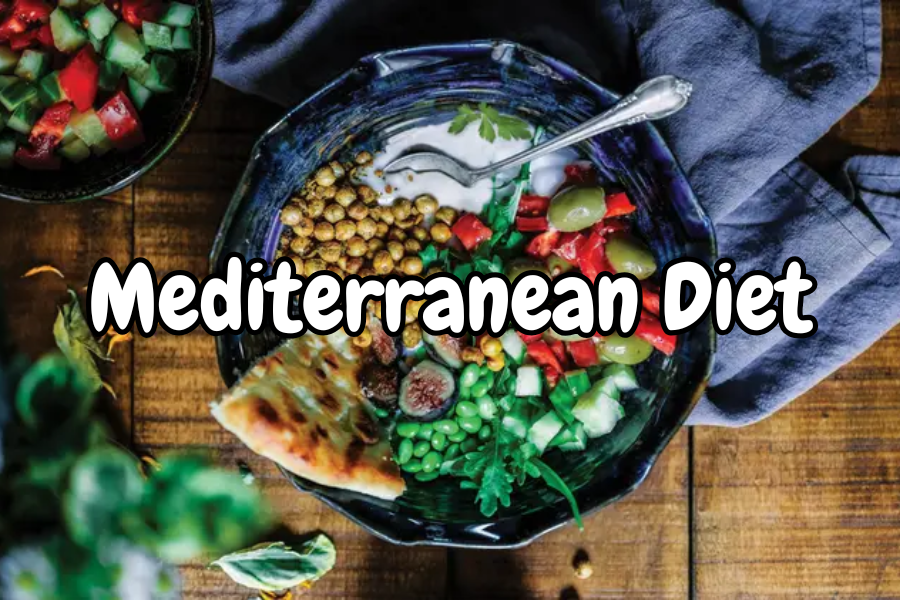
A Mediterranean diet meal plan can help you lose weight without feeling deprived. Instead of strict rules or complicated tracking, you focus on simple, satisfying meals built around vegetables, whole grains, legumes, healthy fats, and seafood, with room for small treats. This way of eating has been linked to a lower risk of heart disease and other chronic conditions while supporting sustainable weight loss and overall well-being (Cleveland Clinic, UC Davis Health).
Below, you will find a practical Mediterranean diet meal plan for weight loss, plus clear guidelines so you can mix and match meals that fit your schedule, taste, and calorie needs.
Understand the Mediterranean diet basics
At its core, a Mediterranean diet meal plan is about what you eat most of the time, not perfection. You build your plate around plants and healthy fats, then layer in lean proteins and whole grains.
You will typically prioritize:
- Vegetables and fruits
- Whole grains like quinoa, brown rice, farro, and whole wheat
- Legumes such as lentils, chickpeas, and beans
- Nuts and seeds
- Extra virgin olive oil as your main added fat
- Fish and seafood regularly, with moderate poultry, eggs, and fermented dairy
- Limited red meat, sweets, and ultra processed foods
This pattern reflects traditional eating styles in countries bordering the Mediterranean Sea and is rich in vitamins, minerals, fiber, and antioxidants that support heart and brain health (UC Davis Health).
Why it supports weight loss
You are not forced to count every calorie, but the foods you focus on naturally keep you fuller on fewer calories. High fiber vegetables, fruits, legumes, and whole grains slow digestion and help regulate blood sugar, while healthy fats from olive oil and nuts add satisfaction so you are less likely to over snack.
Research also suggests that this way of eating can reduce the risk of cardiovascular disease and many chronic conditions, which makes it a smart long term choice, not just a short term diet (Cleveland Clinic).
Use the simple Mediterranean plate formula
To keep things easy, you can use a basic plate ratio at most meals. This method is commonly recommended by dietitians and fits the Mediterranean diet very well: fill half your plate with vegetables and fruits, one quarter with whole grains, and one quarter with lean protein (EatingWell).
In practice, that might look like:
- Half plate: roasted broccoli, a side salad, or grilled vegetables
- One quarter: quinoa, whole wheat pasta, or brown rice
- One quarter: salmon, grilled chicken, beans, or lentils
You then drizzle or cook with a small amount of extra virgin olive oil, and add flavor through herbs, spices, citrus, garlic, or vinegar. Extra virgin olive oil is especially encouraged because its healthy fat ratio and antioxidant content help protect heart and brain health and reduce inflammation (Cleveland Clinic).
Foods to focus on and limit
When you are building a Mediterranean diet meal plan for weight loss, it helps to be very clear on your “everyday foods” and your “sometimes foods.”
Everyday foods
These should appear in your meals most of the time:
- Vegetables of all kinds, including leafy greens, cruciferous vegetables, peppers, tomatoes, and more
- Fruits, fresh or frozen without added sugars
- Whole grains like oats, quinoa, barley, brown rice, and whole wheat bread or pasta
- Legumes, including beans, chickpeas, and lentils
- Nuts and seeds, such as almonds, walnuts, pistachios, chia seeds, and sunflower seeds
- Extra virgin olive oil and other plant based oils like canola or avocado oil (EatingWell)
- Fish and seafood, fresh, frozen, or canned in water or olive oil
- Moderate amounts of fermented dairy like yogurt and flavorful cheeses
- Herbs, spices, garlic, onions, and citrus for seasoning
According to UC Davis Health, these foods supply essential vitamins and nutrients while keeping your meals satisfying and balanced (UC Davis Health).
Foods to limit
For weight loss and heart health, you will want to eat these less often or in smaller amounts:
- Processed meats and frequent red meat
- Sugary drinks and desserts
- Refined grains such as white bread, white pasta, and pastries
- Foods high in unhealthy fats, sugars, and sodium that are linked to heart disease and type 2 diabetes (UC Davis Health)
These are not completely off limits, but think of them as occasional choices rather than the foundation of your diet.
Build your Mediterranean pantry for success
A stocked pantry makes your Mediterranean diet meal plan easier and more affordable. Many of the core ingredients are shelf stable or frozen, which helps you throw together quick, healthy meals even on busy nights.
Here are useful staples to keep on hand, based on typical Mediterranean diet guidance (EatingWell):
- Whole grains: quinoa, brown rice, oats, bulgur, barley, whole wheat pasta
- Canned or dried legumes: chickpeas, black beans, lentils, cannellini beans
- Canned tuna or salmon, frozen fish fillets, or shrimp
- Nuts and seeds: almonds, walnuts, pistachios, chia, and sunflower seeds
- Extra virgin olive oil, plus canola or avocado oil for cooking
- Canned tomatoes, tomato sauce with minimal added sugar, and vegetable broth
- Jarred olives, capers, artichokes, and roasted red peppers for quick flavor
- Dried herbs and spices, garlic powder, onion powder, paprika, oregano, basil, and cumin
- Plain yogurt, feta, or Parmesan for protein and flavor
A well planned pantry makes it easier to stick to your meal plan, which matters for long term weight loss.
Sample 7 day Mediterranean diet meal plan
The following 7 day Mediterranean diet meal plan is designed with weight loss and simplicity in mind. It uses repeating ingredients and leftovers so you are not cooking something new from scratch every time, an approach similar to many beginner friendly plans (EatingWell).
This sample is not a strict calorie prescription, but it roughly aligns with lower calorie ranges that can support weight loss for many people, such as around 1,200 to 1,400 calories per day with options to increase by adding extra snacks or slightly larger portions (EatingWell). You can adjust to your own needs or work with a healthcare professional for personalized guidance.
Tip: If you find yourself overly hungry, especially in the afternoon, add an extra fruit, a handful of nuts, or a bit more lean protein at meals rather than ignoring your hunger.
Day 1
Breakfast:
Greek yogurt with a small handful of berries, a teaspoon of honey, and a sprinkle of chopped walnuts.
Lunch:
Mixed greens salad with chickpeas, cucumber, tomatoes, olives, and feta, dressed with olive oil and lemon.
Snack:
Carrot sticks with 2 tablespoons of hummus (The Mediterranean Dish).
Dinner:
Baked salmon with lemon, roasted broccoli, and a small side of quinoa.
Day 2
Breakfast:
Overnight oats made with rolled oats, low fat milk or plant milk, chia seeds, and sliced apple.
Lunch:
Leftover salmon flaked over a grain bowl with brown rice, spinach, cherry tomatoes, and a drizzle of olive oil.
Snack:
Low fat cottage cheese with sliced cucumbers and a sprinkle of herbs (The Mediterranean Dish).
Dinner:
Whole wheat pasta with tomato sauce, sautéed vegetables, and a small amount of grated Parmesan.
Day 3
Breakfast:
Whole wheat toast with mashed avocado and a sliced boiled egg.
Lunch:
Lentil soup with carrots, celery, and tomatoes, plus a side salad.
Snack:
A small handful of mixed nuts.
Dinner:
Grilled chicken breast, roasted Brussels sprouts, and a side of farro tossed with olive oil and herbs.
Day 4
Breakfast:
Greek yogurt with sliced banana and a spoonful of chia or flax seeds.
Lunch:
Leftover lentil soup and a side of whole grain bread with a drizzle of olive oil.
Snack:
Fresh fruit, such as an orange or a cup of grapes.
Dinner:
Shrimp sautéed with garlic, tomatoes, and spinach, served over a small portion of whole wheat couscous.
Day 5
Breakfast:
Vegetable omelet with spinach, peppers, and onions cooked in a teaspoon of olive oil, plus a piece of whole grain toast.
Lunch:
Mediterranean tuna salad made with canned tuna in water, olive oil, lemon, celery, and parsley, served over greens.
Snack:
Whole wheat toast with labneh or avocado and a slice of smoked salmon if you enjoy it (The Mediterranean Dish).
Dinner:
Baked cod with a side of ratatouille style vegetables and a small serving of brown rice.
Day 6
Breakfast:
Oatmeal topped with chopped dates, cinnamon, and a few almonds.
Lunch:
Leftover baked cod served alongside a mixed vegetable salad with olive oil and vinegar.
Snack:
Baby carrots or bell pepper strips with hummus.
Dinner:
Turkey or bean stuffed bell peppers made with brown rice, tomatoes, and onions.
Day 7
Breakfast:
Smoothie made with spinach, frozen berries, Greek yogurt, and water or plant milk.
Lunch:
Chickpea and vegetable grain bowl with quinoa, cucumber, tomato, red onion, parsley, and a lemon olive oil dressing.
Snack:
Plain yogurt with a small drizzle of honey or a simple homemade tahini bite if available (The Mediterranean Dish).
Dinner:
Grilled or baked salmon, a large side salad of mixed greens and vegetables, and a piece of whole grain bread.
If you like structure, you can repeat this 7 day Mediterranean diet meal plan for several weeks, swapping similar meals in and out so it stays interesting while you stay within the same pattern.
Adjust portions and snacks for your calorie needs
Not everyone loses weight at the same calorie level. Many Mediterranean style beginner plans start around 1,200 to 1,400 calories and offer modifications up to 1,500 or 2,000 calories by adjusting portions and adding snacks (EatingWell).
Useful ways to adjust include:
- If you need more calories, increase whole grains or add a second snack such as fruit with nuts or extra yogurt.
- If weight loss is slow or you are feeling uncomfortably full, slightly reduce added oils and starch portions while keeping vegetables generous.
- Keep an eye on liquid calories like juice, alcohol, and sweetened drinks, since they can add up quickly.
Whatever your target, you will want some protein, healthy fat, and fiber at each meal to stay satisfied. Many sample plans provide roughly 50 to 80 grams of protein per day with 30 to 44 grams of fiber and a moderate amount of healthy fat to support heart and brain health (EatingWell).
Make Mediterranean eating part of your lifestyle
Long term weight loss results come from habits you can maintain, not from a perfect week of eating. The Mediterranean diet is often ranked as a top diet in part because it emphasizes inclusion and moderation rather than strict deprivation (The Mediterranean Dish).
To make your Mediterranean diet meal plan stick:
- Start with a few small changes, such as swapping butter for extra virgin olive oil or adding one vegetable to each meal. Gradual changes can lead to big improvements over time (UC Davis Health).
- Focus on cooking at home most days, even if it is simple, so you control portions and ingredients.
- Make meals enjoyable by sitting down to eat, using real plates, and sharing food with family or friends when possible.
- Plan for flexibility. If you have a richer meal one day, balance it with lighter, vegetable heavy meals the next.
If you have medical conditions or need a more precise plan, a dietitian can help tailor the Mediterranean diet to your needs, including vegetarian or gluten free versions (Cleveland Clinic).
Try starting with just one full Mediterranean style day from the sample meal plan above. Notice how satisfied you feel, how your energy holds up, and which recipes you enjoy most. Then build from there until this way of eating feels like your new normal.
About the Author