A low carb diet can sound a little extreme at first, especially if you grew up hearing that carbs should be the base of every meal. Yet more and more research suggests that lowering your carbohydrate intake can help you lose weight, steady your energy, and support your long‑term health. The key is understanding what “low carb” really means and how to make it work for your real life, not a perfect world.
Below, you will learn how a low carb diet works, why it might be the best choice you have made for your body so far, and how to get started without feeling deprived or overwhelmed.
Understand what a low carb diet actually is
You do not have to cut all carbs to follow a low carb diet. You are simply choosing fewer carbohydrates and focusing on higher quality ones.
According to the Mayo Clinic, a low carb diet usually limits carbs from grains, starchy vegetables, and fruit, and instead emphasizes foods high in protein and fat, such as meat, fish, eggs, and healthy oils (Mayo Clinic). There are different levels:
- Diabetes UK describes low carb as less than 130 grams of carbs per day, not zero carbs (Diabetes UK).
- The Obesity Medicine Association notes that many people define low carb as under 100 grams per day, and a ketogenic low carb diet drops to 20 to 50 grams per day (Obesity Medicine Association).
- Some very strict plans stay around 20 to 57 grams of carbs daily, which is much lower than the 45 to 65 percent of calories from carbs recommended in typical dietary guidelines (Mayo Clinic).
Your “best choice” does not have to be the strictest version. You can start by lowering obvious refined carbs such as sugary drinks, desserts, and white bread, then adjust from there.
See how low carb supports weight loss
If you are considering a low carb diet, weight loss is probably high on your list. There is solid evidence that it can help, especially in the first few months.
Studies show that low carb diets often reduce appetite automatically. You tend to eat fewer calories without trying as hard, which can make it easier to stay on track without feeling constantly hungry (Healthline). In the short term, low carb plans usually lead to faster and greater weight loss than low fat diets, partly because you lose water when your glycogen (your stored carb) levels drop and because insulin levels fall in the first weeks (Healthline).
Over 6 to 12 months, the weight loss gap between low carb and other diets tends to shrink, but that does not mean it has failed you. It simply shows that no single diet is magic. What matters most is whether you can stick with it. Many people find that meals higher in protein and fat are naturally satisfying, so a low carb structure helps them stay in a calorie deficit without feeling punished.
You also are not just losing “scale weight.” A significant portion of the fat you lose on a low carb diet often comes from visceral fat, which is the deeper belly fat linked to inflammation, insulin resistance, and metabolic diseases (Healthline). That is a meaningful health upgrade, not just a smaller pants size.
Improve blood sugar and insulin levels
If you live with type 2 diabetes or insulin resistance, a low carb diet can be a powerful tool to help you regain control.
Low carb and ketogenic diets have been shown to lower both blood sugar and insulin levels. In one study, 95 percent of people with type 2 diabetes were able to reduce or eliminate their glucose‑lowering medication within six months when they followed a low carb or keto plan (Healthline). That is a dramatic shift in day‑to‑day life.
Diabetes UK notes that low carb diets can be safe and effective in the short term for people with type 2 diabetes to help manage weight, blood glucose levels, and heart disease risk (Diabetes UK). They are not recommended for children or for people with type 1 diabetes, and if you take insulin or medications that increase the risk of hypos, you need to talk with your healthcare team before changing how you eat. That conversation is important because your medicine doses may need to be adjusted as your blood sugars improve (Diabetes UK).
Reducing carbohydrates lowers insulin production, which is one of the key reasons low carb diets are used to treat conditions like diabetes and obesity (Obesity Medicine Association). When insulin is high all the time, your body is more likely to store fat and less able to tap into fat for fuel. Bringing it down, with your doctor’s guidance, can shift that balance in your favor.
Support your heart and metabolic health
You might worry that eating more fat on a low carb diet will raise your heart disease risk. The truth is a bit more nuanced.
On the positive side, low carb diets can dramatically reduce blood triglyceride levels, which is important because high fasting triglycerides are a strong risk factor for heart disease. Low fat diets can sometimes push triglycerides higher, especially if they rely heavily on refined carbs and sugars (Healthline). Low carb diets can also improve blood sugar and cholesterol levels in the short term, especially when you lose weight, which further lowers your risk for type 2 diabetes and heart disease (Mayo Clinic).
There are risks to be aware of, particularly with very high fat, very low carb versions such as strict keto. Northwestern Medicine notes that a typical keto diet can include a lot of saturated fat from red meats, butter, and cheese, which can raise LDL (“bad”) cholesterol within six to eight weeks and increase the risk of heart attacks and strokes if you sustain that pattern (Northwestern Medicine). They recommend prioritizing healthier fats such as olive oil, avocados, nuts, and fatty fish instead of relying heavily on processed meats or large amounts of butter and cream (Northwestern Medicine).
If you frame your low carb diet around lean proteins, fish, plant‑based fats, and plenty of non‑starchy vegetables, you are much more likely to see benefits without the same level of downside.
Know the possible downsides and how to manage them
No way of eating is perfect. There are tradeoffs, and it is better to understand them up front.
Very sudden and severe carb restriction can trigger short‑term side effects that people often call the “keto flu.” You might notice bad breath, headaches, fatigue, or general weakness as your body shifts into ketosis and burns more fat for fuel (Mayo Clinic). Constipation, muscle cramps, and feeling run down are also reported, especially on very strict ketogenic plans with limited fruits, legumes, vegetables, and whole grains (Northwestern Medicine).
Over the long term, staying on a very restrictive low carb diet could increase your risk of vitamin and mineral deficiencies and digestive issues if you are not intentional about the carbs you do eat. The Mayo Clinic notes that long‑term strict carbohydrate limitation, particularly if it leans heavily on animal fats and proteins, might raise heart disease or cancer risks (Mayo Clinic).
You can reduce many of these risks by:
- Including low carb fruits such as berries, kiwi, peaches, or citrus in small portions.
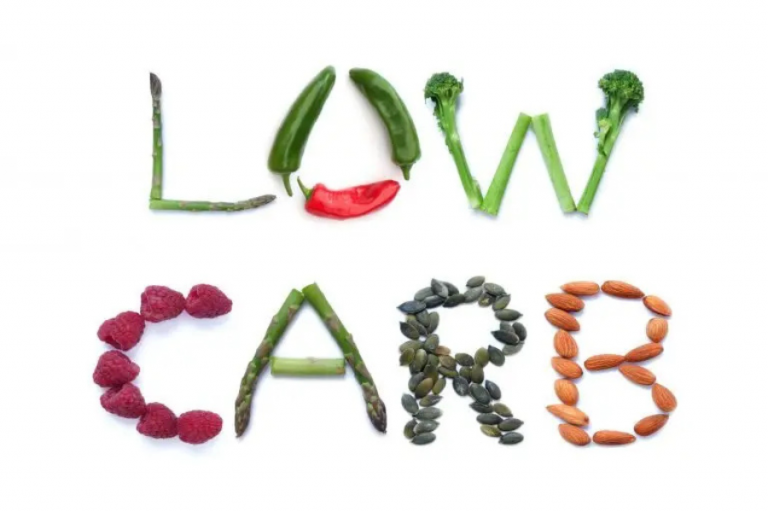
- Choosing a variety of low carb vegetables such as leafy greens, broccoli, cauliflower, zucchini, asparagus, and mushrooms (Obesity Medicine Association).
- Staying hydrated and making sure you get enough electrolytes, especially sodium, potassium, and magnesium.
- Not dropping carbohydrates to extremely low levels overnight unless a healthcare professional is guiding you.
Low carb does not have to mean low variety. When you keep that in mind, you can enjoy many of the benefits without feeling boxed in.
Low carb works best when you view it as a shift toward better quality carbs and more satisfying meals, not a never‑ending list of forbidden foods.
Choose the right low carb foods for you
What you eat on a low carb diet matters as much as how many carbs you count. Think of your plate as protein plus fiber plus healthy fat, then add small portions of nutrient‑dense carbs as needed.
Good low carb choices include:
- Meat, eggs, and seafood, which are naturally low in carbohydrates. Organ meats such as beef liver contain slightly more carbs, and processed meats like bacon or sausages can have added sugars or fillers, so it is worth checking labels (Healthline).
- Most vegetables, especially leafy greens and cruciferous types like broccoli and cauliflower. These usually contain only 3 to 9 grams of carbs per 100 grams and provide fiber, vitamins, and minerals. Higher starch vegetables such as potatoes, corn, and parsnips have a lot more carbs, so you may want to keep those occasional (Healthline).
- Low carb fruits such as raspberries, blackberries, strawberries, watermelon, cantaloupe, kiwi, peaches, clementines, and grapefruit in modest portions (Obesity Medicine Association). Fatty fruits such as avocados and olives are especially friendly to low carb plans because they provide healthy fats with fewer digestible carbs (Healthline).
- Full‑fat dairy products if you tolerate them, like plain yogurt, cheese, and cream, which usually contain 2 to 11 grams of carbs per 100 grams. You do need to watch for added sugars in flavored yogurts and milk drinks (Healthline).
- Fats and oils such as olive oil, avocado oil, and butter, which contain essentially zero carbohydrates and can help you feel full and satisfied on a low carb, real‑food‑based diet (Healthline).
The Obesity Medicine Association suggests simple low carb swaps such as scrambled eggs with bacon or a veggie omelet for breakfast, lettuce wrap “unwiches” or salads with protein for lunch, and dinners like steak with broccoli or chicken with riced cauliflower (Obesity Medicine Association). Notice how each meal focuses on protein and non‑starchy vegetables first, then uses fats to round things out.
They also caution you not to lean too heavily on “net carbs,” where you subtract fiber and sugar alcohols from the total carb count. That math can be misleading, and they recommend counting total carbohydrates instead, especially if you are following a structured low carb diet (Obesity Medicine Association).
Ease into low carb in a realistic way
You do not have to overhaul your entire pantry overnight to start seeing benefits from a low carb diet. In fact, easing in can make it more sustainable.
You might begin with one meal per day. For example, you could turn your usual morning toast and jam into eggs with sautéed spinach and a few berries. Once that feels normal, you can tackle lunch, maybe by swapping a sandwich for a big salad topped with grilled chicken, avocado, and olive oil dressing.
Diabetes UK offers a helpful framework: aim for a balanced approach that includes at least five portions of fruits and vegetables per day, emphasizes fiber and protein, and reduces carbs from less healthy sources while still getting carbohydrates from high‑fiber foods like pulses, nuts, vegetables, and whole fruits (Diabetes UK). This kind of structure lets you stay low carb without cutting out every familiar food.
If weight loss is one of your main goals, remember that no single eating plan is automatically superior long term. For many people with type 2 diabetes, losing around 15 kilograms within three to five months greatly increases the chance of diabetes remission, and a low carb diet is one of several valid routes to get there (Diabetes UK). The “best” choice is the one you can live with that moves you toward those results.
Decide if low carb is your best next step
When you put the pieces together, a low carb diet can help you:
- Lose weight and target harmful visceral belly fat.
- Reduce appetite so you naturally eat less without constant hunger.
- Improve blood sugar, insulin levels, and triglycerides.
- Lower your risk of type 2 diabetes and heart disease, especially when you focus on healthy fats and high‑fiber vegetables.
At the same time, you need to be mindful of potential side effects, nutrient gaps, and the quality of the fats and proteins you choose. Very strict versions, such as classic keto, may not be right for you long term, especially if you have certain medical conditions or a history of heart disease.
If you are curious, a simple way to start is to pick one change today. You might swap your usual refined‑carb dinner for a plate built around protein and vegetables, or you might remove sugary drinks for a week and see how you feel. If you take medications, especially for diabetes, check in with your healthcare team before you make bigger shifts so you can adjust safely.
From there, you can watch how your body responds. If you feel more energized, less hungry between meals, and your health markers improve, your low carb diet might truly be the best choice you have made yet.
About the Author