A keto diet plan can feel confusing at first, but once you understand the basics it becomes a simple, repeatable way to eat. If you want to lose weight, steady your energy, or improve blood sugar control, a clear beginner keto plan gives you structure without spending all day counting every bite.
Below, you will learn what the keto diet is, how it works, what to eat, what to avoid, and how to build a realistic 7 day starter plan you can actually follow.
Understand what a keto diet plan really is
A keto diet plan is a very low carbohydrate, high fat way of eating that is designed to move your body into ketosis. In ketosis, you burn fat for energy instead of carbs, and your liver produces ketones that your cells use as fuel. Registered dietitians at UC Davis Health describe keto as a strict, high fat, very low carb plan that intentionally induces this metabolic state so your body relies on fat instead of glucose for energy (UC Davis Health).
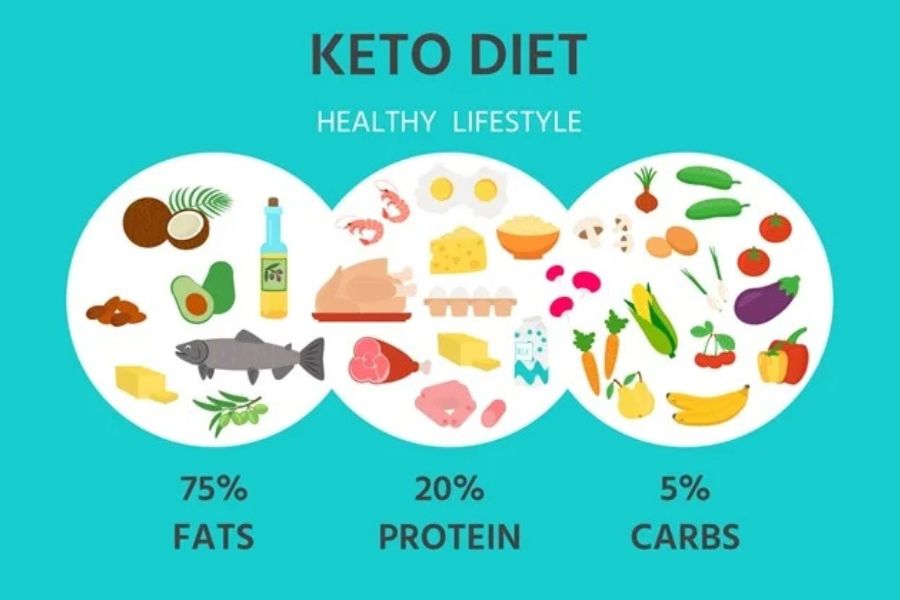
The most common version you will see is the standard ketogenic diet. On this plan, you typically eat about 70 to 80 percent of your calories from fat, 10 to 20 percent from protein, and only 5 to 10 percent from carbohydrates. For most people, that means around 20 to 50 grams of net carbs per day, which are total carbs minus fiber (Everyday Health).
Learn how keto works in your body
Under a typical higher carb diet, your body mostly burns glucose from carbs for energy. When you sharply cut carbs and increase fat, your stored carbohydrate, called glycogen, drops. Once glycogen is depleted, your body starts breaking down fat into ketones. This shift into ketosis can happen in about one to three days after changing your food intake, according to dietitian Stacey Mattinson, RDN (Everyday Health).
Research shows that this change can slightly improve weight loss compared with low fat diets and can reduce diastolic blood pressure and triglycerides (Healthline). For people with type 2 diabetes or prediabetes, a well structured keto diet can improve insulin sensitivity by up to 75 percent, significantly reduce hemoglobin A1C, and lead to meaningful weight loss while lowering the need for some blood sugar medications (Healthline).
Keto was originally used in the 1920s as a medical diet to reduce seizures in children with drug resistant epilepsy. It is still used today for seizure management when medications are not enough (UC Davis Health).
Compare the main keto variations
You do not have to follow the strictest medical version of keto to see benefits. There are several templates you might come across.
- The Classic Keto Diet is the strictest form. It uses carefully controlled ratios of fat, protein, and carbs and is usually done under medical supervision, often for epilepsy (UC Davis Health).
- The Standard Ketogenic Diet is the most researched version for weight loss and blood sugar control. It usually limits carbs to 20 to 50 grams per day and emphasizes fats from meat, fish, eggs, nuts and healthy oils (Healthline).
- The Modified Keto Diet is slightly less strict and includes a bit more protein and carbohydrates while still aiming for ketosis (UC Davis Health).
- The Modified Atkins Diet is the most flexible. It allows unlimited protein intake and a higher but still controlled amount of carbs compared with classic keto (UC Davis Health).
As a beginner, you will likely do best with a standard ketogenic or modified keto approach that aims for 20 to 50 grams of net carbs but still feels practical in daily life.
Know the potential benefits and limits
A beginner keto diet plan can support several goals if you approach it carefully.
For weight loss, keto often leads to quick changes on the scale at first because you lose water as glycogen stores empty. Over the next several weeks to months, you can also lose body fat, in part because the high fat intake may reduce hunger. Everyday Health notes that keto can spur fat loss in people with obesity for periods from weeks up to about a year, especially when it helps you eat fewer calories overall without feeling deprived (Everyday Health).
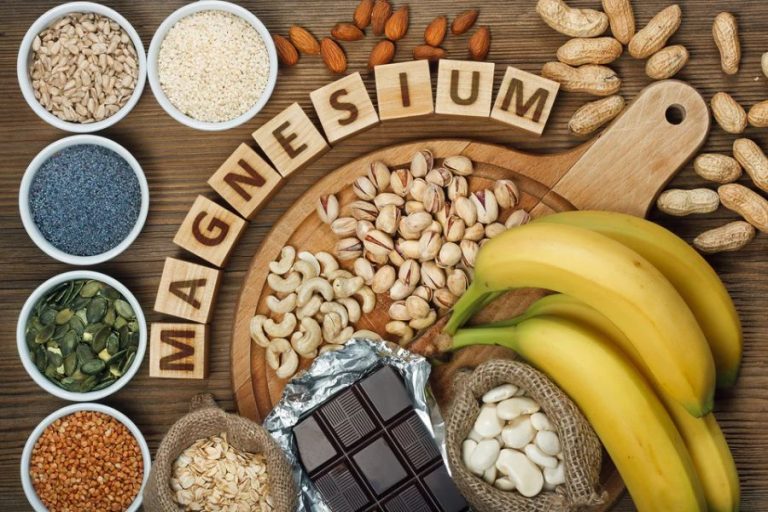
For blood sugar, both keto and Mediterranean style diets improve glucose control in people with prediabetes or diabetes. However, one 12 week trial found that while a keto diet improved blood sugar, it also raised LDL cholesterol and contributed to nutrient shortfalls like folate, vitamin C, magnesium, and fiber because of restricted food choices (Everyday Health).
It is also important to understand that keto generally impairs high intensity athletic performance, since those efforts rely heavily on carbohydrates. UC Davis Health notes that the keto diet can reduce performance and lead to more lean tissue loss compared with higher carb plans, which makes strict keto a poor choice for many athletes (UC Davis Health).
Watch out for common risks and side effects
Like any restrictive eating pattern, a keto diet plan has trade offs.
In the first week or so, you may experience the so called keto flu. Symptoms like fatigue, headache, nausea, constipation, diarrhea, or brain fog are common as your body adjusts. Healthline suggests that easing into keto, adding extra salt or mineral supplements, and eating until you are comfortably full can lessen these early side effects (Healthline).
Over time, the very low carb intake can increase your risk of nutrient deficiencies, especially vitamins, minerals, and fiber from fruits, whole grains, and many vegetables. Northwestern Medicine experts note that keto can also cause constipation and may negatively affect heart and kidney health for some people (Northwestern Medicine).
Because keto can cause sudden drops in blood pressure and blood sugar, it can be risky for people with diabetes who use insulin or other blood sugar lowering medications. Closely tracking every bite may also trigger or worsen disordered eating patterns, including binge eating or shame around food (Northwestern Medicine). If you have a medical condition or a history of disordered eating, you should talk with your healthcare provider before starting keto.
Focus on what to eat on keto
A beginner friendly keto diet plan centers around whole, mostly unprocessed foods that are naturally low carb and higher in fat. Most of your meals should be built from these options:
- Fats and oils such as olive oil, avocado oil, coconut oil, butter and ghee. Northwestern Medicine recommends prioritizing heart healthy fats from olive oil, avocado and fatty fish instead of relying only on red meat or butter (Northwestern Medicine).
- Protein like eggs, poultry, beef, pork, lamb, and seafood. Fatty fish such as salmon, mackerel and sardines give you both protein and omega 3 fats.
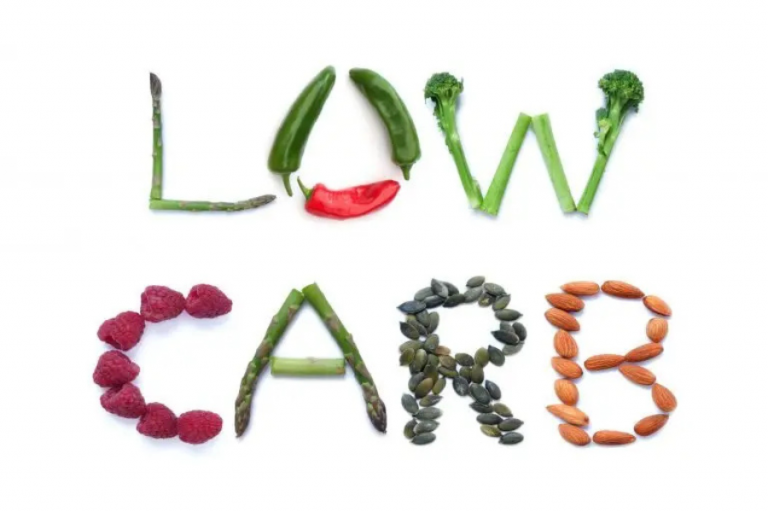
- Non starchy vegetables, for example leafy greens, broccoli, cauliflower, zucchini, bell peppers, asparagus and green beans.
- Full fat dairy including heavy cream, cheese, plain full fat yogurt and unsweetened Greek yogurt, as long as you tolerate dairy.
- Nuts and seeds, especially almonds, walnuts, pecans, macadamias, sunflower seeds, chia seeds and flaxseeds.
- Low sugar fruits in moderation, such as small portions of berries.
The standard ketogenic diet emphasizes fats from meat, fish, eggs, nuts and healthy oils while intentionally limiting carbs (Healthline).
Understand what to limit or avoid
Because carb intake is so low on keto, some familiar foods will not fit your daily plan. Eating too many of these can easily knock you out of ketosis.
High carb foods to avoid or strictly limit include refined carbs like bread, pasta, rice, cereal, and baked goods. You also want to avoid starchy vegetables like potatoes and corn, along with higher sugar fruits such as bananas and grapes, because they can quickly push your carb count over your daily limit (Healthline).
Sweetened dairy products and drinks, like flavored yogurt, chocolate milk, soda and juice, are usually too high in sugar for keto. Plain full fat yogurt and unsweetened almond milk are better options (Healthline).
Condiments can be a hidden source of carbs. Ketchup, barbecue sauce, sweet chili sauce, honey and syrups often contain significant sugar, so you are better off with mustard, mayonnaise and hot vinegar based sauces (Healthline). Low fat or reduced fat products are usually not ideal either, since they often compensate for lost fat with added sugar. On keto, you actually need the fat for energy, so full fat versions usually fit better (Healthline).
Build a simple 7 day beginner keto diet plan
You do not need a perfect meal plan to start. You just need a basic structure that keeps your carbs low and your meals satisfying. Here is an example framework you can adapt to your tastes and schedule.
Think of this as a template. Swap in your favorite proteins, vegetables and fats while keeping carbs around 20 to 50 grams of net carbs per day.
Breakfast ideas
Choose one option each morning and rotate:
- Scrambled eggs cooked in butter with spinach and sliced avocado
- Greek yogurt (unsweetened, full fat) with a few raspberries and chopped walnuts
- Omelet with cheese, mushrooms and bell peppers cooked in olive oil
Lunch ideas
Keep lunch simple and repeat friendly:
- Grilled chicken salad with mixed greens, cucumbers, olives and olive oil vinaigrette
- Tuna salad made with mayonnaise, served over lettuce with sliced celery
- Leftover roasted salmon with a side of broccoli sautéed in garlic and olive oil
Dinner ideas
Focus on a protein plus two low carb vegetables and a fat source:
- Baked chicken thighs with roasted cauliflower and a side salad
- Beef stir fry cooked in avocado oil with broccoli and zucchini, served without rice
- Pork chops with sautéed green beans and a pat of butter or ghee
Snack options (if you are hungry between meals)
You may find you need fewer snacks on keto because fat can be very filling. If you do want a snack, keep it small and low carb:
- A handful of almonds or macadamia nuts
- String cheese or a small portion of cheddar
- Celery sticks with cream cheese
- A hard boiled egg
As you follow this plan, adjust your portions to your hunger. There is no need to force strict calorie counting at the very beginning, especially while you are still getting used to a new way of eating.
Here is a quick summary of what a typical day on your beginner keto diet plan might look like:
| Meal | Example plate |
|---|---|
| Breakfast | Omelet with cheese, spinach and mushrooms in olive oil |
| Lunch | Grilled chicken salad with olive oil dressing and avocado |
| Dinner | Salmon with roasted broccoli and a side salad |
| Snack | Handful of nuts or a piece of cheese, if needed |
Make keto work safely for your life
The most effective keto diet plan for you is one that fits your health needs, food preferences and daily routine. If you have diabetes, kidney disease, heart disease, epilepsy or a history of disordered eating, it is important to talk with your doctor or a registered dietitian before you start. Research supports keto primarily for epilepsy, blood sugar control, and weight loss, but scientists still need more long term data, especially for diabetes and general weight loss outcomes (Everyday Health).
If you decide to move forward, start by lowering carbs gradually over a week, drinking plenty of water, and choosing healthy fats from olive oil, avocado and fatty fish more often than processed meats. Pay attention to how you feel and be willing to adjust. If strict keto turns out to be too limiting, a slightly higher carb, whole foods plan such as a Mediterranean style diet may suit you better while still supporting weight and blood sugar goals.
You do not have to get everything perfect on day one. Begin by choosing your meals for tomorrow, focusing on protein, low carb vegetables and healthy fats. Then notice how your body responds, and keep refining your personal keto plan from there.
About the Author