A well designed keto diet meal plan can do more than help you lose weight. When you build it correctly, it can also support steady, lasting energy throughout your day. Instead of chasing sugar highs and afternoon crashes, you train your body to rely on fat as a primary fuel source.
Below, you will learn how keto works for energy, how to structure your meals, and what to watch for so you feel clear headed and steady rather than depleted.
Understand how keto fuels your energy
On a standard high carb diet, your body mainly burns glucose from carbohydrates. When you follow a keto diet meal plan and keep carbs very low, usually under about 20 grams of net carbs per day, your body starts producing ketones from fat and uses them as fuel instead (Diet Doctor).
That shift to using fat and ketones is what many people associate with more consistent energy. Instead of depending on frequent carb heavy snacks, your body taps into stored fat between meals.
Keto is not one single rigid plan. There are several styles, like the Classic Keto Diet, Modified Keto Diet, and Modified Atkins Diet, each with slightly different balances of fat, protein, and carbs (UC Davis Health). Whichever version you choose, the common goal is to keep carbs low enough to encourage ketosis.
Set realistic goals before you start
Before you design your keto diet meal plan, it helps to get clear on what you want from it. Keto has been studied for weight loss and improved metabolic markers, and some research suggests greater fat loss and improved insulin sensitivity compared with low fat diets in people who are overweight (Diet Doctor).
You might also be looking for more stable energy, fewer blood sugar swings, or help managing cravings. Write down your main reasons. That way, when you plan meals, you can make choices that match those priorities instead of just chasing any recipe labeled keto.
Because keto is a restrictive eating pattern, it is important to speak with a health professional first, especially if you have medical conditions, take medication, or are considering staying on keto long term (Whole Foods Market).
Learn what to eat and what to skip
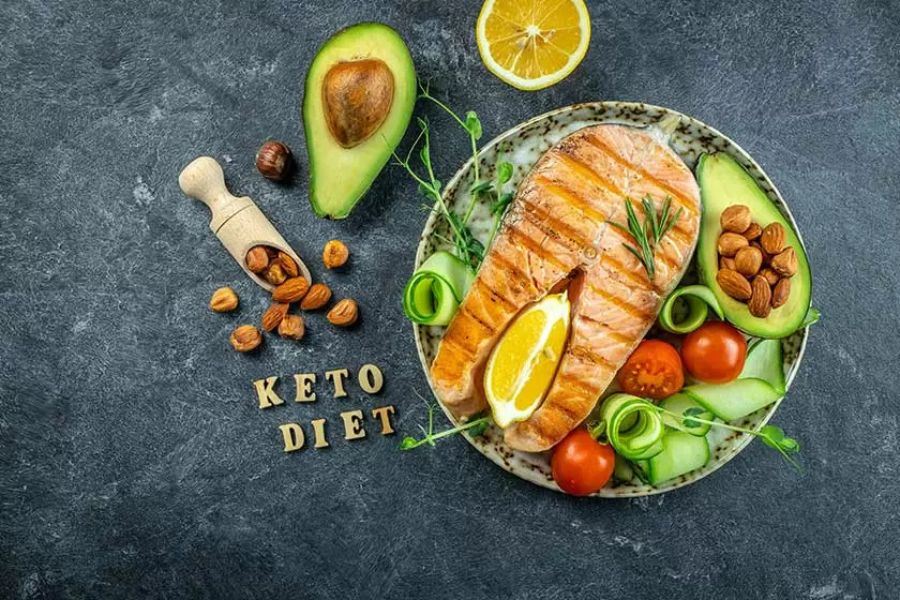
A keto diet is high in fat, moderate in protein, and very low in carbohydrates. Choosing the right foods helps you stay in ketosis without feeling deprived.
Keto friendly staples to focus on
You will build most of your meals from these categories:
- Animal proteins like salmon, sardines, and mackerel, which provide protein and omega 3 fats
- Fresh meat and poultry, which are naturally carb free and rich in B vitamins and minerals
- Eggs, which have less than 1 gram of carbs each and can help you feel full (Healthline)
- Full fat cheeses such as cheddar, usually very low in carbs, about 1 gram per ounce (Healthline)
- Low carb vegetables like leafy greens, peppers, zucchini, cauliflower, spaghetti squash, and other nonstarchy options (Healthline)
- High fat plant foods such as avocados and olives
- Healthy fats and oils including olive oil, coconut oil, avocado oil, butter, and ghee (Healthline)
- Simple beverages like water, unsweetened coffee and tea, and unsweetened sparkling water (Healthline)
Plain Greek yogurt and cottage cheese can also fit in moderation if you track their carbs (Healthline). Unsweetened almond, coconut, or soy milk can replace regular milk in your coffee or smoothies.
High carb foods to avoid or limit
To stay in ketosis, you typically need to keep net carbs under 20 grams per day or total carbs under about 30 grams per day (MercyOne). That means you will be cutting back or fully avoiding:
- Pasta, rice, bread, tortillas, and cereal
- Potatoes, corn, peas, and most legumes like beans and lentils
- Most desserts, pastries, and sugary snacks
- Sweetened drinks and juices
- Many fruits, except small portions of higher fiber choices like raspberries (UC Davis Health)
Reading labels becomes essential. Sugar and refined carbs show up in sauces, marinades, salad dressings, and flavored yogurts. Planning your meals in advance makes it easier to avoid these hidden sources of carbs (MercyOne).
Design a keto day that supports steady energy
Instead of winging it meal by meal, sketch out a simple daily pattern that keeps you fueled and satisfied. That can help you avoid both energy dips and last minute food decisions.
Breakfast for a strong start
On keto, breakfast is a chance to front load protein and healthy fats, which can keep you full for hours. Many successful meal plans repeat the same easy breakfasts to simplify your routine. For example, a weekly plan might use Egg White Omelet Bites or keto friendly yogurt with chia seeds and raspberries on multiple mornings (Whole Foods Market).
You might choose:
- Scrambled eggs cooked in butter with spinach and avocado
- A veggie omelet with cheese and a side of smoked salmon
- Full fat plain Greek yogurt topped with a small handful of raspberries and chia seeds
The idea is to avoid sugary cereals or breads that can spike and then crash your blood sugar.
Lunch that keeps you going
Midday meals on a keto diet meal plan work best when they are simple and built from leftovers. Many structured plans scale recipes to 2 to 6 servings so you can eat part of a dinner again for lunch the next day (Whole Foods Market).
Think about options like:
- Leftover grilled chicken over a large salad with olive oil and avocado
- Burger patties without the bun, topped with cheese, onions, and a side of sautéed zucchini
- Sliced rotisserie chicken with olives, cucumbers, and a small portion of cheese
Keeping lunch uncomplicated saves decision fatigue and preserves your energy for the rest of your day.
Dinner that satisfies without a slump
Evening meals are where you can enjoy more elaborate recipes while still staying in ketosis. Some keto friendly meal plans include dishes such as Herbed Prime Rib Roast, Pizza Style Stuffed Portobellos, or Pan Seared Chilean Sea Bass with a rich sauce (Whole Foods Market).
You might build your own dinners around:
- A generous serving of protein, such as chicken thighs, salmon, or steak
- Two portions of low carb vegetables, like roasted cauliflower and a side salad
- A clear source of fat, such as a creamy sauce, olive oil, or butter
Finishing dinner at a consistent time each night can also support better sleep, which further improves your daytime energy.
Snacks and desserts that do not sabotage progress
You do not have to snack if you are truly full between meals. However, strategic snacks and desserts can help when you are adjusting to keto or have a long afternoon ahead.
Some keto meal plans use:
- Fresh celery or cucumber sticks with a creamy dip
- Parmesan crisps or pork rinds for a salty crunch
- Packaged keto bars like chocolate nut bars as a dessert option (Whole Foods Market)
Be cautious with keto branded products though. Many contain sugar alcohols such as erythritol or maltitol, which add calories and can keep sugar cravings alive (MercyOne). When possible, prioritize whole food snacks over processed replacements.
Use meal prep to stay consistent
Energy on keto is not only about what you eat. It is also about how easy it is for you to stick to the plan during a busy week.
Copying strategies from structured plans can help. You can:
- Organize your ingredients once per week, washing and chopping low carb vegetables ahead of time
- Prep key components such as egg bites, roasted meats, or big batches of salads
- Use ready to eat items like rotisserie chicken or even sashimi to fill in busy nights (Whole Foods Market)
Planning a few repeat meals, especially for breakfast and lunch, lightens your mental load. Then you can reserve new recipes for dinners when you have more time and energy.
Avoid common keto mistakes that drain energy
A keto diet meal plan can be energizing, but a few predictable mistakes can leave you feeling worse instead of better.
Missing minerals and electrolytes
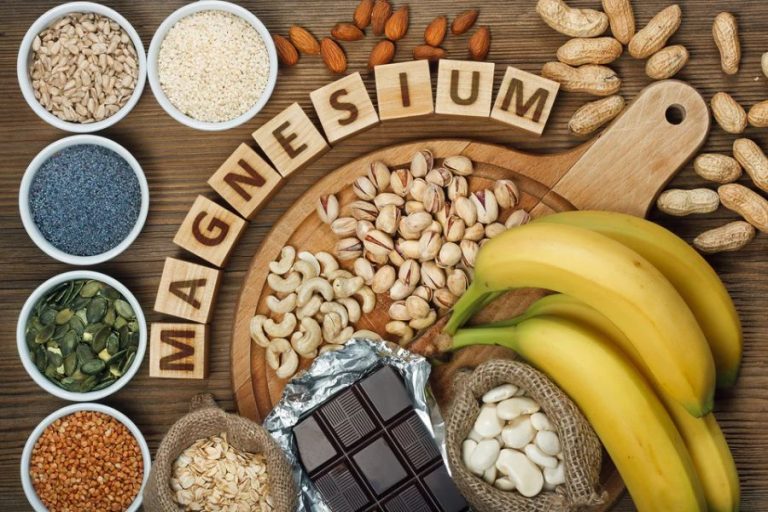
When you reduce carbs, your insulin levels usually drop. That change signals your kidneys to release more sodium, potassium, and magnesium. If you do not replace them, you might feel tired, headachy, or queasy, often described as the keto flu (MercyOne).
Drinking plenty of water and deliberately adding salt can help. Some guides suggest having a salty broth or bouillon daily in the first week to reduce keto flu symptoms (Diet Doctor). You can also talk with your healthcare provider about whether a magnesium supplement makes sense for you.
Letting carbs creep up
If you are not tracking your food at all, it is easy to move out of ketosis without realizing it. Extra sauces, snacks, or unmeasured portions can all add up.
Keeping your net carbs under 20 grams per day or total carbs under 30 grams per day, and checking labels for hidden sugars, will help you stay on track (MercyOne). Planning your meals ahead is one of the most reliable ways to manage your carb intake.
Relying on keto junk food
Keto bars, cookies, and fat bombs can feel like an easy shortcut, but they often contain sweeteners that deliver little nutrition and can feed your appetite for sweets (MercyOne). They can also make your energy less predictable.
Whole foods, like eggs, meat, leafy greens, nuts, and simple full fat dairy, are more likely to give you stable energy and satiety.
Know the limits and when to get help
Keto can be a powerful tool, but it is not ideal for every situation. The ketogenic diet was originally created to help children with drug resistant epilepsy. Today it is being explored for weight loss, blood sugar control, and even some neurological conditions (UC Davis Health).
At the same time, potential side effects can include changes in blood lipids, shifts in bone health markers, and increased loss of sodium. People often need salt supplementation and a quality multivitamin to cover nutrient gaps (UC Davis Health). Very low carb intake can also impair athletic performance and may contribute to loss of lean tissue in some athletes, so a strict keto approach is not usually recommended for high level sports (UC Davis Health).
Before you commit to a long term keto diet meal plan, work with a registered dietitian or physician. They can suggest the version of keto that fits your health history and can monitor lab work as you go.
If you ever feel persistently unwell, extremely fatigued, or notice worrying symptoms on keto, that is a sign to pause, get medical advice, and consider adjusting your plan.
Put your keto meal plan into action
To turn this information into steady energy in your daily life, start small:
- Define your main goal, such as weight loss, more stable energy, or blood sugar control.
- Choose a simple weekly structure, repeating an easy breakfast and lunch.
- Make a grocery list built around proteins, low carb vegetables, and healthy fats.
- Prep at least one breakfast and one dinner in advance so you are never left without a keto friendly option.
- Drink enough water, add some salt, and pay attention to how your body responds.
Your keto diet meal plan should make your days easier, not more complicated. If you feel clearer, more focused, and steadily fueled between meals, you are on the right track. If not, you can adjust portions, food choices, or even the strictness of your carb limit until your plan supports both your health goals and your everyday energy.
About the Author