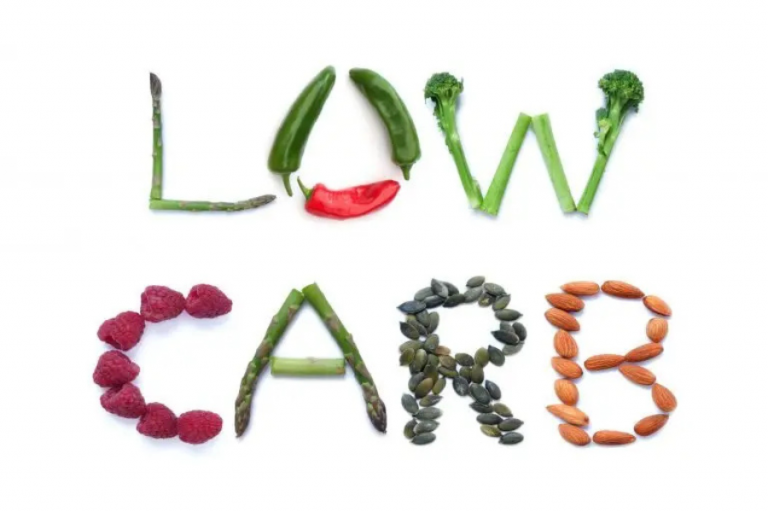
A well planned set of keto diet macros can make the difference between feeling energized and seeing results or feeling stuck and frustrated. If you are cutting carbs but not paying attention to your protein, fat, and fiber, you can accidentally knock yourself out of ketosis, stall weight loss, or feel wiped out.
Below are the most common mistakes people make with keto diet macros and how you can avoid them.
Ignoring your carb limit
Carbs are the main dial that controls ketosis. On a standard ketogenic diet, you typically need to keep carbs under about 50 grams per day to enter and stay in ketosis, which is a big shift from most everyday eating patterns (Everyday Health). Many people assume that being “low carb” is enough, but the keto threshold is lower than a typical low carb plan.
Health organizations and keto calculators generally recommend:
- Around 5 to 10 percent of calories from carbohydrates
- Often 20 to 50 grams of carbs per day, sometimes as low as 20 grams, to trigger ketosis (Perfect Keto, Harvard T.H. Chan School of Public Health, NCBI Bookshelf)
Net carbs versus total carbs
Another common slip is tracking total carbs instead of net carbs without realizing the difference. Keto plans usually focus on net carbs, which are the digestible carbs that affect blood sugar and ketosis. Net carbs are calculated by subtracting non digestible carbohydrates like fiber and some sugar alcohols from total carbs (ruled.me, Harvard T.H. Chan School of Public Health).
That means a high fiber food can look carb heavy at first glance, but its net carb impact might actually fit your goals. On the flip side, “keto” snacks that rely on sugar alcohols can add up quickly if you eat them throughout the day.
How to fix it
Start with a clear carb target, such as 20 to 30 grams of net carbs per day if your goal is nutritional ketosis, and track what you eat for at least the first few weeks. Reading labels, checking serving sizes, and using a macro tracking app can help you see patterns you might miss otherwise.
If you are not sure where to start, look for a keto macro calculator that uses a research based formula, such as Mifflin St Jeor, to estimate your calorie needs and then sets carb limits from there (Perfect Keto, ruled.me).
Cutting carbs and raising fat too fast
Switching to keto diet macros can feel like flipping a switch. You might be tempted to drop your carbs overnight and load up on butter, cheese, and bacon right away. That sharp change can leave you dealing with “keto flu” symptoms, such as headaches, fatigue, and irritability.
A ketogenic diet usually reduces carbs to under 50 grams per day and sometimes even lower in the first phase, which is a big jump from most high carb diets (Everyday Health, Health). Going from one extreme to the other in a single day is hard on your body.
Keto experts note that tapering, not slamming on the brakes, is often easier. Gradually decreasing carbs instead of cutting them “cold turkey” gives your metabolism and digestion time to adjust (Everyday Health).
How to fix it
If you are new to keto, consider these steps:
- Cut obvious sugars and refined grains first, such as soda, candy, white bread, and pastries.
- Reduce starchy sides, such as rice, pasta, and potatoes, over one to two weeks.
- Replace those calories with healthy fats and non starchy vegetables, not just heavier portions of meat or cheese.
This slower ramp can help you avoid the worst of the adjustment period and make your new macro pattern feel more sustainable.
Overdoing protein and blocking ketosis
Protein is easy to lean on when you cut carbs. It feels filling and familiar, and it supports muscle. The catch is that on a strict ketogenic diet, protein is meant to be moderate, not unlimited.
If you regularly overshoot your protein target, your body can convert some of those amino acids into glucose through a process called gluconeogenesis. That extra glucose can make it harder to reach or maintain ketosis (Healthline, Harvard T.H. Chan School of Public Health, Abbott Nutrition).
Typical keto diet macros for protein fall in these ranges:
- About 10 to 30 percent of calories from protein
- Around 0.6 to 1.2 grams of protein per pound of lean body mass, depending on your activity level (Perfect Keto, ruled.me)
Sedentary people usually do fine at the lower end, while very active or strength training individuals need more, within that moderate range.
How to fix it
Estimate your lean body mass and pick a protein target that matches your current lifestyle. For example, if you are moderately active, using about 0.8 to 1.0 grams of protein per pound of lean body mass is a practical starting point (ruled.me).
Then check your plate. A palm sized serving of protein at each meal, plus smaller amounts in snacks, often lands you in the right zone without constant counting. If your meals are built around very large portions of meat with only a small amount of fat, shift some of that volume toward healthy fats and non starchy vegetables instead.
Eating too little or the wrong types of fat
On a traditional diet, fat often gets pushed to the side. On keto, it becomes your main energy source. If you lower carbs and only slightly raise fat, you are likely to feel hungry, tired, and more tempted by high carb foods.
Well formulated ketogenic diets typically include about 60 to 80 percent of calories from fat (Perfect Keto, Harvard T.H. Chan School of Public Health, NCBI Bookshelf). That does not mean adding random fats to everything. The types of fat you choose matter for heart health, cholesterol, and how you feel overall.
The National Lipid Association and recent trials suggest favoring unsaturated fats, such as olive oil, nuts, seeds, and fatty fish, to reduce unwanted changes in blood lipids while you follow keto (NCBI Bookshelf).
How to fix it
Think of fat in two categories: your base fats and your flavor fats.
- Base fats: avocado, olives, olive oil, nuts, seeds, and cold water fish like salmon or sardines. These provide energy plus helpful omega 3 and monounsaturated fats (Everyday Health, Perfect Keto, Abbott Nutrition).
- Flavor fats: butter, cheese, cream, and fattier cuts of meat. These can still fit, but try to balance them with the healthier options above.
Once you set your carb and protein limits, use fat as your “lever” to adjust total calories up or down based on your weight goals (ruled.me). If you are losing weight too quickly and feel drained, a small bump in fat intake can help. If progress has stalled and your calories are high, trimming back on added fats like oils and cheese can get you moving again.
Forgetting about vegetables and fiber
It is easy to assume that most vegetables are free foods on any diet. On keto, you still need to pay attention, because vegetables contain carbs too. That said, if you restrict them too severely, you miss out on fiber and micronutrients, and constipation quickly becomes a problem.
Experts recommend focusing on non starchy vegetables in smart portions so that you stay within your carb budget yet get enough fiber to keep digestion regular (Everyday Health). Common keto guidelines recommend cutting or minimizing carb heavy foods like grains, potatoes, most fruits, beans, and fruit juice while including plenty of low carb vegetables (Harvard T.H. Chan School of Public Health).
How to fix it
Build every meal around a generous serving of non starchy vegetables such as leafy greens, broccoli, cauliflower, zucchini, cucumbers, or bell peppers. Count their net carbs toward your daily limit so there are no surprises, but do not skip them completely.
You can also use higher fiber, lower net carb foods to add variety, such as:
- Chia seeds or flaxseeds in yogurt or smoothies
- Avocado as a side or topping
- Nuts and seeds as small snacks
These give you extra fiber and healthy fats at the same time.
Skimping on sodium and electrolytes
As your carb intake drops, insulin levels often fall too. Lower insulin means your kidneys excrete more water and sodium through urine, which can leave you low on electrolytes. That shift plays a big role in “keto flu” symptoms like lightheadedness, headaches, cramps, and fatigue (Healthline, Abbott Nutrition).
Because keto increases fluid and sodium loss, you usually need to be more proactive about both hydration and electrolytes than you would on a higher carb diet.
How to fix it
Focus on three basics:
- Salt your food to taste with a quality salt, unless your doctor has you on a sodium restriction. Low sodium can cause more issues on keto than a modest increase within general guidelines (Healthline).
- Drink water regularly throughout the day, not just in large bursts.
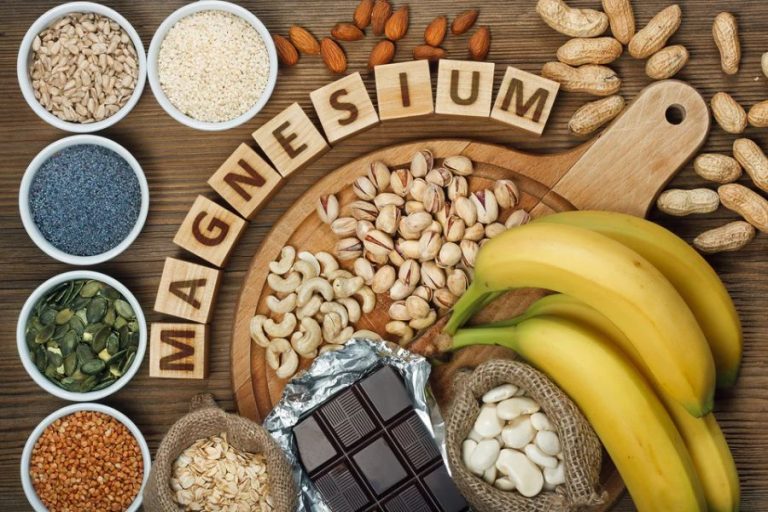
- Add electrolyte rich choices like broth, mineral water, or an electrolyte supplement that contains sodium, potassium, and magnesium, especially in the first few weeks (Everyday Health, Abbott Nutrition).
If you notice symptoms that feel more intense than simple “keto flu” or if you have health conditions like high blood pressure or kidney disease, check in with your healthcare provider before adjusting your electrolytes on your own.
Quick check: If you feel sluggish, headachy, or crampy on keto, first ask yourself if you have had enough water and salt that day before assuming something is wrong with your macros.
Ignoring your overall calorie intake
Keto diet macros are not a magic shield against overeating. You still need a calorie deficit to lose weight and a rough calorie balance to maintain it. High fat foods are energy dense, so it is easy to go over your needs if you eat them freely.
Several health sources emphasize that even though keto can suppress appetite for some people, energy balance still matters for fat loss and long term health (Health, Harvard T.H. Chan School of Public Health). That is part of why research based macro calculators start with your basal metabolic rate and activity level, then layer in carb, fat, and protein targets on top (Perfect Keto, ruled.me).
How to fix it
Use macros as a practical way to monitor both food quality and quantity:
- Estimate your daily calorie needs based on your age, sex, height, weight, and activity.
- Set your macro ratios according to your version of keto, for example 5 percent carbs, 20 percent protein, and 75 percent fat (Abbott Nutrition).
- Track your intake for at least a few weeks and compare it to your goals.
If your weight is not moving in the direction you want, adjust your total calories slightly before making drastic macro changes. A small tweak, like trimming a couple of tablespoons of added oil or swapping a heavy snack for a lighter one, can be enough.
Not tailoring keto macros to your life
There is no single set of keto diet macros that works for everyone. Activity level, age, body composition, and health conditions all matter. Different versions of keto, like targeted or cyclical approaches, also adjust how strict your carb limit needs to be (Health).
For example:
- If you are mostly sedentary and focusing on weight loss, a standard keto setup with very low carbs and moderate protein may be a good fit.
- If you are very active or lift weights regularly, you may do better with slightly higher protein within keto ranges, or you might experiment with a targeted plan that includes a small amount of carbs around workouts.
Before you commit to a specific macro pattern, it is important to consider your health background. People with conditions like type 1 diabetes, certain kidney issues, or those who are pregnant or breastfeeding are often advised to avoid strict keto or to follow it only under close medical supervision (Health, NCBI Bookshelf).
How to fix it
Use reputable calculators and resources as a starting point, not a final answer. Then:
- Adjust based on your energy, mood, and progress.
- Review your lab work, medications, and medical history with your doctor, especially before and after major macro changes, since some medications may need adjustment on a very low carb diet (NCBI Bookshelf).
- Revisit your macros every few months as your weight, activity level, or goals change.
Your best keto macro setup is the one that moves you toward your goals, feels sustainable, and supports your health, not just the strictest one you can follow for a short time.
Putting it all together
When you treat keto diet macros as a flexible framework rather than a rigid rulebook, it becomes much easier to avoid the most common pitfalls. You keep carbs low enough for ketosis, hold protein at a moderate level, eat enough of the right fats to stay satisfied, and still make room for fiber rich vegetables and smart electrolyte habits.
If you want a simple next step, pick one area from this list to focus on this week. Maybe you track your net carbs more carefully, add a serving of non starchy vegetables to each meal, or shift some of your fats toward olive oil and fatty fish. Those small, targeted changes can steadily bring your macros in line and make your keto diet feel better and work better over time.
About the Author