Intermittent fasting can sound intense at first, but once you understand how it works, it becomes a simple routine that fits into your day. With a friendly intermittent fasting meal plan, you focus less on constant calorie counting and more on when you eat and how to keep your meals nourishing and satisfying.
This guide walks you through what intermittent fasting is, how the popular 16/8 method works, and how to build an intermittent fasting meal plan that supports weight loss and better health without feeling deprived.
What intermittent fasting actually is
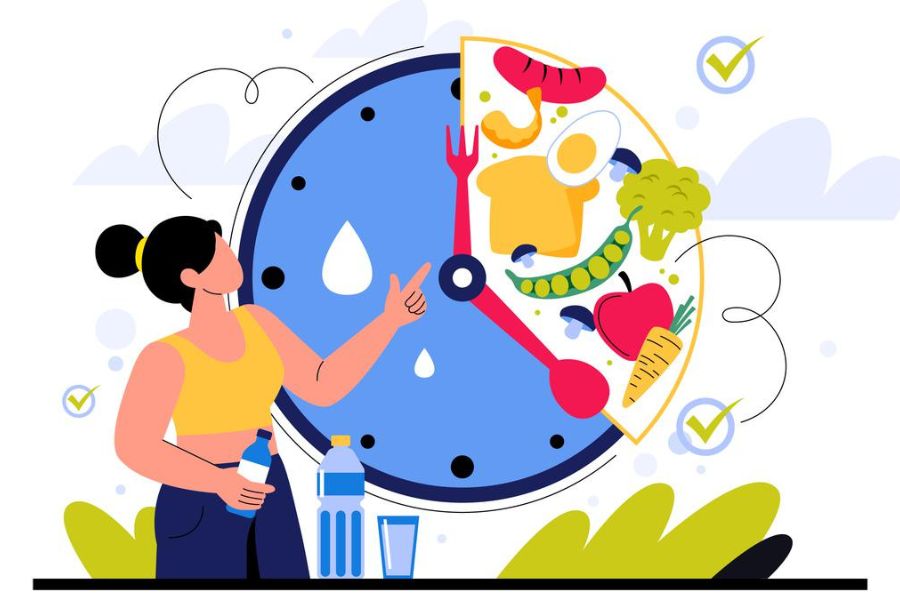
Intermittent fasting is an eating pattern where you alternate between periods of eating and fasting. Instead of worrying about six tiny meals a day, you give your body defined windows of time to eat and to rest.
According to Johns Hopkins Medicine, intermittent fasting focuses on when you eat rather than what you eat, and common approaches include daily time-restricted eating and weekly patterns such as 5:2, where you eat normally five days a week and restrict calories on two non-consecutive days (Johns Hopkins Medicine).
During your fasting period, you stick to:
- Water
- Plain black coffee
- Unsweetened tea
No sugar, milk, or snacks, even if they are small. During your eating window, you return to regular meals that resemble a balanced Mediterranean-style diet with vegetables, lean protein, healthy fats, and whole grains (Johns Hopkins Medicine).
Why the 16/8 method is so popular
If you are new to intermittent fasting, the 16/8 method is often the easiest place to start. You fast for 16 hours each day, including overnight, and eat all your meals within an 8-hour window. Water and other no-calorie drinks like plain coffee or unsweetened tea are fine during the fast and can help with appetite control (Healthline).
Two common schedules are:
- 12 p.m. to 8 p.m.
- 9 a.m. to 5 p.m.
These windows work because you can either skip breakfast and eat later, or eat breakfast and finish with an early dinner (Healthline)). As of 2025, the 16/8 pattern is highlighted as one of the most popular and sustainable approaches, since it can slot into your existing life with minimal disruption (Berry Street).
Health benefits you might notice
Intermittent fasting is not magic, but a consistent intermittent fasting meal plan can support your health in several meaningful ways.
Weight loss support
Restricting your eating to a set window naturally limits how often you snack or graze. A review noted that 11 out of 13 studies reported statistically significant weight loss for people who practiced intermittent fasting, including 16/8, largely because of reduced overall calorie intake (Healthline).
You still need a sensible meal plan, but intermittent fasting can make it easier to eat less without feeling like you are constantly dieting.
Better blood sugar control
During fasting periods your insulin levels drop, which can improve insulin sensitivity over time. According to a 2025 review by Berry Street, intermittent fasting can lower insulin levels during fasting windows and may reduce the risk of insulin resistance and type 2 diabetes when paired with a balanced diet (Berry Street).
If you have diabetes or any blood sugar condition, you should talk with your doctor before changing your eating pattern.
Heart health markers
Intermittent fasting may also support your heart. Studies cited by Berry Street suggest that it can help lower LDL (bad) cholesterol and triglycerides while maintaining or increasing HDL (good) cholesterol and reducing inflammation markers that are linked to heart disease (Berry Street).
How you might feel day to day
Many people report that once they get through an adjustment period of 2 to 4 weeks, they feel less sluggish and better able to stick with the new routine. Johns Hopkins notes that you may deal with hunger or crankiness at first, but those who continue often report feeling better and more likely to maintain the habit long term (Johns Hopkins Medicine).
A friendly 16/8 intermittent fasting meal plan
A successful intermittent fasting meal plan is not about perfectly portioned diet food. It is about meals that keep you full, steady your energy, and fit into your life.
Berry Street provides an example 7-day intermittent fasting meal plan that focuses on nutrient-dense foods such as eggs, avocado, grilled chicken, salmon, oats, peanut butter, healthy fats, fiber-rich carbs, and plenty of vegetables to stay full and energized during your eating window (Berry Street).
Use the sample day below as a template and mix and match ingredients to suit your tastes and dietary needs.
Tip: Start with one or two sample days and repeat them instead of trying to design a perfect 7-day plan from day one.
Sample day: 12 p.m. to 8 p.m. window
12:00 p.m. First meal (lunch)
Aim for protein, fiber, and healthy fats to break your fast gently and prevent a mid-afternoon crash.
- Scrambled eggs or tofu with avocado
- A side of mixed greens dressed with olive oil and lemon
- A slice of whole grain toast or a small serving of roasted sweet potatoes
3:00 p.m. Snack
Keep it simple but satisfying so you are not overly hungry at dinner.
- Greek yogurt with a handful of berries
- Or sliced apple with a tablespoon of peanut butter
6:30 p.m. Dinner
Balance your plate with lean protein, colorful vegetables, and complex carbs.
- Grilled chicken or chickpeas
- Roasted salmon or another fatty fish once or twice a week for omega 3s
- A serving of quinoa, brown rice, or baked sweet potato
- Steamed or roasted vegetables such as broccoli, carrots, or peppers
If you want a light bite closer to 8 p.m., choose a small piece of fruit, a few nuts, or raw veggies with hummus.
Sample day: 9 a.m. to 5 p.m. window
If you prefer eating earlier, this version lets you enjoy breakfast and finish with an early dinner.
9:00 a.m. First meal (breakfast)
- Oatmeal cooked with milk or a milk alternative
- Topped with sliced banana, a spoonful of peanut or almond butter, and some chia seeds
12:30 p.m. Lunch
- Big salad with mixed greens, grilled chicken or beans, cherry tomatoes, cucumber, olive oil, and vinegar
- A piece of whole grain bread or a small portion of brown rice
4:30 p.m. Early dinner
- Baked salmon or lentil patties
- Roasted vegetables and a small serving of whole grains
- Finish eating by 5 p.m., then start your 16-hour fast
What to eat during your fasting and eating windows
The beauty of an intermittent fasting meal plan is that you do not need a complicated rulebook. You just need a few clear guidelines.
During the fasting window
Stick to zero-calorie drinks:
- Water, still or sparkling
- Black coffee
- Plain unsweetened tea
This is consistent with both Johns Hopkins guidance and popular 16/8 protocols, which allow water and zero-calorie beverages during fasting hours to support hydration and appetite control (Johns Hopkins Medicine, Healthline).
During the eating window
To get the most out of intermittent fasting, what you eat still matters. Healthline recommends focusing on whole, nutritious foods and limiting ultra-processed items like packaged snacks, sugary drinks, and deep-fried foods (Healthline).
Base your meals around:
- Lean proteins: chicken, turkey, fish, eggs, tofu, beans, lentils
- Healthy fats: avocado, olive oil, nuts, seeds, fatty fish
- Fiber-rich carbs: oats, quinoa, brown rice, whole grain bread, sweet potatoes
- Lots of vegetables: leafy greens, cruciferous veggies, and colorful produce
- Some fruit: berries, apples, oranges, bananas in sensible portions
Think of your plate as mostly plants and protein with room for quality fats and complex carbohydrates.
Here is a quick snapshot you can reference:
| Time of day | Focus foods | Example option |
|---|---|---|
| First meal | Protein + fiber + fat | Scrambled eggs, avocado, mixed greens |
| Mid-window snack | Protein or fiber | Yogurt with berries or fruit with nut butter |
| Final meal | Balanced plate | Salmon, roasted vegetables, quinoa |
How to start intermittent fasting gently
If you are used to late-night snacks or early breakfasts, jumping straight into a 16-hour fast might feel like too much. Berry Street recommends starting slowly and gradually increasing your fasting window, staying hydrated, and focusing on nutrient-dense meals during your eating periods (Berry Street).
You can ease in like this:
-
Begin with a 12-hour fast
For example, eat from 8 a.m. to 8 p.m. for a week. -
Move to 14 hours
Shift to 9 a.m. to 7 p.m. or 10 a.m. to 8 p.m. as you feel ready. -
Settle into 16/8
Choose a window such as 12 p.m. to 8 p.m. and keep it consistent most days.
During this time, listen closely to your body. Fatigue, dizziness, or intense hunger may be signs that you need to adjust your schedule, change what you are eating, or talk with a healthcare professional.
Possible side effects and who should be careful
While intermittent fasting can have real benefits, it is not the right fit for everyone. Healthline notes that some people experience overeating during their eating window, hunger, weakness, and in some cases hormonal changes that could affect menstrual cycles (Healthline).
You should check with your doctor before starting if you:
- Have diabetes or blood sugar issues
- Are pregnant or breastfeeding
- Have a history of eating disorders
- Take medications that need to be taken with food
- Have any chronic health condition
Even if you are generally healthy, a quick conversation with your healthcare provider can help you decide whether a 16/8 intermittent fasting meal plan is appropriate for you and how to tailor it safely.
Putting your intermittent fasting meal plan into action
You do not need to redesign your entire life to try intermittent fasting. Start with one or two days per week, pick an eating window that fits your routine, and build meals around whole foods that you actually like.
If today you only swap a late-night snack for herbal tea or shift breakfast 30 minutes later, that is still a step toward a more structured pattern. Over time, small consistent changes like these are what make intermittent fasting feel less like a strict diet and more like a natural rhythm that supports your weight, energy, and overall health.
About the Author