Intermittent fasting can be a simple way to lose weight and support your health, but a few common mistakes can make it feel miserable or stall results. Understanding what to avoid helps you use intermittent fasting in a way that fits your life, instead of fighting against it.
Below are the biggest intermittent fasting mistakes you do not want to make, plus what to do instead.
Ignoring if intermittent fasting is right for you
Before you start, it is important to decide whether intermittent fasting is a good fit for your body and health history.
Intermittent fasting is an eating pattern where you alternate between periods of eating and fasting for at least 12 hours at a time. It focuses on when you eat, not exactly what you eat, and research suggests it can help with weight management and may lower the risk of some diseases (Johns Hopkins Medicine).
However, it is not suitable for everyone. You should talk with a healthcare provider before trying intermittent fasting if you:
- Are pregnant or breastfeeding
- Are under 18
- Are underweight or have a history of an eating disorder
- Take medications that affect blood sugar, blood pressure, or heart function
- Have chronic conditions like diabetes, especially if you use insulin
Experts warn that intermittent fasting can be risky for people on certain medications because skipping meals may affect mineral levels and how your body absorbs drugs (Harvard Health Publishing). A quick check-in with your doctor can help you avoid complications and set up a schedule that makes sense for your specific situation.
Choosing an extreme fasting schedule
A big mistake is jumping straight into the most intense version you find online. You might see people doing One Meal A Day (OMAD), alternate day fasting, or multi‑day fasts and think you need to copy that to see progress.
In reality, most of the research on intermittent fasting uses more moderate approaches like:
- Time restricted eating, such as the popular 16/8 method where you fast for 16 hours and eat during an 8 hour window
- The 5:2 method, where you eat normally 5 days per week and limit calories to about 500 to 600 on 2 nonconsecutive days (Johns Hopkins Medicine)
- Alternate day fasting, where you eat about 30 percent of your usual calories on fasting days and normally on others (MDVIP)
Pushing straight into very long fasts or severe daily restriction often leads to intense hunger, low energy, and burnout. In a year long study where people sharply restricted calories two days per week, participants reported higher hunger compared with standard calorie restriction (Healthline).
You will likely do better starting with a gentle plan, such as a 12 to 14 hour overnight fast, then slowly extending it if you feel well.
Ignoring what you eat during your eating window
Another common trap is treating your eating window as a free‑for‑all. Intermittent fasting is not magic. You still need balanced nutrition.
Most of the benefits, such as weight loss, better blood sugar control, and improved insulin sensitivity, come from a combination of eating fewer calories overall and using that fasting period to switch from burning stored sugar to burning fat (Mass General Brigham, Healthline).
If you routinely:
- Overeat to the point of discomfort
- Rely heavily on ultra processed foods, sugary drinks, or fried foods
- Skip protein and fiber and end up constantly hungry
then you may not see the results you want, even if you stay within your fasting window.
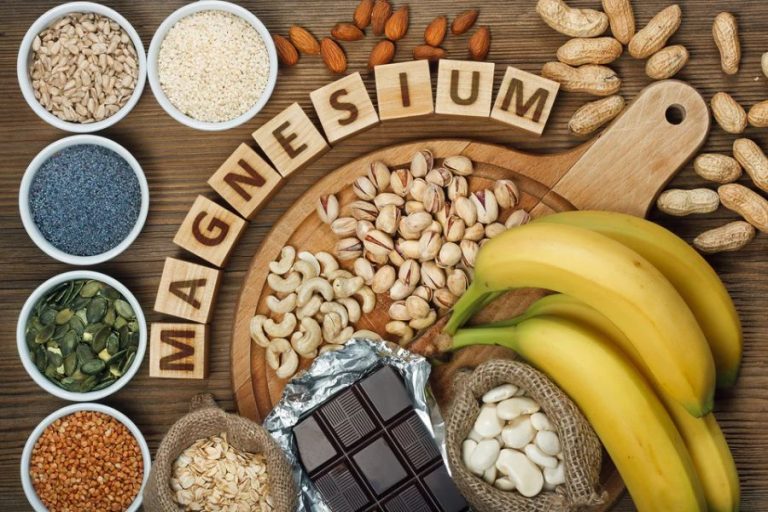
To support your fast, focus your meals around:
- Lean or plant based proteins for fullness
- High fiber foods like vegetables, beans, and whole grains for steady energy
- Healthy fats from nuts, seeds, avocado, and olive oil
- Mostly water and other low calorie drinks
This kind of pattern helps you feel satisfied during your eating window and makes fasting hours easier to tolerate.
Overeating and “making up” for the fast
It is very tempting to think, “I did not eat for 16 hours, so I earned this huge meal.” That mindset can lead to overeating and can undo your calorie deficit.
Research shows that intermittent fasting can reduce hunger hormones like ghrelin and help many people eat about 250 fewer calories per day, which supports slow and steady weight loss (Harvard Chan School). However, some people react in the opposite way and feel so hungry that they binge during eating windows.
Harvard experts note that these intense hunger signals can make you more likely to overeat on non fasting days and may encourage less healthy habits if you are not careful (Harvard Health Publishing).
You can reduce the urge to overeat by:
- Planning your first meal so it includes protein, fiber, and healthy fat
- Eating slowly and pausing before going back for seconds
- Checking in with your body to notice when you feel comfortably full, not stuffed
Intermittent fasting works best when you use your eating window to nourish yourself, not to “reward” yourself.
Forgetting about hydration and electrolytes
You might assume that fasting is only about food, but dehydration can sneak up on you quickly. During a fast, you typically avoid calories but you can and should still drink calorie free fluids like water, black coffee, and plain tea (Healthline).
If you notice headaches, fatigue, or difficulty concentrating while fasting, the cause may be:
- Mild dehydration
- Caffeine withdrawal
- A drop in blood sugar
Headaches, especially in the front of the head, are a common and usually mild side effect, and they can be more frequent in people who tend to get headaches anyway (Healthline).
Aim to sip water regularly throughout your fasting window. If you sweat a lot or exercise during your fast, consider a calorie free electrolyte drink or a pinch of salt in water so that you replace sodium and minerals as well.
Starting too aggressively and ignoring side effects
If you jump straight into long fasts, you may run into side effects that could have been avoided with a slower approach. Common early symptoms include:
- Strong hunger
- Irritability or mood swings
- Low energy and brain fog
- Mild nausea, indigestion, diarrhea, or bloating
- Trouble sleeping
Studies have found that people may feel more irritable during long fasting periods, likely due to low blood sugar, although some also report a sense of achievement afterward (Healthline). Sleep disturbances are another reported side effect for a portion of people who fast for several days (Healthline).
According to Harvard Health, many people also describe feeling “off” with headaches, constipation, or crankiness when they begin, especially on very strict plans, and some do better switching to a more moderate time restricted eating style instead (Harvard Health Publishing).
If symptoms are severe, persistent, or feel unsafe, stop the fast and speak with a healthcare provider. Intermittent fasting should not feel like punishment. You can adjust your schedule, shorten your fasting window, or decide that another approach to nutrition fits you better.
Ignoring your daily schedule and circadian rhythm
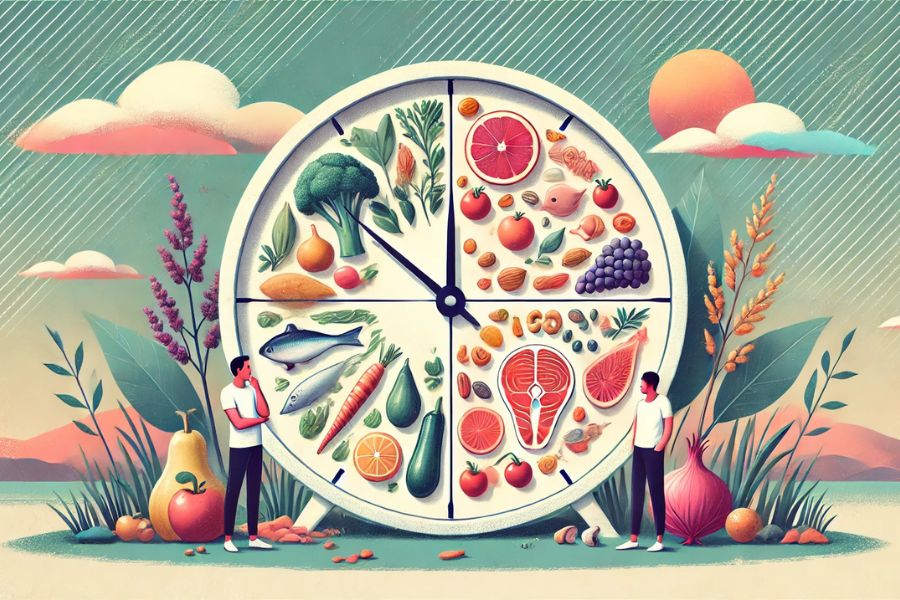
You are more likely to stick with intermittent fasting if it fits your real life routine. One mistake is picking an eating window that clashes with your family meals, work pattern, or natural body clock.
Some research suggests that earlier eating windows may offer extra benefits for blood sugar, blood pressure, and metabolism. In one study, men with prediabetes who ate all of their meals during a shorter window that started in the morning had better blood sugar control and cardiometabolic markers (Harvard Chan School). Other research from the same team found that daily intermittent fasting can improve blood pressure, reduce oxidative stress, and may support circadian rhythms.
However, a “perfect” schedule on paper does not help you if it is impossible to follow. You might prefer:
- 8 a.m. to 4 p.m. if you like early meals
- 11 a.m. to 7 p.m. if you tend to eat later in the day (Harvard Chan School)
Try to line up your eating window with when you are most active and social. That way you are not constantly fighting hunger at events or skipping every dinner with friends.
Expecting fasting alone to fix everything
Intermittent fasting can support weight loss, improve insulin sensitivity, and may lower the risk of chronic conditions such as type 2 diabetes and heart disease (Johns Hopkins Medicine, Canadian Family Physician). It may also encourage your body to clear out damaged cells through processes like autophagy, which could reduce inflammation and support cellular health (Mass General Brigham).
Even so, it is not a cure all. Studies comparing intermittent fasting to traditional calorie restriction show that weight loss is often similar between the two, with both approaches leading to about 4.6 to 13 percent weight loss in overweight and obese adults (Canadian Family Physician). This means the real advantage might be that intermittent fasting is simpler for some people to follow, not that it burns more fat by itself.
You will likely see the best results when you combine intermittent fasting with:
- Nutritious, mostly whole foods
- Enough protein to protect your muscles
- Regular movement and some strength training
- Adequate sleep and stress management
Think of intermittent fasting as one tool in a larger healthy lifestyle, not the entire toolbox.
Intermittent fasting tends to work best when it fits your life, respects your health history, and is paired with habits that already support your body.
Pushing through despite red flags
There is a difference between mild, temporary discomfort and clear warning signs that a plan is not right for you. If you keep forcing yourself to stick with a schedule that makes you feel worse over time, you may harm your health instead of improving it.
You should stop and get medical advice if you notice:
- Dizziness, fainting, or very low energy
- Heart palpitations or chest discomfort
- Significant unintentional weight loss, especially if you are older, which can affect bone density, immunity, and strength (Harvard Health Publishing)
- Worsening mood, obsessive thoughts about food, or signs of disordered eating
Experts caution that intermittent fasting may be especially risky for older adults who lose too much weight and for those with a history of disordered eating (Harvard Health Publishing). Listening to your body is not a sign of weakness, it is how you protect your long term health.
Putting it all together
To make intermittent fasting work for you, focus on avoiding these key mistakes:
- Skipping a medical check when you have health conditions or take medications
- Choosing an extreme schedule instead of starting with a gentle approach
- Treating your eating window like a junk food window
- Overeating to “reward” yourself for fasting
- Neglecting hydration and then wondering why you feel awful
- Ignoring early side effects instead of adjusting your plan
- Picking hours that clash with your lifestyle and circadian rhythm
- Expecting fasting to fix everything by itself
Start small, pay attention to how you feel, and be willing to adjust. With a realistic plan and a focus on overall nutrition, intermittent fasting can become a steady, sustainable habit that supports both your weight and your health.
About the Author