A structured eating plan can feel easier than constant calorie counting, which is why so many people search for how to start intermittent fasting. Intermittent fasting, or IF, focuses on when you eat instead of strictly what you eat. With the right approach, it can help you lose weight and improve markers of health, while still fitting around a normal life and social schedule.
Below, you will learn what intermittent fasting is, how to choose a schedule, and the exact steps to start safely so you see results without feeling miserable or deprived.
Understand what intermittent fasting is
Intermittent fasting is an eating pattern where you cycle between periods of eating and fasting. Instead of grazing from morning to night, you eat during specific time windows and drink only very low or zero calorie drinks the rest of the time.
Common approaches include fasting for 16 hours with an 8 hour eating window most days, or eating normally five days a week and restricting calories on two non consecutive days. In all cases, you are alternating between eating and fasting, not eliminating entire food groups or surviving on juice cleanses (Healthline, Johns Hopkins Medicine).
When you fast, your body eventually shifts from using sugar from your last meal to burning stored fat and producing ketones for energy. This metabolic switch is one of the reasons intermittent fasting is linked to weight loss and other potential health benefits (ZOE).
Decide if intermittent fasting is right for you
Before you decide how to start intermittent fasting, it is important to make sure it is a safe fit for your situation. IF is not recommended for everyone, and you should always talk with your health care provider first if you:
- Are underweight or have a history of eating disorders
- Have diabetes, low blood pressure, or another medical condition
- Are pregnant, breastfeeding, or trying to conceive
- Take medications that must be taken with food
Experts recommend easing into fasting and listening closely to your body. For some women, for example, aggressive fasting can affect hormones, so professional guidance is especially important (Healthline, Regeneration Health).
If you are cleared to try it, approach intermittent fasting as a long term lifestyle experiment, not a crash diet. The goal is a routine you can live with, not the strictest plan you can handle for one week.
Choose a beginner friendly fasting schedule
There is no single best way to start intermittent fasting. A schedule that fits your natural rhythms is much more likely to last.
12/12 and 14/10 methods
If you usually eat from early morning until late at night, jumping straight into a tiny eating window can backfire. Instead, you can start with:
-
12/12 fasting
You fast for 12 hours and eat for 12 hours. For example, you eat from 8 am to 8 pm and fast until 8 am the next day. -
14/10 fasting
You fast for 14 hours and eat for 10 hours, for example 9 am to 7 pm.
These mild schedules gently shorten the time you spend eating. They also help your body adapt without the constant hunger, dizziness, or irritability that can show up if you start with a very long fast (Regeneration Health).
16/8 method
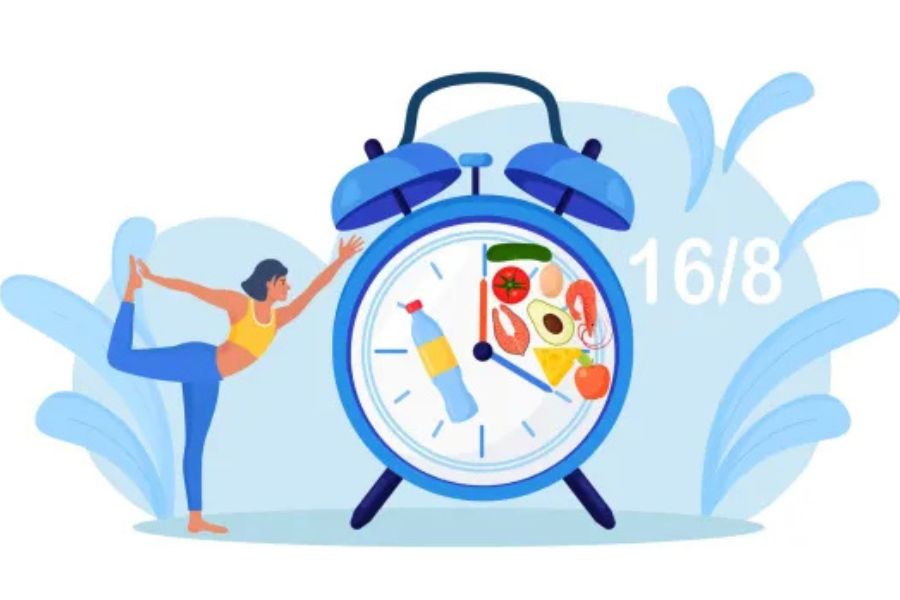
Once you are comfortable with shorter eating windows, you can move to the most popular approach, the 16/8 method. You fast for 16 hours and eat during an 8 hour window, such as noon to 8 pm or 10 am to 6 pm. Many people find this schedule simple and sustainable over the long term (Healthline, Johns Hopkins Medicine).
Some people like using 16/8 on weekdays and relaxing their schedule a bit on weekends. Others shift their window earlier or later to match work and family life. You can also experiment with slightly longer fasts such as 18/6 once 16/8 feels easy, but there is no rush.
5:2 method
If daily time restricted eating does not appeal to you, you might prefer the 5:2 method. You eat normally five days a week and on two non consecutive days you reduce your intake to one small meal of around 500 to 600 calories. For example, you can eat normally except on Mondays and Thursdays, when you have just one modest meal (Johns Hopkins Medicine, EatingWell).
A 2021 study reported that many people found this schedule feasible and well received, which suggests it can be a practical option if it suits your lifestyle (EatingWell).
Know what you can eat and drink
What you take in during fasting windows is simple, but it matters.
During your fast, you should avoid all food and stick to very low or zero calorie drinks such as:
- Plain water, still or sparkling
- Black coffee without sugar or cream
- Plain tea without milk or sweeteners
- Herbal tea
These help you stay hydrated and can make hunger more manageable (Healthline, Johns Hopkins Medicine, ZOE). Even small amounts of calories technically break a fast, although a splash of milk in coffee is unlikely to cause big blood sugar spikes for most people. Artificial sweeteners are best avoided while you are fasting, since they may affect blood sugar for some individuals (ZOE).
During your eating window, there are no strict food rules built into intermittent fasting, but what you eat strongly affects your results. You will feel and perform better if you emphasize:
- Lean protein such as fish, poultry, tofu, beans, eggs
- High fiber foods such as vegetables, fruits, legumes, and whole grains
- Healthy fats such as olive oil, nuts, seeds, and avocado
This style of eating is similar to a Mediterranean pattern, which focuses on leafy greens, healthy fats, lean protein, and whole grains rather than high calorie junk food (Johns Hopkins Medicine, EatingWell, ZOE).
Avoid common beginner mistakes
The first two to four weeks of intermittent fasting are an adjustment period. It is normal to feel a little hungrier or more irritable as your body gets used to a new pattern, but some pitfalls can make things much harder than they need to be (Johns Hopkins Medicine).
Starting too aggressively
Going straight to an 18/6 or 20/4 schedule when you are used to eating every three hours is a recipe for fatigue, dizziness, and frustration. Health providers recommend beginning with shorter fasts like 12/12 or 14/10, then lengthening your fasting window gradually as you adapt (EatingWell, Regeneration Health).
Overeating during your eating window
Finishing a fast by eating as much as possible can erase your calorie deficit and leave you uncomfortably full. Instead, try to:
- Break your fast with a balanced meal that includes protein, fiber, and healthy fats
- Eat slowly and pause halfway through to check your hunger level
- Stop when you feel satisfied, not stuffed, even if there is food left
Paying attention to your hunger cues helps you avoid overeating and supports your weight loss goals (EatingWell, Regeneration Health).
Not drinking enough fluids
When you shorten your eating window, you might unintentionally drink less water. Mild dehydration can feel like hunger and may show up as headaches or fatigue. Aim for around 64 ounces of water per day, and include water rich fruits and vegetables as part of your meals or snacks to cover both hydration and nutrients (EatingWell, Regeneration Health).
Expecting instant results
Intermittent fasting is a tool, not magic. Weight loss still comes down to a consistent calorie deficit over time. A slower, steady pace typically leads to better long term success than quick drops that you cannot maintain. Patience and consistency are key, since noticeable benefits often appear over weeks or months, not days (Regeneration Health, Reddit).
Intermittent fasting can support weight loss, but progress still depends on calories in versus calories out and a pattern you can keep up comfortably.
Set yourself up for success
A little planning makes it much easier to stick with your new routine and track actual progress.
Track your starting point
Before you begin, take a few minutes to record your baseline. You can:
- Take simple before photos from the front, side, and back
- Note your weight and a few measurements, such as waist and hips
- Jot down how you are sleeping and how your energy feels now
Photos and measurements are especially helpful because they show changes that the scale can miss in the short term (Reddit).
Use gentle tracking tools
Apps such as MyFitnessPal or Zero can log your food intake, activity, and fasting hours. This can give you a clearer picture of how consistent you really are and whether your calories line up with your goals. It is helpful to look for general trends instead of obsessing over daily numbers. You are looking for a slow downward curve in weight over time, not perfection every day (Reddit).
Make your schedule fit your life
One benefit of intermittent fasting is flexibility. You can:
- Slide your eating window earlier for days with early meetings
- Move it later for social evenings
- Use a 16/8 pattern on workdays and a more relaxed approach on weekends
- Mix in occasional longer fasts or one meal a day once you are experienced
The best protocol is one you can follow most of the time without feeling like your life is on hold (Healthline, Reddit).
Put it all together: your first week
Here is one simple way you can start intermittent fasting safely and quickly:
- Check with your health care provider if you have any medical conditions or concerns.
- Pick a mild schedule such as 12/12 or 14/10 for your first few days.
- Plan two or three balanced meals that fit inside your eating window.
- Drink water, black coffee, and plain tea during your fast.
- Focus on nutrient dense foods when you eat, such as lean proteins, vegetables, fruits, whole grains, and healthy fats.
- Notice how you feel and adjust your window slightly if needed.
- After one or two weeks, move toward a 16/8 schedule if you feel ready.
From there, you can keep experimenting. The combination of a realistic fasting window, quality food, and good hydration gives you the best chance of losing weight steadily and feeling healthier without constantly fighting hunger.
About the Author