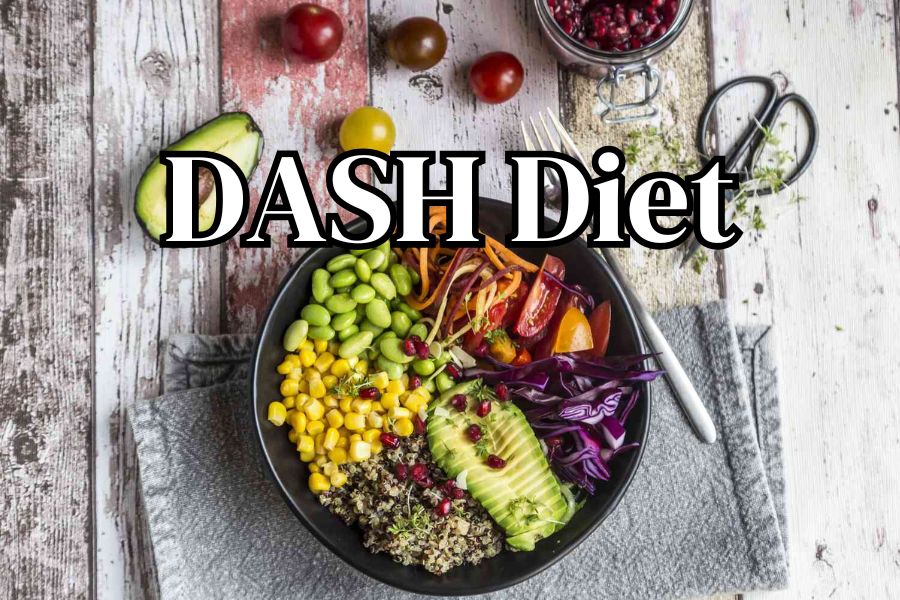
A well planned DASH diet menu can help you lower blood pressure, lose weight, and eat in a way that feels realistic for everyday life. Instead of focusing on strict rules or specialty foods, you build your meals around fruits, vegetables, lean proteins, and whole grains, while keeping sodium in check.
Below, you will find a clear breakdown of how the DASH diet works, what a typical day of eating looks like, and simple ways to transform the meals you already enjoy.
Understand the basics of the DASH diet
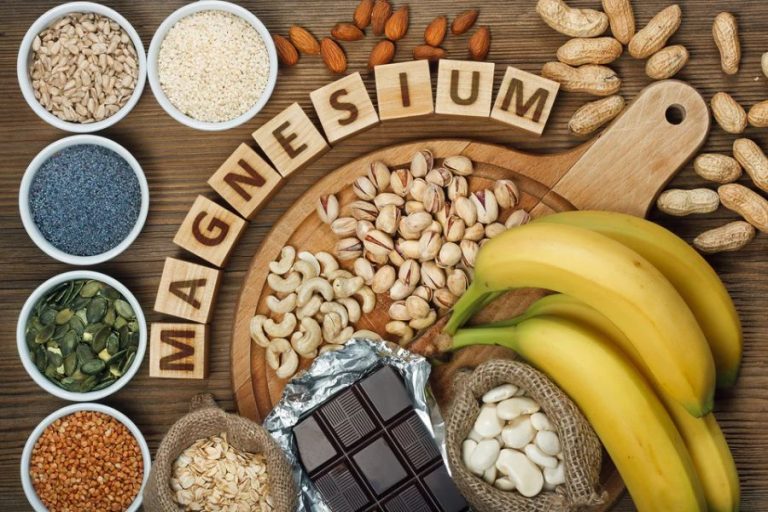
DASH stands for Dietary Approaches to Stop Hypertension. It was created to help treat or prevent high blood pressure, but the same habits are also useful if you want to manage your weight and improve overall health. The eating plan emphasizes nutrients like potassium, calcium, magnesium, protein, and fiber, which support heart health and help you feel full and satisfied (Mayo Clinic).
You do not need special products or expensive ingredients to follow a DASH diet menu. The plan is designed around regular grocery store foods and can fit a typical 2,000 calorie per day pattern, with clear daily and weekly goals for different food groups (NHLBI).
Core DASH principles
At its core, a DASH style menu asks you to:
- Prioritize fruits and vegetables at most meals
- Choose whole grains over refined grains
- Include low fat or nonfat dairy for calcium and protein
- Favor lean meats, poultry, and fish
- Add plant proteins like beans, lentils, nuts, and seeds
- Limit sodium, sweets, sugary drinks, and highly processed foods
The focus is on what you can add to your plate rather than only what you remove, which makes it easier to stick with over time.
Know your sodium targets
Sodium is a key part of any DASH diet menu because it directly affects blood pressure in many people. The standard DASH plan aims for less than 2,300 milligrams of sodium per day, which is about 1 teaspoon of table salt (Mayo Clinic).
If you are trying to lower your blood pressure more aggressively or your doctor has advised you to be stricter, you may aim for no more than 1,500 milligrams per day. Research shows that this lower level can be even more effective for blood pressure control than 2,300 milligrams (NHLBI).
You do not have to hit your sodium goal perfectly on day one. You can start by cutting back on obvious salty foods like canned soups, processed meats, frozen dinners, pizza, and restaurant meals, since these tend to be some of the biggest sources of sodium in most diets (Verywell Health).
Build your plate with DASH food groups
A DASH diet menu is built around specific serving ranges for different food groups, especially if you follow a 2,000 calorie plan. These servings are flexible, so you can mix and match to suit your taste, cultural preferences, and cooking style, as long as you stay within the general guidelines.
In a typical 2,000 calorie DASH day, you might aim for a pattern similar to what is described by the National Heart, Lung, and Blood Institute and other expert sources (NHLBI, Mayo Clinic).
Here is a simplified overview:
| Food group | Typical daily / weekly range (2,000 calories) | Role in your menu |
|---|---|---|
| Vegetables | Several servings per day | Fiber, potassium, volume for fullness |
| Fruits | Several servings per day | Natural sweetness, vitamins, fiber |
| Whole grains | Multiple servings per day | Steady energy, fiber, B vitamins |
| Low fat or nonfat dairy | 2 to 3 servings per day | Calcium, protein |
| Lean meats, poultry, and fish | Up to 6 one ounce servings per day | Protein, iron, B vitamins |
| Nuts, seeds, beans, legumes | 4 to 5 servings per week | Plant protein, healthy fats, fiber |
| Fats and oils | Limited daily servings | Unsaturated fats for heart health |
| Sweets and added sugars | Occasional, small servings | Enjoyed in moderation |
The DASH diet encourages you to choose nutrient dense options in each category. For example, you might reach for brown rice instead of white rice, olive oil instead of solid shortening, or berries instead of candy when you want something sweet (Verywell Health).
See how a one day DASH diet menu looks
Sometimes it helps to see what this way of eating might look like on a real plate. Below is a sample 1 day DASH diet menu inspired by 2,000 calorie examples shared by expert groups, including the Mayo Clinic and the NHLBI. It is only a starting point. You can scale portions up or down to match your energy needs and your health care provider’s advice (Mayo Clinic).
Breakfast
You could begin your day with a high fiber, heart healthy bowl that keeps you full until lunch. For example:
- 1 serving of oatmeal cooked in water or low fat milk
- Topped with sliced banana and a small handful of berries
- A spoonful of chopped walnuts or almonds for healthy fats
- A cup of unsweetened tea or coffee
This kind of breakfast hits multiple DASH goals in one bowl. You get whole grains, fruit, low fat dairy if you use milk, and nuts for healthy fats and texture.
Lunch
For lunch, you might piece together a colorful plate built from leftovers or simple staples:
- Grilled or baked chicken breast, sliced
- A large mixed salad with leafy greens, chopped vegetables, and a small drizzle of olive oil and vinegar
- A side of cooked quinoa or brown rice
- A piece of fresh fruit, such as an apple or orange
The salad and fruit give you volume and fiber, the grain supplies steady energy, and the lean protein helps you stay satisfied for the afternoon.
Snack
If you need a snack between meals, you could choose something that pairs produce with protein:
- Carrot sticks, cucumber slices, or bell pepper strips
- A small container of hummus or low fat yogurt
This kind of snack fits cleanly into a DASH diet menu and helps you avoid highly processed convenience foods that are often high in sodium or added sugar.
Dinner
Dinner is a good chance to bring in seafood or plant based meals. For example:
- Baked or grilled salmon or another fish you enjoy
- Roasted vegetables such as broccoli, Brussels sprouts, or sweet potatoes
- A small serving of whole grain pasta, barley, or brown rice
This plate balances lean protein, high fiber vegetables, and whole grains. If you prefer a meatless dinner, you can swap the fish for a hearty bean and vegetable stew or a lentil and vegetable curry.
Dessert or treat
The DASH diet does not require you to give up sweets completely. It simply asks you to enjoy them in smaller, less frequent portions. You could end the day with:
- A small dish of fresh fruit with a spoonful of low fat yogurt
- Or a square of dark chocolate alongside herbal tea
This approach lets you satisfy your sweet tooth without derailing your goals.
Choose the best foods for heart health and weight
A well designed DASH diet menu naturally nudges you toward foods that support weight management and heart health at the same time. The plan promotes foods that are high in fiber, magnesium, calcium, protein, and potassium, along with healthy unsaturated fats like olive oil and soft margarine, which can help lower harmful LDL cholesterol (Verywell Health).
If you are also trying to lose weight, you can keep the same food groups but slightly reduce your calorie intake. This might mean smaller portions of grains and fats, and a larger focus on vegetables and lean proteins, which are generally low in calories and high in fullness.
You are also encouraged to limit or avoid alcohol, since heavy drinking is linked with higher blood pressure. General guidelines recommend no more than two drinks per day for men and one for women if you drink at all (Verywell Health).
Adapt the DASH menu to your lifestyle
One of the reasons the DASH diet consistently ranks as a top overall eating plan is that it is practical. In 2025, it was named both “Best Heart Healthy Diet” and “Best Diet for High Blood Pressure” by experts who evaluate how realistic and effective different approaches are over time (NHLBI).
You can adapt a DASH style menu to almost any cooking level or taste preference:
- If you like to cook, you can explore plant forward recipes such as quinoa stuffed peppers, edamame salads, and grilled fish with salsa, all of which fit DASH recommendations for heart health (Taste of Home).
- If you prefer simple meals, you can rely on basic combinations like roasted vegetables, baked chicken, and whole grains, plus a mix of fruit and yogurt for snacks.
- If you need structure, worksheets and serving tables from organizations like the NHLBI can help you compare what you currently eat to DASH goals and plan your menus accordingly (NHLBI).
You do not have to change everything at once. You might start by swapping one salty processed food for a lower sodium option, adding one extra serving of vegetables per day, or choosing fruit instead of dessert a few nights a week.
Plan your next steps with support
A DASH diet menu can be a powerful tool for better blood pressure and weight control, but it works best when it is tailored to your own health needs and preferences. Resources like the Mayo Clinic provide sample three day menus built around a 2,000 calorie DASH plan so you can see more variations and ideas in action (Mayo Clinic).
Because calorie needs differ from person to person, it is a good idea to check in with your health care provider or a registered dietitian. They can help you adjust portion sizes, set realistic sodium targets, and make sure your DASH style menu supports any medical treatments you may already be following (Mayo Clinic).
You might start as soon as your next grocery trip. Choose a few DASH friendly staples, like oats, brown rice, low fat yogurt, frozen vegetables, fresh fruit, beans, and a lean protein you enjoy. Then plan one full day of meals using the sample menu above as inspiration. After you try it, you can adjust the flavors and combinations until your DASH diet menu feels both powerful for your health and comfortable for your everyday life.
About the Author