A dash diet for hypertension does not have to be complicated or restrictive. With a few simple changes to what you eat and how you plan your meals, you can start lowering your blood pressure and supporting your heart health as soon as today.
Below, you will find clear, practical steps so you can move from “I should probably eat better” to actually following the DASH diet in a way that fits your life.
Understand what the DASH diet is
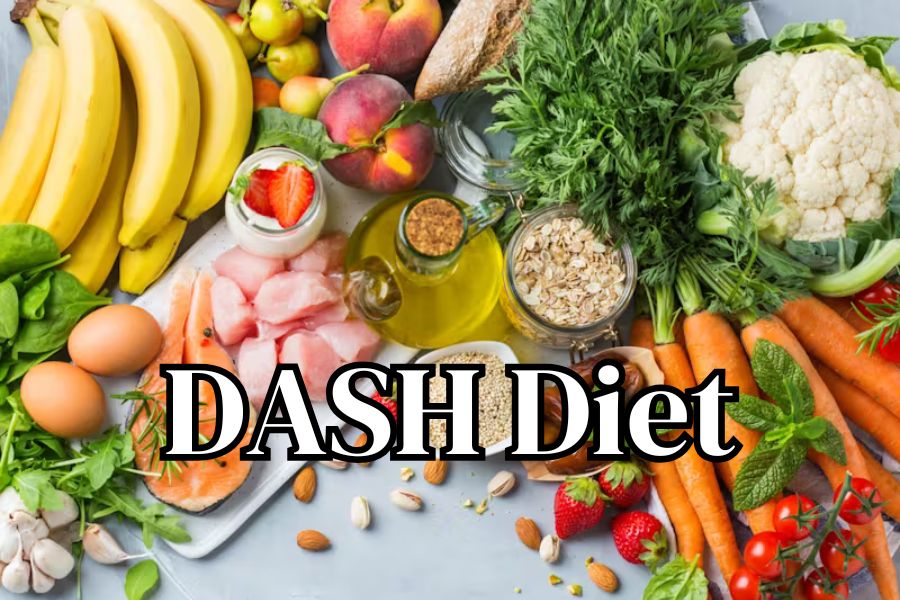
The DASH diet, short for Dietary Approaches to Stop Hypertension, is a way of eating designed specifically to help prevent or treat high blood pressure. It focuses on foods that are naturally rich in potassium, calcium, magnesium, protein, and fiber, and that are lower in sodium, added sugar, and saturated fat (Mayo Clinic).
You do not need special products or expensive ingredients. The plan uses everyday foods from your grocery store, laid out in daily and weekly goals, to make it easier for you to stick with over time (NHLBI).
In short, you will eat more:
- Vegetables and fruits
- Whole grains
- Low fat or fat free dairy
- Beans, lentils, and nuts
- Fish and poultry
and you will eat less:
- Sodium (salt)
- Fatty red meat
- Processed snacks and fast food
- Sugary drinks and sweets
Know how DASH helps hypertension
If you have high blood pressure or you are trying to prevent it, what you eat affects how hard your heart has to work. The DASH diet was created and tested to address exactly that.
Clinical trials have shown that people following the DASH eating pattern have a greater drop in blood pressure compared with those eating a typical American diet, even when everyone is consuming the same amount of sodium (NHLBI). When sodium is reduced further, blood pressure drops even more, especially if you already have hypertension (NHLBI).
According to MedlinePlus, the DASH diet can help lower high blood pressure, cholesterol, and blood fats, which reduces your risk of heart attack and stroke (MedlinePlus). A meta analysis of multiple trials also found that this way of eating meaningfully reduces both systolic and diastolic blood pressure, with stronger effects in people who already have high blood pressure (Cureus).
You may also see side benefits over time, such as:
- Better cholesterol numbers
- Lower long term cardiovascular risk
- Potential weight loss if your total calories come down (Cureus)
You should not stop or change any blood pressure medications on your own. If you are already taking medicine, you are encouraged to continue and let your healthcare provider know you are following the DASH diet so they can monitor your progress (MedlinePlus).
Start with your sodium target
Sodium is a key piece of any dash diet for hypertension. The standard DASH plan keeps sodium to 2,300 mg per day, about the amount in one teaspoon of table salt. A lower sodium version aims for 1,500 mg per day, which can provide even greater blood pressure benefits for many people (Mayo Clinic).
You and your healthcare provider can decide which level is right for you, but you can begin with a simple step wise approach:
-
Check where you are now
Spend one or two days looking at nutrition labels on packaged foods and jot down how much sodium you eat in a typical day. This is just to get a baseline. -
Choose an initial goal
If you currently eat a lot of processed foods, it may be easier to first aim under 2,300 mg per day, then work gradually toward 1,500 mg as you get more comfortable (NHLBI). -
Make three easy sodium swaps
For today, try three small changes:
- Replace canned soup with a lower sodium version or a homemade batch.
- Swap deli meat sandwiches for grilled chicken, tuna packed in water, or beans.
- Skip the salt shaker at the table and use herbs, lemon, garlic, or vinegar for flavor.
Over time, your taste buds adjust. Foods that once seemed “bland” start to taste just right, and heavily salted foods may begin to taste overwhelming.
Build your plate the DASH way
The DASH diet sets out suggested servings for a 2,000 calorie per day pattern, but you do not need to hit every number perfectly from the start. Instead, think in terms of what a typical plate or snack can look like.
Here is a simplified view of daily servings on a 2,000 calorie DASH plan (NHLBI, Mayo Clinic):
| Food group | Typical daily range (2,000 calories) | What that looks like in a day |
|---|---|---|
| Grains, mostly whole | 6 to 8 servings | Oatmeal, brown rice, whole wheat bread |
| Vegetables | 4 to 5 servings | Salad, cooked veggies at lunch and dinner |
| Fruits | 4 to 5 servings | Fruit with breakfast, snacks, dessert |
| Low fat dairy | 2 to 3 servings | Yogurt, milk, or fortified alternatives |
| Lean meats, fish, eggs | Up to 6 one ounce servings | Small portions at meals |
| Nuts, seeds, legumes | 4 to 5 servings per week | Nuts as snacks or beans in meals |
| Fats and oils | 2 to 3 servings | Olive oil for cooking, salad dressing |
| Sweets | 5 or fewer per week | Small treats, not daily desserts |
A practical way to start is to focus on two meals and one snack:
- Fill half your plate with vegetables and fruit.
- Reserve one quarter for a whole grain.
- Use the final quarter for lean protein, such as fish, poultry, beans, or tofu.
For dairy, you might add a small yogurt at breakfast or use milk with your cereal. For snacks, reach for fruit, a handful of unsalted nuts, or raw vegetables with hummus instead of chips or pastries.
Add one DASH friendly meal at a time
You do not have to transform your entire eating pattern overnight. It is often easier to focus on one meal and make it consistently DASH friendly, then expand from there.
Breakfast ideas
Try simple combinations like:
- Oatmeal cooked with low fat milk, topped with berries and a sprinkle of nuts
- Whole grain toast with avocado and a boiled egg, plus orange slices
- Plain yogurt with sliced fruit and a spoonful of oats or chia seeds
These options give you a mix of whole grains, fruit, protein, and low fat dairy, which fit neatly into a dash diet for hypertension.
Lunch and dinner ideas
For your main meals, think in terms of bowls and plates:
- Brown rice or quinoa bowl with black beans, mixed vegetables, and grilled chicken or tofu
- Baked salmon with roasted vegetables and a side of barley or whole wheat couscous
- Stir fry with lots of vegetables, a lean protein, and a small portion of brown rice, seasoned with low sodium sauce and extra herbs
You can cook once and eat multiple times by preparing extra portions for lunch the next day.
Snack ideas
Instead of salty snacks, keep quick, heart friendly choices on hand:
- Fresh fruit or a small fruit salad
- Carrot sticks, cucumber slices, or bell pepper strips with hummus
- A small handful of unsalted almonds or walnuts
- Low fat yogurt or cottage cheese with fruit
By refreshing just one meal and one snack to follow the DASH pattern, you will quickly see how realistic this way of eating can be.
Shop and read labels with DASH in mind
Your grocery cart sets you up for success or struggle. A few simple habits can make DASH much easier to follow.
Start by planning 2 to 3 DASH inspired meals before you shop. Make a list that focuses on the outer aisles of the store where produce, dairy, and fresh meat or fish are usually located.
When you buy packaged foods, turn the package around and check:
- Serving size so you are comparing similar portions
- Sodium per serving, ideally 140 mg or less for “low sodium” items
- Added sugars and aim to keep them modest, especially in drinks and snacks
- Saturated fat and favor products with lower amounts
Choosing low sodium or no salt added versions of staples like canned beans, tomatoes, and broths can make a big difference in your daily total without changing what you cook.
If cooking feels new to you, start with very simple recipes and repeat the ones you like. The DASH eating plan is meant to be flexible and use widely available grocery and restaurant foods, not gourmet only options (Mayo Clinic).
Combine DASH with movement and lifestyle habits
Food is a powerful tool for lowering blood pressure, and it works even better when you combine it with other heart healthy habits.
The DASH approach is often paired with regular physical activity. Guidelines suggest aiming for at least 30 minutes of moderate intensity exercise, such as brisk walking or biking, on most days of the week, or at least 2 hours and 30 minutes per week overall (MedlinePlus). Even breaking this into three 10 minute walks a day can be a useful starting point.
You are also encouraged to:
- Limit alcohol to no more than two drinks per day for men and one for women, since heavier drinking can raise blood pressure (Mayo Clinic)
- Keep up with medical appointments and home blood pressure checks so you can see how your numbers respond
- Work on gradual, sustainable weight loss if you have extra weight, because losing even a modest amount often helps blood pressure improve (Cureus)
Think of these changes as layers that support each other, not separate projects you must tackle all at once.
Make DASH sustainable for you
The most effective dash diet for hypertension is the one you can stick with. Instead of chasing perfection, focus on progress and routines that fit your tastes, culture, budget, and schedule.
You can make DASH feel more personal by:
- Keeping a short list of go to meals you genuinely enjoy and can prepare quickly
- Batch cooking grains, beans, and roasted vegetables on one day so weekday meals are easier
- Allowing yourself planned treats in small portions a few times a week, so you do not feel deprived (NHLBI)
- Inviting family members or friends to join you so you have support and shared recipes
If you feel stuck, you can ask your healthcare provider for a referral to a registered dietitian who is familiar with the DASH diet and can help tailor it to your specific health needs and calorie goals.
You do not have to change everything at once. Choose one simple step from this guide, such as switching to a low sodium canned soup or adding a serving of vegetables at lunch, and try it today. Small, steady changes add up, and each DASH focused choice you make is a direct investment in your heart health.
About the Author