A dash diet can be a powerful way to support healthy blood pressure, lower LDL cholesterol, and help you manage your weight at the same time. Instead of relying on special products or extreme rules, the DASH diet centers on everyday foods like fruits, vegetables, whole grains, lean protein, and low fat dairy. This guide walks you through what the dash diet is, how it works for weight loss and heart health, and how to start your own dash diet journey in a realistic way.
Understand what the dash diet is
DASH stands for Dietary Approaches to Stop Hypertension. It was originally designed to help prevent and treat high blood pressure by limiting sodium and emphasizing nutrients that support heart health, such as potassium, calcium, magnesium, and fiber. Over time, research has shown that the dash diet can also improve cholesterol levels and reduce your overall risk of cardiovascular disease.
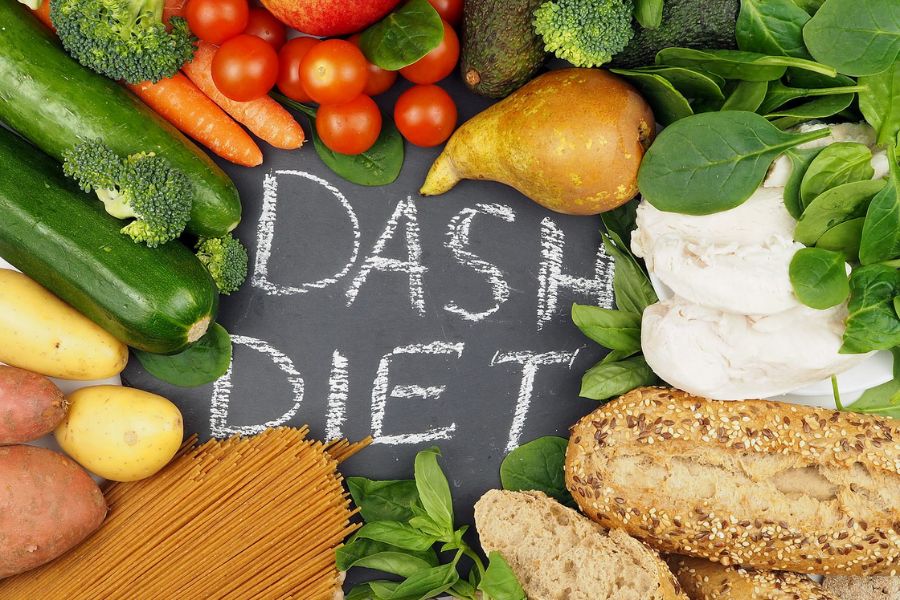
According to the Mayo Clinic, the dash diet focuses on vegetables, fruits, whole grains, fat free or low fat dairy, fish, poultry, beans, and nuts, while limiting foods high in sodium, added sugar, and saturated fat like fatty meats and full fat dairy products (Mayo Clinic). You do not need special shakes or packaged meals. The National Heart, Lung, and Blood Institute (NHLBI) notes that it is a flexible eating plan built around daily and weekly nutritional goals for a 2,000 calorie pattern, which you can adjust with the help of your health care provider (NHLBI).
Learn the key dash diet principles
When you follow the dash diet, you pay attention to three main ideas: what you eat, how much you eat, and how much sodium you get in a day. Once you understand these basics, you can start to shape your meals in a way that supports both blood pressure control and weight loss.
Focus on nutrient dense foods
The dash diet encourages you to build your plate around:
- Vegetables such as leafy greens, carrots, peppers, and broccoli
- Fruits like berries, apples, citrus, and bananas
- Whole grains such as oats, brown rice, quinoa, and whole wheat bread
- Fat free or low fat dairy like milk, yogurt, and cheese
- Lean protein including fish, poultry, beans, and lentils
- Nuts and seeds in small portions for healthy fats
These foods provide potassium, calcium, magnesium, protein, and fiber, all of which help reduce blood pressure and improve heart health (Mayo Clinic). At the same time, they tend to be more filling per calorie than ultra processed foods, which supports steady weight loss when you pair them with reasonable portion sizes.
Limit sodium without feeling deprived
A major part of the dash diet is reducing sodium. The standard version of DASH limits sodium to no more than 2,300 milligrams per day, which is roughly the amount in one teaspoon of table salt. A lower sodium version reduces that limit to 1,500 milligrams per day for even greater blood pressure benefits (Mayo Clinic).
NHLBI notes that aiming for 1,500 milligrams per day lowers blood pressure more effectively than staying at 2,300 milligrams (NHLBI). You can decide which level is right for you together with your health care provider, especially if you already take blood pressure medication or have kidney disease.
Watch portions and total calories
The dash diet itself is not automatically low calorie. It is a pattern that you can adapt to your personal energy needs. Sample menus are often built around 2,000 calories per day, but Mayo Clinic recommends adjusting that number up or down with professional guidance so it matches your age, size, and activity level (Mayo Clinic).
If your goal is weight loss, you will want to choose serving sizes that keep you in a modest calorie deficit, for example by using a smaller plate, serving more vegetables than starches, and being deliberate about snack portions.
Think of the dash diet as a template. You are not locked into a single meal plan. Instead, you use its principles to shape meals that fit your lifestyle, taste, and calorie goals.
See how the dash diet helps your health
Understanding the benefits can help you stay motivated when you start making changes. The DASH pattern has been studied for decades and is one of the most researched eating plans available.
Lower your blood pressure
The DASH diet was designed to reduce hypertension, and studies have consistently shown that it works. NHLBI reports that the original DASH trial in 459 adults significantly lowered blood pressure and LDL cholesterol compared with a typical American diet (NHLBI).
When researchers combined the dash diet with further sodium reduction in the DASH Sodium trial, they saw even larger drops in blood pressure, especially in people who started with higher readings. Systolic blood pressure fell by about 7.1 mmHg in people without hypertension and 11.5 mmHg in those with hypertension when sodium intake was reduced (PMC).
Support weight loss and heart health
Because the dash diet centers on whole, minimally processed foods, it can naturally help you eat fewer calories and feel full longer. In the PREMIER trial, which followed 810 participants with prehypertension or early hypertension, those who combined DASH with lifestyle changes and physical activity lost more weight and reduced systolic blood pressure by 11.1 mmHg, which was better than advice alone (PMC).
A systematic review and meta analysis of 17 randomized controlled trials involving 2,561 participants found that the dash diet led to average reductions in systolic blood pressure of 6.74 mmHg and diastolic pressure of 3.54 mmHg. Benefits were greater in people with hypertension and in those following energy restricted versions for weight loss (PMC).
Beyond blood pressure, following a dash style eating pattern is associated with lower LDL cholesterol, lower triglycerides, improved bone health, reduced uric acid, and an estimated 13 percent reduction in 10 year cardiovascular disease risk (PMC). All of these advantages support your long term health as you work toward a healthier weight.
Keep your lifestyle flexible
The dash diet does not require you to cut out entire food groups, which can make it more sustainable than many fad diets. NHLBI emphasizes that it does not rely on special foods, but instead on meeting certain targets for fruits, vegetables, grains, dairy, and protein across the day or week (NHLBI).
The plan also allows room for personal preferences. For example, you can choose more fish and beans if you prefer less red meat, or select lactose free dairy products if you are lactose intolerant. While DASH does not specifically address caffeine, Mayo Clinic notes that moderating alcohol to no more than two drinks per day for men and one or less for women is recommended for blood pressure control (Mayo Clinic).
Build a dash diet friendly plate
Once you understand the core ideas, the next step is to translate them into your daily meals. You can start with small changes, then gradually align more of your days with dash diet guidelines.
Aim for the right mix of food groups
For a typical 2,000 calorie dash style day, NHLBI provides serving ranges for each group, which you can adjust with professional advice (NHLBI). In simple terms, your daily pattern could look like this:
- Several servings of vegetables across meals
- Several servings of fruits, often as snacks or sides
- Multiple servings of whole grains such as oats, whole wheat bread, and brown rice
- Two to three servings of fat free or low fat dairy
- Lean protein from poultry, fish, beans, and lentils
- Small portions of nuts and seeds a few times a week
You can use NHLBI worksheets to compare your current eating habits with DASH targets and to better understand serving sizes. This helps you see where to make tweaks without guessing.
Reduce sodium step by step
Cutting salt does not have to happen all at once. In fact, you may find it easier to stick with the dash diet if you lower sodium gradually so your taste buds can adjust.
You can start by:
- Cooking more meals at home so you can control how much salt you use
- Flavoring food with herbs, spices, citrus, garlic, and vinegar instead of relying on salt
- Rinsing canned beans and vegetables to remove some of the sodium
- Choosing low sodium or no salt added versions of broths, sauces, and canned goods
- Checking labels and comparing brands to find products with less sodium per serving
As you get used to less salty food, processed products that you used to enjoy may start to taste overly salty. That shift is a good sign that your palate is changing in a way that supports your health goals.
Make dash diet meals satisfying
A common worry is that a heart healthy plan will feel bland or restrictive. To avoid that, you can focus on satisfying textures and flavors:
- Combine crunchy vegetables with creamy elements like yogurt based dips
- Use whole grains that have a nutty flavor, such as quinoa or farro
- Include a source of healthy fat at meals, such as a small handful of nuts or a drizzle of olive oil
- Experiment with global cuisines that naturally align with DASH principles, like Mediterranean or many traditional Asian dishes
When you feel satisfied, you are less likely to overeat later in the day, which supports your weight loss efforts without constant hunger.
Start your own dash diet journey
Adopting the dash diet is not about perfection. It is about steady progress that fits your life. You can begin with just one or two focused changes and build from there.
Check in with your health care team
Before you make significant changes, especially if you already live with hypertension, heart disease, kidney disease, or diabetes, it is wise to talk with your doctor or a registered dietitian. They can help you decide whether to aim for 2,300 milligrams of sodium or 1,500 milligrams, and how many calories you should target for safe weight loss.
Because the dash diet can lower blood pressure, your provider may also want to monitor your readings and medications more closely as you adopt the plan.
Set small, concrete goals
Rather than trying to overhaul everything at once, pick simple goals that you can track. For example, you might aim to:
- Add one extra serving of vegetables to lunch or dinner
- Swap white bread or rice for whole grain versions once per day
- Cook at home two more nights per week instead of ordering in
- Log your sodium intake a few days each week to get a sense of your starting point
Once these habits feel routine, you can add new ones. Over time, these small actions accumulate into a full dash diet pattern that supports your weight and your blood pressure.
Combine eating changes with movement
Research from the PREMIER clinical trial shows that pairing DASH with increased physical activity leads to greater reductions in blood pressure and more weight loss than diet changes alone (PMC). You do not need intense workouts to benefit.
You can begin with short daily walks, a beginner friendly exercise video at home, or light strength training a couple of times a week. The key is consistency. As your fitness improves, you can gradually increase duration or intensity while continuing to follow your dash diet plan.
Keep your dash diet sustainable
Your dash diet journey is not a short term project. It is a long term shift in how you nourish your body. To keep it going, give yourself room for flexibility and learning.
If you have a high sodium restaurant meal, you can balance it with lower sodium choices at your next meals. If a particular food makes you feel deprived, you can look for a different option that still fits dash diet principles. Over time, the pattern becomes more natural, your taste for fresh, less processed foods grows, and you continue to support lower blood pressure, better cholesterol, and steady weight management.
You can start today by making one small change, such as adding a serving of vegetables to your next meal or choosing a lower sodium version of a favorite food. That single step puts you on the path toward a successful dash diet journey that supports both your heart and your long term health.
About the Author