A carnivore diet weight loss plan promises powerful results with a very simple rule. You only eat animal foods like meat, fish, eggs, and some dairy, and you cut all carbohydrates and plant foods. This extreme simplicity is part of what makes it appealing, but it also comes with real health tradeoffs that you should understand before you get started.
Below, you will see how carnivore diet weight loss might work, where it can backfire, and how to approach it more safely if you decide to try it.
Understand what the carnivore diet really is
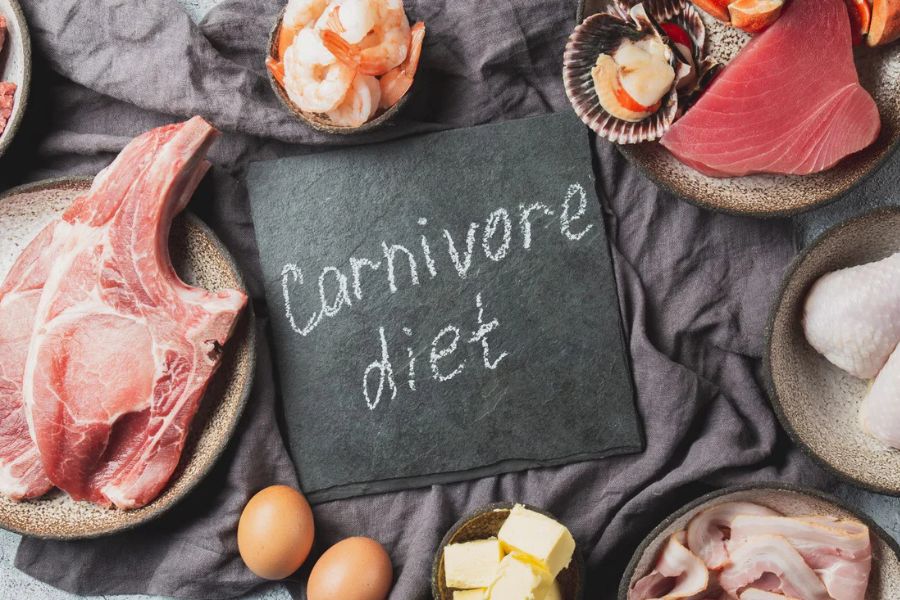
On a true carnivore diet, you only eat animal products and drink water. That means meat, poultry, fish, seafood, eggs, and sometimes dairy like butter, cheese, or cream. You avoid all vegetables, fruits, grains, legumes, nuts, seeds, and anything processed with carbs, which is why it is often called a zero carb diet as of 2026 (Harvard Health Publishing).
This puts the carnivore diet beyond keto or Atkins. Those diets still allow some carbohydrates, usually under 50 grams a day, while carnivore eliminates them entirely and pushes your body to burn fat for energy instead of carbs (Harvard Health Publishing, Baylor Scott & White Health).
Because you are eating almost no carbs, your body usually enters ketosis, a state where you burn fat and produce ketones for energy. That metabolic shift is one reason you may see quick carnivore diet weight loss in the first few weeks (British Heart Foundation).
How carnivore diet weight loss actually happens
When you look past the buzz, carnivore diet weight loss comes from a mix of familiar mechanisms rather than magic.
You naturally eat fewer calories
Meat, eggs, and seafood are rich in protein and fat, which keep you full for longer. When every meal is built around these foods, you often eat less without trying, especially if you are cutting out calorie dense processed foods like cookies, cakes, and soda. That shift alone can reduce your overall calorie intake and support weight loss (Baylor Scott & White Health).
You burn more fat for fuel
With almost no carbohydrates in your diet, your body switches from burning glucose to burning fat. This is the same basic principle behind ketogenic diets, but carnivore is the most ketogenic version because it allows almost no carbs at all. This can speed up fat breakdown, at least in the short term (Harvard Health Publishing, St. Vincent’s Medical Center).
You may reduce inflammation and stabilize blood sugar
Some people report that removing sugar, refined carbs, and certain plant compounds makes them feel less bloated and more energetic. Followers often describe better blood sugar control, less joint pain, and clearer thinking, although these benefits are mostly anecdotal and not backed by long term research yet (Inspira Health Network, Saint Alphonsus).
These changes can make it easier for you to move more, exercise, and stick with your plan, which all support weight loss.
What real people report on carnivore
Most of what you will hear about carnivore diet weight loss comes from personal stories rather than clinical trials. These can be inspiring, but it is important to treat them as individual experiences, not guarantees.
Some examples from published case collections:
- One woman in her 50s reportedly lost 50 pounds by prioritizing protein over fat, and she says her menopause symptoms improved and her energy increased (The Primal).
- Another person with IBS, mood issues, and chronic pain reported losing 25 pounds in 60 days and feeling well enough to start bodybuilding, without other major lifestyle changes (The Primal).
- A separate individual described losing nearly 20 pounds in a month without feeling hungry, and noticed skin changes like skin tags falling off and improvement in an inflammatory skin condition (Chief Nutrition).
On the other hand, some reports are less dramatic:
- A nutrition professional who tried a strict one month carnivore diet gained 1 kilogram of lean muscle but also 1.5 kilograms of fat, which raised their body fat percentage by about 2 percent despite regular exercise (Chief Nutrition).
- Another person lost 10 pounds over three months and then hit a plateau, even while tracking calories between 1000 and 1500 a day and avoiding all plant foods, which shows that weight loss can stall on carnivore too (Chief Nutrition).
These stories highlight two things. You might see fast results, especially if you were eating a lot of refined carbs before, but your long term outcome will depend on your total food intake, your health status, and how your body responds to very high animal fat and protein.
Health risks you should take seriously
Before you chase rapid carnivore diet weight loss, it helps to understand the risks that doctors and dietitians are most concerned about.
Major nutrient gaps
The carnivore diet cuts out fruits, vegetables, whole grains, legumes, nuts, and seeds. That means you lose important sources of vitamins, minerals, and plant compounds that protect your health. Experts warn about deficiencies in fiber and phytonutrients, plus vitamins such as vitamin C, which support your immune system and help prevent disease (Inspira Health Network, Baylor Scott & White Health).
You may be able to cover some nutrients with organ meats like liver and kidney, which are rich in vitamins and minerals, but even then it is easy to miss key plant based nutrients that you cannot fully replace (Saint Alphonsus).
Digestive issues and lack of fiber
Because you are not eating fiber, constipation and other digestive problems are common. Fiber also feeds beneficial gut bacteria and helps regulate cholesterol and blood sugar, so long term low fiber intake can undermine the very health improvements you might be seeking through carnivore diet weight loss (Inspira Health Network, Baylor Scott & White Health).
Heart and kidney concerns
Many carnivore diets feature large amounts of red meat and high saturated fat. Several medical sources warn that this pattern can raise LDL, or “bad” cholesterol, and increase your risk of heart disease and some cancers over time (Cleveland Clinic, Harvard Health Publishing, British Heart Foundation).
Very high protein intake can also strain your kidneys, especially if you already have kidney issues. Harvard Health lists potential long term problems like kidney stones, gout, osteoporosis, and impaired kidney function as concerns with very high meat diets (Harvard Health Publishing).
Because of these risks, multiple organizations, including Harvard Health Publishing, the British Heart Foundation, and Cleveland Clinic, do not recommend the carnivore diet for weight loss, even though it can produce fat loss in the short term (Harvard Health Publishing, British Heart Foundation, Cleveland Clinic).
Who might feel better on carnivore
Despite the cautions, some people do experience symptom relief on a strict carnivore diet, at least for a while.
University Hospitals notes that individuals with gluten intolerance, certain dairy sensitivities, or reactions to plant compounds like lectins or oxalates may find that their symptoms improve when they cut all plant foods and processed products that might be irritating their system (University Hospitals).
If that sounds like you, it can be tempting to rely on carnivore indefinitely. However, experts still recommend using it only as a short term elimination strategy, ideally guided by a professional who can help you reintroduce the widest range of foods that your body tolerates.
How to start more safely if you decide to try it
If you are still curious about carnivore diet weight loss after weighing the pros and cons, you can reduce the risks and discomfort by planning carefully.
Talk to a medical professional first
Almost every medical source advises checking with your doctor or a registered dietitian before you begin such a restrictive diet, especially if you have heart disease, kidney issues, nutrient deficiencies, diabetes, or an autoimmune condition, or if you are pregnant or breastfeeding (Inspira Health Network, University Hospitals). A professional can help you monitor blood work, adjust medications, and watch for warning signs.
Ease into low carb eating
Going from a high carb diet to strict carnivore overnight can make you feel sluggish, foggy, or flu like. Some clinicians suggest starting with a low carb, high fat approach, then moving toward carnivore only if you still feel motivated after you adapt to burning more fat for fuel. Staying hydrated and getting enough salt can reduce headaches and fatigue during this transition (Saint Alphonsus).
Choose your animal foods wisely
If you go ahead, you can tilt your carnivore diet toward better health by:
- Favoring a mix of animal proteins, for example beef, poultry, eggs, fish, and seafood, instead of only red meat.
- Including fatty fish like salmon or sardines for heart friendly omega 3 fats.
- Using organ meats occasionally for extra vitamins and minerals.
- Not adding unlimited butter and cheese on top of already fatty cuts, since this can push saturated fat intake very high (Saint Alphonsus, Harvard Health Publishing).
You will still be outside what most experts consider balanced, but you will be tilting your choices in a more protective direction.
Watch your energy, digestion, and lab results
As you go, pay attention to:
- Bowel habits and digestive comfort, since ongoing constipation is a red flag for low fiber issues.
- Energy levels and mood, especially if you feel persistently drained or irritable.
- Blood pressure, cholesterol, and kidney markers in your lab tests.
If you notice worrisome changes, it is important to adjust your plan or transition back to a more balanced way of eating.
More sustainable alternatives for lasting weight loss
If your main goal is long term weight control and better health, most nutrition experts recommend a balanced pattern such as a Mediterranean or MyPlate style approach instead of carnivore.
For example, MyPlate suggests filling half your plate with vegetables, one quarter with lean protein, and one quarter with carbohydrates like whole grains or starchy vegetables. Shannon Haynes, a registered dietitian, points to this model as a safer, more sustainable framework for both weight control and overall health compared with extreme diets like carnivore (St. Vincent’s Medical Center).
You can still borrow some helpful ideas from the carnivore trend without going all the way, such as:
- Cutting ultra processed snacks and sugary drinks.
- Increasing protein to stay fuller between meals.
- Choosing single ingredient foods more often.
Paired with regular movement and enough sleep, these shifts set you up for steady fat loss without the high health risks that come with cutting out entire food groups.
Key points to remember
Carnivore diet weight loss can be real and sometimes rapid, especially if you were eating a lot of processed carbohydrates before. You may feel less hungry, burn more fat for fuel, and notice some symptom relief if you are sensitive to certain foods.
At the same time, the diet is highly restrictive, low in fiber, and heavy in animal fat and protein. Major medical organizations warn that it can raise your risk for nutrient deficiencies, digestive problems, heart disease, and kidney issues if you use it for more than the short term (Cleveland Clinic, British Heart Foundation).
If you decide to experiment, do it with medical guidance, start gradually from a low carb base, choose your animal foods with care, and be willing to pivot if your body or lab results signal trouble. In the long run, a balanced, varied eating pattern is still the most reliable way for you to lose weight, protect your health, and feel your best day after day.
About the Author