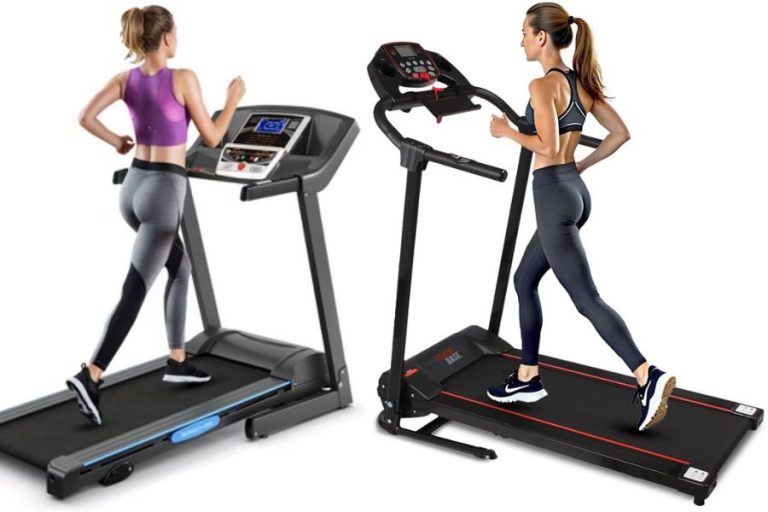
Walking workouts for weight loss are one of the simplest ways to move more, burn calories, and feel better in your body without needing a gym membership or fancy equipment. With a few tweaks to how you walk, you can turn an ordinary stroll into a surprisingly effective workout that supports weight loss and overall health.
Below, you will find fun walking routines, clear intensity tips, and easy ways to build a weekly plan you can actually stick with.
Why walking works for weight loss
Walking is low impact, easy to start, and gentle on your joints, yet it still burns calories and strengthens your heart and lungs. Health experts consistently recommend walking as a primary tool for weight management and disease prevention.
Several key points make walking a smart choice if you want to lose weight:
- It burns calories while you move, and the exact amount depends on your weight, pace, duration, and terrain. Heavier people and faster, longer walks use more energy (Healthline).
- Even short walking sessions support muscle, joint, blood circulation, and bone health, which all play a role in long term weight management and mobility (Verywell Fit).
- Walking can be as effective as higher intensity workouts for weight loss because it is easier to keep doing it regularly, especially when you walk briskly (Women’s Health).
For health in general, organizations like the U.S. Department of Health and Human Services recommend at least 150 to 300 minutes of moderate intensity aerobic exercise per week, or 75 to 150 minutes of vigorous exercise, plus strength training at least twice a week (Verywell Fit). Walking can cover almost all of that.
Understand intensity and pace
To make your walking workouts for weight loss effective, you need to walk at the right intensity for at least part of your session. A slow, meandering stroll is great for relaxation, but it will not move the needle as much on calorie burn.
A brisk walking pace usually feels like this:
- You can talk in short sentences but could not comfortably sing.
- You are breathing harder than normal but are not gasping for air.
- Your heart rate is around 60 to 70 percent of your maximum, which you can check with a fitness tracker or by taking your pulse (Verywell Fit).
This lines up with what the NHS and other health bodies describe as the sweet spot for calorie burning and fitness, where talking is possible but singing is difficult (Medical News Today).
Speed matters too. A person who weighs 150 pounds can burn about 255 calories during a 45 minute brisk walk, compared to about 219 calories at a normal pace (Verywell Fit). That difference adds up over a week or a month.
Fun interval walking workout
Intervals are an easy way to make walking more interesting and more effective for weight loss. Instead of staying at one speed the whole time, you mix short bursts of faster walking with recovery periods at a comfortable pace.
Research highlighted in 2024 suggests that varying your walking speed this way can increase calorie burn by up to 20 percent compared with a steady pace (Women’s Health).
Here is a simple 30 minute interval walking workout you can try today:
-
5 minute warm up
Walk at an easy pace. Focus on tall posture, relaxed shoulders, and swinging your arms naturally. -
3 minute brisk walk
Pick up the pace until you reach that talk but do not sing intensity. -
2 minute recovery walk
Slow down to a comfortable pace. You should feel your breathing ease. -
Repeat the 3 and 2 minute pattern four times
This gives you 20 minutes total in alternating brisk and easy segments. -
5 minute cool down
Return to an easy pace and gradually let your breathing and heart rate come back down.
You can adjust the work and rest blocks to suit your fitness level. If you are newer to exercise, you might start with 1 minute brisk and 2 minutes easy, then build up over time. The key is to stay consistent and keep the faster intervals truly brisk.
Hill and incline walking routine
If you have access to hilly streets, a local park, or a treadmill with incline, hill walking is a powerful calorie burner. Walking uphill increases the intensity without requiring you to run, which is easier on your joints and knees.
Studies show that walking uphill or on an incline increases energy expenditure, since your muscles have to work harder against gravity (Medical News Today). You can use this to your advantage with a simple routine:
Outdoor hill workout
- Warm up with 5 to 10 minutes of flat walking at an easy pace.
- Walk up a hill at a brisk pace for 1 to 3 minutes, depending on its length.
- Walk back down at an easy, controlled pace.
- Repeat the up and down cycle 4 to 8 times.
- Cool down with 5 minutes of flat walking.
Treadmill incline workout
- Warm up for 5 minutes on flat at an easy pace.
- Raise the incline to 3 to 6 percent and walk briskly for 3 to 5 minutes.
- Return the incline to 0 or 1 percent and walk easy for 2 to 3 minutes.
- Alternate incline and recovery for 20 minutes.
- Finish with a 5 minute cool down.
Walking on an incline challenges your glutes, hamstrings, and calves more than flat walking. It is also an effective way to bump up your calorie burn without needing to walk for hours at a time (Healthline).
Short walks that add up
If long workouts feel overwhelming, you can still make excellent progress by breaking your walking into shorter sessions. A small 2019 study of 65 women found that two 25 minute walks per day, combined with dietary changes, led to more weight loss than one 50 minute walk (Medical News Today).
This is good news if your day is packed. For example, you could:
- Walk 20 to 25 minutes before work.
- Walk 10 to 15 minutes at lunch.
- Add another 10 to 15 minute walk after dinner.
Those short chunks can easily add up to 30 to 60 minutes of walking without feeling like a huge time commitment. Health organizations and the Mayo Clinic both note that even brief periods of activity scattered throughout the day provide health benefits and support weight control (Mayo Clinic).
If it motivates you, you can also track your daily steps. Increasing steps into the 7,000 to 13,000 per day range for younger adults, and about 6,000 to 10,000 for older adults, has been linked to better health and weight management (Medical News Today). Pedometers and smartphone apps have been shown to encourage people to walk about 2,500 additional steps per day on average (AARP).
Weekly walking schedule for results
To support weight loss, the American College of Sports Medicine suggests at least 250 minutes per week of moderate intensity activity like brisk walking (AARP). You can work up to that level over a few weeks.
Here is a sample beginner friendly walking schedule you can adapt:
Aim to increase your total walking time by up to about 20 percent every two weeks until you reach 150 to 250 minutes weekly (AARP).
Week 1 to 2
- 5 days per week
- 15 to 20 minutes of easy to moderate walking each day
- Focus on building the habit and comfortable form
Week 3 to 4
- 5 days per week
- 25 to 30 minutes per session
- Include 5 to 10 minutes of brisk walking in the middle of each walk
Week 5 and beyond
- 5 to 6 days per week
- 30 to 50 minutes per session, depending on your schedule
- Mix in:
- 1 interval workout
- 1 hill or incline workout
- 2 to 3 steady brisk walks
- 1 easy recovery walk
Recovery days matter too. Verywell Fit notes that rest or light activity days help your body recharge, reduce injury risk, and keep you progressing over time (Verywell Fit). On these days, you can enjoy an easy, shorter walk at a leisurely pace.
Boost your calorie burn safely
Once you are comfortable with regular walking, you can add small challenges that raise the intensity without jumping into high impact exercise.
Some options that research and experts support include:
- Walking faster. Increasing your speed so that talking becomes difficult at times improves calorie burn and lung capacity and makes weight loss more efficient (Women’s Health).
- Using your arms. Pumping your arms and maintaining good posture helps you cover more distance in less time and increases energy use (Verywell Fit).
- Trying Nordic walking poles. These encourage stronger arm engagement and can raise your calorie burn compared with regular walking (Verywell Fit).
- Careful use of weighted vests. A small 2024 trial found that weighted vests increased energy expenditure and may help slow or prevent bone loss in postmenopausal women with low bone density, although you should talk to your doctor before trying this tool (Medical News Today).
If you ever feel pain, dizziness, or unusual shortness of breath, ease up and check in with a healthcare professional, especially if you have existing health conditions.
Combine walking with strength and nutrition
Walking workouts for weight loss are powerful, but you will see the best and most sustainable results when you combine them with strength work and supportive eating habits.
Experts emphasize that:
- Walking contributes to weight loss, but pairing it with calorie reduction and nutritious eating is more effective than walking alone (Mayo Clinic).
- Incorporating strength training at least twice a week helps you increase lean body mass, reduce body fat, and improve functional fitness when combined with dietary changes (Verywell Fit).
- Simple bodyweight moves like squats, lunges, and pushups every 10 minutes during a walk can help maintain muscle while you lose fat, according to fitness and medical experts interviewed in 2024 (Women’s Health).
You do not need a strict or extreme diet to benefit from walking. Focusing on balanced meals, enough protein, plenty of fruits and vegetables, and reasonable portion sizes will support your activity. Some people find a small snack helpful before early morning walks, while most later day walks do not need special fueling (Women’s Health).
After you lose weight, regular walking becomes an important tool for keeping it off. The Mayo Clinic notes that long term weight maintenance is strongly linked to ongoing physical activity such as daily walking (Mayo Clinic).
Getting started today
You do not need to overhaul your entire routine to begin. You can start with one of these simple steps today:
- Set a 10 to 15 minute timer and walk at a comfortable pace around your neighborhood.
- Add one 3 minute brisk interval into your usual walk.
- Choose a slightly hillier route and pay attention to how your legs and breathing feel.
- Turn on a step tracker on your phone and see how many steps you naturally take in a day.
As you get more comfortable, you can build toward the schedules and workouts in this guide. With consistent effort, walking can become your go to workout for weight loss, better mood, and long term health.
About the Author