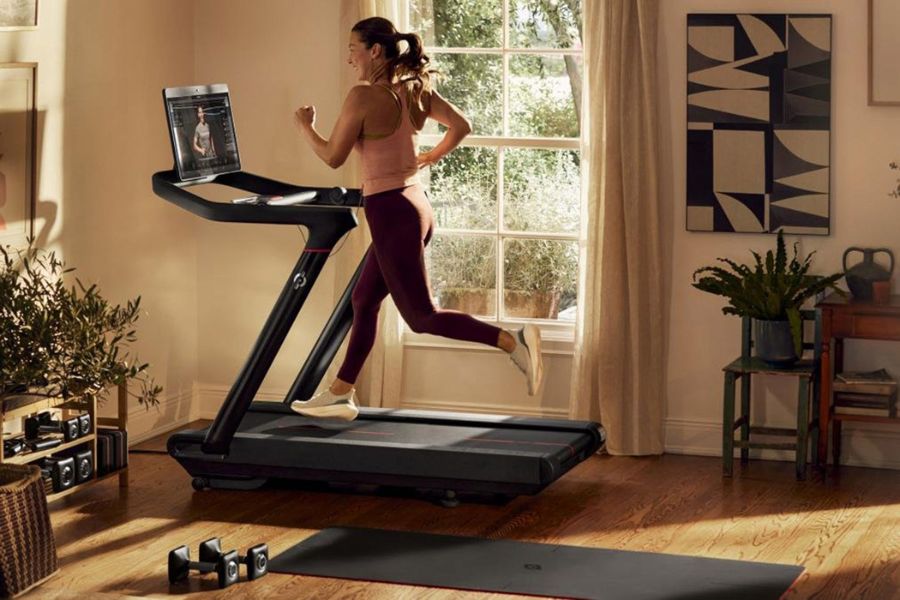
A treadmill can be one of the simplest tools to help you lose weight. It lets you control your speed, distance, and incline in a safe, predictable environment. With the right beginner-friendly treadmill workouts for weight loss, you can gradually build fitness, burn calories, and support your overall health without needing to run every day or master complex gym equipment.
Below, you will find practical, step-by-step treadmill routines you can start this week, plus tips to stay safe and consistent.
Why treadmill workouts help with weight loss
Treadmill exercise helps you create a calorie deficit, which is essential for weight loss. You burn calories during your workout and, with higher intensity intervals, you may continue burning more for a short period afterward.
Experts suggest that most adults aim for either:
- 150 minutes per week of moderate aerobic exercise, such as brisk walking at 3 mph or faster
- 75 minutes per week of vigorous aerobic exercise, such as running at 5 mph or higher
Both options support weight loss and better health when you pair them with a balanced diet and enough rest (Verywell Health).
Treadmills make this easier because you can:
- Adjust speed and incline in small increments
- Track time, distance, and calories for each workout
- Exercise regardless of weather or daylight
- Choose walking, jogging, or running based on your current fitness level
If you are new to cardio or coming back after a break, think of your treadmill as a controlled, low-impact way to rebuild endurance at a pace that fits you.
How many calories you can burn on a treadmill
Calories burned depend on your weight, speed, incline, and workout length, so there is no single number that applies to everyone. However, some reference points can help you set realistic expectations.
For example, a person who weighs about 150 pounds can burn around 125 calories by walking on a treadmill for 30 minutes. That number increases when you walk on an incline or pick up the pace, which can help you work toward the 500 to 1,000 calorie daily deficit often used as a guideline for losing 1 to 2 pounds per week (TODAY).
Incline in particular has a big impact. Walking at a 5 percent incline can raise your metabolic cost by about half compared with flat walking, and a 10 percent incline can more than double it (NordicTrack). In simple terms, a small bump in incline can turn an easy walk into a serious calorie burner.
If you enjoy numbers, you can use a treadmill calorie calculator that factors in your weight, age, speed, grade, and even curved treadmill use to estimate your burn more accurately (RunBundle).
Beginner treadmill walking workout
If you are just getting started, a consistent, low-impact walking routine is the best place to begin. This helps you build a base of cardiovascular fitness and joint strength before you add higher speeds or steeper inclines.
Try this 30 minute beginner walking workout:
-
Warm up, 5 minutes
Walk at an easy pace. You should be able to hold a full conversation without getting short of breath. -
Steady walk, 10 minutes
Increase speed to a brisk but comfortable pace, usually around 3 to 3.5 mph for many beginners. You should feel warm and slightly breathless, but still able to talk in short sentences. -
Incline introduction, 10 minutes
Keep the same speed and add a gentle incline of 1 to 3 percent. If that feels too challenging at first, alternate 2 minutes at incline with 2 minutes flat. -
Cool down, 5 minutes
Reduce the incline to zero and gradually slow your speed until you are back to an easy walk.
Aim to do this routine 3 days per week at first. When it feels manageable, add a fourth day or extend the steady walk portion by 5 minutes.
To stay safe, increase your total weekly intensity by about 10 percent at a time, for example a bit more speed or incline the following week, instead of jumping too far too fast (Verywell Health).
The 12-3-30 treadmill workout, simplified for beginners
You might have seen the 12-3-30 treadmill workout on social media. It involves walking at a 12 percent incline at 3 mph for 30 minutes. This routine gained attention after creator Lauren Giraldo shared that it helped her lose around 30 pounds and feel mentally better as well (TODAY).
At full intensity, 12-3-30 is demanding. Walking on a 12 percent incline at a constant pace significantly raises your heart rate, engages your glutes and hamstrings, and burns more calories than flat walking. It is a low impact workout that does not require running, which makes it appealing if you want to protect your joints (Planet Fitness).
If you are a beginner, you can build up to it gradually:
- Start with a 5 to 6 percent incline at 2.5 to 3 mph for 10 to 15 minutes.
- Add a few minutes each week until you reach 30 minutes.
- Then slowly increase the incline by 1 to 2 percent at a time, paying attention to your breathing and any joint discomfort.
Health professionals recommend doing the full 12-3-30 at most every other day, since the high incline can stress your lower back, hamstrings, Achilles tendons, knees, and feet if you overdo it (TODAY). On off days, you can switch to flat or low incline walking, light cycling, or strength training.
Easy interval treadmill workouts for beginners
Once you feel comfortable with steady walking, interval training is a powerful way to boost your treadmill workouts for weight loss without spending more time at the gym.
High intensity interval training, or HIIT, alternates short bursts of hard effort with brief recovery periods. This style of training is very efficient for reducing body fat and improving cardiovascular fitness in less time than steady state cardio (Healthline). It also triggers an afterburn effect, known as excess post exercise oxygen consumption, where your body continues to burn extra calories after your workout ends (8fit).
You do not need to sprint to benefit from intervals. Here are two beginner-friendly options.
Walk and brisk walk intervals (20 minutes)
Use a pace that feels manageable for you. You can always adjust the numbers.
- Warm up with 5 minutes of easy walking.
- Alternate 1 minute of brisk walking with 1 minute of easy walking for 10 minutes.
- Finish with 5 minutes of cool down walking.
As this becomes easier, you can:
- Increase the brisk intervals to 90 seconds
- Add a 1 to 2 percent incline during the brisk segments
- Extend the interval block to 15 or 20 minutes
Walk, jog, run ladder (25 to 30 minutes)
This routine is adapted from a beginner HIIT structure that gently introduces higher intensity work (8fit).
- Warm up, 5 minutes of easy walking.
- Walk briskly for 2 minutes.
- Jog gently for 1 minute.
- Return to easy walking for 2 minutes.
Repeat steps 2 to 4 four times. If you are feeling strong, you can extend each round slightly or add a gentle incline during the jog portions. Always finish with a 5 minute cool down.
These short bursts keep your workouts interesting and help you burn more calories in the same amount of time.
How often you should use the treadmill for weight loss
Your ideal treadmill schedule depends on your current fitness level, recovery, and overall lifestyle. A good starting point for most beginners is:
- 3 to 4 days per week of treadmill walking or intervals
- At least 1 full rest day per week, with easy stretching or light movement
- Optional 2 days per week of strength training to support muscle and metabolism (Healthline)
If your main goal is fat loss around your midsection, plan on at least 30 minutes of treadmill time most days, or include HIIT sessions a few times a week, along with resistance training and a balanced diet (PureGym).
As you get fitter, you can increase your treadmill intensity through:
- Slightly higher speeds
- Gradually steeper inclines
- Longer workout durations
- Shorter rest periods between intervals
This progressive overload approach helps you continue burning calories effectively as your body adapts (PureGym).
Safety tips and form basics for beginners
Because treadmill workouts for weight loss can become demanding as you add speed and incline, good form and pacing are important.
Keep these pointers in mind:
- Start with a warm up and end with a cool down. Give your heart rate and muscles time to adjust at the start and the end of every workout.
- Stand tall. Look ahead instead of down at your feet, keep your shoulders relaxed, and avoid leaning heavily on the handrails, especially on inclines. This helps protect your back and joints.
- Take incline seriously. Incline increases muscle engagement and calorie burn, but it also adds stress to your lower body. If you feel pain in your lower back, knees, or Achilles, reduce the grade or return to flat walking until things feel better (TODAY).
- Progress slowly. Try not to increase your total weekly time, speed, or incline by more than about 10 percent. This gradual approach helps you avoid overuse injuries (Verywell Health).
- Listen to your body. Mild breathlessness and muscle fatigue are normal. Sharp pain, dizziness, or chest discomfort are signs to stop and rest, and to talk with a healthcare professional if symptoms continue.
If you are new to exercise or have any medical conditions, it is always a good idea to check with your doctor before starting a new cardio routine.
If you can only manage 10 minutes today, that still counts. Consistency matters more than perfection when you are building a treadmill habit.
Bringing it all together
Treadmill workouts for weight loss do not need to be complicated. A simple plan might look like this:
- Two days per week of 30 minute steady walking, with a light incline
- One or two days per week of easy interval sessions
- Optional gradual build toward a full 12-3-30 workout if you enjoy incline walking
Combined with a realistic eating plan, enough sleep, and patience, this routine can help you steadily increase your fitness and move toward your weight loss goals.
Choose one beginner workout from this guide and schedule it in your week. After a couple of sessions, you will start to feel the difference in your energy, and you can keep building from there at a pace that feels right for you.
About the Author