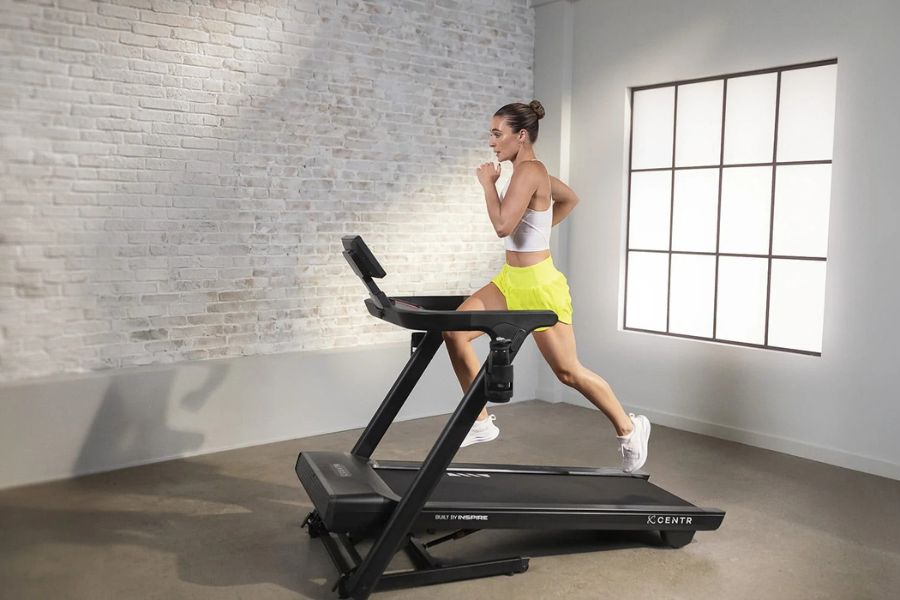
A treadmill can be more than a piece of equipment in the corner of the room. With a few simple treadmill workout plans, it becomes an easy way to lose weight, build stamina, and improve your overall health without guessing what to do each time you step on.
Below, you will find straightforward plans you can follow right away, even if you are new to exercise. Each one is designed to be clear, adjustable, and kind to your joints while still giving you results.
Understand the basics of treadmill workout plans
Before you start building treadmill workout plans, it helps to understand the main settings and why they matter.
Speed is how fast the belt moves. For many beginners, a brisk walking speed falls between 3 and 4 mph. This range is often recommended because it increases heart rate and circulation without putting too much stress on your joints (TRUE Fitness).
Incline is how steep the surface is. Even a small incline of 2 to 3 percent makes walking more challenging and more effective for your heart and leg muscles, and it burns more calories than walking on a flat surface (TRUE Fitness). Higher inclines can feel like hiking or climbing hills.
Time is how long you stay on the treadmill. You can get solid benefits from 20 to 30 minutes of activity most days of the week. Shorter, more intense sessions can also work, especially if you use interval or HIIT style plans.
When you understand how speed, incline, and time work together, it becomes easier to tailor each plan to your current fitness level.
Start with a beginner walking plan
If you are new to exercise or returning after a long break, steady walking is a safe, effective place to begin. Treadmill workout plans for beginners focus on building consistency first.
Many beginners do well starting with brisk walking between 3 and 4 mph on a 2 to 3 percent incline. This improves blood flow, helps strengthen your heart, and gently boosts calorie burn without overloading your knees and hips (TRUE Fitness).
Here is a simple 20 minute beginner plan you can try three to four times per week:
- Warm up: 5 minutes at 2 to 2.5 mph, 0 percent incline
- Main walk: 10 minutes at 3 to 3.5 mph, 1 to 2 percent incline
- Cool down: 5 minutes at 2 to 2.5 mph, 0 percent incline
If this feels too easy, increase the main walk to 15 minutes and keep the total time closer to 25 minutes. If it feels too hard, lower the speed slightly and keep the incline at 0 to 1 percent until your legs and lungs adjust.
Over several weeks, you can gradually increase either speed or incline. For instance, you might add 0.2 mph or 1 percent incline once the current setting feels comfortable for at least two workouts in a row (NordicTrack).
Try incline walking to burn more calories
Once you can handle 20 to 30 minutes of steady walking, you can add incline-focused treadmill workout plans to challenge your muscles and increase calorie burn without needing to run.
Incline workouts simulate walking uphill. This engages your glutes, quads, hamstrings, and calves more deeply and can build strength and definition in your lower body. Inclines between 2 and 8 percent are often used for beginners and intermediate users who want more intensity while still walking (TRUE Fitness).
A simple 25 minute incline walking plan might look like this:
- Warm up: 5 minutes at 2.5 mph, 0 percent incline
- Incline block 1: 5 minutes at 3 mph, 3 percent incline
- Incline block 2: 5 minutes at 3 mph, 5 percent incline
- Return to flat: 5 minutes at 3 mph, 0 to 1 percent incline
- Cool down: 5 minutes at 2 to 2.5 mph, 0 percent incline
You can also use a hill climb style, where the incline rises and falls in waves. For example, alternate 2 minutes at 2 percent, then 2 minutes at 4 percent, then 2 minutes at 6 percent and then go back down again. Hill climb workouts that vary incline from roughly 2 to 8 percent while you maintain a brisk walk create a route that feels similar to outdoor hills and keeps your workout interesting (TRUE Fitness).
If your treadmill offers preset hill programs, you can use those and simply adjust the speed so that you can still talk in short sentences while you work.
Progress to intervals and light jogging
When your legs feel ready and your breathing has become easier during walks, you can step into interval style treadmill workout plans. Intervals break your workout into short, manageable efforts followed by longer, comfortable recovery periods.
Light jogging intervals in the 5 to 6 mph range, alternated with periods of walking, give you a moderate intensity workout that helps you transition from walking to running (TRUE Fitness).
Here is a beginner friendly 25 minute walk and jog interval session:
-
Warm up:
5 minutes at 2.5 to 3 mph, 0 to 1 percent incline -
Interval set (repeat 6 times):
- 1 minute light jog at 4.5 to 5.5 mph
- 2 minutes brisk walk at 3 to 3.5 mph
- Cool down:
5 minutes at 2 to 2.5 mph
This style of interval running breaks your total jogging time into short segments, which often feels more doable than trying to run continuously. Many people find this structure less intimidating and more sustainable, which can improve your chances of sticking with your plan (UK Gym Equipment).
As you gain confidence, you can increase the jog portion to 90 seconds or 2 minutes while shortening the walk break. Over time this can lead to steady, comfortable running for longer stretches.
Use HIIT treadmill workout plans for faster results
If you are already comfortable with basic intervals and want to focus on weight loss or time efficient workouts, high intensity interval training, or HIIT, can be a powerful tool. HIIT alternates short bursts of intense activity with periods of slower, active rest.
HIIT on a treadmill often uses faster running or steeper inclines during the hard intervals. These workouts can improve cardiorespiratory fitness more effectively than moderate continuous training according to a Sports Med New Zealand review cited by NordicTrack (NordicTrack). They can also burn up to 30 percent more calories than some other forms of cardio according to Crunch Fitness, which makes them attractive for fat loss and weight management (Crunch Fitness).
A classic beginner friendly HIIT treadmill plan might look like this:
- Warm up: 5 to 10 minutes of easy walking or very light jogging
- Interval block (repeat 8 to 10 times):
- 30 seconds fast pace that feels challenging but controlled
- 90 seconds slow walk for recovery
- Cool down: at least 5 minutes of easy walking, followed by light stretching
This “classic HIIT interval” approach is often recommended because it keeps the structure simple and lets you focus on effort instead of complicated timing (City Fitness).
If you prefer incline instead of speed, you can use hill sprint style HIIT. For example, alternate 20 to 30 seconds at a steep incline with a moderate walking pace, followed by a flat or low incline walk for recovery. Hill sprints on a treadmill challenge your glutes and hamstrings and create a strong lower body workout (City Fitness).
No matter which style you choose, limit HIIT treadmill workouts to three or four sessions per week, and allow rest or low intensity days between them so your body can adapt and recover. NordicTrack emphasizes warm ups, maintaining a vigorous heart rate range, and cooldowns with stretching as key parts of safe HIIT training, especially for beginners (NordicTrack).
If you are new to HIIT, start with fewer rounds and keep the hard intervals at a pace that feels tough but still controlled. You should feel pushed, not overwhelmed.
Add steady state runs and recovery days
Not every treadmill session needs to be intense. In fact, your treadmill workout plans will be more sustainable if you mix higher intensity days with gentler sessions.
Steady state running is when you stay at the same moderate pace for a longer period of time. This type of workout helps build cardiovascular endurance and mental stamina by training your body to keep going without slowing down (SOLE Fitness). A simple steady state run might be:
- 10 minute warm up, starting with walking and building to your run pace
- 15 to 25 minutes at a pace where you can still talk in full sentences
- 5 to 10 minute cooldown walk
You can also use dedicated recovery runs or walks. These are low speed sessions at about 50 to 75 percent of your usual pace and very low incline. Recovery runs of 20 to 40 minutes let you move your body gently after intense sessions like HIIT or long intervals, which supports blood flow and helps reduce stiffness without overloading tired muscles (TRUE Fitness).
Including both steady state and recovery days in your schedule makes your plan feel more balanced and reduces the risk of overtraining.
Match your workouts to weight loss and health goals
If your main focus is weight loss, treadmill workout plans can be very effective, especially when combined with a healthy eating pattern and some strength training.
Treadmill intervals and HIIT sessions are especially efficient for fat loss because they raise your heart rate quickly and keep your metabolism slightly elevated even after you step off the machine, a concept often called the “afterburn effect” (PureGym, Crunch Fitness). However, you do not need to do intense training every day.
For steady, realistic progress, aim for a mix across the week, such as:
- 2 days of interval or HIIT treadmill workouts
- 2 days of steady state walks or runs
- 1 to 2 days of strength training, even if it is simple bodyweight work
- 1 to 2 lighter or rest days
PureGym notes that the most effective way to burn belly fat and lose weight is to pair treadmill sessions with strength training and a calorie deficit created through diet and activity (PureGym). Spot reduction, such as trying to burn fat in only one area with the treadmill, does not work. Your body decides where fat comes off first.
Consistency matters more than perfection. You will get better results by keeping up with a good enough schedule than by pushing extremely hard for a week and then stopping because it feels too intense.
Stay safe, comfortable, and motivated
Even the best treadmill workout plans only help if you can stick with them. A few simple habits make your time on the treadmill safer and more enjoyable.
Proper shoes are a good starting point. Choose running or walking shoes that offer cushioning and stability. Your feet should feel supported but not cramped. Staying hydrated before, during, and after your workout helps your body handle higher heart rates and sweat more comfortably (NordicTrack).
Warm up with 5 to 10 minutes of easy walking and a few gentle dynamic stretches like leg swings or marching in place. NordicTrack recommends proper warm ups and cooldowns as key parts of both beginner and HIIT treadmill routines to reduce injury risk and improve performance (NordicTrack).
To stay motivated, keep your workouts varied. Rotate between walking days, hill days, interval days, and recovery sessions so every week feels a little different. Many modern treadmills offer guided sessions and virtual routes. Platforms like iFIT, which pair with certain treadmills such as the NordicTrack Commercial 2450, provide interactive beginner programs that automatically adjust speed and incline as you go (NordicTrack).
If you prefer to keep things simple, you can still maintain interest by:
- Changing your playlist or podcast
- Setting small goals, like adding 1 minute to your workout every week
- Tracking your distance or total minutes per week so you can see your progress
As you follow these treadmill workout plans, notice how your body feels and make adjustments as needed. You are in control of the speed, incline, and time, which means you can shape each workout to match your energy level that day.
Start with one plan from this guide, such as the basic 20 minute walk, and try it twice this week. Once it feels familiar, add an incline or interval day and let your new routine grow at a pace that feels right for you.
About the Author