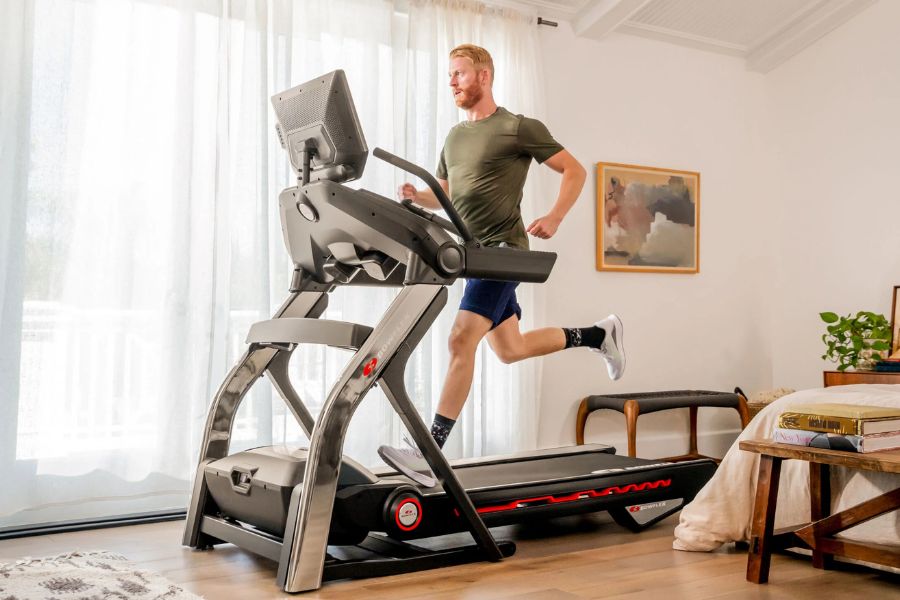
A treadmill is more than a rainy day backup. With the right treadmill interval training plan, you can turn it into one of the most effective tools for fat loss and overall fitness.
Instead of walking at the same pace for 30 minutes, treadmill interval training has you alternate harder efforts with easier recovery periods. This simple shift helps you burn more calories in less time and keeps your workouts engaging instead of monotonous.
Understand how treadmill interval training burns fat
When you do intervals on a treadmill, you switch between short bursts of higher intensity and slower recovery periods. That intensity spike is what makes interval training such a powerful option for fat loss.
During the hard intervals your heart rate rises into a higher zone, usually around 80 to 95 percent of your maximum effort, and your body uses more energy to keep up. In the easier intervals, your heart rate comes down but stays elevated enough that you continue to burn calories. Research has found that interval workouts can deliver greater cardiovascular and metabolic benefits in less time than steady state cardio, while also improving your ability to use oxygen efficiently (Verywell Fit).
You also benefit from the “afterburn” effect, known as excess post exercise oxygen consumption or EPOC. After a higher intensity workout, your body keeps burning extra calories for an hour or more as it returns to baseline, which can help you outpace the calorie burn from a similar length steady walk or jog (Verywell Fit).
Compare intervals and steady state for fat loss
You do not have to give up steady state cardio to see results. Both approaches work, they just work in slightly different ways.
Studies that compare high intensity interval training, or HIIT, with more moderate continuous exercise often find similar improvements in fitness across groups. In one eight week trial on treadmills, young adults doing different types of HIIT and those sticking with steady workouts all increased VO2 max by about 18 percent, with no clear winner in cardiorespiratory gains (PMC).
For fat loss and metabolic health, though, intervals have some useful advantages. Research on high intensity intermittent exercise has shown greater reductions in subcutaneous fat in women compared with steady state aerobic programs, suggesting you can lose more fat in less time if you tolerate higher effort levels well (NordicTrack). Interval training also improves insulin sensitivity, which means your muscles use glucose more efficiently and this can support both fat loss and long term metabolic health (Verywell Fit).
If you enjoy zoning out to a steady jog, you can keep that in your routine. If you want to save time, break through plateaus, or simply get more done in a 20 to 25 minute window, intervals are a strong option.
Set clear goals before you start
Before you jump on the treadmill and start pressing buttons, spend a moment defining what you want from treadmill interval training. Clear goals help you choose the right structure and intensity.
If your main focus is fat loss, your priority is creating a consistent calorie deficit while preserving muscle. Interval training helps by burning more calories in shorter sessions and by stimulating both your aerobic and anaerobic systems, which can support muscle maintenance. Research suggests that even three short HIIT sessions per week can improve performance and stamina, which makes it easier to be active in other parts of your life as well (Verywell Fit).
You might set goals such as improving your 5K time, building up to running instead of walking intervals, or fitting three efficient workouts into a busy week. Whatever your goal, write it down and revisit it every few weeks so you can adjust your intervals as your fitness improves.
Prepare your body and treadmill correctly
A good warm up and setup routine protect you from injury and help you get more out of each interval session.
Spend at least 5 to 10 minutes walking at an easy pace, gradually increasing speed until your breathing is slightly elevated but you can still speak in full sentences. Add gentle dynamic stretches, such as leg swings or walking lunges, before you raise the intensity. Expert guidelines recommend including warm ups and cool downs in beginner treadmill HIIT workouts to improve performance and reduce injury risk, with cooldowns lasting at least 10 minutes as you return to an easy walk (NordicTrack).
Take time to get familiar with your specific treadmill settings for walking, jogging, and sprinting speeds. Knowing which buttons to press before you are breathing hard makes it easier to transition smoothly between intervals. If your treadmill has built in programs, you can use them as a starting point and then tweak speeds and inclines as you learn what feels challenging but sustainable for you.
Choose the right interval structure for you
There is no single perfect interval format. The best structure is one that matches your current fitness level, supports fat loss, and feels manageable enough that you can stick with it week after week.
Shorter hard intervals of 30 seconds to 2 minutes with equal or slightly longer recovery periods are often recommended for treadmill interval training two or three times per week. You can walk, jog, or run during the work intervals, and use walking or very light jogging to recover (NordicTrack).
Here are three simple structures to consider as you build up:
-
Classic intervals
Alternate one minute of brisk walking or light jogging with one to two minutes of easy walking. This beginner friendly format is easier to learn and still provides cardio and fat loss benefits (City Fitness). -
Hill intervals
Keep your speed moderate and increase the incline for 30 to 60 seconds, then reduce the incline for one to two minutes of flat recovery. Hill intervals target your glutes and hamstrings and can raise intensity without requiring all out sprinting (City Fitness). -
Pyramid intervals
Gradually increase the duration of your work intervals, for example 30 seconds, 45 seconds, 60 seconds, then 45 and 30 again, with equal recovery between each. This adds variety and helps you build both strength and endurance over time (City Fitness).
Very high intensity formats like Tabata use 20 seconds of extremely hard work followed by 10 seconds of rest, repeated eight times. On a treadmill, this can be very demanding and was found to be less enjoyable than moderate intervals or steady workouts in research, with participants needing longer recovery time afterward (PMC). You can keep Tabata style sessions in reserve for later, once you have a solid base.
Use speed and incline smartly for fat loss
Treadmill interval training gives you two powerful levers to pull, speed and incline. You can use either, or both, to raise intensity and calorie burn.
Speed based intervals involve alternating between walking, jogging, and sprinting. For example, you might walk at 3 miles per hour for recovery and jog at 5 to 6 miles per hour for work intervals. Hill based intervals adjust the incline instead, which simulates outdoor hills and engages more lower body muscle without requiring maximal speed. Trainers note that varying both speed and incline is an effective way to build strength and endurance while avoiding boredom (Garage Gym Reviews).
If your joints are sensitive or you are newer to exercise, start by adding a small incline of 1 to 3 percent to brisk walking rather than jumping straight into fast running. You can still reach a higher heart rate, especially when you gradually lengthen the hill intervals or raise the grade over time. As your fitness and confidence grow, you can combine moderate inclines with quicker speeds to further boost your energy expenditure during workouts.
Monitor intensity with heart rate and effort
To maximize fat loss without overreaching, you want your work intervals to be challenging but not reckless. Heart rate monitoring and perceived exertion are two practical tools you can use.
High intensity treadmill intervals typically aim for around 70 to 85 percent of your maximum heart rate during the work segments, which qualifies as vigorous exercise (NordicTrack). If you use a chest strap or wrist based monitor, note your numbers in a training log so you can see how the same workout feels easier over time, which is a sign of progress.
If you do not have a heart rate monitor, you can use a simple talk test and a 1 to 10 effort scale. During hard intervals you should feel like you are at about a 7 or 8 out of 10, where speaking more than a few words at a time is uncomfortable. During recovery intervals your effort should drop to around a 3 or 4, where you can talk in complete sentences again. Keeping that contrast between hard and easy segments is what defines interval training and helps you stay consistent from one workout to the next.
Plan weekly frequency and recovery
More intensity is not always better, especially when you are focused on fat loss over several months instead of a single week. Recovery is where your body adapts and gets fitter.
Experts typically suggest starting with one treadmill interval training session per week, then gradually increasing to no more than three sessions as your fitness improves. This gives your muscles, joints, and nervous system time to recover from the higher demands of intervals (Garage Gym Reviews). Guidelines for HIIT on treadmills often recommend limiting sessions to three or four times per week and always including at least one rest or low intensity day between them (NordicTrack).
Fill the rest of your week with lighter activity like walking, cycling, or strength training. This keeps your total energy expenditure high, which supports fat loss, without pushing you into constant fatigue. If you notice your legs feeling heavy for days, your sleep getting worse, or your motivation dropping sharply, scale back the frequency or intensity of your intervals until those signs ease.
As a simple rule of thumb, you should leave most interval sessions feeling tired but not wrecked. If you cannot imagine repeating a similar workout two days later, it was probably too intense for long term consistency.
Take advantage of the treadmill environment
Training indoors gives you a level of control that is hard to match outside, and you can use that to your advantage for fat loss and performance.
On a treadmill you do not have to contend with wind, rain, heat, ice, or uneven surfaces. This controlled environment allows you to hit precise goal paces and inclines more safely, which is especially helpful if you are training for a race or building up from walking to running. Coaches point out that indoor treadmills support year round consistency and let you focus on quality interval sessions even in harsh climates (Performance Running Gym).
The belt surface is also typically more forgiving than pavement, which can be kinder to your joints during repeated intervals. Some models add cushioning or adaptive features that adjust speed and incline automatically to maintain appropriate challenge, making it easier to stay in the right intensity range from start to finish (NordicTrack). The more consistent your training, the more likely you are to see steady fat loss over time.
Know who should modify or avoid HIIT
Although treadmill interval training is effective, it is not the right starting point for everyone. The higher intensity can increase your risk of injury or burnout if you jump in too quickly.
Beginners and people returning from injury are usually better off building a base of moderate aerobic exercise before layering in true HIIT sessions. Experts caution that high intensity treadmill intervals are not recommended as a first step for those groups and suggest starting with one or two sessions per week at most once you have some endurance built up (Verywell Fit). If you have cardiovascular disease, uncontrolled high blood pressure, or other medical conditions, talk with your healthcare provider before beginning vigorous interval training.
Even if you are healthy, listen to your body. If your form breaks down during intervals, shorten the work periods or choose hill walking instead of fast running. There is no fat loss benefit to pushing so hard that you cannot train again for a week.
Put it all together for sustainable fat loss
You do not need a complicated plan to make treadmill interval training work for fat loss. Start with what fits your current level, then build from there. For example, you might begin with a 5 minute warm up walk, follow with 6 rounds of 1 minute brisk walking and 2 minutes easy, then finish with a 10 minute cooldown. Over time you can increase the number of rounds, raise the speed or incline slightly, or try new structures like hills or pyramids.
Aim for consistency first, then progression. A handful of well executed interval sessions each week, supported by regular movement and reasonable nutrition, will do far more for your fat loss and health than a single all out workout you never want to repeat.
About the Author