A lot of people feel like their calves will never grow, no matter how much they train. The good news is that you can learn how to get bigger calves by adjusting your exercise selection, training volume, and recovery. With a few targeted changes, you can finally see progress in an area that often feels stubborn.
Understand how your calf muscles work
If you want bigger calves, it helps to know what you are actually training. Your calves are mainly two muscles working together every time you walk, run, or stand on your toes.
The gastrocnemius is the visible, diamond-shaped muscle on the back of your lower leg. It crosses both your ankle and your knee, so it works hardest when your knees are straight and you point your toes down. The soleus sits underneath the gastrocnemius and is thicker and more endurance focused. It works hardest when your knees are bent and you push through the ball of your foot, as explained in detail by the International Sports Sciences Association.
To build fuller calves, you want to target both muscles. That means including straight leg and bent knee calf movements in your weekly plan, not just repeating the same exercise every time.
Choose the best exercises for calf growth
You do not need a long list of movements to grow your calves. A few well chosen exercises that you perform consistently will do more than constantly changing your routine.
Great options that cover most needs include:
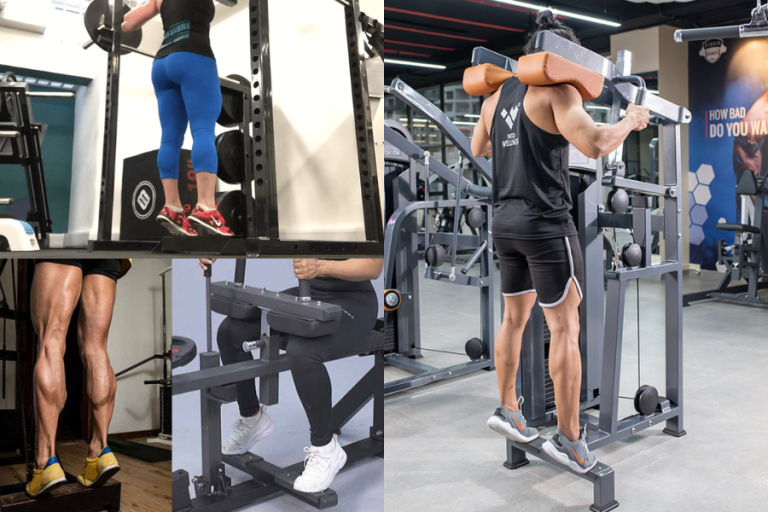
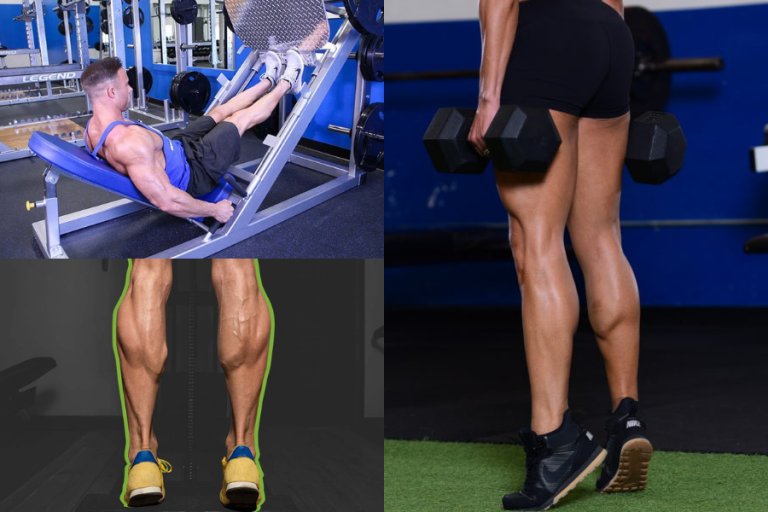
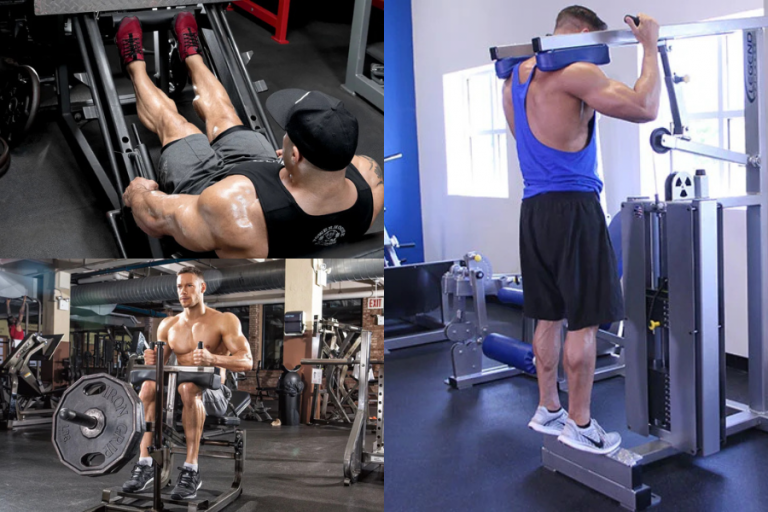
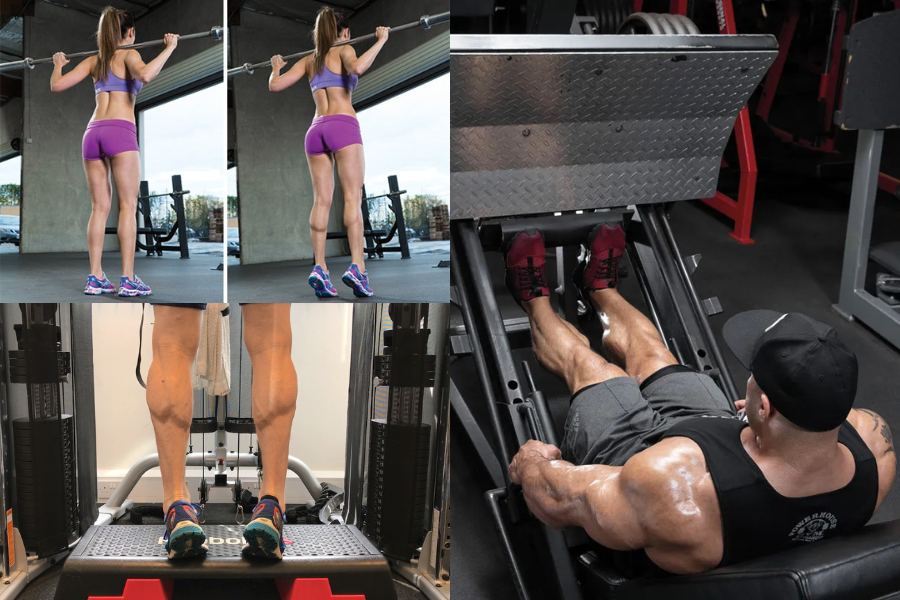
- Standing calf raises
- Seated calf raises
- Elevated calf raises off a step
- Bent knee calf raises
- Single leg calf raises
- Jump rope
- Farmer’s carry on your toes
A practical approach is to pick one or two main resistance exercises per session. For example, you might combine standing calf raises with seated calf raises or pair elevated calf raises with single leg raises. Research based guides suggest that using 1 to 3 different calf exercises per training session and 2 to 4 different exercises per week balances variety and overuse risk in most cases, according to RP Strength’s hypertrophy guide (2024).
The key is quality reps with a full range of motion. Focus on pushing through the ball of your foot, keeping your knees in the right position for the target muscle, and moving under control rather than bouncing.
Use smart training volume and frequency
“How often should I train my calves?” is one of the most common questions. Your calves already work all day when you walk and stand, so they usually tolerate more frequent direct training than muscles like your chest or back.
Many people can train calves between 3 and 6 times per week and still recover well, as long as total weekly volume and soreness stay manageable. RP Strength notes that calves recover relatively quickly because of high blood flow and minimal assistance from other muscles, which is why shorter rest periods and higher frequency can work well (2024).
A good starting point is:
- 2 to 3 sessions per week if you are new to calf training
- 3 to 5 sessions per week if you already lift regularly and want faster growth
Within each session, aim for 4 to 10 hard sets total across all calf exercises, depending on your experience and overall training load. If you feel constant deep soreness, scale back the number of sets or reduce how often you train them until recovery improves.
Dial in reps, sets, and rest periods
Calves respond well to a wide range of reps. You can grow them with heavy loads and low reps or moderate loads and higher reps, as long as you push close to fatigue.
According to the RP Strength hypertrophy guide, your calves benefit from sets in the 5 to 30 rep range, with most of your work landing around 10 to 20 reps per set (2024). To cover your bases, you can rotate:
- Heavy sets of 5 to 10 reps for strength and density
- Moderate sets of 10 to 20 reps for most of your volume
- Light sets of 20 to 30 reps for higher endurance and extra stimulus
Rest periods can be shorter than you might use for squats or deadlifts. Because calves recover quickly, some people rest as little as 10 seconds between short “mini sets” and still perform well, according to RP Strength (2024). A simple rule is to rest just long enough that you can perform your next set with good form and similar effort. If your reps drop too much, add more rest.
Master your technique for maximum growth
Even the best plan will fall flat if your form is off. The small details of how you perform each rep can completely change how much your calves are working.
One powerful technique is using a deep stretch at the bottom of the calf raise. RP Strength suggests pausing in that stretched position for up to 2 seconds to increase the growth stimulus (2024). This “painful stretch” can be very effective, but if you are new to it, start with fewer sets because it can create intense delayed onset muscle soreness.
To get the most out of every rep, focus on these basics:
- Start from a full stretch, with your heel as low as your ankle can comfortably go
- Avoid bouncing out of the bottom, pause briefly instead
- Push up until you are fully on your toes, then squeeze your calves at the top
- Move at a controlled tempo, especially on the way down
Think of each set as time under tension for your calves, not a race to finish. Slowing your repetitions slightly, especially in the lowering phase, helps increase that tension and can support muscle growth over time.
If your calves never seem to grow, it is often a form and effort problem, not a genetics problem. Precise, full range movements performed close to fatigue can change your results even with the same exercises.
Apply key hypertrophy principles to calves
Calf training follows the same growth principles as any other muscle. The difference is that many people do not apply those principles consistently.
To build more muscle in your calves, you want to:
- Gradually increase total weekly volume by adding sets, reps, or load over time
- Slow down your tempo slightly to increase time under tension
- Use a full range of motion that includes a strong stretch and full contraction
- Shorten some rest periods to keep the muscle working harder
- Apply progressive overload so the challenge does not stay the same for weeks
Research summaries on calf hypertrophy point out that combining traditional resistance work with explosive exercises like box jumps, jump squats, and single leg jumping can also help. These plyometric movements challenge the muscle in a different way and can contribute to growth when used alongside regular calf raises.
The key is consistency. Pick a realistic amount of volume you can maintain, then stick with it for several months while you gradually increase the challenge.
Mix in plyometrics and athletic work
If you only ever do slow, machine based calf raises, you are missing part of the picture. Your calves play a big role in jumping, sprinting, and quick changes of direction. Training them explosively can help them grow and improve performance at the same time.
Plyometric and explosive movements that are especially helpful include:
- Box jumps
- Jump squats
- Single leg jumping drills
- Skipping or jump rope at varied speeds
These exercises load your calves quickly and powerfully, which may provide a growth stimulus that is different from slow strength work. Current sport science summaries note that this combination of traditional and explosive work supports calf hypertrophy by challenging the muscle in multiple ways.
If you are new to plyometrics, start with low intensity versions like small box jumps or light jump squats and keep volume low. As your coordination and joint tolerance improve, you can add more sets or incorporate them into warm ups before your resistance sets.
Support calf growth with recovery and nutrition
Your workouts only create the signal for growth. The actual muscle building happens when you rest, eat, and sleep. If your recovery is not keeping up, your calf training progress will stall.
Adequate sleep helps regulate hormones, support muscle recovery, and aid protein synthesis, all of which are essential for calf growth. Aim for a consistent sleep schedule and enough hours each night so that you wake up feeling rested.
On the nutrition side, calves respond just like any other muscle group. You will benefit from:
- Enough protein spread across the day to support muscle repair
- Sufficient carbohydrates to fuel hard training sessions
- Healthy fats to support hormones and overall health
- Proper hydration and a mix of micronutrients for recovery
Reviews focused on muscle hypertrophy emphasize that both sleep and nutrition are critical to turning hard training into actual muscle gains. If your diet is low in protein or you are frequently under eating, your calves will have a harder time growing no matter how perfect your program looks on paper.
Put it all together in a simple weekly plan
To make this more concrete, here is an example of how you might structure your calf training within a normal week. You can adjust the details based on your experience level and current routine.
- Day 1: Standing calf raises, 4 sets of 8 to 12 reps, slow tempo and 1 to 2 second pause at the bottom
- Day 2: Light plyometrics like jump rope or low box jumps, 5 to 10 short sets spread through your warm up
- Day 3: Seated calf raises, 3 to 4 sets of 12 to 20 reps plus 2 sets of single leg calf raises for 15 to 20 reps per leg
- Day 5: Elevated calf raises off a step, 4 sets of 10 to 15 reps with deep stretch, short rest periods
Over the weeks, you can add a little weight, a few extra reps, or an extra set as your calves adapt. If soreness becomes excessive, keep the structure but reduce sets or lower the load for a week so your body can catch up.
The combination of targeted exercise selection, thoughtful volume, strong technique, and solid recovery will do far more for your calf size than random high rep sets at the end of a workout.
Key takeaways
- Train both the gastrocnemius and soleus by using straight leg and bent knee calf exercises
- Include 1 to 3 calf movements per session and 2 to 4 different exercises per week for variety without overuse, as suggested by RP Strength (2024)
- Work across a wide rep range from 5 to 30, with most sets around 10 to 20 reps and rest just long enough to maintain performance
- Use a deep, controlled stretch at the bottom of each rep and focus on slow, full range motion for more tension
- Add plyometric drills like box jumps or jump rope to challenge your calves in a different way and support growth
- Support your training with adequate sleep, balanced nutrition, and enough protein so your body can actually build new muscle
If your calves have been stuck for a long time, try committing to one structured approach for at least 8 to 12 weeks. Track your exercises, sets, reps, and how you feel. Those small, consistent changes are usually what finally unlock visible calf growth.
About the Author