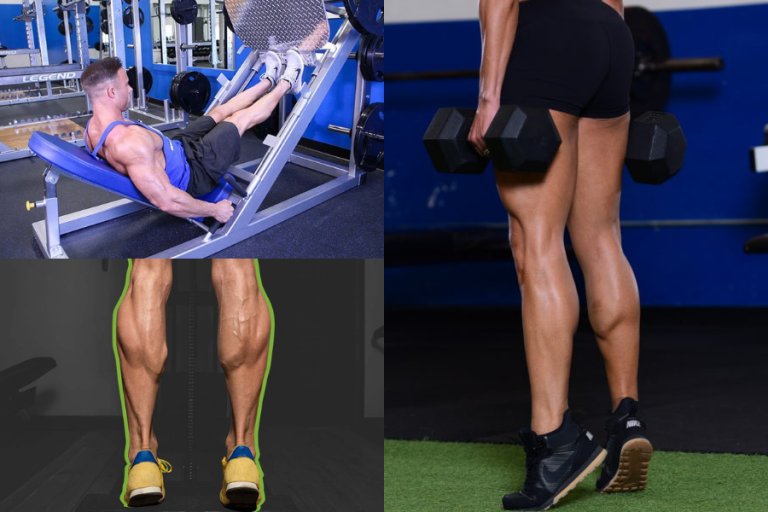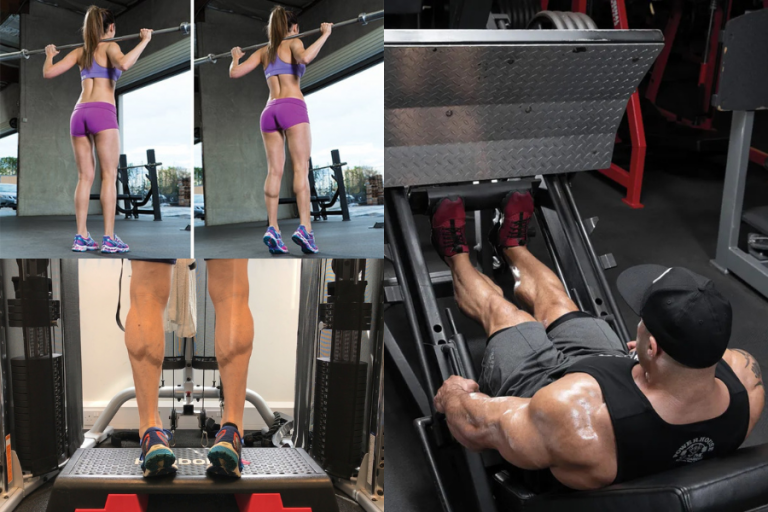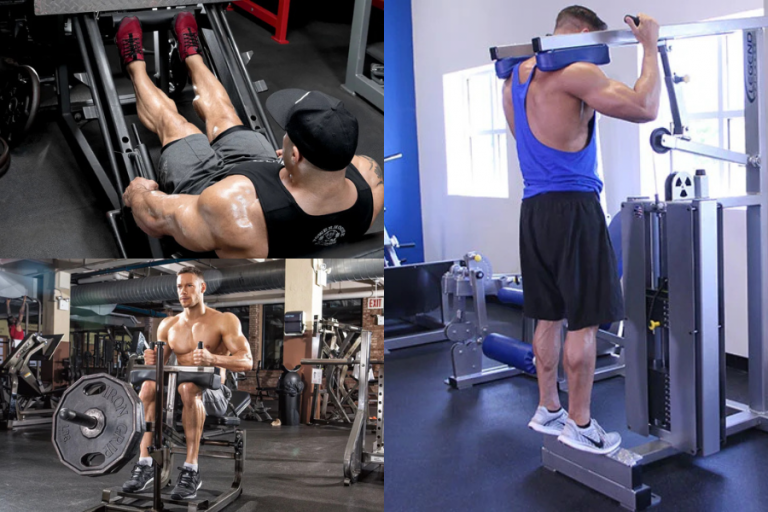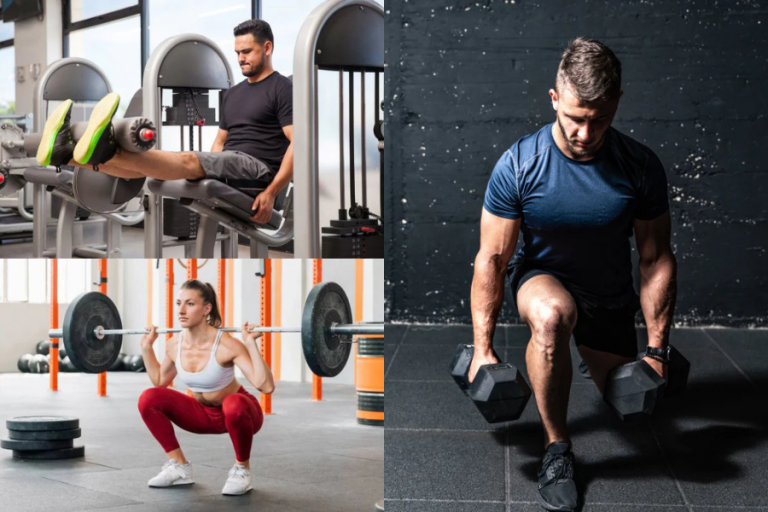
A solid pair of calves is useful for much more than filling out your jeans. Strong calves help you walk, run, jump, and stay steady on your feet. The good news: you do not need a gym to build them. With a few smart at‑home calf workouts, you can start strengthening your lower legs today using just your bodyweight and simple household items.
Below you will find easy routines, clear technique tips, and small tweaks you can use to keep progressing over time.
Understand your calf muscles
Before you start your calf workouts, it helps to know what you are training. Your calves are mostly made up of two muscles that work together every time you push off the ground.
The gastrocnemius is the larger, more visible muscle that forms the bulk of your calf. It crosses both the knee and ankle joints and works hardest when your leg is straight, such as during standing calf raises or jumping. The soleus sits underneath the gastrocnemius. It works more when your knee is bent, so you hit it with seated or bent‑knee calf raises.
Both muscles help with plantar flexion, which is the motion you use to stand on your toes, walk, run, and jump. For complete lower leg development and better ankle stability, you want to train both.
Why calf workouts matter
If you already squat and walk a lot, you might assume your calves are covered. Research and expert opinion suggest otherwise. Heavy squats or endless bodyweight calf raises, especially with a tiny range of motion, often are not enough to significantly grow calf size or strength.
Targeted calf workouts at home can help you:
- Improve ankle stability, which lowers your risk of sprains and wobbly landings
- Boost running and jumping performance with a stronger push off the ground
- Support your knees and Achilles tendon by building a more resilient lower leg
- Reduce the chance of shin splints by balancing the muscles around your lower leg
Calves also play a big role in everyday life. They help you stand up from a chair, climb stairs, and keep your balance on uneven ground. Weak calves can contribute to knee instability and recurring Achilles problems, according to sports rehab specialist David Grey on the Coach Em Up podcast.
Simple standing calf exercises
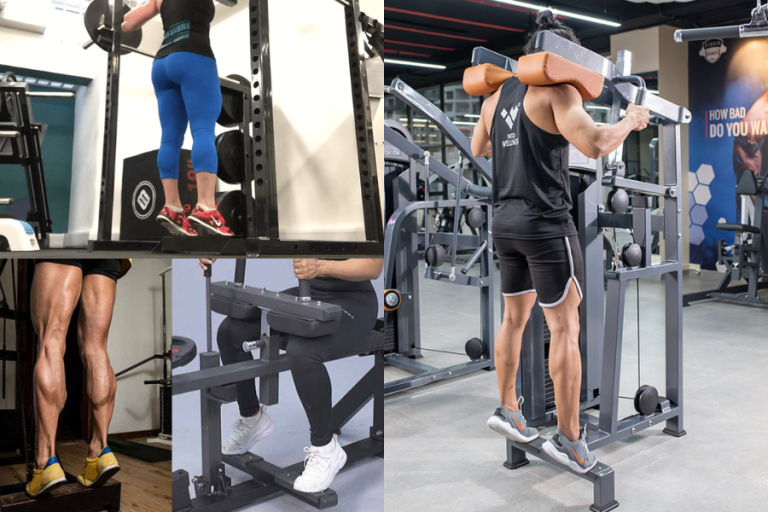
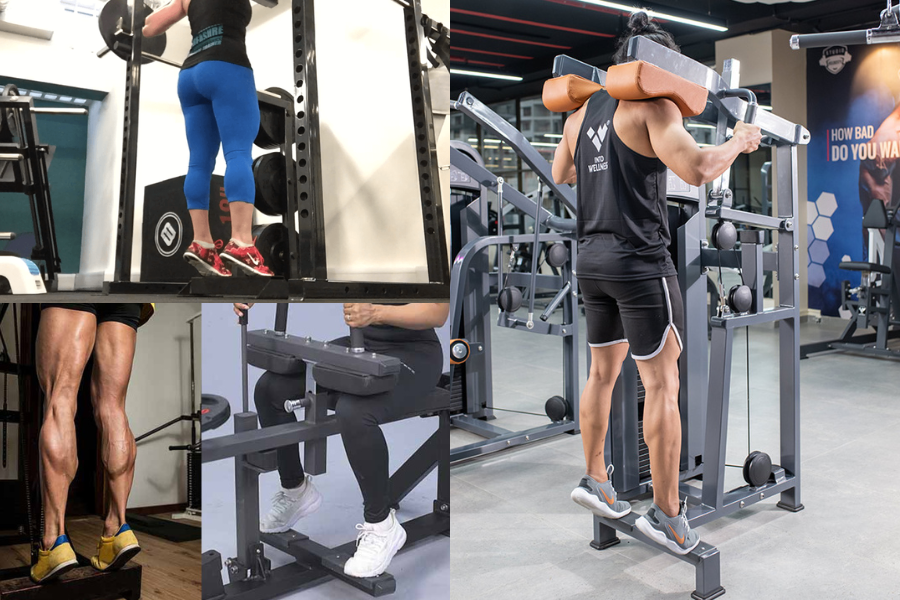
Standing variations are the backbone of most calf workouts. They focus on the gastrocnemius and are easy to do in a hallway, kitchen, or living room.
Basic standing calf raise
You can do this move on flat ground or on a step for a deeper stretch.
- Stand tall with your feet hip width apart and your hands resting lightly on a wall or counter for balance.
- Press through the balls of your feet and lift your heels as high as you comfortably can.
- Pause briefly at the top, then lower your heels back down with control. On a step, lower until you feel a gentle stretch.
- Move through a full, comfortable range of motion rather than bouncing.
Aim for 3 sets of 12 to 20 reps. To increase the challenge over time, slow down the lowering phase, add a backpack with books for weight, or hold dumbbells if you have them.
Single leg calf raise
This variation helps even out strength between sides and makes light weight feel harder.
- Stand on one leg, with the other leg slightly bent and lifted off the floor.
- Hold on to a chair or wall if needed for balance.
- Rise onto the ball of your standing foot, then lower slowly.
Start with 2 to 3 sets of 8 to 12 reps per leg. Once that feels manageable, perform them on a step or add weight.
Foot position variations
Changing your foot angle shifts the emphasis slightly within the calf.
- Toes pointing straight ahead for balanced work
- Toes turned slightly in to shift more stress to the outer calf
- Toes turned slightly out to bring the inner calf into play
You can rotate through these positions across sets to give your calves a more complete stimulus, as suggested by trainers Ebenezer Samuel and Don Saladino in their calf programming for MensHealth.
Easy bent‑knee and seated options
To fully train your calves at home, you also want exercises that target the soleus, which works hardest when your knee is bent.
Bent‑knee wall calf raise
- Stand facing a wall with your hands on it at chest height.
- Step one foot back and bend both knees slightly, as if you are beginning a small lunge.
- Keeping the back knee bent, press through the ball of the back foot to lift the heel.
- Lower with control and repeat.
Perform 2 to 3 sets of 10 to 15 reps per leg. The bent knee brings the soleus into play more than a straight leg version.
Seated calf raise with household weight
You can mimic a gym seated calf raise using a sturdy chair and some weight.
- Sit tall on a chair with your feet flat on the floor and knees bent at 90 degrees.
- Place a backpack loaded with books, a heavy bag, or a dumbbell across your lower thighs, close to the knees.
- Press through the balls of your feet to lift your heels as high as you can.
- Pause, then lower slowly until you feel a gentle stretch in your calves.
Do 3 sets of 8 to 15 reps. This move zeroes in on your soleus, which adds thickness and endurance to your calves.
At‑home plyometric moves for your calves
Calf workouts that include explosive or plyometric movements can improve your calf strength, power, and coordination. Plyometrics such as jump squats, box jumps, and single leg jumps have been shown to positively affect calf muscle hypertrophy when added to regular strength training.
You do not need a box to get started. Try these simple options in a clear space.
Jump rope intervals
If you have a jump rope:
- Jump lightly on the balls of your feet, keeping your knees soft.
- Start with 20 to 30 seconds of jumping, followed by 30 to 40 seconds of rest.
- Repeat for 3 to 4 rounds.
Samuel and Saladino recommend this style of interval work as part of a well rounded calf routine.
No rope available? You can simulate it by performing small, quick two‑foot jumps in place, swinging your arms as if turning a rope.
Low impact jump squats
Jump squats do not need to be dramatic to challenge your calves.
- Stand with feet shoulder width apart and perform a small squat.
- Push through your feet to leave the floor by a few inches.
- Land softly on the balls of your feet, then let your heels touch down and repeat.
Keep your jumps low and controlled to reduce impact. Aim for 2 to 3 sets of 8 to 10 reps.
Sample at‑home calf workout plans
To make your calf workouts easy to follow, use one of the simple routines below. You can adjust sets and reps as you get stronger.
Try one focused calf session twice a week at first. As your calves adapt, you can add a third day or sprinkle lighter work into warmups on other training days.
Beginner bodyweight routine
Do this routine 2 times per week with at least 1 day of rest between sessions.
- Standing calf raises, 3 sets of 15 reps
- Seated calf raises, 3 sets of 10 reps
- Simulated jump rope, 3 rounds of 20 seconds on, 40 seconds off
Rest 45 to 60 seconds between sets. Focus on full, controlled movement. Avoid bouncing at the bottom.
Intermediate strength and volume routine
Once the beginner plan feels easy, try adding more variety and a little more work.
- Single leg calf raises on the floor, 3 sets of 8 to 12 reps per side
- Seated calf raises with added weight, 3 sets of 12 reps
- Standing calf raises with toes in, 2 sets of 15 reps
- Low jump squats, 2 sets of 8 reps
Perform this 2 to 3 times per week. On one day, use slightly heavier resistance and fewer reps, for example 8 to 10. On another day, lighten the load and go for 15 to 20 reps. Varying the rep ranges keeps your calves from adapting too quickly and helps stimulate growth, since the gastrocnemius contains a mix of slow and fast twitch fibers.
Technique tips and common mistakes
Calf workouts are simple on paper, but a few technique details make a big difference in your results.
Avoid these common issues:
- Using too little weight. Many people perform calf raises with very light load, which does not challenge the muscles enough to grow or get stronger.
- Rushing through tiny movements. Your calves are used to thousands of low intensity steps per day. Short range, fast reps look like more of the same.
- Constantly switching exercises instead of progressing the basics. David Grey notes that too much variety, especially an over focus on seated raises, can water down your results. Standing calf raises with progressive loading remain one of the best options for overall calf development.
Helpful technique cues:
- Move through a full, comfortable range of motion, especially in the bottom half of the movement, where much of the strength building occurs.
- Pause briefly at the top to avoid bouncing, then lower under control.
- Keep your knees slightly soft for standing raises to protect your joints, unless you are intentionally training with very straight legs for a specific purpose.
Some experts also point out that always chasing the deepest stretch is not necessary for strength gains. For many people, focusing on strong, controlled work through the lower half to middle of the range is enough to build strength without aggravating the Achilles.
How often to train your calves
Because calf raises are simple and low skill, you can train your calves relatively often. Regular calf work improves ankle stability and balance, and daily light versions such as calf rocks or tiptoe walking fit easily into your routine.
For most people:
- 2 to 3 focused calf workouts per week are enough for general strength and muscle growth
- 4 to 5 shorter sessions per week can work if your main goal is calf size, as long as you manage load and avoid constant soreness
No matter how often you train, progress slowly. Increase only one variable at a time such as weight, reps, or sessions per week. Adequate sleep and recovery are important too, because that is when muscle repair and growth take place.
Recovery and when to ease off
Like any muscle group, your calves need a mix of stress and rest to adapt.
Pay attention to:
- Persistent tightness or pain that does not ease after a warmup
- Sharp pain in the muscle or Achilles tendon during calf raises
- Swelling, bruising, or trouble putting weight on your leg
Calf pain is often due to minor strains from running or jumping without a proper warmup, or from simple overuse that leads to cramps. If you notice severe pain, swelling, or difficulty walking, it is wise to stop training that area and consult a medical professional so you do not turn a small problem into a bigger injury.
Gentle stretching between sets and after your workout can help improve mobility, enhance the muscle pump, and support recovery. Ease into stretches instead of forcing them. Hold each stretch for 15 to 30 seconds and breathe steadily.
Putting it all together
Calf workouts at home do not have to be complicated. A few focused movements, performed regularly and with intention, are enough to build stronger, more resilient lower legs.
Start with:
- Standing calf raises to hit the gastrocnemius
- Seated or bent knee raises to train the soleus
- A simple plyometric, like jump rope or small jumps, to add power
From there, gradually add more load, play with different foot positions, and adjust your weekly frequency based on how your calves feel. Consistency matters more than perfect programming. Pick one or two of the exercises above, do them today, and you will already be on your way to stronger calves.
About the Author