Bigger, stronger arms do not happen by accident. If you want noticeable definition and real strength, you need a smart plan that focuses on the best bicep exercises and good form, not just heavier weights.
Below you will find practical explanations of key bicep moves, how to do them safely, and simple ways to combine them into a routine that actually delivers results.
Understand your biceps first
Your biceps are more than a single lump of muscle. You have two main heads of the biceps brachii plus helper muscles that support elbow flexion and grip.
- The short and long heads of the biceps brachii help you bend your elbow and rotate your forearm.
- The brachialis sits underneath the biceps and adds thickness to your upper arm.
- The brachioradialis runs along the forearm and helps with pulling and curling motions.
The best bicep exercises work these muscles from different angles and with different grips. That is why you see so many curl variations. Each one slightly shifts the emphasis so your arms grow stronger and more balanced over time.
Start with classic dumbbell bicep curls
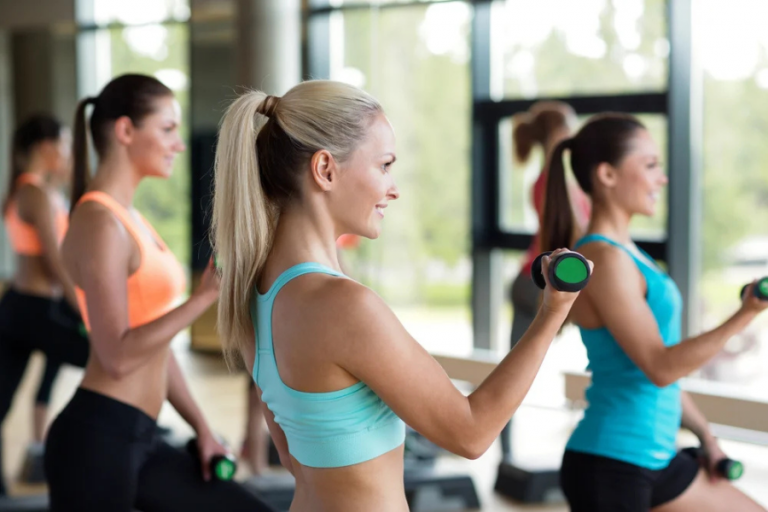
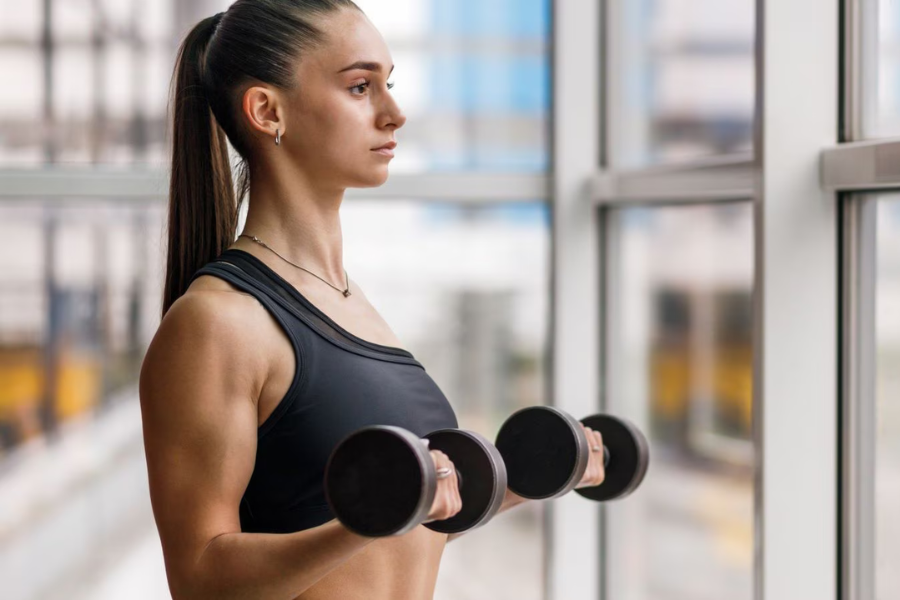
If you do only one bicep exercise, start here. Dumbbell biceps curls are simple, accessible, and highly effective for all fitness levels.
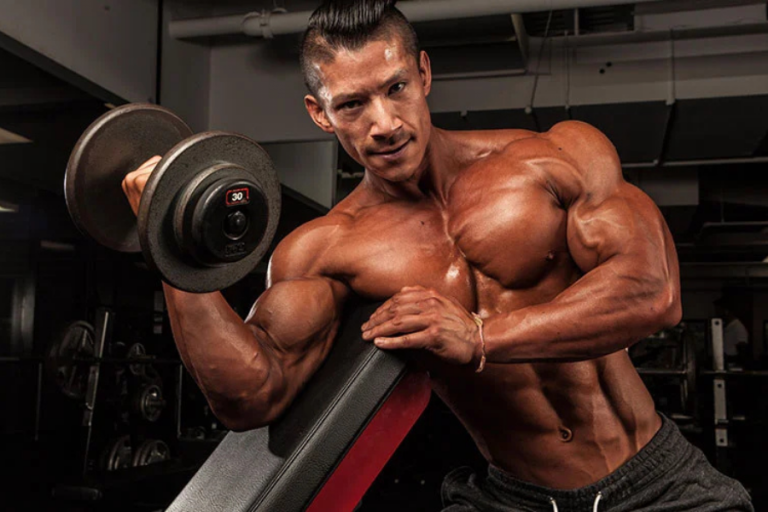
To perform a standard dumbbell curl, you use a supinated grip, which means your palms face up. You curl the weight toward your shoulder while keeping your wrists straight and your elbows close to your body. Moving slowly through the lifting and lowering phases increases time under tension, which helps build more muscle.
Because dumbbells work each arm independently, they help correct strength imbalances and improve control. They also target both the short and long heads of the biceps brachii, which leads to better overall strength, elbow flexion, and grip strength, as described in a Born Tough article from October 5, 2022.
If you are new to training, you can even start with household items like a loaded backpack, water jugs, or a heavy purse. These allow you to practice the same curling motion and gradually increase resistance before you invest in proper dumbbells.
Use hammer curls for balanced arm strength
Hammer curls look similar to regular curls but use a different grip. Instead of palms facing up, you hold the dumbbells with a neutral grip so your palms face each other.
This one change makes a big difference. Hammer curls shift more work to the brachialis and brachioradialis while still involving the biceps. This helps you build thicker upper arms, stronger forearms, and better pulling power. They also tend to reduce wrist and shoulder stress compared with some other curl variations, which makes them a useful option if you are prone to joint discomfort.
Experts note that hammer curls improve elbow flexion power and overall arm volume while reducing injury risk, so they are a safer complement to bicep-focused exercises that load the tendon more directly.
You can also perform hammer curls with resistance bands or a cable rope attachment. Standing resistance band hammer curls and cable rope hammer curls provide a steady, constant load throughout the range of motion, which helps maintain tension and can further lower injury risk.
Isolate the muscle with incline dumbbell curls
If you want your biceps to do most of the work without help from your shoulders or momentum, incline dumbbell curls are a smart choice. You perform them while lying back on an incline bench set around 45 to 60 degrees.
With your arms hanging down and your back supported, your shoulders cannot cheat the movement as easily. This position isolates the biceps brachii more effectively, which often makes the exercise feel harder even with lighter weights.
Because of that increased isolation, it is important to start lighter so you can keep your wrists straight, elbows still, and shoulders relaxed. This lets you focus on a full, controlled curl and reduces your risk of strain or injury.
Mix things up with Zottman curls
Zottman curls combine a traditional biceps curl with a wrist rotation that hits both the biceps and the forearms in one move.
Here is how it works:
- Start with a standard curl using a supinated grip, palms facing up.
- At the top of the movement, rotate your wrists so your palms face down.
- Lower the weights slowly in this pronated position.
- Rotate back to palms up at the bottom and repeat.
The upward phase focuses on the biceps, while the downward phase challenges your forearm muscles. Because this exercise loads smaller wrist and forearm muscles, it is best done with lighter weights so you can protect your joints and maintain good control.
Try 21s to maximize muscle fatigue
If you enjoy a challenge, the 21s technique can quickly leave your biceps burning. It involves partial ranges of motion broken into three segments of seven reps each, for a total of 21 reps.
You can use dumbbells, kettlebells, cables, bands, or a barbell. A common pattern looks like this:
- Seven reps from the bottom position to halfway up.
- Seven reps from halfway up to the top.
- Seven full range reps from bottom to top.
This format keeps constant tension on the muscles and maximizes fatigue, which can support hypertrophy when used as part of a well-rounded program. Just remember that 21s are intense, so you will likely need lighter weight than usual to maintain form through all 21 reps.
Add specialization with preacher and concentration curls
Once you are comfortable with the basics, you can use more focused exercises to target specific areas of the biceps and address weak points.
Preacher curls for strict form
Preacher curls are performed seated with your upper arms supported on an angled pad. This setup makes it hard to use momentum or swing your body, so the biceps do most of the work.
The preacher curl mainly targets the short head of the biceps, which contributes to the thicker, lower portion of the muscle. Using an EZ bar is common because its semi-supinated grip can be more comfortable on your wrists and elbows. Narrow grips tend to emphasize the long head of the biceps, while wider grips hit the short head a bit more.
Because the pad fixes your arms in place, focus on a slow, controlled motion and avoid locking your elbows at the bottom. This helps keep tension in the muscle and protects your joints.
Concentration curls for mind-muscle connection
Concentration curls are usually done seated, with your upper arm resting against the inside of your thigh. You curl a dumbbell through a controlled range of motion, keeping your shoulder and body still.
This setup isolates the biceps more than most other movements and makes it easier to build a strong mind-muscle connection. That is why concentration curls are often recommended as one of the best short head bicep exercises for hypertrophy. They are typically done with lighter weights for 8 to 12 reps and about three sets to preserve form and avoid swinging.
Build strength with barbell and EZ bar curls
Once your technique looks solid with dumbbells, you might be ready to load the muscles more heavily. Barbell and EZ bar curls allow you to add weight and stimulate growth, but they also increase demands on your tendons.
Barbell curls train both arms at the same time and are known for building mass across the biceps. However, they place extra force on the long head of the biceps tendon, which can increase the risk of injury if you use poor form or go too heavy too quickly. To reduce this risk, keep your elbows close to your torso, avoid swinging your body, and use controlled tempos.
EZ bar curls offer a slightly angled grip that tends to feel more natural for many lifters. Research and expert opinions suggest that EZ bar curls activate the biceps, brachialis, and brachioradialis effectively. When you stand, you also engage your core and glutes to stabilize your body, which turns the exercise into a more complete strength challenge.
Do not forget bodyweight moves like chin ups
You do not have to hold a weight in your hands to work your biceps. Chin ups are a powerful bodyweight option that trains your biceps along with your upper back, shoulders, and core.
Using a supinated grip, palms facing you, chin ups can engage both heads of the biceps depending on your grip width. They also reinforce functional pulling strength that carries over to everyday tasks and other lifts. For many people, chin ups are challenging, so it helps to use modifications like resistance bands, machine assistance, or negative reps where you focus on the slow lowering portion.
These scaling options are commonly recommended to help beginners build bicep strength while maintaining safe, controlled movements.
Sample beginner-friendly bicep routine
If you are not sure how to put these exercises together, use this simple structure two or three times per week, with at least one rest day between sessions.
- Warm up for about 5 minutes with light cardio and dynamic arm movements, then follow with gentle stretching.
- Choose 3 to 4 exercises per session, for example:
- Dumbbell bicep curls
- Hammer curls
- Incline dumbbell curls
- Concentration curls
- Perform 3 sets of 10 to 12 reps for each exercise, using a weight that feels like 70 to 85 percent effort, where the last few reps are challenging but still controlled.
- Rest 45 to 90 seconds between sets.
A routine like this was also suggested by fitness coach Rob Riches, who recommends focusing on quality reps and muscle fatigue instead of trying to lift your maximum weight in every set. Follow a consistent routine for 4 to 6 weeks before changing exercises or increasing volume, so your body has time to adapt.
Focus on form and consistency before chasing heavier weights. Good technique protects your joints and lets your biceps actually do the work.
Stay safe and avoid bicep injuries
Strong arms are useful. Injured arms are not. To keep your bicep training safe and sustainable, build in a few simple habits.
A specialist orthopaedic surgeon from St John & St Elizabeth Hospital in London recommends the following to avoid bicep injuries in the gym:
- Warm up properly so your muscles and tendons are ready to work.
- Use correct posture and technique, and avoid jerking or swinging the weights.
- Increase activity levels and load gradually, especially if you are new to strength training.
- Stop immediately if you feel unusual or sharp pain.
- Stretch the muscles before and after workouts to maintain flexibility.
Listening to your body will help you make long term progress without setbacks.
Putting it all together
When you look at the best bicep exercises as a group, you can see how each one has a role:
- Standard curls and hammer curls build overall size and strength.
- Incline, preacher, and concentration curls focus on strict, targeted work.
- Zottman curls, 21s, and chin ups add variety and challenge different muscles and ranges.
You do not need to do every exercise in every workout. Instead, pick a few that fit your current level, train them consistently with good form, and adjust over time as you get stronger.
Start with one or two of the exercises above in your next session. Pay attention to how your arms feel, keep your movements smooth and controlled, and let gradual, steady progress do the rest.
About the Author