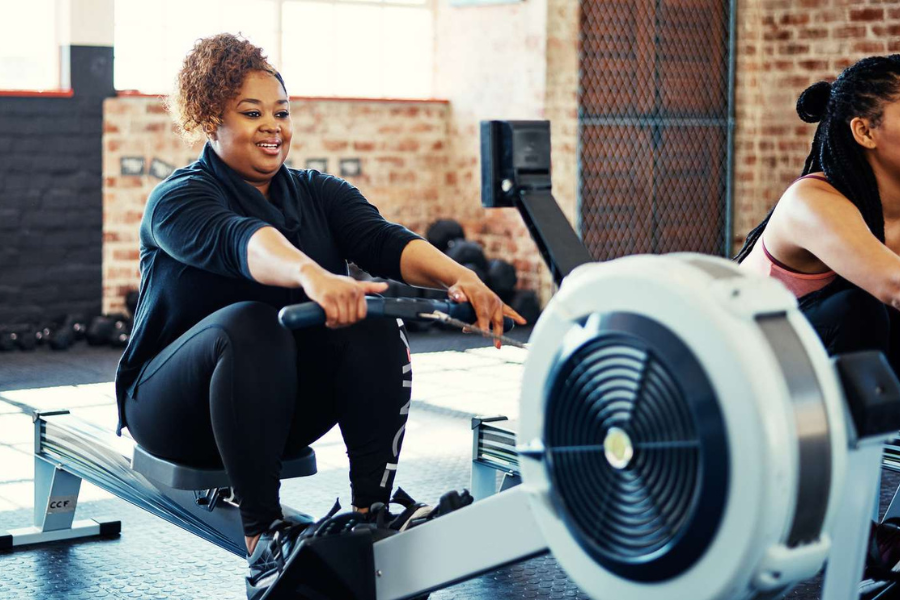
A rowing machine might look simple, but the right rowing workouts for fat loss can rival tough treadmill runs and bootcamp circuits. Rowing gives you full-body cardio that burns calories quickly while staying low impact on your joints, which is why it is becoming a go-to tool for changing body composition and improving health.
Below you will learn how rowing helps you lose fat, how to structure effective workouts, and how to pair your time on the erg with smart habits so the results actually show up in the mirror.
Why rowing works for fat loss
Rowing is one of the few cardio options that truly works your whole body. Every stroke uses your legs, hips, back, core, and arms, which means you recruit more muscles and burn more calories in the same amount of time compared with many other machines. Fitness experts estimate that rowing uses roughly 86 percent of your muscles during a workout, which supports both fat loss and full-body toning (Fit&Well).
In a six week study of adults who were not exercising regularly, rowing workouts performed five days a week led to an estimated 481 to 713 calories burned per hour, enough to create the calorie deficit needed for fat loss (Women’s Health). Health professionals generally recommend a moderate daily calorie deficit of about 500 calories if your goal is sustainable weight loss, and rowing can provide a significant portion of that in a single session (Healthline).
Unlike high impact options like running, rowing is easier on your knees and ankles. If you have joint issues or are coming back from a layoff, this low impact but high return combination makes it much easier to stay consistent, which is the real driver of long term fat loss.
How many calories you can burn rowing
No two rowing workouts burn exactly the same number of calories. Your body size, fitness level, and how hard you row all matter. For example, Healthline notes that a 175 pound person rowing at a moderate pace can burn about 139 calories in 15 minutes (Healthline). Over a 30 minute moderate session that can be roughly 300 calories, and that number climbs higher as you increase intensity (RowingMachineWorkouts.com).
High intensity interval training on the rower, often called HIIT, can push your heart rate up to 80 to 95 percent of your max during the hard periods, then let it drop to 40 to 50 percent during recovery intervals (Garage Gym Reviews). This style of training not only burns more calories minute for minute, it also raises your post workout calorie burn through excess post exercise oxygen consumption, or EPOC, for a short period after you finish (Garage Gym Reviews).
Calorie burn is only part of the story, but it is useful context. When you line your rowing sessions up with your eating habits, you create the consistent energy deficit needed to reduce body fat over weeks and months.
Key technique tips that boost results
Good technique does two things for you. It protects your back and knees, and it allows you to apply real power into each stroke, so you get more out of every minute.
Most fitness coaches agree that your legs should do about 60 percent of the work, your hips and core about 20 percent, and your arms the remaining 20 percent (Women’s Health). In practice that means you push the handle away from the machine with your legs like a leg press or deadlift before you finish the stroke with your upper body.
Think of the movement as a smooth sequence instead of one big tug:
- Drive with your legs while keeping your arms straight and core tight.
- Once your legs are almost straight, lean your torso slightly back.
- Finish by pulling the handle to your lower ribs.
- Reverse the order on the way back, arms first, then torso, then legs.
Maintaining good posture, with your chest lifted and shoulders relaxed, helps you avoid lower back discomfort during fat loss focused rowing sessions (Fit&Well). If you are just starting out, spend a couple of slower, steady sessions dialing in this pattern before you add fast intervals. This step can feel slow, but it lets you train harder and safer later.
Steady rowing workouts for beginner fat loss
As a beginner, you do not need brutal workouts to see results. Health guidelines suggest at least 150 minutes of moderate intensity exercise each week for overall health, and you can meet that with steady rowing that also supports fat loss (Healthline).
Start with 20 to 30 minute sessions two or three times a week. Focus on a smooth stroke and a consistent pace that lets you talk in short sentences but not full conversations. This is often called Zone 2 cardio, and long, gentle sessions like this are recommended to maximize fat burning while keeping hunger in check (Reddit).
Here is a simple beginner workout you can follow:
- Row easy for 5 minutes to warm up.
- Row at a moderate effort for 15 to 20 minutes. Keep your stroke smooth and your breathing controlled.
- Finish with 5 minutes very easy plus some light stretching.
If you have a heart rate monitor, you can aim to stay in a light to moderate zone that feels challenging but not overwhelming. Rowing this way for 30 minutes, five days per week, fits with CDC style guidelines for weight management and can promote fat loss over time (Garage Gym Reviews).
Using HIIT rowing workouts for faster calorie burn
Once you have at least a few weeks of consistent practice and your form feels natural, you can add high intensity interval rowing to your routine. HIIT rowing workouts are efficient rowing workouts for fat loss because they burn many calories in a short time and improve both aerobic and anaerobic fitness at once (Breaking Muscle).
An effective and beginner friendly approach is to use a 1 to 2 work to rest ratio. For example, row hard for 20 seconds and then recover for 40 seconds. This pattern allows enough recovery so you can maintain power as your heart and lungs work harder and your VO2 max improves (Breaking Muscle).
Here is a sample beginner HIIT rowing workout:
- Warm up with 5 to 8 minutes of easy rowing.
- Complete 10 rounds of 20 seconds hard rowing, 40 seconds easy rowing.
- Cool down for 5 minutes at an easy pace.
Fitness expert Amanda Capritto recommends that beginners limit HIIT rowing sessions to 15 minutes or less once per week at first to reduce the risk of overtraining and to keep your joints and connective tissues happy (Garage Gym Reviews). You can keep your other rowing days as moderate, steady work to build endurance.
If you enjoy shorter but more intense sessions, you might also experiment with Tabata style rowing. The classic Tabata protocol uses eight cycles of 20 seconds all out rowing followed by just 10 seconds of rest, which totals only four minutes per round. This approach has been shown to reduce body fat percentage and waist to hip ratio in overweight individuals when used appropriately (Breaking Muscle). Because it is very demanding, treat it with respect and give yourself plenty of recovery between rounds or sessions.
Weekly rowing plans for different levels
Rowing for fat loss works best when you follow a plan instead of guessing from day to day. Several experts suggest mixing steady state sessions with intervals across the week to get the benefits of both styles (Healthline).
Here is how you might structure things at different stages:
- If you are new to rowing, aim for 2 to 3 steady sessions of 20 to 30 minutes per week, like the beginner workout above.
- After about six months of experience, Healthline suggests that you can move into more advanced HIIT rowing, where you combine longer high effort intervals with shorter rest, provided your technique is solid (Healthline).
- A four week rowing weight loss routine often uses 4 workouts per week that include one HIIT day, one medium interval day, and one longer, easier day that lasts 20 to 35 minutes at a moderate stroke rate of about 20 to 26 strokes per minute (RowingMachineWorkouts.com).
Indoor rowing can also pair nicely with strength training. Research points out that combining aerobic exercise like rowing with resistance training is one of the best ways to change body composition and support fat loss (Healthline). On strength days, you can add a short row as a warm up or a brief HIIT finisher, and on non lifting days you can make rowing your main workout (Breaking Muscle).
How rowing compares to other cardio for weight loss
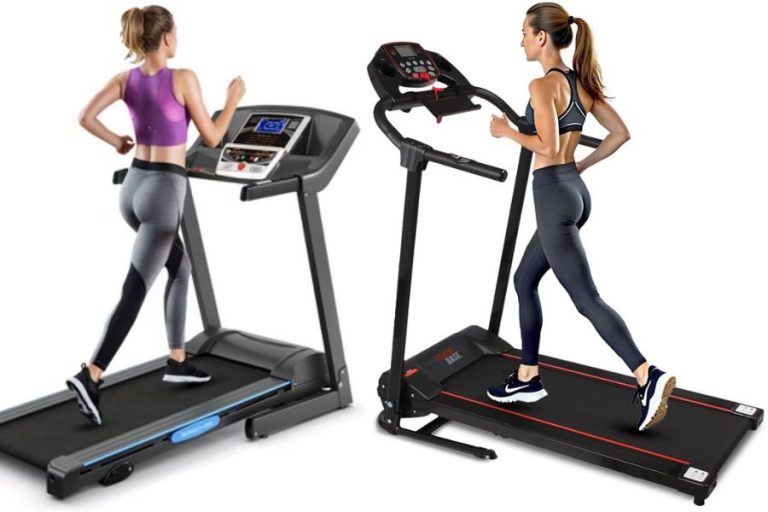
If you are debating between the rower, treadmill, and elliptical, it helps to know how rowing stacks up. Compared to running, rowing usually burns slightly fewer calories per minute for many people, but it offers a joint friendly, low impact alternative that still raises your heart rate and taxes your muscles intensely (Garage Gym Reviews). Rowing also recruits more upper body and core muscles than the elliptical in most cases, which can help build strength as you work on fat loss (Men’s Health).
Men’s Health points out that effective rowing technique drives power from your legs through your posterior chain, and that even short 10 to 15 minute sessions can be enough to build strength and burn significant calories when you row hard (Men’s Health). Because indoor rowing is low impact and full body, it has become a popular choice for people who want cardio that feels athletic without pounding their joints, and usage of indoor rowers increased by nearly 20 percent from 2014 to 2021 (Men’s Health).
In practical terms, the best cardio tool is the one you will use regularly. If you enjoy the rhythm of the stroke and the challenge of watching your split times improve, rowing can easily become your primary fat burning workout.
Nutrition and lifestyle habits that make rowing pay off
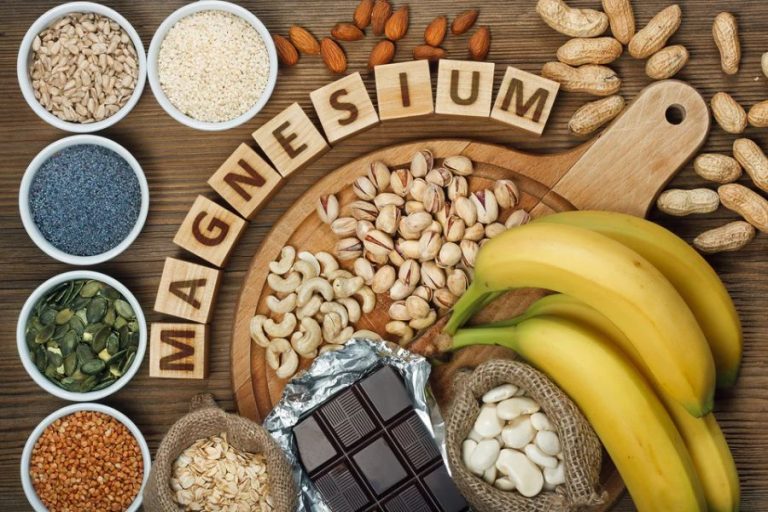
Rowing workouts for fat loss can burn hundreds of calories, but your nutrition will determine how much of that effort turns into visible change. Several coaches emphasize that combining consistent rowing with a calorie controlled, nutrient rich diet is critical for reducing body fat, including around your waistline (RowingMachineWorkouts.com).
A moderate calorie deficit of about 500 calories per day is typically recommended, and rowing helps you create that deficit without relying only on food restriction (Healthline). Big picture guidelines include:
- Center most meals around lean protein, vegetables, whole grains, and healthy fats.
- Limit heavily processed foods and sugary drinks that add calories without filling you up.
- Plan a higher carb meal 2 to 4 hours before harder rowing sessions to help with energy.
- Follow workouts with a light carb, higher protein snack or shake to support muscle recovery (Fit&Well).
Strength training also plays a role. Adding resistance work or bodyweight exercises alongside rowing helps you build muscle mass, which slightly raises your resting metabolic rate and lets you burn more calories around the clock (Women’s Health). Even basic movements like squats, pushups, and rows with dumbbells or bands can complement your time on the erg.
Many rowers who have successfully lost fat also track more than just the scale. Watching how your clothes fit, measuring your waist, and noting improvements in energy and mood make it easier to stay committed through the slower weeks of progress (Reddit). Using a heart rate monitor can give you real time feedback, so you know when you are in the right zones for gentle fat burning or intense interval work.
The combination of smart nutrition, consistent rowing, and simple strength work is what turns a few sweaty sessions on the machine into long term fat loss and better health.
Putting it all together
If you are ready to use rowing workouts for fat loss, you do not need a perfect plan on day one. Start by learning solid technique and building up to 20 to 30 minutes of steady rowing a few times per week. Once that feels manageable, layer in brief HIIT sessions using a 1 to 2 work to rest ratio and keep them short at first.
Pair these workouts with a reasonable calorie deficit, enough protein, and occasional strength training, and give the process several months. With each stroke you are not only burning calories right now, you are improving your conditioning, building muscle, and making it easier for your future self to stay active and lean.
About the Author